
Rivian R2 vs Tesla Model Y: Hardware Bet or Software Bet?
Two EVs. Two completely different answers to what a smart car should be.

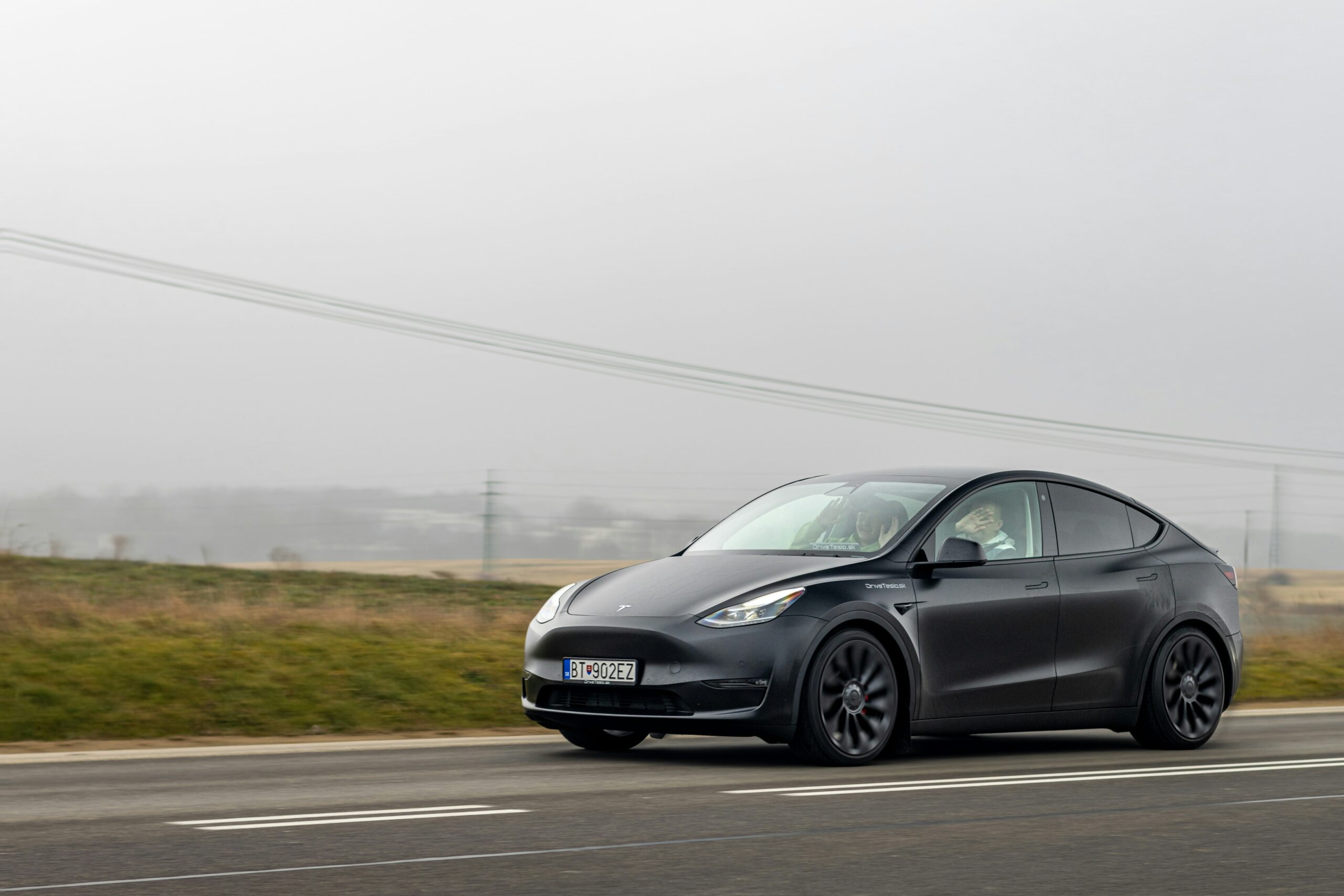
Two EVs. Two completely different answers to what a smart car should be.
Every few years there’s a product category where two philosophies go head to head. Closed ecosystem vs. open. More sensors vs. better algorithms. Apple vs. Android. The Rivian R2 and Tesla Model Y are both American-made, mid-size, and serious about technology: but under the surface they represent fundamentally different bets on what a smart car should be. Which one you pick says something about how you think about technology in general.
 TL;DR
TL;DR
Rivian’s bet: More hardware means more capability. Eleven cameras, five radar sensors, LiDAR on the roadmap. Build the physical layer right and the software can catch up. You can always improve with an update, but you can’t retrofit sensors you never installed.
Tesla’s bet: Hardware is a commodity. Intelligence is the product. Strip out the radar, run everything through cameras and neural nets trained on billions of real-world miles, and let the software compound over time. The car you buy in 2026 is meaningfully better than the one that shipped two years ago. That delta is the actual value proposition.
If you’ve ever argued about whether more megapixels matter after a certain point, you already understand this debate.
| Trim | Rivian R2 | Tesla Model Y | Available |
|---|---|---|---|
| Base | $44,990 | $39,990 | R2: 2027 / Y: now |
| Mid | $53,990 | $45,990 | R2: late 2026 / Y: now |
| Top | $57,990 | $57,990 | Both now |
The R2 Performance is the only trim you can actually buy today. Everything below it is on a waitlist until 2026 or 2027. So this comparison is Performance vs. Performance; two cars at the same price tier, different philosophies.
This is where the architectural difference gets concrete.
| Rivian R2 Performance | Tesla Model Y Performance | |
|---|---|---|
| Cameras | 11 | 8 (Tesla Vision) |
| Radar | 5 sensors | None |
| LiDAR | Late 2026 (Gen 3) | None (not planned) |
| Sensor philosophy | Hardware redundancy | Camera + neural net |
| NHTSA ADAS benchmark | Not yet tested | First to pass (2026) |
| Pre-collision airbag deployment | No | Yes, OTA via Vision cameras |
| Hands-free driving coverage | 3.5M miles (Autonomy+) | Expanding via FSD |
The R2 argument is straightforward: radar works in fog and rain when cameras struggle. Five independent radar sensors plus eleven cameras means multiple systems have to fail simultaneously before you’re flying blind. That’s redundancy design, not paranoia.
Tesla’s counter is just as coherent: radar creates false positives, adds cost and complexity, and limits the system because you’re fusing two different data streams that sometimes disagree. Go camera-only, train harder, and you get a cleaner signal. The NHTSA result, first vehicle ever to pass its new ADAS benchmark, is the proof.
One detail worth noting: Tesla’s latest OTA update uses Vision cameras to detect an imminent head-on collision and begins deploying airbags before impact. That’s software doing something hardware alone couldn’t.
| Safety Feature | Rivian R2 Performance | Tesla Model Y Performance |
|---|---|---|
| Front, side, curtain airbags | Standard | Standard |
| Knee airbags | Driver + Passenger | Driver only |
| Centre airbag (side-impact) | No | Standard |
| Pre-collision airbag deployment | No | Yes |
| Forward collision warning + AEB | Standard | Standard |
| Blind spot monitoring | Standard | Standard |
| Rear cross-traffic alert | Standard | Standard |
| Pedestrian / cyclist detection | Standard | Standard |
| Driver attention monitoring | Standard | Standard |
Both cars are well-equipped across the board. The meaningful differences sit at the edges: Tesla’s centre airbag and pre-collision deployment are real advantages. The R2’s dual knee airbags are a small but real one in return.
| Spec | Rivian R2 Performance | Tesla Model Y Performance |
|---|---|---|
| Price | $57,990 | $57,990 |
| Range | 330 mi | 306 mi |
| 0–60 mph | 3.6 sec | 3.3 sec |
| Horsepower | 656 hp | 510 hp |
| Ground clearance | 9.6 in | 6.0 in |
| Towing | 4,400 lbs | 3,500 lbs |
| Charging (10–80%) | ~29 min | ~15 min (144 mi added) |
| Driver display | 15.6″ touch + 12.3″ cluster | 16″ central only |
| Off-road rated | Yes | No |
| CarPlay / Android Auto | No | No |
Three worth flagging:
What will this car be in three years?
Tesla has a clear answer. FSD improves with every release. Pre-collision airbag deployment shipped as an OTA update to cars already on the road. The hardware you buy today runs software that didn’t exist when the car was manufactured, and that pattern compounds.
Rivian’s answer is less proven but credible. Autonomy+ covers 3.5 million miles of mapped roads today. LiDAR arrives with Gen 3 hardware in late 2026. The compute architecture is designed to support future capability, but hardware upgrades require a service visit, not a software push.
If you’ve ever bought a product for what it could become, you know how to weigh this.
Neither car supports CarPlay or Android Auto. Both are closed ecosystems by design.
Tesla’s is mature, deeply integrated, and has a large third-party developer community. Rivian’s is younger but thoughtfully built, with more openness about its developer platform ambitions.
If ecosystem lock-in is part of your evaluation, and for most tech buyers it is, Tesla is the known quantity. Rivian is the more interesting bet.
Better safety systems change the real cost of ownership, not just at the pump but in repair bills and premiums after an incident.
For Tesla FSD drivers, Lemonade Autonomous Car insurance offers 50% off every mile driven in FSD mode, priced off Tesla’s own collision data showing FSD miles produce fewer incidents than human-driven ones.
The R2 doesn’t have an equivalent yet. But the principle holds for both cars: the safety tech you pay for upfront affects what you pay to own the car long-term.
Buy the R2 if you trust hardware over algorithms, want sensor redundancy, need real physical capability like towing and off-road, and are willing to wait for the software to grow into the foundation.
Buy the Model Y if you trust software over sensors, want a product that compounds over time, commute in conditions where FSD earns its keep, and want a lower insurance bill to show for it.
Neither is wrong. They’re different theories about where the value lives in a smart car. Pick the one that matches how you think, then make sure the insurance keeps up with it.
According to NHTSA’s new ADAS benchmark, which the Model Y was the first vehicle to pass, yes. Real-world performance in adverse weather is still a legitimate debate, but the certification result is hard to argue with.
Autonomy+ covers hands-free driving on 3.5 million miles of mapped US and Canadian roads today. LiDAR is planned for Gen 3 hardware in late 2026. The compute architecture supports future capability, but upgrades require a service visit.
Yes. The R2 uses NACS, giving it full access to the Supercharger network.
A few quick words, because we <3 our lawyers: This post is general in nature, and any statement in it doesn’t alter the terms, conditions, exclusions, or limitations of the policies issued, which differ according to your state of residence. You’re encouraged to discuss your specific circumstances with your own professional advisors. The purpose of this post is merely to provide you with info and insights you can use to make such discussions more productive! Naturally, all comments by, or references to, third parties represent their own views, and Lemonade assumes no responsibility for them. Coverage may not be available in all states. Please note that statements about coverages, policy management, claims processes, Giveback, and customer support apply to policies underwritten by Lemonade Insurance Company or Metromile Insurance Company, a Lemonade company, sold by Lemonade Insurance Agency, LLC. The statements do not apply to policies underwritten by other carriers.
Please note: Lemonade articles and other editorial content are meant for educational purposes only, and should not be relied upon instead of professional legal, insurance or financial advice. The content of these educational articles does not alter the terms, conditions, exclusions, or limitations of policies issued by Lemonade, which differ according to your state of residence. While we regularly review previously published content to ensure it is accurate and up-to-date, there may be instances in which legal conditions or policy details have changed since publication. Any hypothetical examples used in Lemonade editorial content are purely expositional. Hypothetical examples do not alter or bind Lemonade to any application of your insurance policy to the particular facts and circumstances of any actual claim.