
Cataracts in Cats: What That Cloudy Eye Actually Means
What to know if your cat's eyes are looking a little hazy.

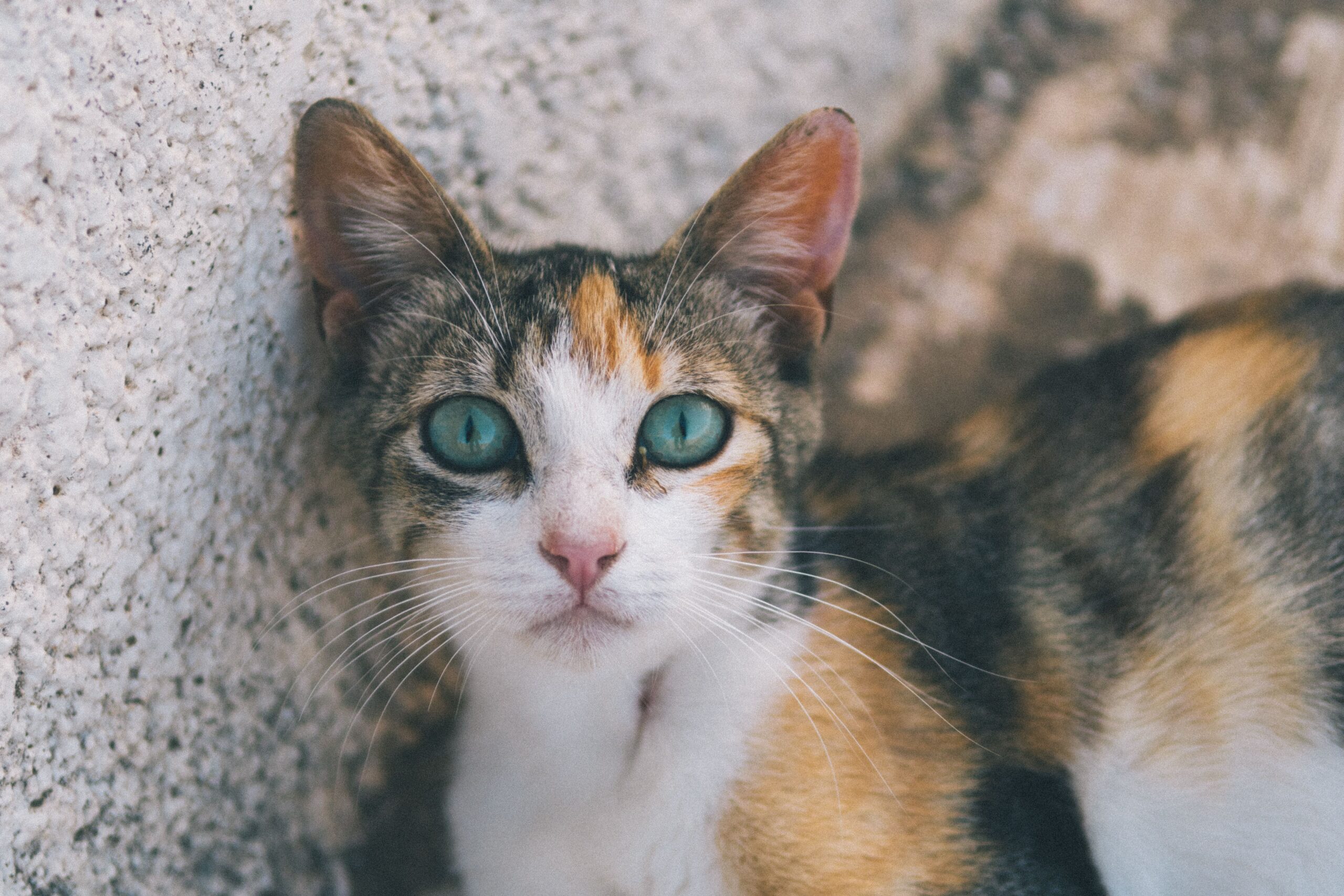
What to know if your cat's eyes are looking a little hazy.
 Reviewed by Dr. Stephanie LiffLast Updated:
You’re petting your cat, catch a glimpse of their eye, and something looks off. A little hazy. A little cloudy. Your brain goes somewhere scary, which is probably why you ended up here. The good news: cloudy eyes in cats don’t always mean something serious. The not-so-good news: sometimes they do. Here’s how to tell the difference, and what to do if cataracts are actually what you’re dealing with.
 TL;DR
TL;DR
The lens is a small, normally clear structure inside the eye that focuses light so your cat can see. When it becomes cloudy or milky, that’s a cataract. Light can’t pass through properly, and vision gets blurry or disappears depending on how much of the lens is affected.
In the early stages, you might notice a faint whitish or grayish spot somewhere in the eye. Over time, that cloudiness can spread across the whole lens, giving the eye a dense, white or bluish-white appearance, almost like frosted glass where a clear eye used to be.
Not every cloudy eye is a cataract, and the difference matters. Some causes are completely normal. Others are emergencies. Here’s how to read what you’re looking at.
This is a natural hardening of the lens that happens as cats get older, usually in cats over 10. The eye takes on a soft, bluish-gray haze, but the lens still lets light through. Most cats with nuclear sclerosis see just fine and never need treatment. A quick eye exam is all it takes to confirm it.
Cataracts look denser and whiter than nuclear sclerosis. The cloudiness may start as a small spot and expand over time, and unlike the normal aging changes above, cataracts do block light and can cause real vision loss. A veterinary ophthalmologist (AKA a vet who specializes in eye conditions) is the right person to diagnose and treat them.
Glaucoma is a buildup of pressure inside the eye. It can look cloudy, but if your cat’s eye also appears enlarged or red, or they’re squinting or pawing at their face, that’s not a wait-and-see situation. Glaucoma is painful and can cause permanent vision loss within a day or two if left untreated. Call your vet the same day.
Early cataracts are easy to miss. Cats are good at compensating for reduced vision, so the behavioral signs can show up before you ever notice anything in the eye itself. Watch for:
The most common culprit is uveitis: inflammation inside the eye, often triggered by infections like feline herpesvirus or toxoplasmosis, immune system problems, or trauma. Chronic inflammation slowly damages the lens over time.
Other causes include:
Your regular vet can do an initial exam and spot obvious cloudiness. For a confirmed diagnosis and a treatment plan, you’ll likely get a referral to a veterinary ophthalmologist.
They’ll use a slit-lamp exam which is a bright, focused light that lets them look at different layers of the eye in detail, and possibly an electroretinogram, a test that measures how well the retina is responding to light. That last one helps determine whether surgery would actually improve your cat’s vision. They may also check for underlying conditions like uveitis or elevated eye pressure that could be driving things.
Not every cat with cataracts needs surgery. If the cataract is small and not affecting quality of life, your vet may recommend monitoring it over time. Managing the underlying cause, like treating uveitis with anti-inflammatory eye drops, can slow progression.
When surgery is the right call, the procedure is called phacoemulsification. The cloudy lens is broken up using ultrasound waves, gently removed, and replaced with an artificial lens. It’s the same basic procedure used in human cataract surgery, and most cats tolerate it well. Recovery takes a few weeks.
Cost-wise, cataract surgery typically runs $2,500–$5,500 per eye when performed by a veterinary ophthalmologist, with the total cost including pre-surgical testing, anesthesia, specialist consultation, and post-op medications often reaching that range all-in. For both eyes, costs can climb higher. It’s worth thinking about before you’re already in the thick of it.
Specialist eye care isn’t cheap, and the costs can add up fast between diagnostics, surgery, and follow-up care. That’s where having coverage in place early makes a real difference.
A Lemonade accident and illness policy can help cover eligible diagnosis and treatment for cataracts, including surgery and medications, as long as the condition isn’t pre-existing. That means it developed after your policy was active and after your waiting periods have passed. Once symptoms show up, the condition becomes known, and a new policy won’t cover it going forward.
If your cat is healthy right now, that’s the right time to get coverage in place. You can’t predict when something like this will show up, but you can make sure you’re not making treatment decisions based on cost when it does.
A cloudy eye doesn’t have to mean a worst-case scenario, but it does mean something worth looking into. Whether it turns out to be normal aging, an early cataract, or something that needs same-day attention, the first step is always the same: get a vet’s eyes on it. If cataracts do end up being the diagnosis, real treatment options exist, and with the right coverage already in place, the cost doesn’t have to be the thing that drives the decision.
Cataracts themselves aren’t always painful, but the conditions that cause them – like uveitis or glaucoma – often are. If your cat is squinting, tearing, or pawing at their eye, get them seen by a vet promptly.
Early signs include a faint whitish or grayish spot in the center of the eye, mild clumsiness in low light, and occasional hesitation before jumping. These can be easy to miss, so regular vet checkups help catch them early.
Nuclear sclerosis causes a soft, bluish-gray haze and usually doesn’t affect vision much. Cataracts tend to be denser, whiter, and more opaque. A vet can tell them apart with a quick eye exam – you shouldn’t try to diagnose it at home.
Yes, advanced cataracts can cause significant vision loss or blindness in cats. Catching them early and treating the underlying cause gives the best chance of preserving vision.
Phacoemulsification – the surgical procedure used to remove cataracts – typically costs $1,500 to $3,500 per eye, not including pre-surgical testing and post-op care. A pet insurance policy taken out before symptoms appear can help offset these costs.
A few quick words, because we <3 our lawyers: This post is general in nature, and any statement in it doesn’t alter the terms, conditions, exclusions, or limitations of the policies issued, which differ according to your state of residence. You’re encouraged to discuss your specific circumstances with your own professional advisors. The purpose of this post is merely to provide you with info and insights you can use to make such discussions more productive! Naturally, all comments by, or references to, third parties represent their own views, and Lemonade assumes no responsibility for them. Coverage may not be available in all states. Please note that statements about coverages, policy management, claims processes, Giveback, and customer support apply to policies underwritten by Lemonade Insurance Company or Metromile Insurance Company, a Lemonade company, sold by Lemonade Insurance Agency, LLC. The statements do not apply to policies underwritten by other carriers.
Please note: Lemonade articles and other editorial content are meant for educational purposes only, and should not be relied upon instead of professional legal, insurance or financial advice. The content of these educational articles does not alter the terms, conditions, exclusions, or limitations of policies issued by Lemonade, which differ according to your state of residence. While we regularly review previously published content to ensure it is accurate and up-to-date, there may be instances in which legal conditions or policy details have changed since publication. Any hypothetical examples used in Lemonade editorial content are purely expositional. Hypothetical examples do not alter or bind Lemonade to any application of your insurance policy to the particular facts and circumstances of any actual claim.