
My Dog Ate Xylitol. How Much Is Toxic and What Should I Do?
Signs of xylitol poisoning and how to respond immediately.

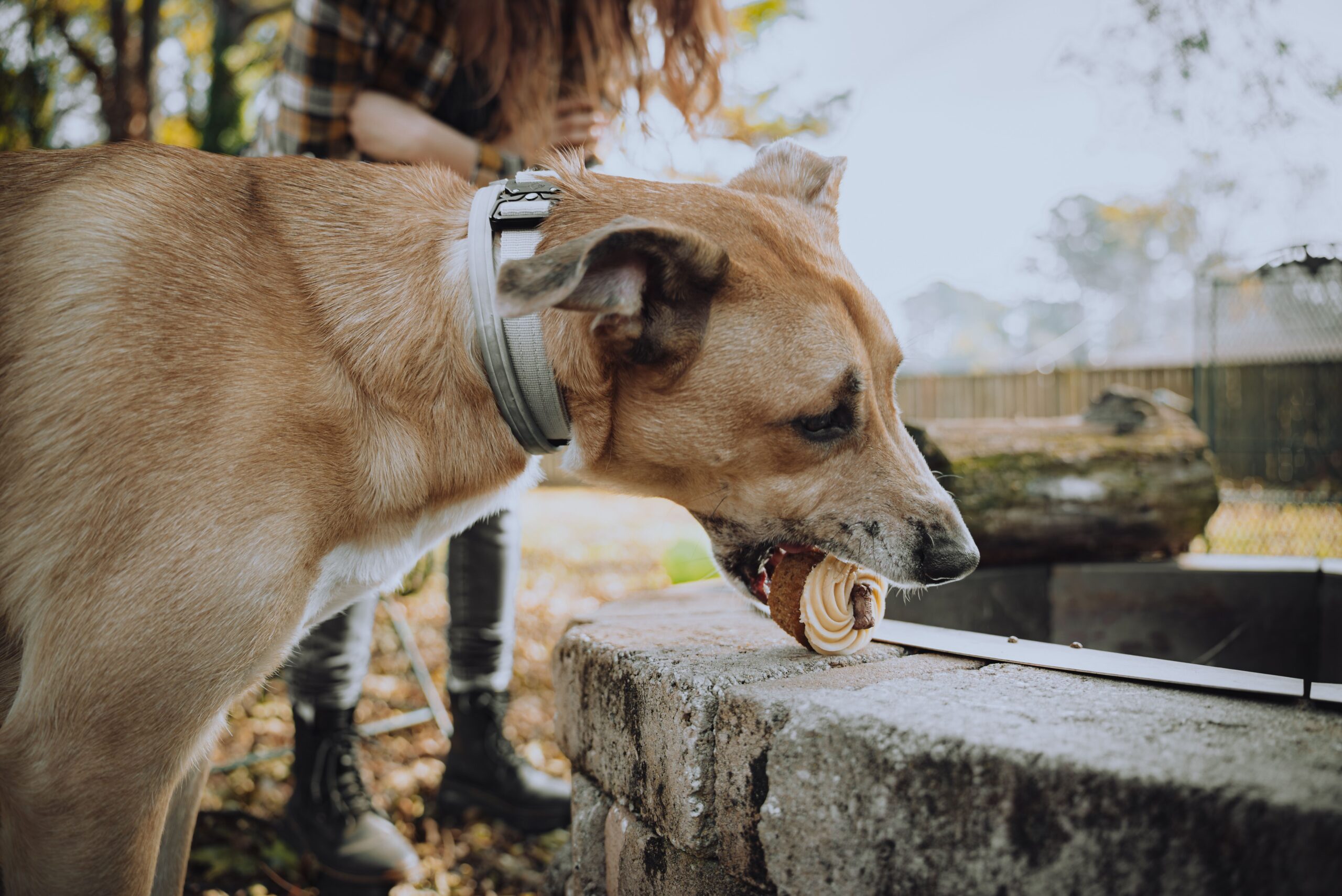
Signs of xylitol poisoning and how to respond immediately.
If your dog just got into something sugar-free, stop reading and call your vet or the Pet Poison Helpline (855-764-7661) or ASPCA Animal Poison Control (888-426-4435) right now. Xylitol is one of the most dangerous things a dog can eat, and symptoms can show up fast. This is not a wait-and-see situation.
If you’re here to understand what xylitol does to dogs, why it’s so dangerous, and how to keep your home safe, you’re in the right place. This guide covers everything: the science behind xylitol toxicity in dogs, where it hides, how much is too much, what symptoms to watch for, and what treatment looks like.
 TL;DR
TL;DR
Xylitol is a sugar substitute, technically a sugar alcohol (a type of sweetener that’s neither sugar nor alcohol in the traditional sense), found naturally in some plants and widely used in sugar-free products. In humans, it’s totally fine. In dogs, it triggers a dangerous, fast chain reaction.
When a dog eats xylitol, their pancreas mistakes it for real sugar and releases a large surge of insulin into the bloodstream. That sudden insulin release drives blood sugar (glucose) down fast, sometimes within 10 to 60 minutes. The result is hypoglycemia, or dangerously low blood sugar, which can cause weakness, disorientation, collapse, and seizures.
At higher doses, xylitol can also cause acute liver failure (hepatic failure), where the liver sustains serious damage and starts to shut down. This can happen even without a hypoglycemic episode first, and it can develop over 24 to 72 hours after ingestion. That’s what makes xylitol poisoning in dogs so dangerous: the worst of it isn’t always immediate.
There’s no safe dose. Even tiny amounts can cause serious harm depending on your dog’s size. Here’s the general breakdown vets use:
The xylitol content in products varies a lot, which is why there’s no simple calculator that covers every scenario. Some sugar-free gums contain up to 1 gram of xylitol per piece. Some peanut butters contain a fraction of that. When in doubt, treat it as an emergency and let the vet or poison helpline do the math based on the specific product and your dog’s weight.
Symptoms of xylitol poisoning in dogs can appear in two waves. The first wave is driven by low blood sugar and usually starts within 30 minutes to an hour. The second wave, if liver failure develops, can show up days later.
Don’t wait for these signs before calling for help. By the time symptoms appear, the damage is already happening. Calling immediately gives your vet a chance to intervene before the situation escalates.
Most people know about sugar-free gum. But xylitol shows up in a lot of places that don’t scream “danger” at first glance, and it’s not always labeled as “xylitol.” Look for “birch sugar” on ingredient lists too. It’s the same thing.
Go through these categories at home and check every label:
The safest rule: if a product is sugar-free, low-sugar, or keto-friendly, check the ingredient list before it goes anywhere near your dog.
Act immediately, even if your dog seems totally fine. Here’s exactly what to do:
Treatment depends on how much xylitol your dog ate, how quickly you got them help, and whether liver damage has occurred. Here’s what treatment typically looks like:
The survival rate is meaningfully better for dogs who get treatment fast. Dogs treated before symptoms appear, or early in the hypoglycemic stage, often recover fully. Dogs who develop severe liver failure have a more guarded outlook, and recovery isn’t guaranteed. Speed is everything here.
Emergency vet visits, IV fluids, hospitalization, and multi-day monitoring add up fast. A xylitol poisoning case can easily run into the hundreds or even thousands of dollars, and that’s not a bill most people are expecting on a random Tuesday night.
Lemonade pet insurance can help cover the cost of accidents like xylitol poisoning, including treatments, hospitalization, and diagnostic testing, as long as it’s not a pre-existing condition. Since xylitol poisoning is an accident, not an illness your dog had before coverage started, it generally falls under accidental ingestion coverage.
The key is getting coverage before something happens. Once your dog has eaten xylitol, it’s too late to get insured for that incident. If you don’t have a policy yet, it’s worth getting a quote now, while things are calm, so you’re not making financial decisions in the middle of a crisis.
Xylitol is truly dangerous for dogs, and the products that contain it don’t always come with obvious warning labels. The best thing you can do is audit your home now, swap out any products with xylitol for dog-safe alternatives, and make sure you have the Pet Poison Helpline (855-764-7661) and your vet’s emergency number saved in your phone.
If you don’t have pet insurance yet, this is a good reminder that accidents happen fast and bills arrive faster. Get a Lemonade pet insurance quote before you need it.
Yes, xylitol can kill dogs. It causes a dangerous drop in blood sugar (hypoglycemia) and, at higher doses, liver failure (hepatic failure). Dogs who get treatment quickly have a much better chance of a full recovery, which is why calling your vet or a poison helpline immediately is so critical.
As little as 0.1 grams per kilogram of body weight can cause hypoglycemia (low blood sugar). Liver failure can occur at around 0.5 grams per kilogram. For a 20-pound dog, that could be just one to two pieces of sugar-free gum for a blood sugar crisis, or four to five pieces for liver damage risk.
Early signs include vomiting, weakness, loss of coordination, trembling, and seizures, typically within 30 to 60 minutes of ingestion. Liver failure symptoms, like jaundice, extreme lethargy, and abnormal bleeding, can develop 24 to 72 hours later. Don’t wait for symptoms to appear before calling for help.
Yes. While most peanut butters don’t contain xylitol, some natural, low-sugar, or keto-friendly brands do. Always read the label before giving your dog peanut butter, and look for both “xylitol” and “birch sugar” in the ingredient list.
Yes, birch sugar is just another name for xylitol. It’s a sugar alcohol (a type of sweetener) derived from birch trees and other plants. It’s equally toxic to dogs regardless of what it’s called on the label.
A few quick words, because we <3 our lawyers: This post is general in nature, and any statement in it doesn’t alter the terms, conditions, exclusions, or limitations of the policies issued, which differ according to your state of residence. You’re encouraged to discuss your specific circumstances with your own professional advisors. The purpose of this post is merely to provide you with info and insights you can use to make such discussions more productive! Naturally, all comments by, or references to, third parties represent their own views, and Lemonade assumes no responsibility for them. Coverage may not be available in all states. Please note that statements about coverages, policy management, claims processes, Giveback, and customer support apply to policies underwritten by Lemonade Insurance Company or Metromile Insurance Company, a Lemonade company, sold by Lemonade Insurance Agency, LLC. The statements do not apply to policies underwritten by other carriers.
Please note: Lemonade articles and other editorial content are meant for educational purposes only, and should not be relied upon instead of professional legal, insurance or financial advice. The content of these educational articles does not alter the terms, conditions, exclusions, or limitations of policies issued by Lemonade, which differ according to your state of residence. While we regularly review previously published content to ensure it is accurate and up-to-date, there may be instances in which legal conditions or policy details have changed since publication. Any hypothetical examples used in Lemonade editorial content are purely expositional. Hypothetical examples do not alter or bind Lemonade to any application of your insurance policy to the particular facts and circumstances of any actual claim.