
5 Best GPS Trackers for Cars in 2026
Compare real-time car trackers, anti-theft devices, and options for teen drivers.

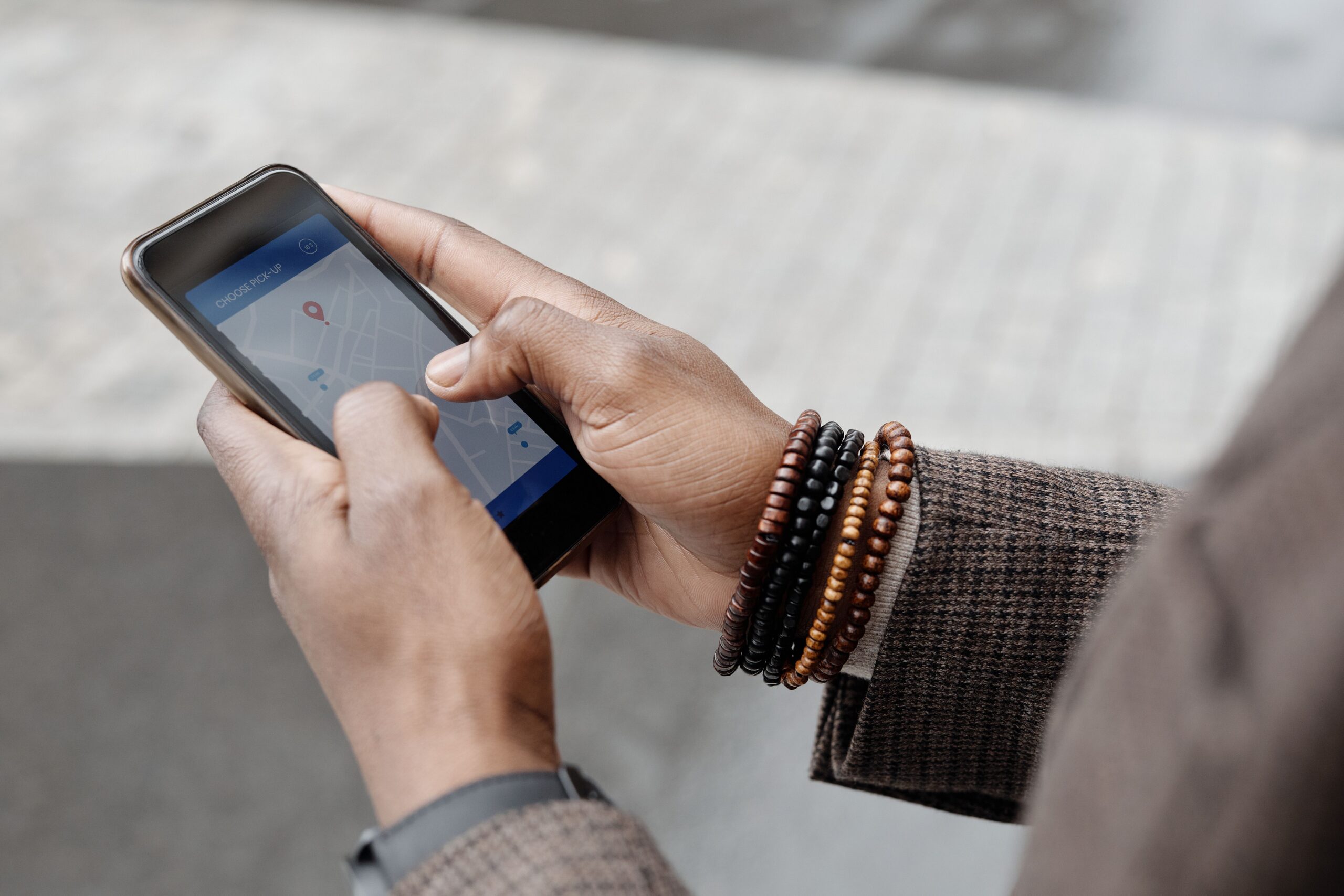
Compare real-time car trackers, anti-theft devices, and options for teen drivers.
Your teen just got their license. Or maybe you’re parked on a street you’re not totally sure about. Either way, the same thought crosses your mind: where is my car right now?
The best GPS trackers for cars are smaller, smarter, and cheaper than ever – but they’re not all built for the same thing. Here’s how to find the right fit.
 TL;DR
TL;DR
Wired directly into your car’s power system, so they run continuously without needing a charge. Discreet, reliable, and a solid choice for anti-theft purposes. Installation takes about 30 minutes, or a quick trip to a shop if you’d rather not do it yourself.
Battery-powered and magnetic, these stick anywhere on your car – under a bumper, in a wheel well, inside a trunk. The most flexible option and the easiest to move between cars. Battery life varies from a few days to a few months depending on how often the device pings its location.
Popular, cheap, and surprisingly useful for casual use – but not a replacement for a dedicated GPS tracker. Instead of real-time updates, AirTags use Bluetooth and Apple’s Find My network to report a location when another Apple device is nearby. Great in a dense city, less reliable in rural areas. Best used as a backup layer, not a primary tracking system.
Bouncie plugs directly into the OBD-II port under your dashboard, the same port mechanics use to run diagnostics. No installation, no wiring. Just plug it in, download the app, and you’re live.
You get real-time location, trip history, speed alerts, and a companion app that consistently ranks among the best for usability. The catch: it’s visible to anyone who looks under the dash, so it’s not ideal if you want a hidden tracker.
What to know: At around $8 a month, Bouncie is one of the most affordable real-time subscription trackers on the market. Best for drivers who want straightforward, reliable monitoring without a complicated setup.
The LandAirSea 54 is wired directly into your car’s power system, so it runs continuously without needing a charge. It’s discreet, reliable, and a solid choice for theft recovery. There’s no visible device for a thief to spot and remove.
Installation takes about 30 minutes if you’re comfortable with basic wiring, or a quick trip to a shop if you’re not.
What to know: Higher monthly cost than OBD options, but the continuous power and discreet form factor make it the go-to for anti-theft use. Pair it with geofencing alerts so you’re notified the moment your car leaves a defined area.
Before you buy anything, it helps to know the landscape. Car tracking devices fall into a few clear categories, and each one has a different sweet spot.
Battery-powered and magnetic, Tracki sticks anywhere on your car – under a bumper, in a wheel well, inside a trunk. It’s the most flexible option and the easiest to move between cars.
Battery life varies from a few days to a few months depending on how often the device pings its location. For anti-theft use, look for a setting that balances update frequency with battery longevity.
What to know: Best for drivers who want a hidden tracker without hardwiring. Just keep an eye on battery life, a dead tracker won’t help you recover a stolen car.
The AirTag approach is popular, cheap, and works surprisingly well for casual use. Instead of real-time GPS, AirTags use Bluetooth and Apple’s Find My network to report a location when another Apple device is nearby.
In a dense city, that’s often enough. In a rural area, the gaps can be long. These work well as a backup layer – not a primary tracking system.
What to know: No monthly fee is the big draw. But if theft recovery or teen monitoring is your goal, the lack of real-time updates is a real limitation. Think of it as a complement to a proper tracker, not a replacement.
MOTOsafety does more than show you where the car is. It monitors how the car is being driven: speed, hard braking, rapid acceleration, and late-night trips. You get real-time alerts when your teen exceeds a set speed or drives past curfew, plus full trip history.
This is the right call if you want to coach your teen on safer habits, not just track their location. The trip history opens up a real conversation about how they’re driving.
What to know: A location-only tracker tells you where the car is. MOTOsafety tells you where it is and how it’s being driven — which is the more useful tool for a new driver.
| Type | Example | Cost |
|---|---|---|
| Real-time (subscription) | Bouncie | ~$8/month |
| Real-time (subscription) | Tracki | ~$20/month |
| Real-time (subscription) | LandAirSea 54 | ~$25/month |
| No subscription | Apple AirTag | ~$29 one-time |
| No subscription | Tile Mate | ~$25 one-time |
| Flexible plans | Optimus 2.0, Rewire Security GPS | Varies |
Most real-time trackers require a monthly plan because they’re constantly pinging cell towers to report location. No-subscription trackers give you location when the device syncs, not in real time. For theft recovery or teen monitoring, that delay matters. For a parked car in a busy area, it might be fine.
If theft recovery is your main concern, the tracker needs to be somewhere a thief won’t immediately find. Common hiding spots:
One practical note: check your local laws before placing a tracker on a car you don’t own. Tracking a vehicle without consent is illegal in many states.
How you drive matters when it comes to your insurance rate, and some trackers can help demonstrate safer driving habits over time.
Many insurers offer programs that reward safer, lower-mileage drivers with better rates. Lemonade’s driver monitoring program works the same way: it looks at how you actually drive, not just your age and zip code. For teen drivers especially, showing a pattern of safe driving can make a real dent in the cost.
If you’re already using a GPS tracker to keep an eye on your teen’s driving, it’s worth exploring whether your insurance can reward those safer habits too.
The best GPS tracker for your car is the one that fits your actual situation. Parent of a new driver? Go with a driving behavior monitor, OBD, and real-time alerts. Worried about theft? Go hardwired or hidden magnetic with geofencing. Just want to know where your car is parked? An AirTag might honestly be enough.
Whatever you choose, make sure it’s actually working for you. Get Lemonade to see how safer driving habits could work in your favor.
Apple AirTag and Tile are the most popular no-subscription options. They don’t offer real-time GPS tracking – they rely on Bluetooth and crowd-sourced networks – but they’re affordable and work well as a backup layer or for tracking a parked car in an urban area.
Common spots for a hidden car tracker include inside the rear bumper, attached magnetically to the undercarriage frame, inside a spare tire compartment, or behind a seat. Make sure the device has a clear enough signal path to report location accurately.
It can, if it helps you demonstrate safer driving habits through an insurance monitoring program. Safer, lower-mileage drivers typically pay less. If you’re already tracking driving behavior, it’s worth checking whether your insurer offers a program that rewards it.
An OBD GPS tracker plugs into your car’s diagnostic port – no tools, no installation. A hardwired tracker connects directly to your car’s power system and is more discreet, but requires basic installation. OBD trackers are easier to set up; hardwired ones are better for anti-theft use cases where you don’t want the device to be found.
It depends on the state and your relationship to the driver. In many states, tracking a vehicle without the owner’s consent is illegal – even if you’re a parent and the driver is a minor. Always check your local laws before installing any vehicle tracking device on a car you don’t solely own.
A few quick words, because we <3 our lawyers: This post is general in nature, and any statement in it doesn’t alter the terms, conditions, exclusions, or limitations of the policies issued, which differ according to your state of residence. You’re encouraged to discuss your specific circumstances with your own professional advisors. The purpose of this post is merely to provide you with info and insights you can use to make such discussions more productive! Naturally, all comments by, or references to, third parties represent their own views, and Lemonade assumes no responsibility for them. Coverage may not be available in all states. Please note that statements about coverages, policy management, claims processes, Giveback, and customer support apply to policies underwritten by Lemonade Insurance Company or Metromile Insurance Company, a Lemonade company, sold by Lemonade Insurance Agency, LLC. The statements do not apply to policies underwritten by other carriers.
Please note: Lemonade articles and other editorial content are meant for educational purposes only, and should not be relied upon instead of professional legal, insurance or financial advice. The content of these educational articles does not alter the terms, conditions, exclusions, or limitations of policies issued by Lemonade, which differ according to your state of residence. While we regularly review previously published content to ensure it is accurate and up-to-date, there may be instances in which legal conditions or policy details have changed since publication. Any hypothetical examples used in Lemonade editorial content are purely expositional. Hypothetical examples do not alter or bind Lemonade to any application of your insurance policy to the particular facts and circumstances of any actual claim.