
Is Your Kid Ready for a Booster Seat?
The checklist parents actually need: weight requirements, height requirements, and how to know if they're mature enough.

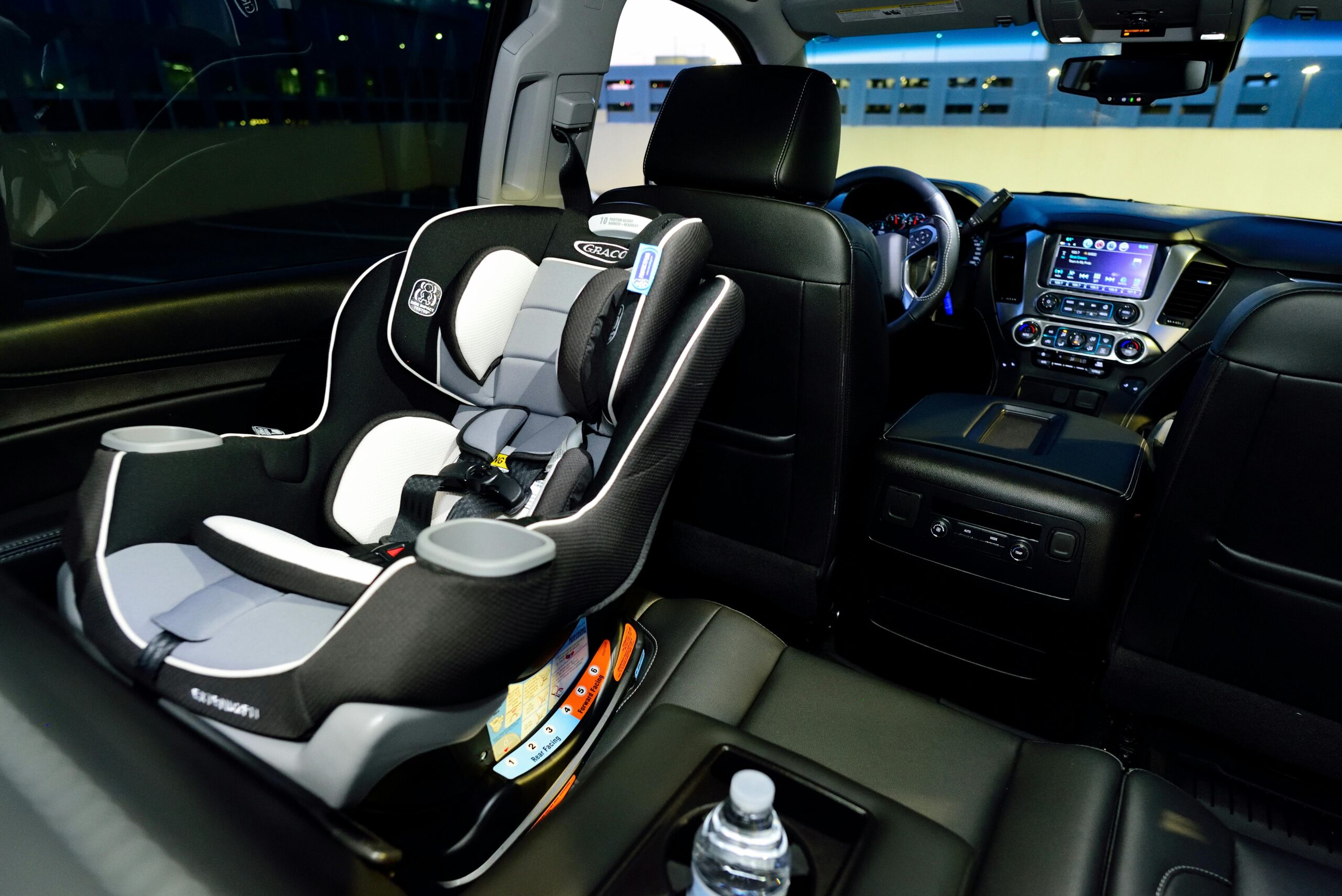
The checklist parents actually need: weight requirements, height requirements, and how to know if they're mature enough.
Booster seat weight requirements start at 40 pounds, but weight is only one piece of the puzzle. Your kid also needs to have outgrown their forward-facing harness seat, and be mature enough to sit correctly for the whole ride. Here’s everything you need to know.
 TL;DR
TL;DR
The general minimum to start using a booster seat is 40 pounds. But here’s what most parents miss: weight alone doesn’t trigger the switch. Your child also has to have actually outgrown their forward-facing harness seat, either by hitting the seat’s maximum height limit or its maximum weight limit, whichever comes first.
So if your kid weighs 42 lbs but still fits within the harness height and weight limits of their forward-facing seat, they should stay in it. More harness time is always safer.
Most booster seats require a child to be at least 40 pounds and around 43–44 inches tall to use one safely. The height requirement matters because a booster works by lifting your child so that the vehicle’s seat belt fits across the right parts of their body. Too small, and the belt won’t land correctly no matter what.
Always check your specific seat’s manual. Minimums can vary slightly by manufacturer and model.
The maximum weight limit depends on the type of booster you’re using:
These ranges exist because manufacturers design and test each seat differently. The number printed on your specific seat is the only one that matters.
The transition from a forward-facing seat to a booster is less about hitting a specific birthday and more about checking a few boxes at once. Your child is ready for a booster when:
The American Academy of Pediatrics (AAP) recommends keeping kids in a harnessed seat for as long as possible, and only moving to a booster once they’ve genuinely outgrown it. There’s no rush.
Size is only part of the equation. Booster seats work by positioning the seat belt correctly, but that only helps if your child keeps it there. Before you switch, make sure your kid can:
If your child tends to fall asleep and slump, fidgets constantly, or pulls the belt out of position, they’re not ready yet, regardless of how much they weigh.
Not all boosters are the same. Here’s a quick breakdown of the main types so you can figure out which fits your child’s stage.
High-back boosters are the right call for younger or smaller kids making the switch from a harness. They provide head and neck support, which is especially helpful in cars without headrests, and they keep the shoulder belt in the right position. High-back booster seat weight limits typically range from 80 to 110 lbs.
Backless boosters work well for older, bigger kids who are close to graduating from a booster altogether. They’re more portable and easier to move between cars. Backless booster seat weight limits usually go up to 100–120 lbs, but they require a vehicle with good head support already built in.
Combination seats pull double duty. They start as a forward-facing seat with a harness, then convert to a belt-positioning booster once your child outgrows the harness. These are a solid long-term investment, especially if you want to avoid buying a separate booster down the road.
All-in-one seats cover the full car seat progression from rear-facing infant through booster mode. They’re convenient and cost-effective over time, though they tend to be bulkier. In booster mode, many are rated to 100–120 lbs.
A belt-positioning booster seat doesn’t have its own harness. Instead, it uses your vehicle’s built-in seat belt and raises your child to the height where that belt fits properly across their body. The lap belt should land across the upper thighs, and the shoulder belt should cross the chest and collarbone, not the neck or face.
This is worth understanding because it’s exactly why the fit matters so much. A seat belt that sits wrong in a crash can cause serious internal injuries, even if the child is buckled in.
Hitting the weight limit is a useful signal that your kid might be ready to move on, but the real trigger is whether they pass the 5-step seat belt fit test. That’s the only way to know the seat belt actually fits them correctly without a booster.
Have your child sit in a regular vehicle seat with no booster, and check all five of these:
If the answer to all five is yes, they’re ready to ride without a booster. If even one is a no, the booster stays.
Many kids don’t reach 4’9″ until they’re 10 or even 12 years old, so if your child still needs a booster at that point, that’s completely fine.
There’s no single federal law here: each state sets its own child passenger safety rules, and they vary quite a bit. Most require booster seats until age 8, but some states tie the cutoff to height or weight instead of age, and a few go further. But keep this in mind: state law is the floor, not the recommendation.
The AAP and NHTSA are consistent on what actually keeps kids safe: stay in a booster until the seat belt fits correctly without one, which for most kids means somewhere around ages 10–12 and 4’9″ tall. A lot of kids who are legally allowed to ditch the booster still need it. The law and the science don’t always line up. Here’s where both organizations agree:
If you’re ever in a crash, your car seat may need to be replaced even if it looks fine. Car seats involved in moderate to severe accidents are typically considered compromised, even without visible damage. Whether your insurance covers the replacement depends on your policy, if you have comprehensive or collision coverage, some policies will reimburse you for a new seat. It’s worth checking with your insurer directly.
If you’re thinking about coverage for your growing family, Lemonade car insurance is worth a look. Straightforward coverage, transparent pricing, and a claims experience that actually works when you need it. Getting a quote takes just a few minutes.
Absolutely. Booster seats reduce the risk of serious injury by 45% for kids ages 4–8, compared to using a seat belt alone, and some studies put that number even higher. The reason is simple: a booster lifts your kid up so the seat belt sits where it’s supposed to. Without one, the lap belt rides up across the stomach and the shoulder belt crosses the neck. In a crash, that’s a problem. Fit isn’t just a technicality. It’s the whole point.
The back seat, always. Children under 13 should ride in the rear seats, even after they’ve graduated from a booster to a seat belt. The back seat is simply the safer place to be.
It depends on the seat. The FAA requires any car seat used on a plane to be certified for aircraft use, check for a label that reads “this restraint is certified for use in motor vehicles and aircraft.” No label? It gets checked as baggage. Some airlines have their own rules on top of that, so a quick check with your carrier before you fly doesn’t hurt.
A few quick words, because we <3 our lawyers: This post is general in nature, and any statement in it doesn’t alter the terms, conditions, exclusions, or limitations of the policies issued, which differ according to your state of residence. You’re encouraged to discuss your specific circumstances with your own professional advisors. The purpose of this post is merely to provide you with info and insights you can use to make such discussions more productive! Naturally, all comments by, or references to, third parties represent their own views, and Lemonade assumes no responsibility for them. Coverage may not be available in all states. Please note that statements about coverages, policy management, claims processes, Giveback, and customer support apply to policies underwritten by Lemonade Insurance Company or Metromile Insurance Company, a Lemonade company, sold by Lemonade Insurance Agency, LLC. The statements do not apply to policies underwritten by other carriers.
Please note: Lemonade articles and other editorial content are meant for educational purposes only, and should not be relied upon instead of professional legal, insurance or financial advice. The content of these educational articles does not alter the terms, conditions, exclusions, or limitations of policies issued by Lemonade, which differ according to your state of residence. While we regularly review previously published content to ensure it is accurate and up-to-date, there may be instances in which legal conditions or policy details have changed since publication. Any hypothetical examples used in Lemonade editorial content are purely expositional. Hypothetical examples do not alter or bind Lemonade to any application of your insurance policy to the particular facts and circumstances of any actual claim.