
Can Babies Get Car Sick? What Parents Need to Know
Yes. Here's how to spot it and what actually helps.

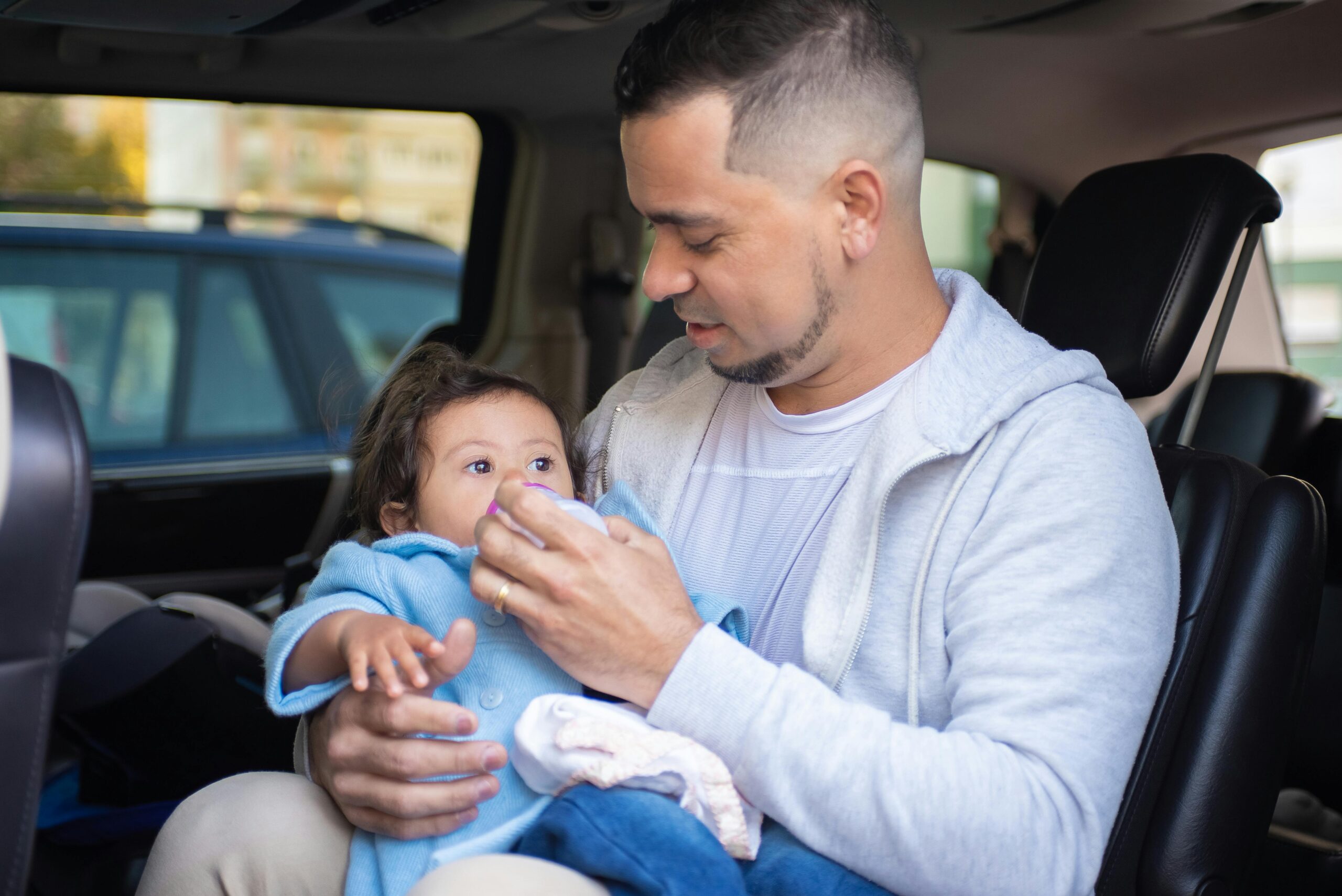
Yes. Here's how to spot it and what actually helps.
Babies can get car sick, though it’s much less common in infants under 12 months than in older kids. If your little one seems consistently miserable in the car, it’s worth knowing whether motion sickness is the culprit and what you can actually do about it.
 TL;DR
TL;DR
Motion sickness is a sensory conflict problem. The brain pieces together where the body is in space using input from the eyes, inner ears, and movement sensors. When those signals disagree, the brain gets confused, and that confusion triggers nausea, dizziness, and vomiting.
In a car, the inner ear feels every turn, stop, and acceleration. But a rear-facing baby is looking at the back seat, not the road. Their eyes aren’t picking up the same motion cues their body is feeling, and that mismatch is exactly what causes car sickness.
A few things make young children especially prone:
Motion sickness is rare in the first year of life. It becomes more common from toddlerhood onward, peaking somewhere between ages 6 and 9, then gradually improving through adolescence. So if you have a young infant who seems uncomfortable in the car, motion sickness is possible. But there are other likely culprits worth ruling out first (hunger, reflux, overtiredness, harness fit).
Family history is one of the stronger predictors. If you or your partner struggled with motion sickness as a kid, your little one may be more likely to as well. It’s not a guarantee, but it’s worth keeping in mind if you’re trying to figure out what’s going on.
This is the question most parents are really trying to answer. The key word is pattern. General fussiness is unpredictable. Car sickness is consistent and tied directly to motion.
Signs that point to car sickness:
Winding roads or stop-and-go traffic make it worse. Smooth, straight driving is less likely to trigger it. Because your baby can’t tell you they feel nauseous, you’re essentially a detective. Look for patterns that show up specifically during car rides and not at other times.
If symptoms continue more than 30 minutes after the ride ends, or fussiness happens regardless of whether you’re driving, it’s worth a call to your pediatrician to rule out reflux or an inner ear issue.
Time the drive around naps. A sleeping baby isn’t processing conflicting sensory signals. If you can leave during a natural sleep window, you’ll likely have a much smoother ride.
Feed 15–20 minutes before you leave. Not right before, and not on an empty stomach. Both extremes can make nausea worse. If your baby is eating solids, stick to something bland and easy to digest.
Keep the car cool. Heat makes nausea worse. Crack a window or keep the air running in the back seat.
Skip screens and books. Anything requiring your little one to focus downward adds to the sensory mismatch. Audio distractions like music, your voice, and familiar sounds are a much better bet.
Take breaks on longer trips. Stop every hour or so, get your baby out of the seat, and let their system reset. Fresh air genuinely helps.
Don’t give it without talking to your pediatrician first. The official Dramamine for Kids label is clear: do not use for children under 2 years of age unless directed by a doctor. If your little one’s car sickness is severe enough that you’re wondering about medication, that’s a conversation for your pediatrician, not a general internet answer. They can assess what’s appropriate for your child’s age and situation.
Most car sickness is unpleasant but not dangerous. That said, call your pediatrician if:
For most kids, yes. Motion sickness tends to improve as the vestibular system matures, and many children who struggled as toddlers have no issues by their teens. In the meantime, the strategies above can make the ride a lot more manageable for everyone in the car.
Car rides with a baby are unpredictable enough. Lemonade car insurance is one thing you don’t have to worry about. Straightforward coverage, easy to manage from your phone. Get a quote in minutes.
A few quick words, because we <3 our lawyers: This post is general in nature, and any statement in it doesn’t alter the terms, conditions, exclusions, or limitations of the policies issued, which differ according to your state of residence. You’re encouraged to discuss your specific circumstances with your own professional advisors. The purpose of this post is merely to provide you with info and insights you can use to make such discussions more productive! Naturally, all comments by, or references to, third parties represent their own views, and Lemonade assumes no responsibility for them. Coverage may not be available in all states. Please note that statements about coverages, policy management, claims processes, Giveback, and customer support apply to policies underwritten by Lemonade Insurance Company or Metromile Insurance Company, a Lemonade company, sold by Lemonade Insurance Agency, LLC. The statements do not apply to policies underwritten by other carriers.
Please note: Lemonade articles and other editorial content are meant for educational purposes only, and should not be relied upon instead of professional legal, insurance or financial advice. The content of these educational articles does not alter the terms, conditions, exclusions, or limitations of policies issued by Lemonade, which differ according to your state of residence. While we regularly review previously published content to ensure it is accurate and up-to-date, there may be instances in which legal conditions or policy details have changed since publication. Any hypothetical examples used in Lemonade editorial content are purely expositional. Hypothetical examples do not alter or bind Lemonade to any application of your insurance policy to the particular facts and circumstances of any actual claim.