
How Much Does a Clutch Replacement Cost?
Your clutch is failing, your wallet is nervous - here's what to actually expect.

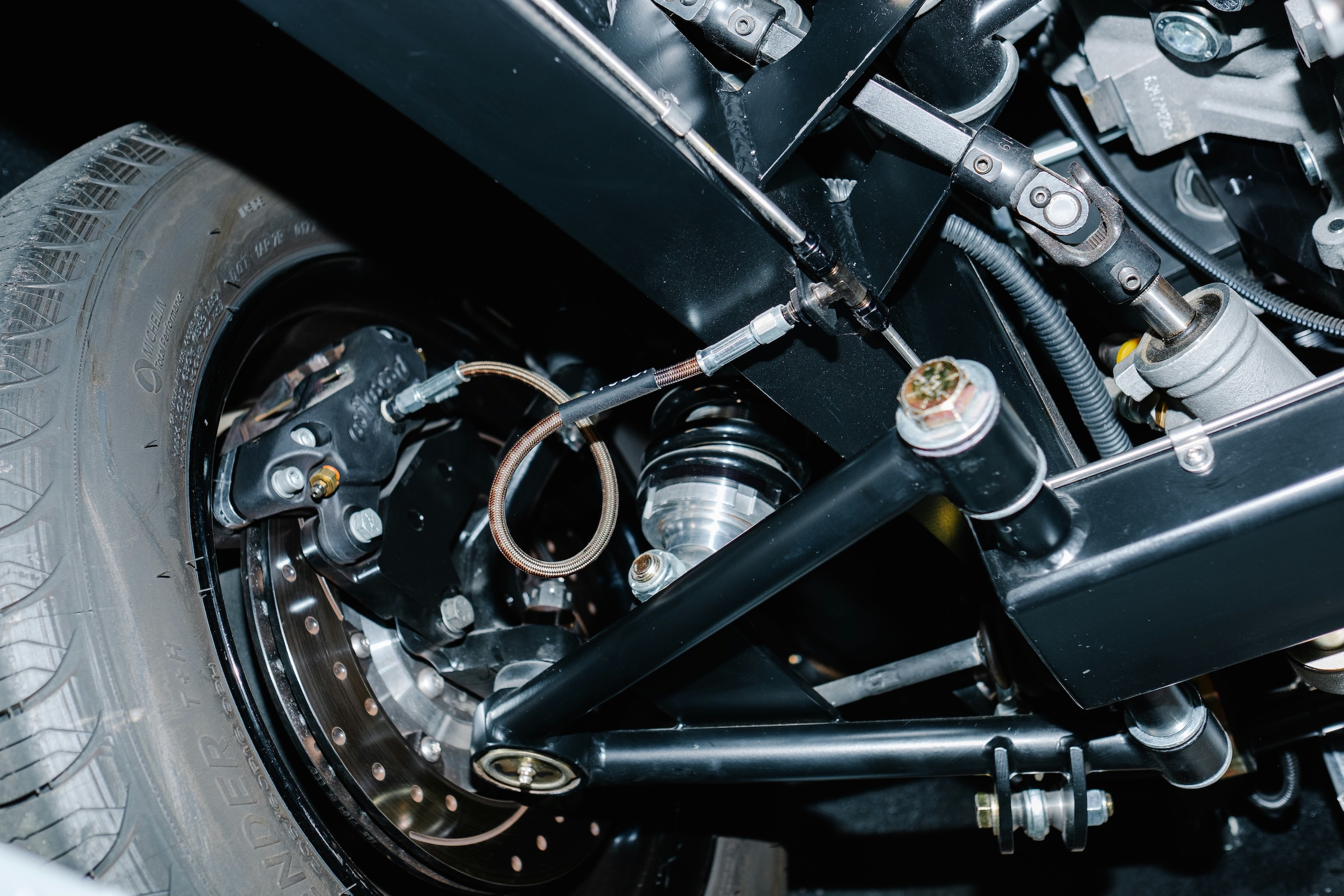
Your clutch is failing, your wallet is nervous - here's what to actually expect.
Clutch replacement typically costs between $1,200 to $2,500, with most drivers paying around $1,800 for parts and labor. The final price depends on your car’s make and model, whether you need additional work like flywheel resurfacing, and local labor rates.
Here’s what determines the cost and what you need to know.
 TL;DR
TL;DR
Your clutch system includes several components that typically get replaced together:
Here’s where things get expensive. Clutch replacement is incredibly labor-intensive because the transmission has to come out to access the clutch system. Most repair shops charge four-eight hours of labor, and at $100-150 per hour, that’s $400-1,200 just for labor.
Dealership vs. independent repair shop rates vary significantly. Dealerships typically charge more but use OEM parts and have specialized tools for your specific vehicle type.
While you’re focused on the clutch itself, smart mechanics often recommend tackling related issues while the transmission is already out.
Several variables can push your clutch replacement cost up or down significantly.
Compact cars like Honda Civics or Toyota Corollas are cheaper to work on than high-performance cars or trucks. A clutch job on a Subaru WRX or Ford F-150 costs more due to complexity and parts pricing.
High-performance clutch systems cost more but last longer if you’re hard on your car. Racing or heavy-duty clutch kits can run $800-1,500 just for parts.
Labor rates in major cities often exceed $150/hour, while rural shops might charge $80-100/hour. Get quotes from multiple places.
Don’t wait until complete clutch failure. Watch for these warning signs:
While some experienced DIYers tackle clutch replacement, it’s genuinely difficult without proper tools and workspace. You need a way to safely support the car while removing the transmission, plus specialized tools for alignment.
Most people save money by shopping around for quotes rather than attempting DIY clutch repair. A botched installation can damage your transmission or create safety issues.
Here’s the reality: standard car insurance (including Lemonade’s car insurance) doesn’t cover clutch replacement due to normal wear and tear. Your clutch is considered a maintenance item, like brake pads or oil changes.
However, if your clutch fails due to a covered incident, like an accident that damages your transmission, your collision coverage might help. If someone hits you and damages your clutch system, their liability insurance should cover repairs.
Comprehensive coverage won’t help with regular clutch failure, but it would cover damage from things like flooding that destroys your clutch system.
The bottom line: budget for clutch replacement as routine maintenance rather than expecting insurance to cover it.
A clutch replacement is a significant expense, but it’s also essential for your car’s safety and performance. Take time to research reputable repair shops, understand what work you actually need, and don’t rush into the cheapest option if it means compromising on quality parts or skilled labor.
Ready to protect your car with insurance that actually makes sense? Lemonade offers transparent coverage that won’t leave you guessing about what’s covered. Get a quote today.
Most clutch jobs take 4-8 hours, depending on your car and whether additional work is needed. You’ll typically be without your car for a full day, sometimes longer if parts need to be ordered.
You can drive short distances carefully, but don’t push it. A slipping clutch can leave you stranded, and continuing to drive can damage other components like your flywheel, making repairs more expensive.
With normal driving, expect 60,000-100,000 miles from a quality clutch. Aggressive driving, frequent stop-and-go traffic, or towing can reduce this significantly. City driving is harder on clutches than highway driving.
If your car is worth more than the repair cost and otherwise reliable, it’s usually worth it. A new clutch can add years to your car’s life. If you’re already planning to replace the car soon, you might want to trade it in instead.
It depends on the flywheel’s condition. If it’s warped, cracked, or has deep grooves, replacement is necessary. At minimum, most shops recommend resurfacing to ensure proper contact with your new clutch disc.
A few quick words, because we <3 our lawyers: This post is general in nature, and any statement in it doesn’t alter the terms, conditions, exclusions, or limitations of policies issued by Lemonade, which differ according to your state of residence. You’re encouraged to discuss your specific circumstances with your own professional advisors. The purpose of this post is merely to provide you with info and insights you can use to make such discussions more productive! Naturally, all comments by, or references to, third parties represent their own views, and Lemonade assumes no responsibility for them. Coverage and discounts may not be available in all states.
Share


Please note: Lemonade articles and other editorial content are meant for educational purposes only, and should not be relied upon instead of professional legal, insurance or financial advice. The content of these educational articles does not alter the terms, conditions, exclusions, or limitations of policies issued by Lemonade, which differ according to your state of residence. While we regularly review previously published content to ensure it is accurate and up-to-date, there may be instances in which legal conditions or policy details have changed since publication. Any hypothetical examples used in Lemonade editorial content are purely expositional. Hypothetical examples do not alter or bind Lemonade to any application of your insurance policy to the particular facts and circumstances of any actual claim.