


- 1. Establish clear rules and consequences from the start
- 2. Use technology to build trust, not create surveillance
- 3. Model the driving behavior you expect
- 4. Create a graduated independence system
- 5. Make communication a two-way street
- 6. Choose your battles and timing wisely
- 7. Leverage insurance and financial incentives
- 8. Know when to step in and when to step back
- 9. Listen to the experts: AKA, your fellow parents of teen drivers
- Building a partnership instead of a battleground
- FAQs
Focus on clear communication, consistent rules, smart technology, and leading by example. With families averaging 4.2 driving-related arguments per month and spending $6,480 annually on teen driving, these strategies help build trust while keeping your most precious cargo safe.
 TL;DR
TL;DR
You’re not alone in feeling stressed, according to a recent Lemonade commissioned survey of 2,000 parents, they rate introducing teens to driving as 6.5 out of 10 on the stress scale. With 93% of parents prioritizing safety over the $6,480 annual cost, here’s your roadmap to success.
The non-negotiables?
- Set clear rules from day one: Stick to them consistently
- Use technology as your ally: 63% of parents embrace monitoring
- Model safe driving behavior: They’re always watching
- Maintain open communication: Transparency prevents arguments
- Choose insurance that rewards safety: Make costs work for you
9 proven strategies to keep your teen driver safe
1. Establish clear rules and consequences from the start
The most successful families set expectations before handing over the keys. With 51% of families arguing about driving, clear boundaries prevent most conflicts before they start.
Your non-negotiable rules should cover the big risks. Always buckle up, no cell phone use while driving, respect speed limits, and maintain safe following distance on every roadway. Make consequences clear and consistent: driving is a privilege, not a right.
Create a written agreement covering curfews, passenger limits, and who pays for gas. When rules are documented, there’s no confusion during those inevitable late-night discussions about whether they can drive to that party.
| Rule category | Specific guidelines | Why it matters |
|---|---|---|
| Phone use | Zero tolerance, phone in glove compartment | Eliminates distracted driving |
| Speed limits | Posted speed is maximum, not target | Prevents tickets and accidents |
| Passengers | Limit friends until experience builds | Reduces distractions |
| Communication | Always report destinations and arrival | Prevents 45% of family arguments |
2. Use technology to build trust, not create surveillance
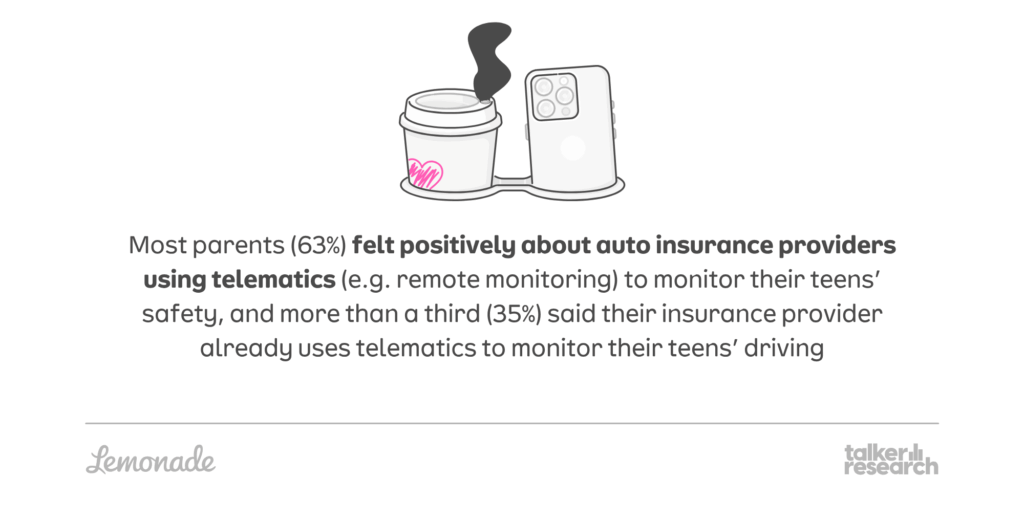
Here’s a mindset shift: 63% of parents embrace telematics monitoring because it builds trust through transparency. Instead of playing detective, use technology to create objective conversations about driving safety.
Location-sharing apps like Find My Friends or Life360 eliminate the “where are you?” arguments that plague 45% of families. Your teen knows you can see their location, which creates accountability without constant check-ins.
Consider telematics programs from insurance companies like Lemonade that track driving behaviors. When your teen sees their own data showing smooth acceleration and low phone use, it reinforces good habits while potentially earning insurance discounts on that $206 monthly premium.
3. Model the driving behavior you expect
Your teen has been watching your driving habits for years. If you want them to slow down in work zones, they need to see you doing it consistently. If you expect them to put their cell phone away, yours better be out of reach too.
Make your safe driving habits visible and explain your decisions. “I’m increasing my following distance because of this rain” teaches defensive driving in real-time. “I’m pulling over to answer this call” reinforces that phones and driving don’t mix.
Remember, they’re more likely to drive safely when they’ve seen safe driving modeled consistently throughout their childhood, not just during formal driving lessons.
4. Create a graduated independence system
Don’t go from passenger seat to complete freedom overnight. The families with the least conflict gradually increase privileges as teens demonstrate responsibility and build experience.
Start with daytime driving in familiar areas, then gradually add night driving, highway driving, and passenger privileges. Each new privilege should be earned through consistent demonstration of safe habits and good judgment.
Weather conditions matter too. A teen who’s mastered driving in perfect conditions isn’t ready for their first snow or heavy rain without additional practice and guidance.
5. Make communication a two-way street
The 60% of families arguing about speed often aren’t having the right conversations. Instead of accusations, ask questions. “I noticed you seemed to brake hard at that light, what was happening?” opens dialogue better than “You need to pay more attention.”
Weekly check-ins about driving experiences help identify problems before they become dangerous. Ask about challenging situations they’ve encountered and discuss better approaches together.
When they make mistakes (and they will) focus on learning rather than punishment. A speeding ticket becomes a teaching moment about consequences rather than just an expensive mistake.
6. Choose your battles and timing wisely
Not every driving mistake needs immediate correction. Constant criticism creates defensive drivers who stop listening to your guidance. Pick the most important safety issues and address those consistently.
Have serious conversations when everyone’s calm, not in the heat of the moment after a close call. Stress and emotion make it harder for teens to process feedback and make lasting changes.
Remember that building safe driving habits takes time. Plenty of time spent in low-stakes practice situations prevents high-stakes disasters later.
7. Leverage insurance and financial incentives
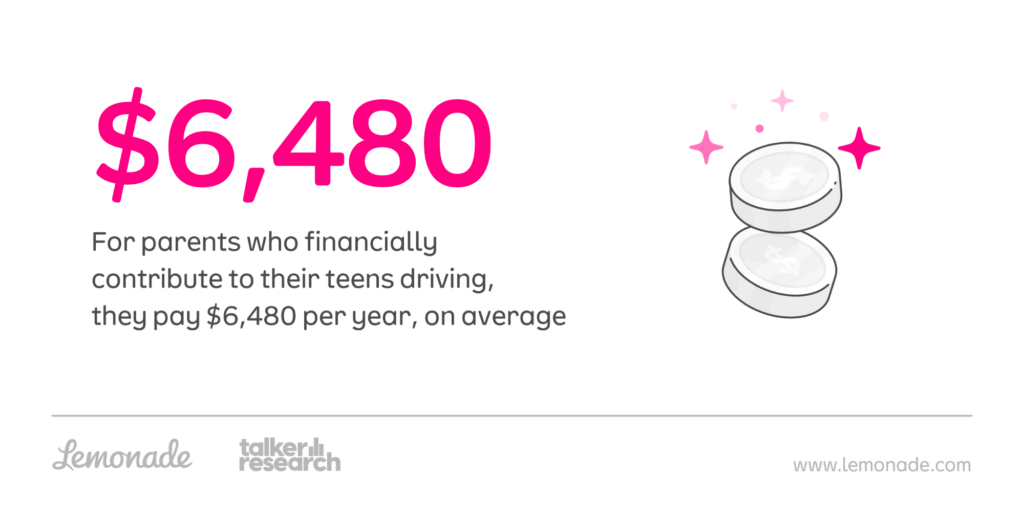
Transform that $6,480 annual expense into motivation for safer driving. Many insurance companies offer discounts for good grades, defensive driving courses, and monitored safe driving habits.
Be transparent about costs. When your teen understands that a speeding ticket doesn’t just mean a fine but also increased insurance premiums, they’re more likely to respect posted speed limit signs and slow down in work zones.
Consider making them responsible for part of the costs, especially for violations. Having skin in the game creates stronger motivation than abstract lectures about safety.
8. Know when to step in and when to step back
Trust your instincts about your teen’s readiness for various driving situations. If they’re not handling basic traffic safely, they’re not ready for complex highway driving or bad weather conditions.
Don’t hesitate to restrict privileges if safety concerns arise. A few weeks of limited driving is better than a lifetime of regret. Law enforcement and traffic safety experts agree that graduated licensing exists for good reasons.
At the same time, recognize when your teen has earned more freedom through consistent safe choices. The goal is independence, and over-controlling can create resentment that undermines safety goals.
9. Listen to the experts: AKA, your fellow parents of teen drivers
1,444 parents from our survey shared their top advice for smoother teen driving experiences, and clear patterns emerged from those who’ve successfully navigated this challenging transition.
Patience trumps everything else. The overwhelming theme from experienced parents was staying calm under pressure. As one parent explained: “My number one tip would be: stay calm and patient, no matter what happens. Teens pick up on your energy—if you’re tense or snapping at them, they’ll get more nervous. But if you keep your cool, give clear instructions, and let them make small mistakes without blowing up, they’ll learn faster and feel more confident behind the wheel.”
Another parent reinforced this with practical wisdom: “Stay calm and patient during practice, because your teenager will mirror your attitude. If you’re relaxed and encouraging, they’ll feel more confident and less stressed behind the wheel.”
Safety first, but with understanding. Parents consistently emphasized teaching defensive driving while acknowledging that teens will make mistakes. “Tell them to be vigilant and watch out for other people driving. Not everyone can drive well and some people make poor choices while driving,” shared one experienced parent.
The key is balancing safety awareness with patience: “Teach them all the basics, and yes they’ll mess up, but remember they’re kids, that’s what they’re supposed to do. Instead of worrying like crazy—trust them and enjoy your quiet time with no kids/one less kid at home while they’re gone!”
Open communication prevents bigger problems. Many parents stressed the importance of creating an environment where teens feel safe discussing close calls and mistakes. “Be sure to leave open communication. Let your kids feel that they can tell you they had a close call when driving, their fault or not. Them being open would allow you to go over with them what to do in the future to prevent it.”
Consistency in rules and guidance matters. Parents who found success emphasized clear expectations paired with calm enforcement: “Stay patient, set clear rules, practice often, communicate calmly, and reinforce good habits. Consistency and guidance make teen driving smoother and safer.”
The bottom line from parents who’ve been there? Your teen mirrors your energy. Stay calm, set clear safety expectations, and maintain open communication channels. They’re learning not just how to drive, but how to handle responsibility under pressure.
Building a partnership instead of a battleground
The most successful families transform teen driving from a source of conflict into an opportunity to build trust and demonstrate maturity. When you combine clear expectations, smart technology, and open communication, you create an environment where safe driving becomes the natural choice.
Remember that 96% of parents actively work on teen safety, and 83% became MORE safety-conscious after their teen started driving. You’re part of a community of parents navigating this challenging transition together.
Technology can be your ally in this process. Insurance companies like Lemonade offer telematics programs that provide objective data about driving habits, potentially earning discounts while reinforcing safe behaviors. When teens see their own data proving they drive safely, it builds confidence and trust.
Safe teen driving starts with smart parenting
Your $6,480 annual investment in your teen’s driving isn’t just about transportation, it’s about teaching responsibility, building trust, and keeping your most precious cargo safe. The families who navigate this successfully combine patience with structure, technology with communication.
Smart insurance choices can support your parenting goals rather than just covering mistakes after they happen. Lemonade’s car insurance uses AI-powered telematics to track safe driving behaviors like maintaining proper following distance and avoiding harsh braking. When your teen demonstrates consistently safe habits, you both benefit from lower premiums and greater peace of mind. Get a quote today and see how the right insurance can help your family drive safely and save money.
FAQs: Common questions from parents of teen drivers
Should I be in the car for every driving session when my teen is learning?
Supervised practice is crucial early on, but gradually reduce your presence as they demonstrate competency. The goal is building independent decision-making skills while ensuring safety.
How do I handle disagreements about where my teen can drive?
Start with clear geographical boundaries and expand them as experience builds. Use location-sharing apps to maintain awareness without constant check-ins that create conflict.
Is it worth investing in a monitoring system for my teen's car?
63% of parents find monitoring helpful for building trust and identifying areas for improvement. Many insurance programs offer discounts for participation, making the investment pay for itself.
What should I do if my teen gets a speeding ticket?
Use it as a teaching moment about consequences. Make them responsible for the financial impact and discuss what led to the poor decision-making that resulted in the violation.
How can I tell if my teen is ready for more driving independence?
Look for consistent demonstration of safe habits over several months, good judgment in challenging situations, and open communication about driving experiences and concerns.
A few quick words, because we <3 our lawyers: This post is general in nature, and any statement in it doesn’t alter the terms, conditions, exclusions, or limitations of policies issued by Lemonade, which differ according to your state of residence. You’re encouraged to discuss your specific circumstances with your own professional advisors. The purpose of this post is merely to provide you with info and insights you can use to make such discussions more productive! Naturally, all comments by, or references to, third parties represent their own views, and Lemonade assumes no responsibility for them. Coverage and discounts may not be available in all states.
Share


