

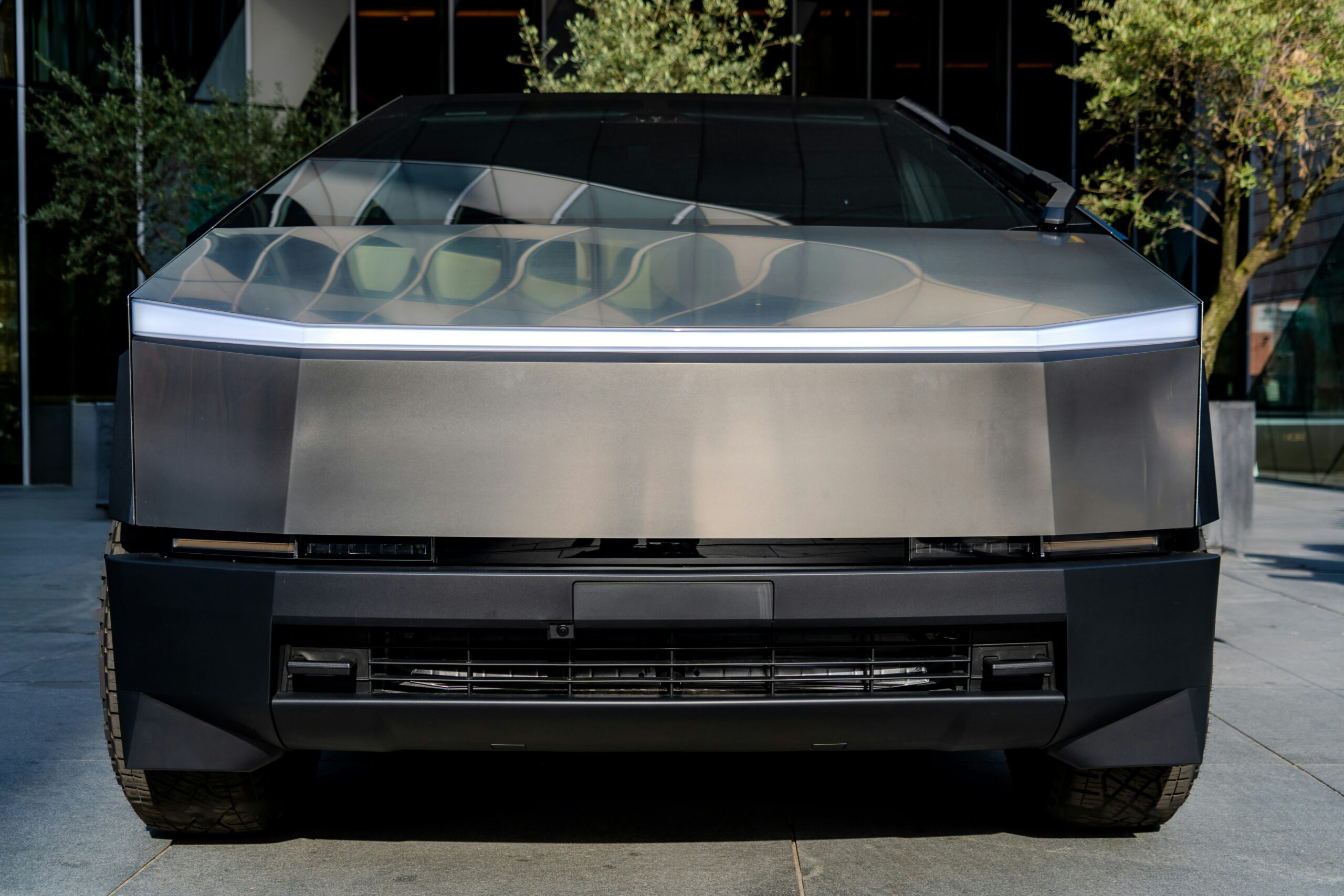
Self-driving levels are a way to classify how much a car can drive itself, from basic driver assistance to fully autonomous vehicles that need no human input.
 TL;DR
TL;DR
- Six levels exist: SAE levels 0-5 range from no automation to full self-driving, with most cars today at Level 1-2. Think of it like a ladder, where each level adds more automation.
- Level 2 is current reality: Tesla FSD, Super Cruise, and similar systems require constant human monitoring despite advanced features
- Level 3 is rare but emerging: Mercedes and Honda offer limited “eyes-off” systems in specific conditions, representing true conditional automation
- Level 4+ is the future: Waymo and Tesla robotaxis show Level 4 potential in limited areas, while Level 5 full automation remains years away
- Safety drives adoption: Higher automation levels reduce crashes caused by human error, with Tesla’s FSD showing 52% fewer accidents than manual driving
Level 0: No automation
What it means: You do all the driving tasks yourself. The car has no driver assistance systems to help with steering, braking, or acceleration.
What you’ll find: Older vehicles without modern safety features. No adaptive cruise control, no automatic emergency braking, no lane-keeping assistance.
Your role: Full control of everything: you’re completely responsible for staying in your lane, maintaining safe speeds, and avoiding obstacles.
Most cars built before 2010 fall into this category, though some basic vehicles today still offer minimal automation features.
Level 1: Basic driver assistance
What it means: The car can help with either steering OR speed control, but not both at the same time.
Common features:
- Adaptive cruise control that maintains distance from the car ahead
- Lane departure warning that alerts you when drifting out of your lane
- Automatic emergency braking that stops the car if a collision is imminent
- Blind spot monitoring that warns about vehicles in your blind spots
What you’ll find: Most new cars from automakers like Ford, BMW, Volvo, and others include these basic driver assistance systems as standard equipment.
Your role: You handle all driving tasks except for the one function the system is managing. You must keep your hands on the steering wheel and pay full attention.
Level 2: Partial automation
What it means: The car can control both steering and speed simultaneously, but you must monitor everything and be ready to take over instantly.
Common systems:
- Tesla Autopilot and Full Self-Driving (FSD)
- GM’s Super Cruise
- Ford’s BlueCruise
What they do: These systems can keep you centered in your lane, maintain safe following distances, and even change lanes when you signal. Some work only on highways, while others like Tesla’s FSD can handle city streets.
Your role: Even though it’s hands-off in some cases, you must maintain driver attention and be ready to take full control immediately. Many systems use driver monitoring to ensure you’re paying attention.
This is where most advanced self-driving cars are today, including Tesla vehicles and premium options from traditional automakers.
Level 3: Conditional automation
What it means: The car can drive itself completely in specific conditions, and you can take your eyes off the road, but you must be ready to take over when the system asks.
An example of a level 3 automated system is Mercedes-Benz Drive Pilot (available in select roadways in CA and NV).
How it works: These level 3 vehicles operate only in specific situations, usually highway traffic jams or certain geofenced areas where the technology has been thoroughly tested.
Your role: You can read, use your phone, or relax while the system is active, but you must respond quickly when it requests you take control. This is true conditional driving automation.
Level 3 is still rare because of technical challenges and regulatory hurdles, but it represents a major step toward full autonomy.
Level 4: High automation
What it means: The car drives completely on its own within specific areas or conditions, with no human input needed. If something goes wrong, the car handles it safely without requiring human intervention.
How it works: These driverless vehicles operate in carefully mapped, geofenced areas where they’ve been extensively tested. They can handle all weather conditions and traffic situations within their operational zone.
Your role: You’re just a passenger. The vehicle takes full responsibility for safe operation within its designated area.
Level 4 systems represent true autonomous driving, though limited to specific roadways or geographic regions.
Level 5: Full automation
What it means: Complete autonomous driving everywhere, under all weather conditions and traffic situations. No steering wheel needed.
Current reality: No Level 5 vehicles exist today. This represents the ultimate goal of fully autonomous vehicles that can drive anywhere a human can.
The vision: These vehicles would work on any roadway, in any weather conditions, handling every possible driving scenario without human input or supervision.
What are the benefits of higher levels of automation?
The number one benefit? Safety. Humans are imperfect drivers, we get tired, check our phones, and make emotional decisions. The ultimate goal of autonomous cars is to operate with consistent precision that never wavers, regardless of weather conditions or traffic complexity.
The safety benefits increase at each level. Tesla’s FSD data shows a 52% overall crash reduction when active, with even better results on city streets where human error is most common. Higher automation levels promise even greater safety improvements by removing human decision-making from complex driving scenarios.
Beyond safety, automation improves quality of life. Traffic jams become an opportunity for productivity when your car handles stop-and-go driving. Long road trips become less tiring with advanced driver assistance managing highway cruising. For elderly or disabled individuals, higher automation levels can extend independence and mobility.
The economic benefits extend to society too. More efficient traffic flow reduces fuel consumption and emissions. Fewer accidents mean lower healthcare costs and insurance premiums. As robotaxis expand, transportation costs could decrease significantly, especially in urban areas where parking and maintenance are expensive.
What this means for insurance
As cars become more autonomous, insurance is evolving too. At Lemonade, we’re already adapting with Lemonade Autonomous Car insurance for Tesla drivers using FSD technology.
We offer 50% off every mile driven in FSD mode because Level 2 systems like Tesla’s show measurable safety improvements over manual driving. As Level 3 and Level 4 systems become more common, we expect to extend similar benefits to other autonomous driving technologies. And as these miles get safer, our prices will get lower.
The bottom line
Self-driving levels provide a clear framework for understanding vehicle automation, from basic driver assistance to fully autonomous cars. Most vehicles today offer Level 1 or Level 2 functions, while true driverless cars (Level 4) are limited to specific testing areas.
As these technologies advance, having insurance that recognizes the safety benefits of autonomous driving becomes increasingly valuable. Whether you’re driving a current Level 2 vehicle or planning for future automation, understanding these levels helps you make informed decisions about both vehicle features and coverage needs.See how Lemonade can protect you as self-driving technology continues evolving.
Self-driving levels FAQs
What's the difference between Level 2 and Level 3 self-driving?
Level 2 requires you to monitor the road constantly and be ready to take control instantly, while Level 3 lets you look away and do other things, though you must respond when the car asks you to take over.
Are Level 5 self-driving cars available today?
No, Level 5 vehicles don’t exist yet. The most advanced systems today are Level 4, operating in limited geographic areas like Waymo’s robotaxis.
Which level does Tesla Autopilot represent?
Tesla Autopilot and FSD are Level 2 systems. Despite the name “Full Self-Driving,” they still require constant driver supervision and readiness to take control.
Why don't all cars have the highest level of automation?
Higher levels require extremely sophisticated and expensive technology, extensive regulatory approval, and solutions to complex technical challenges that haven’t been fully solved yet.
How do I know what level my car has?
Check your owner’s manual or contact your automaker. Most consumer vehicles today are Level 0, 1, or 2. Very few Level 3 vehicles are available, and Level 4+ systems aren’t sold to consumers yet.
A few quick words, because we <3 our lawyers: This post is general in nature, and any statement in it doesn’t alter the terms, conditions, exclusions, or limitations of policies issued by Lemonade, which differ according to your state of residence. You’re encouraged to discuss your specific circumstances with your own professional advisors. The purpose of this post is merely to provide you with info and insights you can use to make such discussions more productive! Naturally, all comments by, or references to, third parties represent their own views, and Lemonade assumes no responsibility for them. Coverage and discounts may not be available in all states.
Share


