
How Much Does Serpentine Belt Replacement Cost?
What you'll pay for replacement, signs that yours is failing and serpentine belt repair tips.

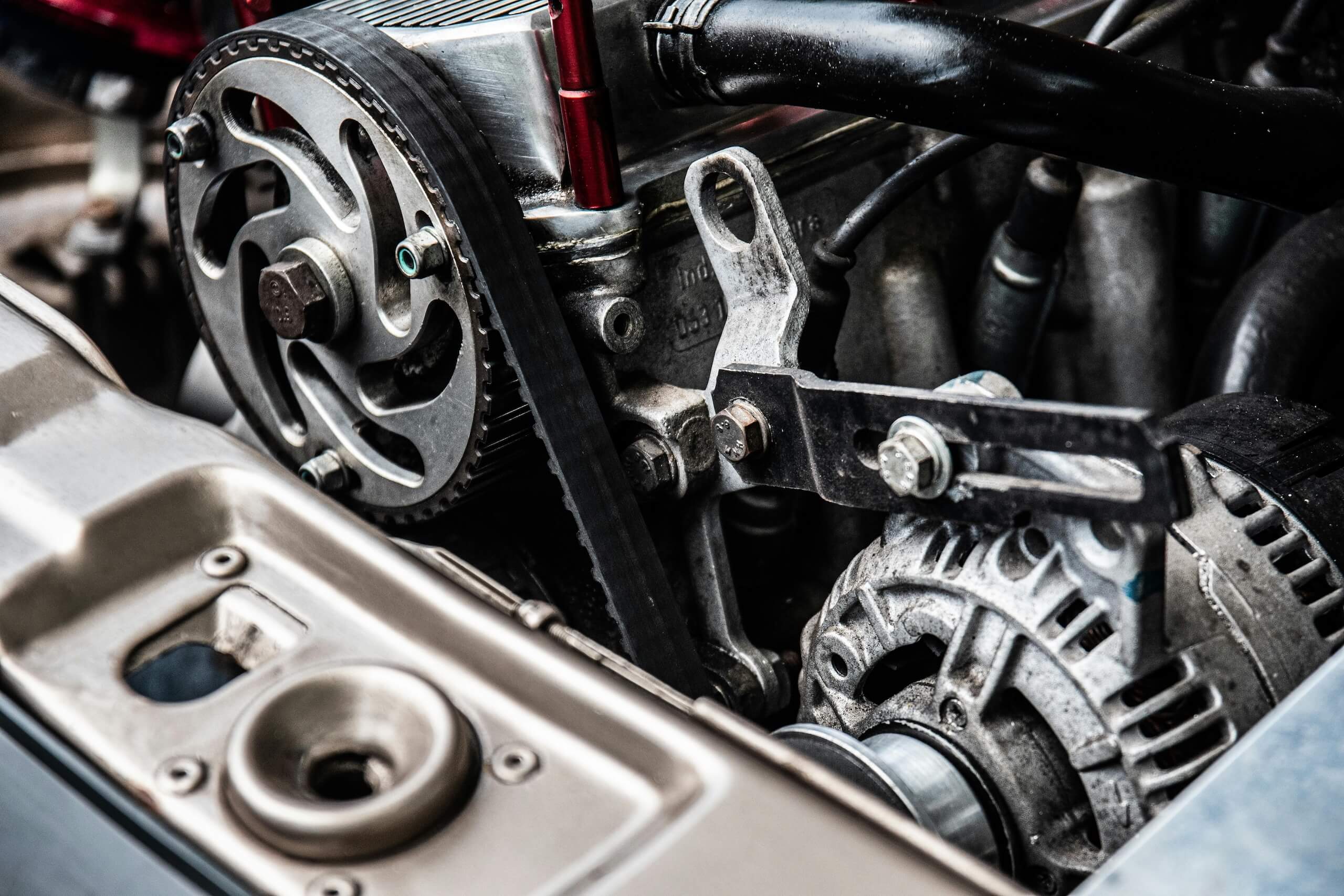
What you'll pay for replacement, signs that yours is failing and serpentine belt repair tips.
Serpentine belt replacement typically costs between $70 and $250 total, with the belt itself running $25-$75 and labor adding another $50-$200. The final price depends on your car’s make, where you get it fixed, and how hard the belt is to reach in your engine bay.
Here’s what determines the cost and what you need to know.
 TL;DR
TL;DR
A serpentine belt is the single, long belt that snakes around pulleys in your engine bay to power multiple systems. Unlike older cars that used several separate belts (fan belts, alternator belts, V-belts), modern vehicles rely on this one drive belt to keep everything running.
It powers your:
When this belt fails, multiple systems go down at once, which is why catching problems early matters.
Here’s a closer look at the cost details, so you’ll know what to expect when you head into the shop:
The belt itself is relatively affordable. Economy cars like basic Toyota models sit at the lower end, while luxury vehicles or specialty automotive parts push toward $75. Some belts come with longer warranties or better materials that extend their lifespan, so ask your mechanic about options.
This is where pricing gets variable. Labor depends on:
Most mechanics can complete this auto repair in under an hour for standard vehicles.
Sometimes you’ll need more than just the new belt:
A good mechanic will check these components during replacement and let you know if anything else needs attention.
Dealerships charge premium rates, often 20-40% more than independent shops, but offer factory-trained mechanics and genuine parts. For newer cars under warranty or complex luxury vehicles, this expertise might be worth the extra cost.
Independent shops provide solid work at lower prices. Most serpentine belt replacements are straightforward enough that any qualified mechanic can handle them well. Just check reviews and ask about their warranty on the repair work.
Don’t wait for complete failure. Watch for these warning signs:
That high-pitched squeal when you start your car or turn the wheel usually means your belt is slipping. Could be a loose belt, worn belt tensioner, or a fraying belt ready to snap.
Your battery light, check engine light, or other warning lights might appear if the alternator isn’t getting power from a failing belt.
If your belt powers the water pump and fails, your coolant won’t circulate properly. This leads to overheating fast.
Difficulty turning the wheel, especially at low speeds, often points to belt issues affecting your power steering pump.
Pop your hood and look. Signs of wear include cracking, fraying edges, missing chunks, or a shiny, glazed appearance.
Most serpentine belts last 60,000-100,000 miles, but this varies based on:
Check your owner’s manual for scheduled maintenance intervals, many manufacturers recommend inspection around 60,000 miles.
Standard car insurance doesn’t cover routine maintenance or normal wear-and-tear items like serpentine belt replacement. However, you might have coverage if:
For day-to-day maintenance and repair costs, you’re typically on your own. That’s why having reliable auto care and budgeting for scheduled maintenance matters.
Get the most miles from your new serpentine belt:
Serpentine belt replacement isn’t glamorous, but it keeps essential systems running. The average cost of $70-$250 is reasonable compared to the expense and hassle of being stranded with a dead alternator, overheated engine, or failed air conditioning.
When you’re ready to protect your car with coverage that actually makes sense, check out what Lemonade’s car insurance can do for you. We’re built to make car care simpler, not more complicated.
Most belts last 60,000-100,000 miles, but check your owner’s manual for specific intervals. Inspect it during regular oil changes, if you see cracking, fraying, or glazing, it’s time for a new one regardless of mileage.
Don’t risk it. A broken belt means no alternator (dead battery), no power steering (hard to control), and possibly no water pump (engine overheating). You might make it a few miles, but you’re risking major engine damage.
A serpentine belt powers external accessories like your alternator and A/C compressor. A timing belt controls internal engine timing between the crankshaft and camshaft. Both are important, but timing belt failure can destroy your engine while serpentine belt failure just leaves you stranded.
Ask your mechanic to check the belt tensioner and idler pulleys. If they’re worn, replace them with the belt as this could save on labor costs and prevents premature belt failure.
Get quotes from 2-3 shops. For most cars, total costs above $300 are excessive unless you need additional parts like tensioners or pulleys. The repair shouldn’t take more than an hour for standard vehicles.
A few quick words, because we <3 our lawyers: This post is general in nature, and any statement in it doesn’t alter the terms, conditions, exclusions, or limitations of policies issued by Lemonade, which differ according to your state of residence. You’re encouraged to discuss your specific circumstances with your own professional advisors. The purpose of this post is merely to provide you with info and insights you can use to make such discussions more productive! Naturally, all comments by, or references to, third parties represent their own views, and Lemonade assumes no responsibility for them. Coverage and discounts may not be available in all states.
Share


Please note: Lemonade articles and other editorial content are meant for educational purposes only, and should not be relied upon instead of professional legal, insurance or financial advice. The content of these educational articles does not alter the terms, conditions, exclusions, or limitations of policies issued by Lemonade, which differ according to your state of residence. While we regularly review previously published content to ensure it is accurate and up-to-date, there may be instances in which legal conditions or policy details have changed since publication. Any hypothetical examples used in Lemonade editorial content are purely expositional. Hypothetical examples do not alter or bind Lemonade to any application of your insurance policy to the particular facts and circumstances of any actual claim.