

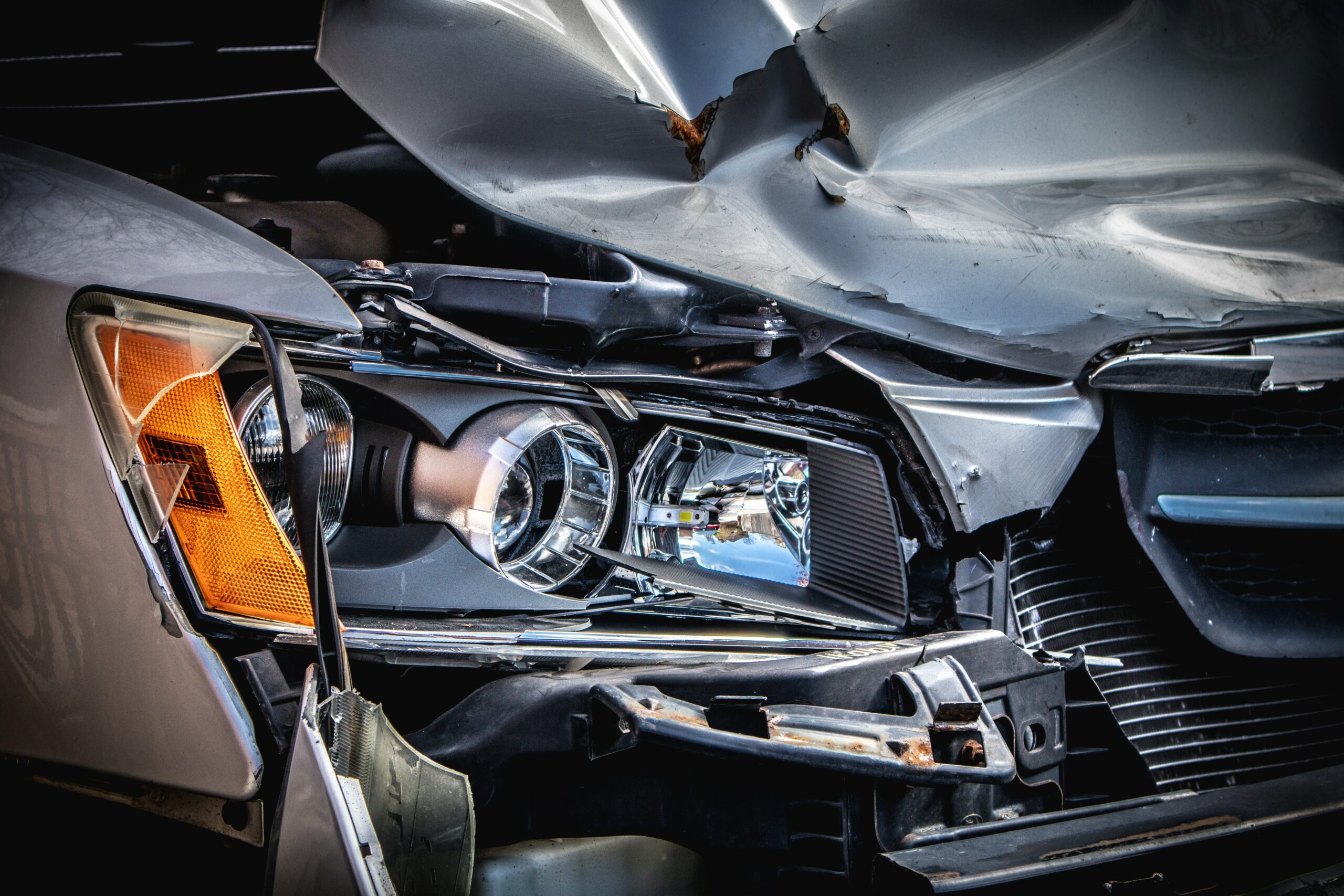
The humans behind the wheel are responsible.
 TL;DR
TL;DR
- Human drivers are at fault: Most autonomous cars today need you watching them constantly, so if you zone out or misuse driver assistance systems, you’re likely responsible
- Car manufacturers face liability for defects: When self-driving systems actually break or don’t work as promised, automakers can be on the hook
- Shared fault is common: Self-driving car crashes split responsibility between human error, tech failures, and other drivers
- Car insurance is catching up: Your regular liability insurance still covers these accidents, but specialized coverage like Lemonade’s Autonomous Car insurance recognizes that autonomous driving tech is often safer… and rewards Tesla drivers with 50% discounts on those miles
Not all autonomous cars are the same
Before we get into who’s responsible, it helps to know that self-driving vehicles work differently. The National Highway Traffic Safety Administration (NHTSA) recognizes different automation levels:
Level 2: Tesla Autopilot and FSD. You still need to pay attention and keep your hands on the steering wheel.
Level 3: The automated vehicle handles most stuff but might hand control of the vehicle back to you.
Level 4-5: Fully driverless cars like Waymo that don’t need human oversight at all.
The automation level matters because it determines who should be in control when self-driving car accidents happen.
How fault actually gets decided in autonomous car crashes
Right now, it’s mostly about the human driver since most automated cars still need supervision. But car manufacturers and software developers can share blame when their self-driving systems contribute to accidents.
Humans are the responsible party (for now)
Since Level 2 automation dominates today, human drivers are the main responsible party in most self-driving car crashes. You’re likely at fault if you:
- Weren’t monitoring the automated driving system: Current self-driving technology requires you to stay alert. Hands on the steering wheel, eyes on roadways, etc. Skip that, and you’re liable
- Misused driver assistance features: Using highway-only systems on city streets? That’s on you
- Got distracted: Texting, drinking, or napping while autonomous driving features operate makes you responsible, even with autopilot engaged
- Ignored self-driving system warnings: Most systems tell you when to take over. Miss those alerts, and fault shifts to you
Ask yourself: Were you doing what the automated driving system required? If not, you’ll probably bear some or all responsibility for the autonomous vehicle crash.
When manufacturers and developers are at fault
Car makers and software developers can face liability when their self-driving systems actually fail. This’ll probably increase as driverless vehicles become more common.
Current scenarios where vehicle manufacturers are liable:
- Software bugs or hardware malfunctions under normal conditions
- Poor warnings that confuse human drivers about what the self-driving system can do
- Sensors that miss obvious hazards in good weather
Software developers face responsibility for bad artificial intelligence algorithms or releasing untested code to autonomous cars. As AI takes more control, their liability will grow.
Other stuff that contributes to auto accidents
Regular accident causes still matter: reckless drivers, pedestrians jumping into traffic, bad road design, missing signs that confuse both self-driving technology and humans. Sometimes government agencies share fault for poor roadway conditions.
Shared fault is common in autonomous car accidents
Many self-driving car crashes involve multiple responsible parties. Courts and insurance companies split fault by percentage:
- 60% to the human driver who ignored self-driving system warnings
- 30% to the automaker for bad sensor design
- 10% to another driver who caused the initial problem
This reflects how complex these autonomous car accidents are, human error and vehicle technology failures often both contribute.
How car insurance handles self-driving car accidents
The insurance world is adapting, and Lemonade is recognizing that autonomous cars are actually safer, with Tesla data showing 52% fewer crashes compared to manual driving. That’s why we’re offering the first-to-market Lemonade Autonomous Car insurance in select states.
This coverage isn’t just about being cutting-edge — it’s about reflecting reality. Tesla owners with eligible automated vehicles (Hardware 4.0+) can connect their Tesla directly to their Lemonade policy and get 50% off FSD-driven miles. It’s a real discount that matches the actual safety benefits of the technology.
Your regular liability insurance still covers self-driving car accidents whether autonomous features were on or off, but specialized coverage like this acknowledges that different driving modes carry different risks, and rewards you when you’re using the safer one.
The bottom line
When self-driving car accidents happen, fault comes down to whether the human driver was doing their job: staying alert and ready to take control. As the technology gets better and more autonomous, we’ll probably see liability shift more toward manufacturers and software developers.
Your regular car insurance covers you whether you’re driving manually or using autopilot. But if you’re a Tesla owner, why not get rewarded for using safer technology? Get a quote and see how Lemonade can help you save.
Liability FAQs
Do I need special car insurance for a self-driving vehicle?
Nope. Regular liability insurance covers autonomous car accidents just like any other crash. But specialized products like Lemonade Autonomous Car insurance offer real benefits for Tesla owners, including discounted rates for safer self-driving miles.
What if a fully autonomous car hits me and there's no human driver?
With truly driverless vehicles, liability usually falls on car manufacturers, software developers, or fleet operators.
How do courts split fault between self-driving technology and human error?
They assign percentages to each responsible party. Maybe the human driver gets 70% fault for not taking control of the vehicle, while the automaker gets 30% for a sensor malfunction.
A few quick words, because we <3 our lawyers: This post is general in nature, and any statement in it doesn’t alter the terms, conditions, exclusions, or limitations of policies issued by Lemonade, which differ according to your state of residence. You’re encouraged to discuss your specific circumstances with your own professional advisors. The purpose of this post is merely to provide you with info and insights you can use to make such discussions more productive! Naturally, all comments by, or references to, third parties represent their own views, and Lemonade assumes no responsibility for them. Coverage and discounts may not be available in all states.
Share


