


Moving into a new home is exciting-but it can be overwhelming. There are boxes to pack, address changes to make, and endless lists running through your mind. Knowing exactly what to do (and in what order) makes the process easier.
Follow this step-by-step guide to stay organized from your old front door all the way to the first night in your new space.
What to do before you move
Preparation is the key to a smooth move. The tasks you handle before moving day set you up for an easier transition.
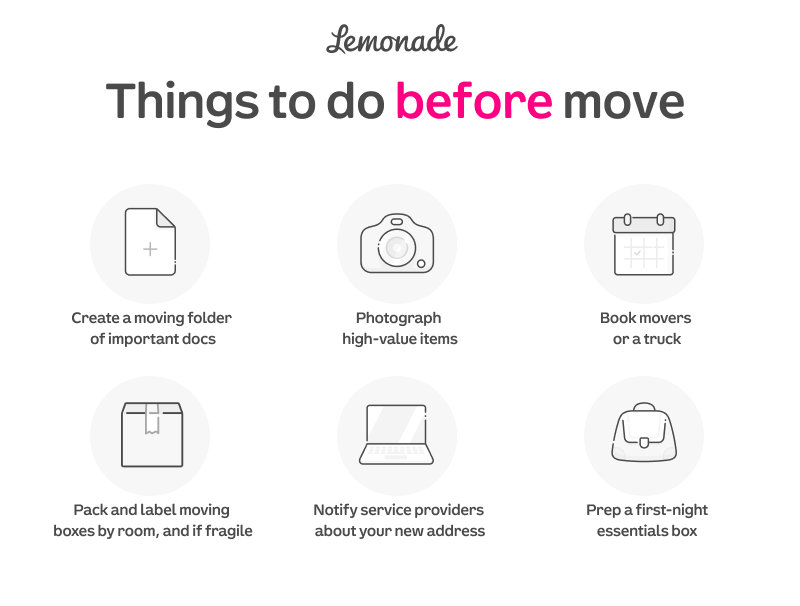
Organize your documents and valuables
- Create a move folder – Store quotes, receipts, floor plans, and key info in one place (digital or physical)
- Photograph high-value items – For insurance purposes or future reference
- Make an inventory list – Document all your items to track what you’re moving
Declutter your current home
- Purge unneeded items – Donate, sell, recycle, or trash what you don’t want to bring
- Host a sale – Set up a garage sale or list things online
- Book junk removal – Schedule a haul-away service if needed
Choose and book your moving method
- Hire movers or rent a truck – Compare quotes and book 4-8 weeks in advance
- Pick your move type:
- Full-service movers – Most convenient
- DIY truck rental – Budget-friendly but labor-heavy
- Moving containers – You pack; they deliver
- Labor-only movers – Help loading/unloading if you’re renting the truck
- Shipping – Good for small or long-distance moves
Handle transfers and address changes
- Set utility shut-off/transfer dates – Notify electric, gas, internet, and cable providers
- Transfer or cancel subscriptions – Remember to update magazines, meal kits, and other services
- Notify insurance companies – Update homeowner’s insurance, auto insurance, etc.
- Find nearby schools – If applicable, make sure your children’s schools are confirmed
- Update your address – Notify USPS and your bank
Gather supplies and prep essentials
- Buy moving supplies – Boxes, packing tape, labels, bubble wrap
- Label boxes well – Mark priority or fragile items clearly
- Line up help – Plan childcare or pet care for moving day
- Measure new rooms – Make sure big furniture will fit
- Pack a “first night” box:
- Essentials – Toiletries, medications, chargers, and documents
- Comfort – Toilet paper, snacks, paper towels, wipes
- Basics – Change of clothes and a few kitchen tools
Set up homeowners insurance for your new home
Your homeowners insurance policy needs to be in place before you get the keys — most mortgage lenders require proof of coverage before closing. Even if you’re paying cash, it protects your home and belongings from day one.
Here’s what to do before you move regarding insurance:
- Shop for homeowners insurance 30 days before closing – this gives you enough time to compare quotes, understand coverage options, and select a policy without last-minute pressure
- Secure your policy 7–14 days before closing – provide your lender with the declarations page to confirm coverage is active and meets their requirements
- Create a home inventory before moving day – document every item you own with descriptions, estimated values, and photos. Store this list in a secure cloud location. Your home inventory is critical for filing insurance claims accurately if anything is damaged, lost, or stolen during or after your move
- Understand what your policy covers during the move – most homeowners insurance policies extend some personal property coverage to belongings in transit, but limits and exclusions apply. Ask your insurer about coverage for high-value items like jewelry, electronics, or art
- Cancel or transfer your old policy – notify your current insurer of your move-out date. Avoid gaps where neither property is covered, but also avoid paying for overlapping coverage on two properties at once
- Review your new policy’s coverage limits – make sure your dwelling coverage reflects the actual cost to rebuild your new home, not just its market value
What to do on moving day
Moving day is here! Keeping a cool head and following your checklist helps everything go smoothly.

Protect both homes and manage the move
- Lay down protection – Use floor and door protectors
- Take final photos – Especially for renters expecting a security deposit
- Supervise movers – Keep documents and valuables with you
Do a last sweep and lock up
- Check every space – Look through closets, cabinets, attic, garage
- Turn everything off – Shut off water if needed, turn off lights, lock up
- Stay hydrated – Keep water and snacks handy for you and your team
What to do after the move?
Congratulations! Now that you’re in your new home, there’s still work to do, but you’re almost at the finish line.

Secure your new home
- Change exterior locks – Check that all entry points are secure by changing the locks
- Check alarms – Test smoke and CO detectors
- Document your space – Take photos and note any damage or repair needs
- Check window locks – Make sure all windows close securely
- Secure gates/fences – If applicable, make sure all outdoor areas are safely secured
- Confirm your homeowners insurance is active – verify that your new homeowners insurance policy is active and that the property address on file matches your new home exactly. Review your coverage limits, deductibles, and any scheduled items to make sure everything is accurate for your new property
Unpack with a plan
- Start with essentials – Beds, bathrooms, and kitchen first
- Take your time – Unpack in logical stages to avoid burnout
- Organize as you unpack – Place items in their final spots rather than just throwing them in rooms
- Sort items by category – Unpack books together, dishes together, and so on
Turn on services and update records
- Set up utilities – Electricity, gas, water, internet, trash
- Confirm mail delivery – Notify DMV, banks, employer, etc. of your new address
- Set up home security – If you have a security system, make sure it’s activated
Meet your community
- Say hello to neighbors – A little friendliness goes a long way
- Research local spots – Find doctors, parks, gyms, restaurants nearby
Clean and arrange furniture
- Do a surface wipe-down – Clean cabinets, counters, and appliances
- Plan your layout – Arrange furniture before you start heavy lifting
Set up regular maintenance
- Schedule upkeep – HVAC servicing, lawn care, seasonal maintenance
- Check for leaks – Look for signs of leaks around plumbing, faucets, and appliances
- Replace air filters – Change filters in the HVAC and air purifiers
- Create a home maintenance schedule – Keep track of seasonal tasks and regular inspections
Before we go…
You’ve made it! Moving is always a headache, but being super organized (and relying on the right checklists) makes for smooth sailing.
Sure, you’re going to keep finding endless things to take care of before you feel at home in your new house. But once the big, essential tasks are behind you, you can start to settle in. It’s time for a glass of champagne.
Moving and homeowners insurance FAQs
Do I need homeowners insurance before I move into a new home?
Yes. Most mortgage lenders require proof of homeowners insurance before closing, which means your policy typically needs to be in place before you even receive the keys. Even if you’re paying cash, having homeowners insurance active from day one protects your belongings and the structure from the moment you take ownership. It’s one of the first items on your pre-move checklist.
When should I get homeowners insurance when buying a house?
You should secure a homeowners insurance policy at least 7–14 days before your closing date. This gives your lender time to receive the declarations page and confirm coverage. Shopping for quotes 30 days before closing gives you time to compare rates and choose the right policy without feeling rushed.
Does homeowners insurance cover my belongings during a move?
Standard homeowners insurance policies typically cover personal property while it’s being moved, but coverage may be limited. Many policies cover belongings in transit up to a percentage of your total personal property coverage, but may exclude breakage or damage caused by poor packing. For high-value items or long-distance moves, consider purchasing moving insurance or a separate moving protection plan.
What is a home inventory list and why do I need one?
A home inventory list is a documented record of all your personal belongings, including descriptions, estimated values, and photos or video. It’s essential for homeowners insurance purposes because it helps you file accurate claims if your belongings are damaged, stolen, or destroyed. Creating your inventory before you move, when you’re already handling every item, is the most efficient time to do it.
Do I need to update my homeowners insurance when I move?
Yes. Your homeowners insurance policy is tied to a specific property address. When you move, you’ll need a new policy for your new home. You should also cancel or adjust your existing policy for your old address. Notify both insurance companies at least 2–4 weeks before your move date to avoid gaps in coverage.
What does homeowners insurance cover in a new home?
Homeowners insurance for a new home typically covers the structure of the home (dwelling coverage), personal belongings inside the home, liability protection if someone is injured on your property, and additional living expenses if the home becomes uninhabitable due to a covered event. Coverage limits and exclusions vary by policy and state, so reviewing your declarations page carefully when you move in is important.
A few quick words, because we <3 our lawyers: This post is general in nature, and any statement in it doesn’t alter the terms, conditions, exclusions, or limitations of the policies issued, which differ according to your state of residence. You’re encouraged to discuss your specific circumstances with your own professional advisors. The purpose of this post is merely to provide you with info and insights you can use to make such discussions more productive! Naturally, all comments by, or references to, third parties represent their own views, and Lemonade assumes no responsibility for them. Coverage may not be available in all states. Please note that statements about coverages, policy management, claims processes, Giveback, and customer support apply to policies underwritten by Lemonade Insurance Company or Metromile Insurance Company, a Lemonade company, sold by Lemonade Insurance Agency, LLC. The statements do not apply to policies underwritten by other carriers.