
How Do You Keep Pets Safe During the Holidays?
Simple prep for Thanksgiving through New Year's, no stress required.

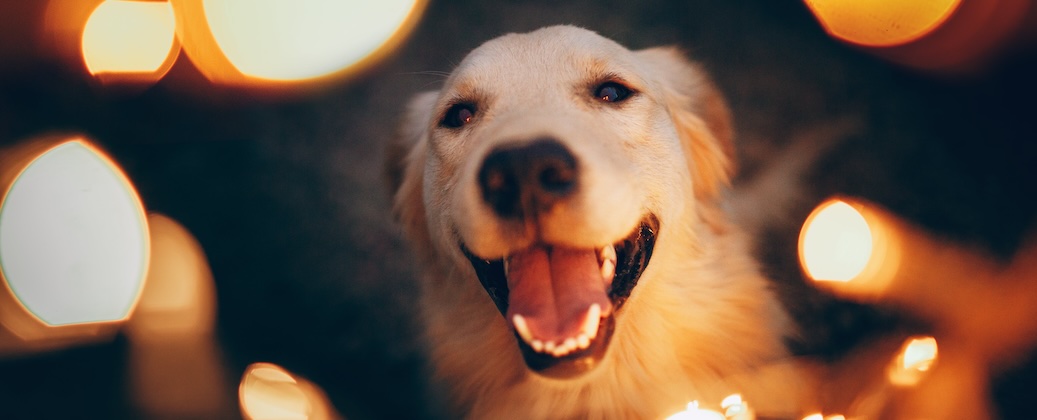
Simple prep for Thanksgiving through New Year's, no stress required.
This article was written in collaboration with Rover.
Keep the rich food, risky plants, and decorative hazards out of reach, and have a plan for the front door when guests show up. Most holiday pet emergencies happen in the chaos, when something tempting is on the table and everyone’s distracted.
The good news? A little prep goes a long way. Here’s what trips pets up from Thanksgiving to New Year’s, where dogs and cats differ, and what to do if something goes sideways.
 TL;DR
Let’s start with the table, because that’s where most holiday trouble begins.
Those puppy eyes are hard to resist, but fatty scraps can trigger pancreatitis, a painful inflammation of the pancreas. Bones, string, and foil-wrapped leftovers can cause an intestinal blockage, which often means surgery. That’s a rough (and expensive) way to end a holiday. Certified Professional Dog Trainer Nicole Ellis offers some helpful tips to avoid the puppy eyes at dinner time.
“Holiday meals are the perfect storm for begging . Routines are out the window, the temptation is real, and every bite snuck under the table by a well-meaning guest teaches your dog that begging works. One well meaning treat can easily lead to digestive upset. The kindest way to say no is to set them up not to beg at all. Take your dog for a long walk before guests arrive, then set them up in a separate, cozy spot with a treat-stuffed toy or a long-lasting chew, or keep them on a leash next to you while everyone eats dinner. If guests want to spoil your pup, give them a pet-safe treat to offer and a heads-up not to share from their plates.”
– Nicole Ellis, Certified Professional Dog Trainer (CPDT-KA), American Kennel Club CGC evaluator, KPA Certified Trainer and Rover Pet People Panelist.
You don’t have to leave your dog out completely. Small bites of plain turkey meat, green beans, sweet potato, or pumpkin are fine. Skip the skin, bones, gravy, and anything seasoned. Even when nothing is toxic, rich food is hard on a pet’s stomach, so a little goes a long way.
Sweet stuff. Chocolate is the classic, and dark and baking chocolate are the worst offenders. Xylitol is trickier because it hides in sugar-free gum, baked goods, and some peanut butters. It’s very dangerous for dogs, so check labels before you share anything.
Toxic human snacks. Grapes, raisins, onions, garlic, and macadamia nuts can all make pets sick. Grapes and raisins can cause kidney failure in dogs, so even a handful of holiday trail mix is worth guarding.
Thanksgiving treats. Unbaked yeast dough can swell in a pet’s stomach, and the yeast produces alcohol as it ferments. Alcohol, turkey skin, and cooked bones also belong on the “no” list.
A pretty bouquet can be the sneakiest hazard in the house.
Lilies are the one to know about if you have a cat. A nibble, a pollen lick, or even just a sip of vase water can cause kidney failure. If it happens, call a vet right away. This includes bouquets that guests bring, so check them before they land on the coffee table. Lilies should always be left outside. They are too dangerous to even place “out of reach” as a curious cat may be tempted to investigate a new bouquet.
Mistletoe and holly can both cause vomiting, drooling, and diarrhea. Mistletoe can be more serious, so hang it well out of reach.
While poinsettia gets a worse reputation than it deserves, it can still cause mild drooling or an upset stomach.
Christmas cactus is listed as non-toxic to cats and dogs by the ASPCA, but a big nibble can still upset a stomach.
Mostly, yes, and a few easy fixes can save your pets some pain. The setup around the tree usually causes more trouble than the tree itself. Real trees are only mildly toxic, so they aren’t a big poison risk for cats or dogs.
Tree water. Cats may try to drink it. Stagnant water with preservatives, fertilizer, or bacteria can cause an upset stomach, so cover the base with a tree skirt or lid.
Tree ornaments. Sooner or later, a cat will try to climb it or a dog’s tail will clear a whole branch of ornaments. Anchor the tree to the wall, skip fragile ornaments on low branches, and put it in a room you can close. An x-pen can also keep paws and wags away from your holiday tree. Foil around the base makes climbing a lot less fun.
Tinsel. It’s especially risky for cats because it looks like the world’s best toy. Swallowed strands can bunch up the intestines and need emergency surgery, so go tinsel-free.
Electrical cords. Tuck them behind furniture or into covers, and unplug the lights when you’re out.
Snow globes. Some, especially older ones, contain antifreeze, and a few licks can be dangerous. Keep them on out-of-reach shelves.
“To a cat, a Christmas tree is a new, exciting climbing structure covered in toys. It has novel smells and textures your cat will want to investigate. Cats love being up high and scolding won’t change that instinct. Instead, give your cat a better option. Set up a cat tree or a few perches in the same room, sprinkle treats and toys on them, and schedule extra play sessions during the holidays. A cat who has somewhere more fun to climb is less likely to choose your holiday tree. “
– Dr. Mikel Maria Delgado, Certified Applied Animal Behaviorist, Certified Cat Behavior Consultant and Rover Pet People Panelist.
Here’s the thing about parties: the biggest danger is often the quietest one. An open door.
Scared pets can bolt in seconds, and it only takes one guest who’s juggling coats and casserole. Make sure your pet’s microchip is registered with your current phone number, and keep a tag on the collar. Even better, keep your dog on a leash while guests are coming and going. Then if the worst happens, you’ve got a head start.
A little planning helps a lot here. Walk your dog before dark, then keep them inside once the booms start. Set up a cozy spot with a bed, a favorite chew, and white noise, and close the curtains.
Stay calm yourself, because your pup is watching you for cues. And it’s okay to comfort them. Scolding fear just adds to the stress. If your dog struggles every year, talk to your vet early about anxiety support.
Cats usually do best in a closed, dim room with a litter box, water, and a hiding spot.
“The most common mistake is waiting until the first boom to prepare or see how your pet reacts. A few weeks before New Year’s Eve, start desensitizing your pet by playing firework sounds at a low volume during meals or playtime. Reward calm behavior and slowly increase the volume over time. Gradual exposure teaches dogs not to fear the loud booms.”
– Nicole Ellis, Certified Professional Dog Trainer (CPDT-KA), American Kennel Club CGC evaluator, KPA Certified Trainer and Rover Pet People Panelist.
Pets rarely announce that they’re overwhelmed, so it helps to know the quiet signs.
Ellis highlights that the early warning signs of stress in dogs is often missed, “Early warning signs are often missed because they are easy to misinterpret. A yawn can look like boredom, lip licking looks like hunger, and panting looks like your dog is warm. If you catch these behaviors at a gathering, calmly move your dog to a quiet room with some soft music and something to chew. A frozen treat or a lick mat can help them settle.”
While Dr. Mikel Maria Delgado explains how cats display their discomfort:
“Cats usually tell us they’re stressed long before they resort to hissing or swatting. Watch for a swishing tail, twitching ears or quick head turns toward the hand that pets them. Some cats may just walk away, and it’s important to let them make that choice. Many cats prefer short interactions over long petting sessions, especially around new people. Let guests offer a hand for a sniff, keep it brief and give the cat a quiet room they can retreat to whenever they choose.”
– Dr. Mikel Maria Delgado, Certified Applied Animal Behaviorist, Certified Cat Behavior Consultant and Rover Pet People Panelist.
If you’ve got a week or two, a little practice makes the big day much smoother. Here’s the order that works best:
“‘Place’ is the most useful cue you can teach your dog before the holidays. It gives your dog a job during the busiest moments, like guests arriving or dinner going on the table. Instead of saying ‘no’ all day, you’re telling them exactly what to do. This is a learned skill, so start practicing now. A few days before your event move your dogs ‘place’ or bed to an area near where you’ll want them to be relaxing. ”
– Nicole Ellis, Certified Professional Dog Trainer (CPDT-KA), American Kennel Club CGC evaluator, KPA Certified Trainer and Rover Pet People Panelist.
Winter has its own hazards, and a lot of them are on the ground.
Ice melt can irritate paws and upset stomachs if licked, so wipe paws after walks. Antifreeze tastes sweet to pets and is extremely toxic, so clean up any garage spills right away. And if it’s too cold for you, it’s too cold for your pet, so keep outings short.
If your pet’s coming along, use a secure carrier or crate in the car, and carry current ID.
If they’re staying home and not used to people coming in and out, a sitter can make the holidays calmer for everyone. Rover makes it easy to find pet sitting or boarding, and it’s smart to line it up early, since holiday dates fill fast. Meeting your sitter ahead of time to understand what their home setup and environment will be like helps, too.
First, take a breath. Then don’t wait for symptoms. Grab the packaging so you can report what and how much your pet ate, and call right away:
ASPCA Poison Control: (888) 426-4435
Pet Poison Helpline: (855)-764-7661
Both lines may charge a consultation fee. Don’t induce vomiting unless a professional tells you to.
Holiday mishaps like toxin ingestion or an intestinal blockage can lead to surprise vet bills, and that’s never fun news. Lemonade Pet insurance can help with accidents and illnesses that aren’t pre-existing, so it’s worth getting a quote before the season gets busy.
Not very. Real tree needles can irritate the mouth and stomach, and artificial trees can cause blockages if chewed. Tree water and decor are the bigger concerns.
The ASPCA lists Christmas cactus as non-toxic to cats and dogs. Eating a lot may cause mild vomiting or diarrhea.
It’s best to prevent it. Stagnant tree water can contain bacteria, preservatives, or fertilizer that may upset a cat’s stomach.
Small portions of plain turkey meat, green beans, sweet potato, or pumpkin are okay. Avoid skin, bones, gravy, stuffing, and sugary or sugar-free desserts.
Call your vet, ASPCA Poison Control at (888) 426-4435, or Pet Poison Helpline at 855-764-7661 right away. Share what your pet ate and how much.
A few quick words, because we <3 our lawyers: This post is general in nature, and any statement in it doesn’t alter the terms, conditions, exclusions, or limitations of the policies issued, which differ according to your state of residence. You’re encouraged to discuss your specific circumstances with your own professional advisors. The purpose of this post is merely to provide you with info and insights you can use to make such discussions more productive! Naturally, all comments by, or references to, third parties represent their own views, and Lemonade assumes no responsibility for them. Coverage may not be available in all states. Please note that statements about coverages, policy management, claims processes, Giveback, and customer support apply to policies underwritten by Lemonade Insurance Company or Metromile Insurance Company, a Lemonade company, sold by Lemonade Insurance Agency, LLC. The statements do not apply to policies underwritten by other carriers.
Please note: Lemonade articles and other editorial content are meant for educational purposes only, and should not be relied upon instead of professional legal, insurance or financial advice. The content of these educational articles does not alter the terms, conditions, exclusions, or limitations of policies issued by Lemonade, which differ according to your state of residence. While we regularly review previously published content to ensure it is accurate and up-to-date, there may be instances in which legal conditions or policy details have changed since publication. Any hypothetical examples used in Lemonade editorial content are purely expositional. Hypothetical examples do not alter or bind Lemonade to any application of your insurance policy to the particular facts and circumstances of any actual claim.