
What Is Amyloidosis in Cats and Should You Be Worried?
A protein buildup that quietly damages organs. Here's what amyloidosis means for your cat.

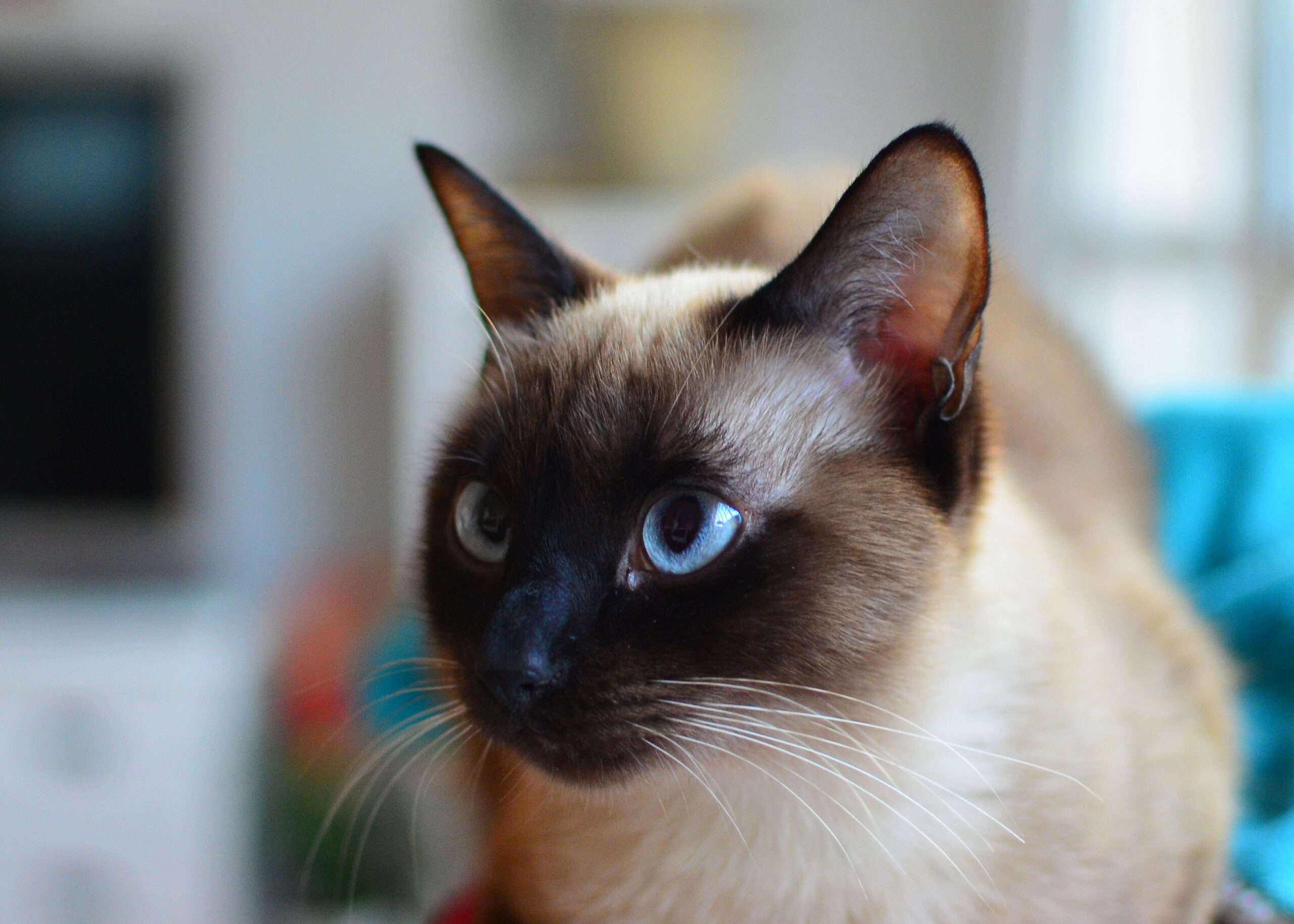
A protein buildup that quietly damages organs. Here's what amyloidosis means for your cat.
 Reviewed by Dr. Stephanie LiffLast Updated:
If your cat has been drinking more water than usual, losing weight, or just seems off, it makes sense that you’re looking for answers. Amyloidosis isn’t a condition that comes up often, but for certain breeds, it’s worth knowing about. The core idea is straightforward: it’s what happens when a misfolded protein builds up in your cat’s organs and starts causing damage. The kidneys are usually hit hardest, though the liver and spleen can be affected too, and catching it early makes a real difference in care. Here’s what you need to know.
 TL;DR
TL;DR
Amyloid is a protein that, under normal circumstances, gets broken down and recycled by the body. In cats with amyloidosis, something goes wrong in that process. The protein misfolds, clumps together, and gets deposited in organ tissue where it doesn’t belong. Over time, those deposits replace healthy, functioning tissue and the organ starts to fail.
There are two main types in cats, though in practice the distinction matters less than it might seem. AA amyloidosis is by far the most common and clinically relevant form, driven by a protein called serum amyloid A, which the body produces in response to long-term inflammation or infection. Unlike in people, systemic AL amyloidosis, which involves a different class of proteins linked to immune cell dysfunction, has not been established as a systemic disease in cats. When light-chain amyloid does appear in cats, it’s typically tied to a plasma-cell tumor rather than occurring on its own. For the purposes of understanding what your cat is dealing with, AA amyloidosis is where the research and treatment focus sits, and it’s probably what your vet is referring to.
Any cat can develop amyloidosis, but the hereditary form is well-documented in specific breeds. If your cat is one of the following, this condition belongs on your radar from day one.
Older cats of any breed can also develop what’s sometimes called senile systemic amyloidosis, where deposits accumulate more broadly with age. This form tends to progress more slowly, but it’s still worth discussing with your vet as your cat gets older.
The tricky thing about amyloidosis is that early symptoms are easy to brush off as normal aging or a passing stomach upset. By the time signs become obvious, organ damage is often already significant. That’s not meant to alarm you, it’s meant to encourage you to trust your instincts when something feels off.
Here’s what to look for:
One detail worth knowing: cats with renal amyloidosis often have kidneys that appear normal in size on imaging. Many conditions that damage kidneys cause them to shrink, but amyloid deposits can actually maintain the kidney’s size even as function deteriorates. It’s a subtle clue that your vet will factor into the diagnostic picture, and it’s part of why a full workup matters even when imaging looks unremarkable.
Getting to a diagnosis takes a few steps, and no single test confirms amyloidosis on its own. Your vet will build a picture over time, and it helps to know what each piece of the puzzle is looking for.
| Test | What it’s looking for |
|---|---|
| Bloodwork | Checks for azotemia, a buildup of waste products like creatinine and BUN (blood urea nitrogen) that healthy kidneys would normally filter out. |
| Urinalysis and UPC ratio | Looks for protein showing up in the urine when it shouldn’t. The urine protein-to-creatinine (UPC) ratio measures how much the kidneys are leaking. |
| Ultrasound | Images the kidneys, liver, and spleen to check for structural changes or fluid accumulation. |
| Biopsy with Congo red stain | The only way to confirm amyloidosis definitively. A small tissue sample is stained with Congo red dye, and under polarized light, amyloid deposits show up as a distinctive apple-green glow. |
There’s no treatment that reverses amyloid deposits once they’ve formed. That’s a hard thing to read, and it’s okay to sit with it for a moment. But supportive care can meaningfully slow progression and keep your cat comfortable for longer, and that matters.
Depending on which organs are involved, your vet may recommend a combination of the following:
Prognosis depends heavily on how much organ damage has already occurred at the time of diagnosis. Cats caught in earlier stages with supportive care in place can live months to years beyond diagnosis. Cats diagnosed during acute organ failure have a much shorter window. It’s not an easy truth, but it’s an honest one, and it’s exactly why early screening matters so much for at-risk breeds.
If you have an Abyssinian, Siamese, Burmese, Tonkinese, Devon Rex, or Oriental Shorthair, waiting for symptoms isn’t a strategy. By the time clinical signs appear, organ damage is usually already established. The good news is that regular screening gives you a real shot at catching changes early, when there’s still the most to be done.
Here’s a concrete, age-based protocol you can bring to your vet:
| Life stage | What to do |
|---|---|
| Kittenhood baseline (8–16 weeks) | Full blood panel and urinalysis at your first wellness visit. This establishes normal values for your individual cat, making future changes easier to catch. |
| Annual screening through age 5 | Chemistry panel, complete blood count, urinalysis, and UPC ratio every year. These four tests together give a clear window into organ health before symptoms develop. |
| Twice-yearly screening from age 5 onward | Shift to every six months. Amyloidosis can accelerate quickly, and six months is enough time for meaningful change to show up and be acted on. |
| Add ultrasound if values shift | If kidney or liver markers start trending upward, even within the normal range, imaging adds important context. Don’t wait for a number to fall outside the reference range before escalating. |
Bring this schedule to your vet and ask them to track trends over time, not just flag abnormal results. A value that’s technically normal but has doubled over two years tells a story worth paying attention to.
Diagnosing and managing amyloidosis isn’t cheap. Biopsies, specialist consultations, repeated bloodwork, and ongoing medications add up fast, and that’s before factoring in the long-term nature of supportive care.
A Lemonade accident and illness policy can help cover eligible diagnostics and treatment for amyloidosis, as long as the condition isn’t pre-existing. That means your cat shouldn’t be showing any signs or symptoms before your policy starts or during your waiting period. For owners of at-risk breeds, enrolling young isn’t just smart financial planning. It’s one of the most concrete things you can do for your cat’s long-term care.
A diagnosis of amyloidosis is genuinely hard news, and it’s okay to feel that weight. There’s no cure, and in breeds like Abyssinians and Siamese cats, the genetic risk is real. But knowing that changes what you do next. Regular screening, early detection, and a solid care plan give your cat the best shot at more good time together. And getting coverage in place before symptoms show up means you won’t have to make treatment decisions based on cost when it matters most. Talk to your vet, start that screening schedule, and don’t wait for a symptom to prompt the conversation.
It depends on how early the condition is caught and which organs are affected. Cats diagnosed before significant organ failure can live months to a couple of years with proper supportive care. Cats diagnosed during acute kidney or liver failure have a much shorter prognosis. Early detection through routine screening is the single biggest factor in extending life expectancy.
Amyloidosis itself doesn’t cause direct pain, but the organ failure it leads to, particularly kidney disease, can cause nausea, fatigue, and general discomfort. Cats are also good at hiding pain, so monitoring behavior changes closely and discussing quality-of-life management with your vet is important.
In the earlier stages, yes, many cats maintain a good quality of life with dietary changes, medication, and regular monitoring. As the disease progresses and organ function declines, more intensive supportive care is usually needed. Your vet is the best person to assess your individual cat’s trajectory.
A few quick words, because we <3 our lawyers: This post is general in nature, and any statement in it doesn’t alter the terms, conditions, exclusions, or limitations of the policies issued, which differ according to your state of residence. You’re encouraged to discuss your specific circumstances with your own professional advisors. The purpose of this post is merely to provide you with info and insights you can use to make such discussions more productive! Naturally, all comments by, or references to, third parties represent their own views, and Lemonade assumes no responsibility for them. Coverage may not be available in all states. Please note that statements about coverages, policy management, claims processes, Giveback, and customer support apply to policies underwritten by Lemonade Insurance Company or Metromile Insurance Company, a Lemonade company, sold by Lemonade Insurance Agency, LLC. The statements do not apply to policies underwritten by other carriers.
Please note: Lemonade articles and other editorial content are meant for educational purposes only, and should not be relied upon instead of professional legal, insurance or financial advice. The content of these educational articles does not alter the terms, conditions, exclusions, or limitations of policies issued by Lemonade, which differ according to your state of residence. While we regularly review previously published content to ensure it is accurate and up-to-date, there may be instances in which legal conditions or policy details have changed since publication. Any hypothetical examples used in Lemonade editorial content are purely expositional. Hypothetical examples do not alter or bind Lemonade to any application of your insurance policy to the particular facts and circumstances of any actual claim.