

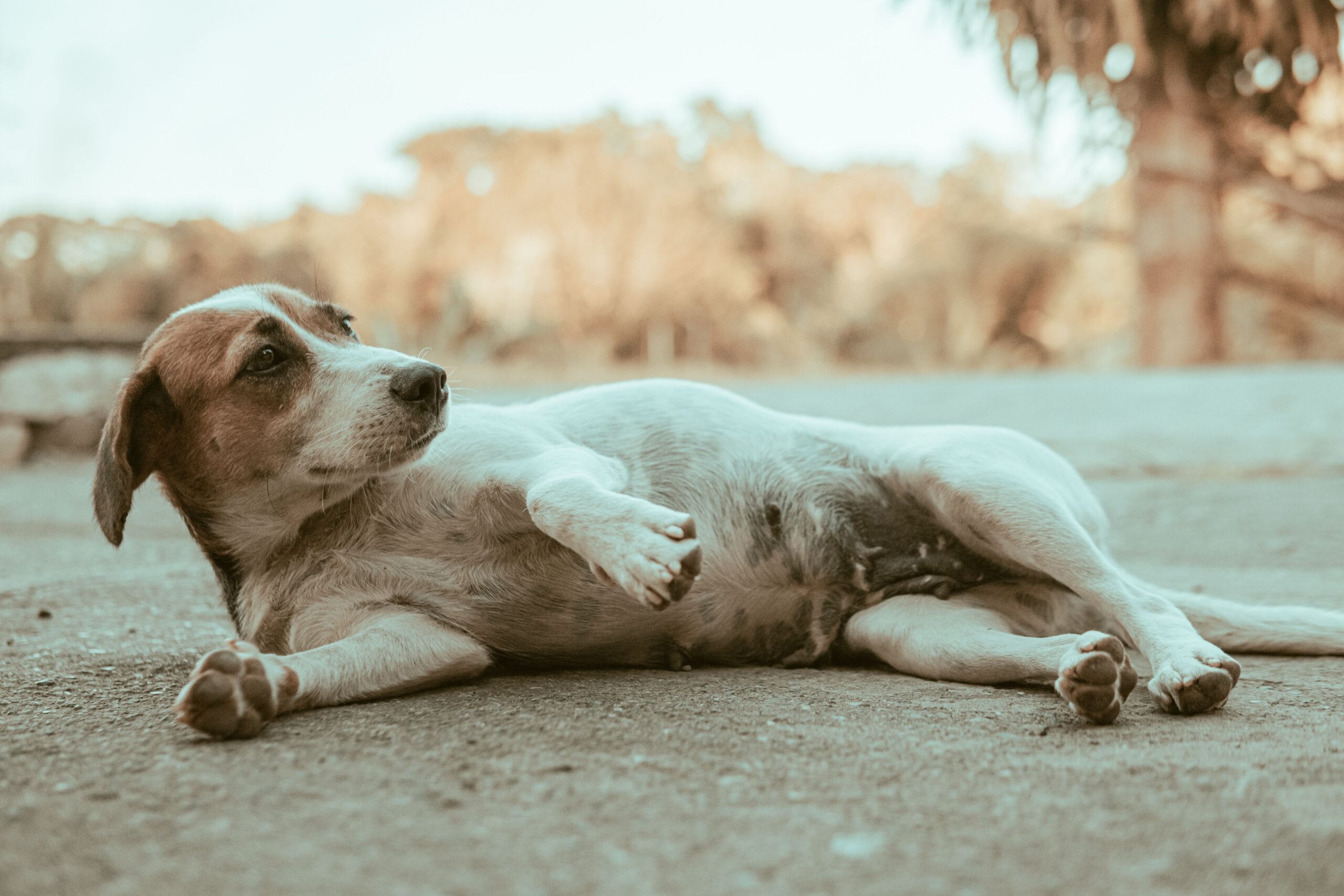
You noticed your dog’s belly looking rounder than usual. Maybe they seem tired, or they’re breathing a little harder than normal. You Googled it, and now you’re reading about something called ascites. First: take a breath. You’re in the right place.
Ascites (pronounced ah-SY-teez) is the medical term for fluid buildup in a dog’s abdomen. That swollen belly isn’t just bloating or weight gain. It’s fluid that has collected in the space around your dog’s organs, and it’s always a sign that something else is going on underneath. Ascites itself isn’t a disease. It’s a symptom, and figuring out what’s causing it is the most important thing you can do right now.
 TL;DR
TL;DR
- Ascites in dogs means fluid has built up inside the abdomen. It’s always caused by something else, like heart disease, liver disease, kidney disease, cancer, or infection.
- A distended abdomen, difficulty breathing, lethargy, and loss of appetite are the most common signs owners notice first.
- Draining the fluid gives your dog relief, but it will come back unless the underlying cause is treated. Think of it like bailing water from a leaking boat without fixing the hole.
- Diagnosis usually involves an abdominal ultrasound, blood work, and fluid sampling. Your vet needs to find the root cause before a real treatment plan can begin.
- Prognosis depends entirely on what’s driving the fluid buildup. Some causes are manageable long-term. Others are more serious. Either way, the sooner you act, the better.
What ascites actually is
Inside your dog’s abdomen, there’s a space called the peritoneal cavity. It holds the organs and normally contains just a tiny amount of fluid to help everything move smoothly. When something disrupts the body’s ability to regulate that fluid, it starts to accumulate. Over time, it can build up significantly, causing the belly to look visibly swollen or distended.
This fluid accumulation, also called abdominal effusion, puts pressure on surrounding organs. That pressure is what causes many of the symptoms your dog might be showing. And because the fluid is a response to something else going wrong in the body, it will keep coming back until that underlying issue is addressed.
Symptoms to watch for
Some of these signs come on slowly. Others show up fast.
- A visibly swollen or rounded belly that seems out of proportion to the rest of the body
- Difficulty breathing or breathing that seems faster, shallower, or more labored than usual
- Lethargy, or a dog who seems unusually tired, slow, or uninterested in things they normally love
- Loss of appetite or sudden weight changes
- Discomfort when you touch the belly, or a dog who seems reluctant to lie down
- Coughing in some cases, especially when the fluid is pressing up against the diaphragm
- Vomiting or nausea
- Weakness in the back legs, in cases related to circulation or protein loss
If your dog is struggling to breathe or is in obvious distress, don’t wait. That’s an emergency. Get to a vet right away.
What causes ascites in dogs
There’s no single cause. Ascites is a signal that the body’s fluid balance has broken down somewhere, and there are several conditions that can trigger that. Here are the most common ones:
Heart disease
Right-sided heart failure is one of the leading causes of ascites in dogs. When the right side of the heart isn’t pumping efficiently, blood backs up in the veins leading to the abdomen. That increased pressure forces fluid out of the blood vessels and into the abdominal cavity.
Liver disease
The liver produces proteins that help keep fluid inside the blood vessels. When the liver is damaged (from chronic disease, scarring, or conditions that affect blood flow through the liver), protein levels drop and fluid pressure rises, causing fluid to leak into the abdomen leading to liver disease.
Kidney disease
Certain kidney conditions (called protein-losing nephropathy) cause dogs to lose large amounts of protein through their urine. Like liver disease, the loss of protein means fluid can’t stay where it belongs.
Cancer
Tumors in the abdomen can bleed into the abdominal space, block normal fluid drainage, or trigger the body to overproduce fluid. Cancers of the spleen, liver, and lymph nodes are among the more common culprits. In these cases, the fluid may contain blood or cancerous cells.
Infection and peritonitis
Peritonitis is inflammation of the lining of the abdominal cavity, usually caused by infection. It can happen if the gastrointestinal tract ruptures, after abdominal surgery, or from a spreading infection. This is a serious and often rapidly progressing condition.
Trauma or internal bleeding
A significant injury can cause internal bleeding that collects in the abdominal cavity. This type of fluid accumulation can be life-threatening and requires emergency treatment.
Protein-losing enteropathy
Some gastrointestinal diseases cause the intestines to leak protein instead of absorbing it. When protein levels in the blood drop too low, fluid balance throughout the body is disrupted, and ascites can develop.
How vets diagnose ascites
Diagnosing ascites is actually the easier part. Finding out why it’s happening is where the work really begins. Here’s what your vet is likely to do:
Physical exam
Your vet will feel the abdomen to assess swelling, check for signs of pain, and listen to the heart and lungs. A distended abdomen with a fluid-like quality when tapped gently is a strong indicator of ascites.
Abdominal ultrasound
An abdominal ultrasound uses sound waves to create images of the organs and any fluid inside the belly. It’s one of the most useful tools here because it lets the vet see how much fluid is present, check the liver, spleen, kidneys, and lymph nodes for abnormalities, and look for tumors or other structural problems, all without any incisions.
Blood and urine tests
A complete blood count and chemistry panel (a broad blood test that checks how major organs are functioning) will help the vet assess liver and kidney function, protein levels, and signs of infection or anemia. A urine test can reveal protein loss through the kidneys.
Fluid sampling (abdominocentesis)
This is where the vet uses a needle to draw a small sample of the abdominal fluid. The type of fluid, whether it’s clear, bloody, or cloudy, and what’s in it under a microscope, gives major clues about the cause. Is it high in protein? Low in protein? Does it contain bacteria? Cancer cells? Each answer points in a different diagnostic direction.
X-rays and additional imaging
Chest X-rays may be taken to check for fluid around the heart or lungs, which could indicate heart disease. Additional imaging may be ordered depending on what the initial tests reveal.
Draining the fluid: why it’s not a fix
When a dog has a significant amount of fluid in their abdomen, draining it can bring real, fast relief. Breathing becomes easier. The belly pressure drops. Your dog may feel noticeably better within hours.
But the fluid will come back.
Think of it like bailing water out of a boat with a hole in the hull. You can empty the boat, but if the hole is still there, it fills right back up. Draining the fluid manages the symptom. It doesn’t treat the cause. Without addressing whatever is driving the fluid buildup, the ascites will return, often within days to weeks.
This is why the diagnostic process matters so much. Draining is a bridge to relief while your vet hunts for the root problem. The long-term plan has to address whatever is causing the body to leak fluid in the first place.
Treatment options for ascites in dogs
Treatment looks very different depending on the underlying cause.
Treating the root cause
This is always the priority. If the cause is heart disease, your vet will likely prescribe medications to support heart function and reduce fluid retention. If it’s liver disease, treatment may focus on reducing inflammation and supporting liver health. If it’s cancer, the conversation will shift to surgery, chemotherapy, or palliative care depending on the type and stage.
Diuretics
Diuretics are medications that help the body remove excess fluid through urination. They’re commonly used in cases linked to heart or liver disease and can help slow the rate at which fluid reaccumulates. Your vet will monitor your dog’s kidney function and electrolyte levels while they’re on diuretics, since these medications can affect both.
Low sodium diet
Sodium (salt) causes the body to retain fluid. A low sodium diet can help reduce fluid buildup and is often recommended alongside diuretic therapy, especially in dogs with heart or liver disease. Your vet can recommend a specific prescription diet or guide you on what to look for.
Protein supplementation or management
In cases driven by protein loss, treatment may focus on addressing the underlying gastrointestinal or kidney disease and in some cases supplementing protein through diet to help restore the body’s fluid balance.
Repeated drainage
For dogs where the underlying condition can’t be fully resolved, regular fluid drainage may become part of ongoing management. It’s not ideal, but for some dogs it’s a meaningful way to maintain quality of life alongside other treatments.
What to expect: prognosis
There’s no single answer here, and that’s worth saying plainly. Prognosis depends almost entirely on what’s causing the ascites.
- Heart disease: Many dogs with managed heart failure can live comfortably for months to years with the right medication and monitoring plan.
- Liver disease: Depends on the severity and type. Some liver conditions are reversible or manageable. End-stage liver disease carries a more guarded outlook.
- Kidney disease: Chronic kidney disease is progressive, but with dietary management and supportive care, many dogs maintain a good quality of life for a significant period.
- Cancer: Varies widely by tumor type, location, and whether it has spread.
- Peritonitis or trauma: These are medical emergencies. With fast, aggressive treatment, survival is possible. Without it, the prognosis is poor.
What all of these have in common: the sooner you get answers and start treatment, the more options you and your vet have.
Does pet insurance cover ascites?
Diagnosing and treating ascites can get expensive quickly. An abdominal ultrasound, blood panels, fluid sampling, hospitalization, and ongoing medications for a chronic underlying condition add up fast.
If your dog develops ascites after your Lemonade Pet policy is active, a base accident and illness policy can help cover eligible costs including ultrasounds, blood work, abdominocentesis, hospitalization, and prescription medications for underlying conditions like heart disease, liver disease, or kidney disease, as long as the condition isn’t pre-existing and develops after the 14-day illness waiting period has passed.
One important thing to know: pet insurance doesn’t cover pre-existing conditions. If ascites or its underlying cause has already been diagnosed, that condition may not be eligible for coverage going forward. If your dog is currently healthy, that’s the right time to get a policy in place.
Lemonade also offers a Preventative Care add-on that covers routine wellness exams. These visits can help surface early warning signs of conditions like heart disease or kidney disease before they progress. If a wellness exam does flag something, the follow-up diagnostic workup would fall under your accident and illness coverage rather than the Preventative Care add-on.
Before we go
A swollen belly on your dog is scary to see, and it makes sense that you’re looking for answers. Ascites is serious, but it’s also something your vet can investigate and, depending on the cause, treat. The most important step is getting your dog seen quickly so the diagnostic process can start. The sooner you know what’s driving the fluid buildup, the sooner there’s a real plan to help your dog feel better.
Frequently Asked Questions
Is ascites in dogs painful?
It can be. As fluid accumulates, it creates pressure on surrounding organs, which causes discomfort and can make it harder to breathe. Dogs may seem restless, reluctant to lie down, or visibly uncomfortable. Pain level varies depending on how much fluid is present and what’s causing it.
How quickly does ascites develop in dogs?
It depends on the cause. Fluid from internal bleeding or peritonitis can accumulate rapidly, within hours. Fluid caused by chronic conditions like heart or liver disease tends to build more slowly, over days to weeks, which is why owners sometimes don’t notice until it’s quite advanced.
Can ascites in dogs be cured?
Ascites itself isn’t a disease, so there’s no single cure. Whether it can be resolved depends entirely on the underlying cause. Some causes, like certain infections or reversible liver conditions, can be treated effectively. Others, like advanced cancer or end-stage organ failure, require ongoing management rather than a cure.
How long can a dog live with ascites?
Survival time varies widely and depends on what’s causing the fluid buildup and how well it responds to treatment. A dog with well-managed heart disease may live comfortably for years. A dog with aggressive cancer may have a much shorter prognosis. Your vet is the best person to give you an honest picture once a diagnosis is confirmed.
Is ascites in dogs an emergency?
It can be. If your dog is struggling to breathe, is in visible distress, or the belly has swollen rapidly, treat it as an emergency and get to a vet immediately. Even if symptoms seem mild, a distended abdomen warrants a same-day vet call, not a wait-and-see approach.
A few quick words, because we <3 our lawyers: This post is general in nature, and any statement in it doesn’t alter the terms, conditions, exclusions, or limitations of the policies issued, which differ according to your state of residence. You’re encouraged to discuss your specific circumstances with your own professional advisors. The purpose of this post is merely to provide you with info and insights you can use to make such discussions more productive! Naturally, all comments by, or references to, third parties represent their own views, and Lemonade assumes no responsibility for them. Coverage may not be available in all states. Please note that statements about coverages, policy management, claims processes, Giveback, and customer support apply to policies underwritten by Lemonade Insurance Company or Metromile Insurance Company, a Lemonade company, sold by Lemonade Insurance Agency, LLC. The statements do not apply to policies underwritten by other carriers.