

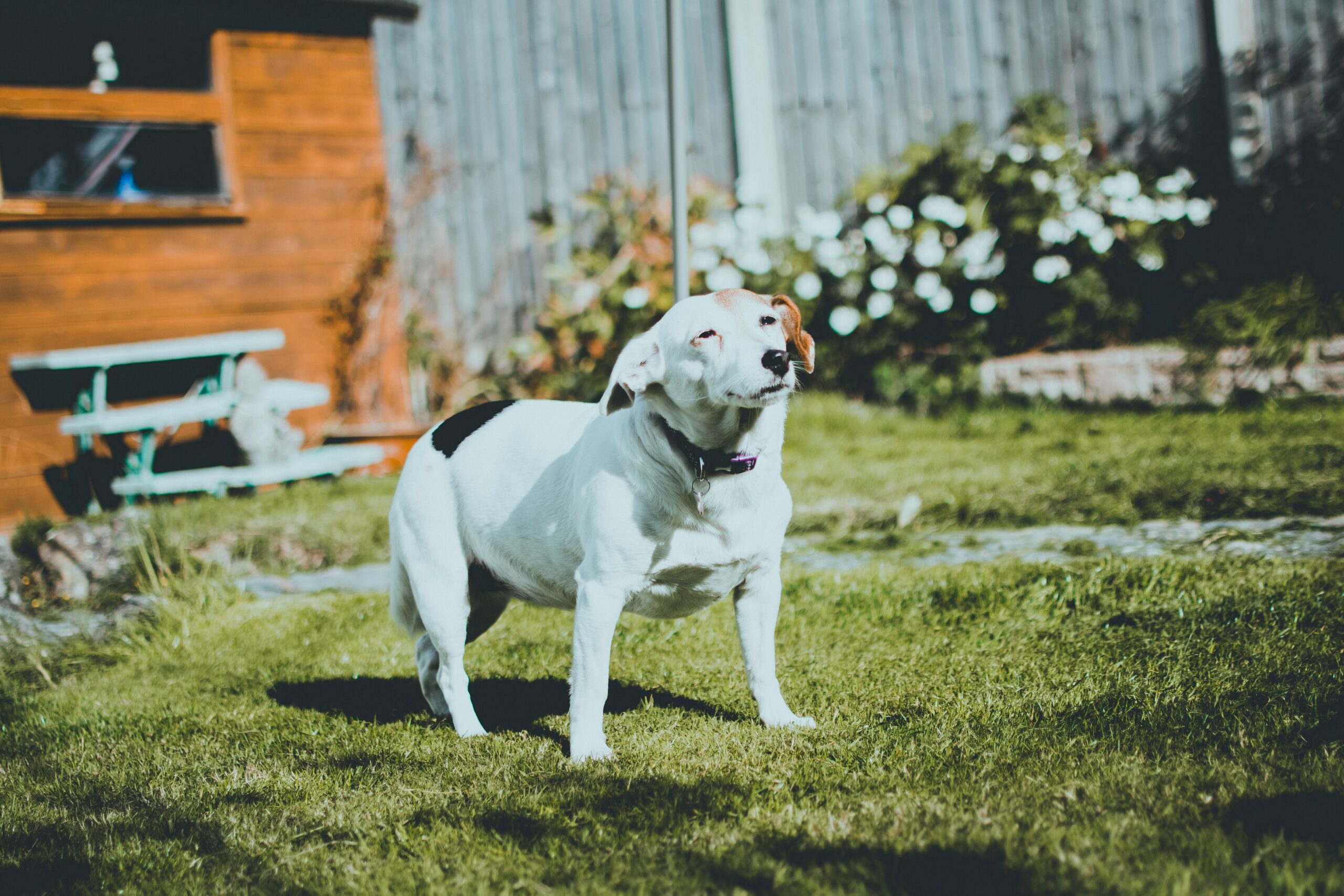
If your dog just stumbled across the room, walked like they’d had a few too many, or tilted their head to one side, you’re probably scared. What you’re likely seeing is ataxia, a loss of coordination caused by a problem somewhere in the nervous system. It’s a symptom, not a disease, and the cause behind it matters a lot. Many causes are treatable, especially when caught early. Here’s what you need to know.
 TL;DR
TL;DR
- Ataxia in dogs means loss of coordination. It’s a symptom of a problem in the nervous system (brain, spinal cord, or inner ear), not a disease itself.
- There are three types: vestibular (inner ear/brainstem), cerebellar (balance center in the brain), and proprioceptive (spinal cord/nerves). Each looks a little different.
- Sudden ataxia can signal a serious emergency like toxin ingestion, a spinal injury, or a stroke. Don’t wait to call your vet if it comes on fast.
- Many causes are treatable, and some, like idiopathic vestibular disease or medication side effects, resolve on their own with time and supportive care.
- Diagnosing ataxia usually involves a neurological exam, bloodwork, and sometimes an MRI or CT scan, which is why having a pet insurance policy in place before symptoms appear really matters.
What is ataxia in dogs?
Ataxia is the medical word for loss of coordination or balance. It’s your dog’s body losing the ability to accurately sense where it is in space, producing that wobbly, staggering gait that brings most owners to Google at midnight.
It’s a sign that something in the nervous system isn’t working right. That something could be the inner ear, the cerebellum (the part of the brain that coordinates movement), the brainstem, or the spinal cord. Where the problem is determines what the ataxia looks like and what’s causing it.
The three types of ataxia in dogs
Vets categorize ataxia by where the disruption is happening. Each type has a distinct look, which helps narrow down the cause quickly.
| Type | Where the problem is | What it looks like |
|---|---|---|
| Vestibular | Inner ear or brainstem | Head tilt, eyes darting back and forth (nystagmus), circling, falling or rolling to one side, nausea. The most common type seen at home. |
| Cerebellar | Cerebellum (the brain’s movement coordinator) | Jerky, exaggerated steps, wide-based stance, head tremor that worsens when focused on something. Dogs rarely fall over, but movements look over-corrected. |
| Proprioceptive (spinal) | Spinal cord or peripheral nerves | Knuckling (walking on the tops of the paws), dragging of the hind legs, wobbly rear end, weakness that starts at the back. Hind leg ataxia is often this type. |
Symptoms of ataxia in dogs
What you’ll see depends on the type, but common signs across all three include:
- Staggering, weaving, or a “drunken” walk
- Stumbling or falling to one side
- Head tilt, often persistent and pronounced
- Knuckling: walking on the tops of the paws rather than the pads
- Wide-based stance with legs spread for stability
- Rapid, involuntary eye movement (nystagmus)
- Circling in one direction
- Weakness or dragging of the hind legs
- Vomiting or nausea (most common in vestibular cases)
Ataxia itself isn’t typically painful, but the underlying cause may be. Spinal cord compression from intervertebral disc disease (IVDD, where a disc in the spine presses on the spinal cord) can be quite painful, even if the coordination loss is what you notice first.
What causes ataxia in dogs?
The list of causes is wide, which is part of why vets take ataxia seriously and don’t just guess. Here are the most common culprits:
- Idiopathic vestibular disease: Common in older dogs, this comes on suddenly and looks terrifying, but most dogs recover within 2–3 weeks with supportive care. The cause is unknown.
- Ear infection: A deep or inner ear infection can disrupt balance and cause vestibular ataxia.
- Intervertebral disc disease (IVDD): Disc material pressing on the spinal cord, most common in breeds like Dachshunds and Corgis, causes proprioceptive ataxia and sometimes pain.
- Toxin ingestion: Many household substances – certain plants, medications, alcohol, xylitol, or rodenticides – can cause sudden ataxia.
- Medication side effects: Ataxia in dogs from gabapentin (a pain and seizure medication) is a well-documented side effect, especially at higher doses. It usually improves when the dose is adjusted.
- Canine distemper: A serious viral illness that can attack the nervous system and cause cerebellar ataxia.
- Hypoglycemia: A sudden drop in blood sugar can cause confusion, weakness, and coordination loss.
- Brain tumors or strokes: These can cause sudden-onset ataxia with rapid neurological decline.
- Trauma: A fall, hit by a car, or head injury can damage the brain or spinal cord.
Is this an emergency? A home triage checklist
This is the question most owners are really asking. Here’s a straightforward way to think about it – and what to do right now, before you even get to the vet.
Go to an emergency vet immediately if:
- Ataxia came on suddenly (within minutes or an hour)
- Your dog collapsed, lost consciousness, or had a seizure
- You think they may have eaten something toxic – a plant, medication, bait, or chemical
- They’ve had a recent fall or impact (hit by a car, fell from height)
- They can’t stand or walk at all
- They’re also having trouble breathing, vomiting repeatedly, or seem to be in pain
- Neurological signs are spreading or getting rapidly worse
Can likely wait for a morning appointment if:
- Symptoms came on gradually over hours or days
- Your dog is older and recently started a new medication (like gabapentin)
- They’re still eating, drinking, and comfortable
- The wobbliness is mild and not getting worse
Before you go, capture this information:
- Video your dog walking: a 30-second clip of their gait is genuinely valuable for your vet, especially if symptoms fluctuate
- Write down the timeline: when did it start, did it come on suddenly or slowly, is it getting better or worse?
- List all current medications and recent dose changes
- Note any possible toxin exposure: new plants in the house, open medications, rat bait, garbage access
- Flag any other symptoms: vomiting, head tilt, eye movement, appetite changes
How vets diagnose ataxia in dogs
Your vet will start with a neurological exam: watching your dog walk, testing their reflexes, checking how they respond to stimuli, and assessing whether the problem is in the brain, spinal cord, or inner ear. From there, the workup depends on what the exam suggests.
- Bloodwork: Rules out metabolic causes like hypoglycemia, organ dysfunction, or infection
- Ear exam: Checks for inner ear infection or inflammation
- X-rays: Can spot spinal issues or trauma
- MRI or CT scan: The most detailed look at the brain and spinal cord – often needed when a tumor, stroke, or IVDD is suspected
- Spinal fluid analysis (CSF tap): Checks for infection or inflammation in the nervous system
Treatment and recovery
Treatment follows the cause. There’s no single fix for ataxia – it’s always about addressing what’s driving it.
- Idiopathic vestibular disease: Mostly supportive care at home – keeping your dog safe, calm, and comfortable while the inner ear recalibrates. Anti-nausea medication can help. Most dogs improve noticeably within 72 hours; a mild head tilt may persist longer.
- Ear infection: Antibiotics or antifungal medication, sometimes for several weeks.
- IVDD: Ranges from strict rest and anti-inflammatory medication to surgery, depending on severity.
- Toxin ingestion: Emergency decontamination, IV fluids, and supportive care.
- Medication-related ataxia (e.g., gabapentin): Dose adjustment or switching medications, guided by your vet.
- Canine distemper: Supportive care; there’s no cure, so prevention through vaccination is key.
- Tumors or strokes: May involve surgery, radiation, steroids, or palliative care depending on the situation.
How long ataxia lasts depends entirely on the cause. Temporary ataxia from medication or a mild vestibular episode might clear up in days. Ataxia from spinal cord disease or a brain tumor is a longer, more complex road. Your vet is the right person to give you a realistic timeline once they know what you’re dealing with.
Does pet insurance cover ataxia in dogs?
Diagnosing and treating ataxia can get expensive quickly. A neurological exam, bloodwork, and an MRI or CT scan alone can run into the thousands, and that’s before any treatment. Specialist neurology visits add another layer of cost.
A Lemonade Pet accident and illness policy can help cover eligible diagnostics and treatment for ataxia when the condition isn’t pre-existing, meaning it developed after your policy was active and after you passed your waiting periods. That includes things like bloodwork, imaging, hospitalization, and surgery. Because ataxia can appear suddenly and without warning, the time to get coverage is before your dog shows any symptoms. Enrolling early is what keeps those costs from landing entirely on you.
Before we go
Watching your dog stagger or lose their footing is genuinely frightening. But ataxia is a symptom with a wide range of causes, and many of them respond well to treatment – especially when you catch them early. Your job right now is to observe carefully, capture a video if you can, and get your dog seen. Trust your gut: if something feels urgent, treat it that way.
And if your dog doesn’t have a pet insurance policy yet, this is a good reminder that the best time to set one up is while they’re healthy.
Frequently Asked Questions
Can ataxia in dogs go away on its own?
It depends on the cause. Ataxia from idiopathic vestibular disease often resolves within 2–3 weeks with supportive care. Ataxia caused by medication like gabapentin typically improves when the dose is adjusted. But ataxia from spinal cord disease, a tumor, or serious infection usually requires active treatment – so getting a diagnosis is always the right move.
Is ataxia in dogs painful?
Ataxia itself isn’t usually painful, but what’s causing it might be. Spinal cord compression from intervertebral disc disease, for example, can be very painful. If your dog seems uncomfortable, is crying out, or won’t let you touch their back or neck, that’s a sign of pain and warrants prompt veterinary care.
What does sudden ataxia in dogs mean?
Sudden ataxia – coordination loss that comes on within minutes or a couple of hours – should be treated as an emergency until proven otherwise. It can signal toxin ingestion, a stroke, trauma, or rapid spinal cord compression. Get your dog to a vet right away and bring any information about possible toxin exposure or recent medication changes.
Can gabapentin cause ataxia in dogs?
Yes. Ataxia is a known side effect of gabapentin, particularly at higher doses. If your dog recently started or had their dose increased and is now wobbly, contact your vet. They may adjust the dose or switch medications. Don’t stop gabapentin abruptly without guidance, though – your vet needs to manage that transition.
Are there natural treatments for ataxia in dogs?
For some mild cases – like vestibular ataxia recovering on its own – supportive home care makes a real difference: a quiet, safe environment, non-slip mats, help with eating and drinking, and limiting stairs. But “natural treatment” isn’t a substitute for a diagnosis. Ataxia can have serious underlying causes that need medical intervention, so always work with your vet first.
A few quick words, because we <3 our lawyers: This post is general in nature, and any statement in it doesn’t alter the terms, conditions, exclusions, or limitations of the policies issued, which differ according to your state of residence. You’re encouraged to discuss your specific circumstances with your own professional advisors. The purpose of this post is merely to provide you with info and insights you can use to make such discussions more productive! Naturally, all comments by, or references to, third parties represent their own views, and Lemonade assumes no responsibility for them. Coverage may not be available in all states. Please note that statements about coverages, policy management, claims processes, Giveback, and customer support apply to policies underwritten by Lemonade Insurance Company or Metromile Insurance Company, a Lemonade company, sold by Lemonade Insurance Agency, LLC. The statements do not apply to policies underwritten by other carriers.