
What Is a Basal Cell Tumor in Dogs, and What Can I Do About It?
What it is, how it's diagnosed, and what to do next.

What it is, how it's diagnosed, and what to do next.
You found a lump on your dog. Maybe it’s small, maybe it’s been there a while, maybe your vet just said the words “basal cell tumor” and your mind went straight to worst-case scenarios. Take a breath. Most basal cell tumors in dogs are benign (non-cancerous) and can be fully removed with surgery. That’s genuinely good news, and it’s worth leading with it.
That said, not every basal cell tumor is the same, and a lump is never something to eyeball and ignore. Here’s what you need to know, from symptoms to diagnosis to what happens next.
 TL;DR
TL;DR
Basal cell tumors are skin tumors that start in the basal cells, the deepest layer of the outer skin (epidermis). In dogs, the vast majority are benign, meaning they grow slowly, don’t invade surrounding tissue, and don’t spread to other organs. The malignant version, basal cell carcinoma, is far less common in dogs than it is in humans, but it does exist and behaves very differently.
These are cutaneous tumors, meaning they grow in or just under the skin, and they’re among the more common skin masses vets see in older dogs. Finding one doesn’t automatically mean cancer. But it does mean you need a diagnosis, not a guess.
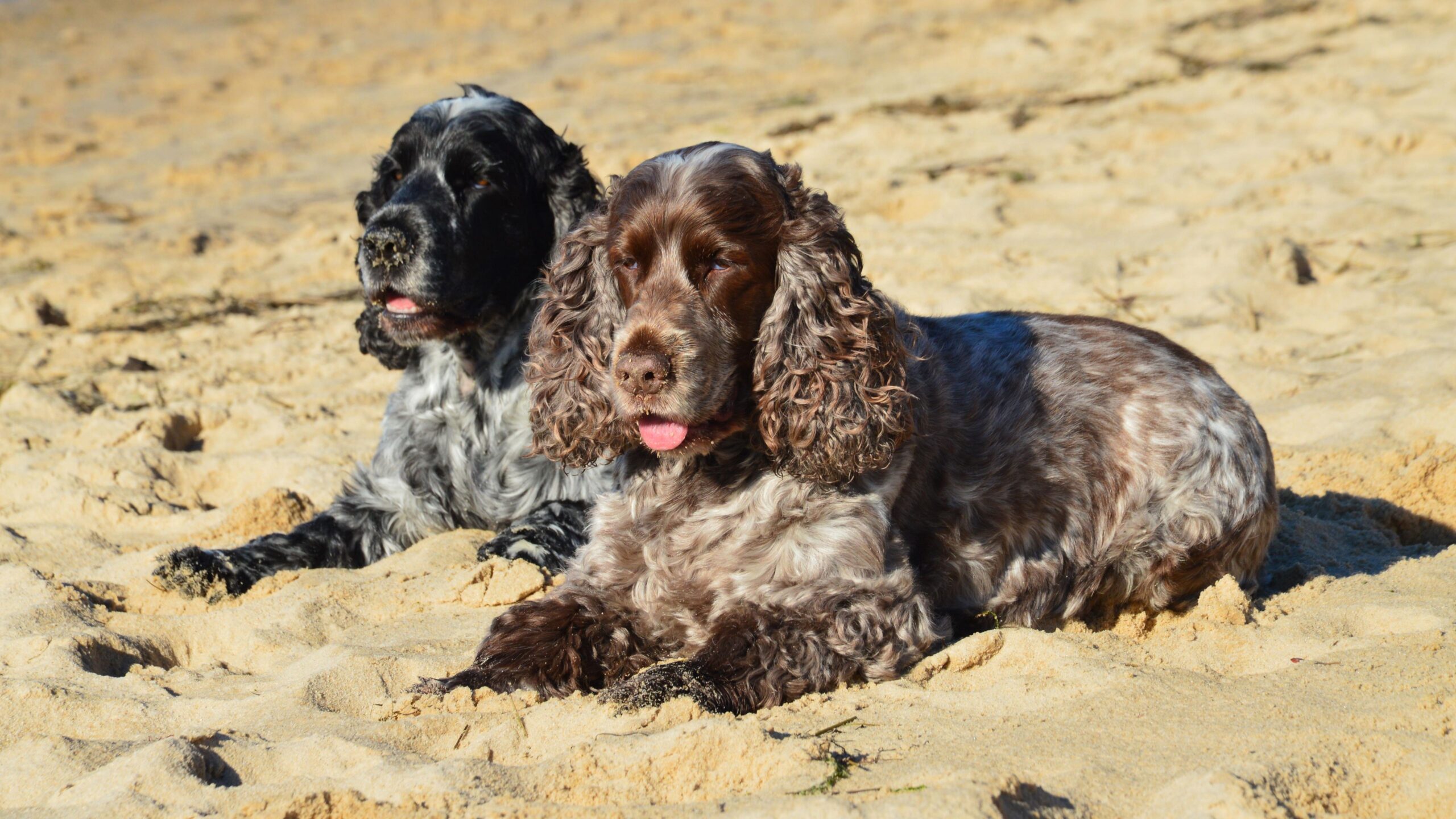
Certain breeds are more commonly affected.
If your dog is one of these breeds, it’s worth keeping skin check-ups as part of your regular wellness routine.
Basal cell tumors tend to have a recognizable appearance, though no visual description replaces a vet’s assessment. Here’s what owners typically notice:
Some basal cell tumors also look cystic, meaning they feel fluid-filled rather than solid. Note that cystic degeneration can sometimes cause a sudden change in size, which can be alarming but isn’t always a sign of malignancy. Others can ulcerate (break open) if they grow large enough. If you notice a lump changing quickly, bleeding, or growing fast, get your dog to the vet sooner rather than later.
This is the question every owner has, and it’s the one a vet genuinely cannot answer just by looking at a lump. Here’s why that matters, and how the different possibilities get sorted out.
A benign basal cell tumor stays put. It grows slowly, has defined borders, and doesn’t invade deeper tissue. Surgical excision (removal) is typically curative, meaning once it’s out, it’s gone. A basal cell carcinoma, on the other hand, is a cancerous version of the same tumor type. It’s more likely to grow into surrounding tissue and has a higher chance of returning after removal, though it rarely spreads to distant organs in dogs.
Some basal cell tumors look almost identical to follicular cysts (fluid-filled sacs that form around a hair follicle). Both can be soft, pigmented, and found in similar spots. A cyst is not a tumor at all, it’s more like a closed pocket under the skin. Only testing can tell them apart reliably.
This is the comparison that matters most. Mast cell tumors are one of the most common and potentially aggressive skin cancers in dogs, and they can look nearly identical to a benign basal cell tumor to the naked eye. Mast cell tumors require a very different treatment approach, which is exactly why vets don’t guess.
The only way to know what you’re dealing with is through testing.
Your vet will likely recommend one or both of these approaches:
Cytology and biopsy aren’t just formalities. They’re how your vet confirms whether a tumor is benign or malignant, and whether it’s a basal cell tumor at all versus a mast cell tumor or something else. Skipping this step means flying blind on treatment.
For benign basal cell tumors, surgical excision is the standard treatment and it works well. If the entire tumor is removed with clean margins (meaning no tumor cells at the edges of what was cut out), the prognosis is excellent. Recurrence is uncommon.
For basal cell carcinoma, surgery is still the primary approach, but your vet may recommend wider margins and closer follow-up monitoring. In some cases, additional treatment like radiation may be discussed, particularly if the tumor is in a location that makes full removal difficult.
Your vet will guide you on the right path based on what the diagnosis actually shows. There’s no one-size-fits-all answer here, which is another reason the diagnostic steps above matter so much.
The costs add up fast: the vet visit, the fine needle aspiration, the biopsy, the surgery, the follow-up.
If your dog develops a basal cell tumor after your Lemonade Pet policy is active, a base accident and illness policy can help cover eligible costs including diagnostic testing like cytology and biopsy, and mass-removal surgery, as long as the condition isn’t pre-existing and develops after the 14-day illness waiting period has passed.
If your dog already has a diagnosed lump when you enroll, it likely won’t be covered. Basal cell tumors are more common in senior dogs, and the odds of a skin mass appearing go up with age. Getting a quote while your dog is healthy is what keeps your options open when it matters most.
Finding a lump on your dog is stressful, and it makes sense to want answers right away. The good news with basal cell tumors is that the most common outcome is a straightforward surgery and a clean bill of health. But getting there requires knowing what you’re actually dealing with, and that means a vet visit, proper testing, and a real diagnosis. Don’t wait on a lump that’s changing, and don’t assume you know what it is before a vet does.
A few quick words, because we <3 our lawyers: This post is general in nature, and any statement in it doesn’t alter the terms, conditions, exclusions, or limitations of the policies issued, which differ according to your state of residence. You’re encouraged to discuss your specific circumstances with your own professional advisors. The purpose of this post is merely to provide you with info and insights you can use to make such discussions more productive! Naturally, all comments by, or references to, third parties represent their own views, and Lemonade assumes no responsibility for them. Coverage may not be available in all states. Please note that statements about coverages, policy management, claims processes, Giveback, and customer support apply to policies underwritten by Lemonade Insurance Company or Metromile Insurance Company, a Lemonade company, sold by Lemonade Insurance Agency, LLC. The statements do not apply to policies underwritten by other carriers.
Please note: Lemonade articles and other editorial content are meant for educational purposes only, and should not be relied upon instead of professional legal, insurance or financial advice. The content of these educational articles does not alter the terms, conditions, exclusions, or limitations of policies issued by Lemonade, which differ according to your state of residence. While we regularly review previously published content to ensure it is accurate and up-to-date, there may be instances in which legal conditions or policy details have changed since publication. Any hypothetical examples used in Lemonade editorial content are purely expositional. Hypothetical examples do not alter or bind Lemonade to any application of your insurance policy to the particular facts and circumstances of any actual claim.