
Why Are Your Dog's Eyelids Red, Swollen, and Crusty?
Blepharitis has several possible causes and the treatment depends on finding the right one. Here's what to know.

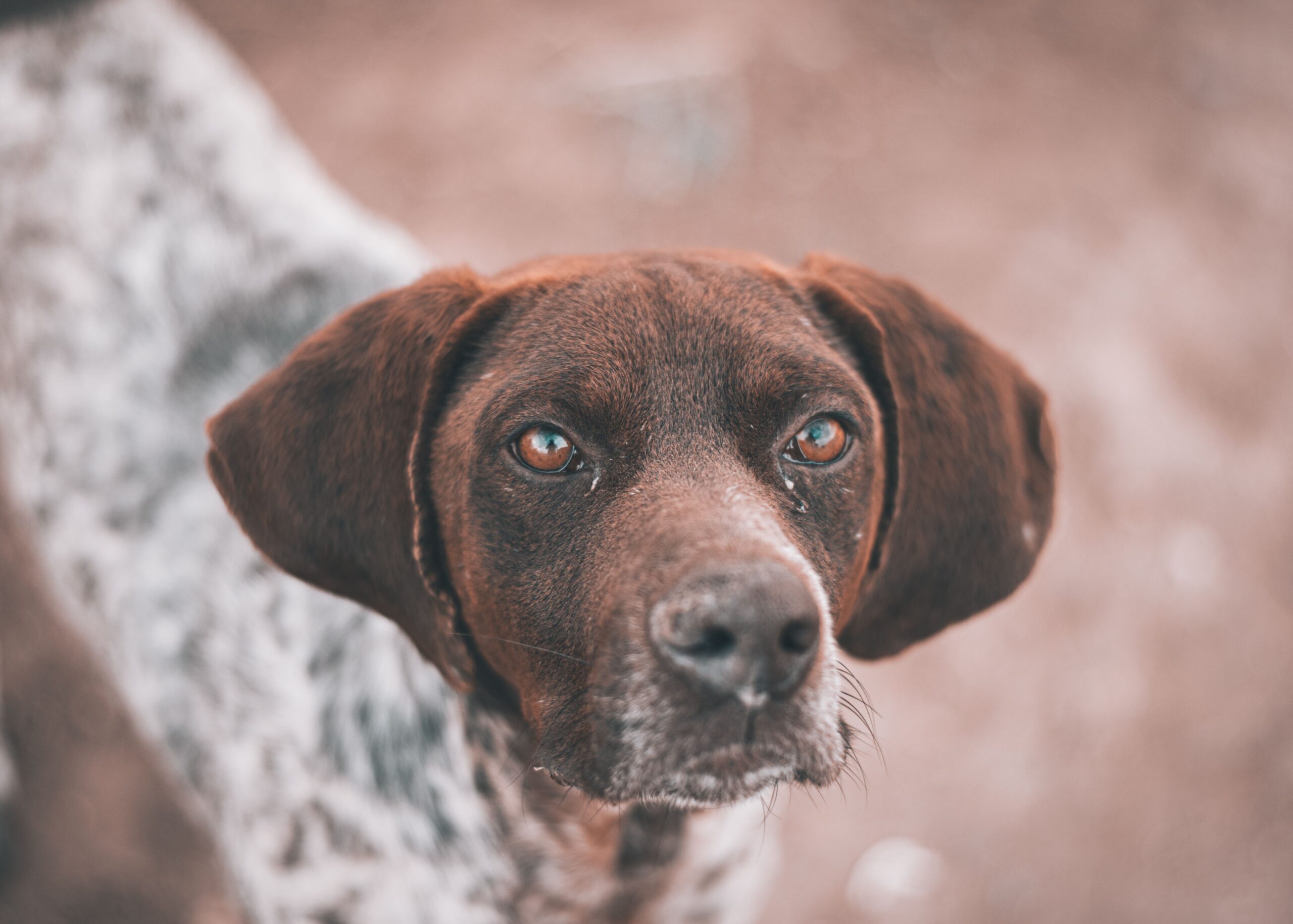
Blepharitis has several possible causes and the treatment depends on finding the right one. Here's what to know.
If your dog has a red, swollen, or crusty eyelid, you’re likely dealing with blepharitis, which is inflammation of the eyelid. It’s uncomfortable for your dog but usually very treatable. The key is finding what’s causing it, because blepharitis can stem from allergies, bacterial infections, parasites, or eyelid abnormalities, and the treatment depends entirely on the trigger. Here’s what to look for and what your vet will likely do about it.
 TL;DR
TL;DR
Blepharitis affects the eyelid itself, so what you’ll notice is mostly around the eye rather than inside it. Common signs include:
If the eye itself looks cloudy, or if your dog seems to be in significant pain, call your vet the same day rather than waiting.
The list of possible causes is longer than most people expect, which is exactly why vets don’t just treat the symptoms. They look for the trigger.
Allergies are one of the most common culprits. Dogs with environmental allergies, also called atopy, react to things like pollen, dust mites, and mold. The eyelids are part of the skin, so when allergies cause skin inflammation, the eyelids get caught up in it too. Food allergies can trigger the same response. Breeds already prone to skin allergies, like Bulldogs, Golden Retrievers, and Labrador Retrievers, are more likely to develop allergy-related blepharitis.
A bacterial infection of the eyelid skin, often Staphylococcus, can cause redness, crusting, and sometimes pus. Styes, which are small painful lumps caused by an infected eyelid gland, fall into this category. So does a chalazion, which is a blocked and swollen meibomian gland, one of the tiny oil-producing glands that line the inner edge of the eyelid. A chalazion isn’t infected the way a stye is, but it still needs attention.
Demodex are microscopic mites that live in hair follicles. Most dogs carry a small number without any issues, but in dogs with immune system imbalances, Demodex populations can overgrow and cause skin and eyelid inflammation. Your vet can check for this with a simple skin scraping test.
Some dogs are born with eyelid shapes that set them up for chronic irritation. Entropion, where the eyelid rolls inward so the lashes rub against the eye surface, is especially common in Shar-Peis, Chow Chows, and Bulldogs. That constant friction can cause or worsen blepharitis over time.
Lumps or growths on the eyelid can also trigger inflammation. Some eyelid tumors in dogs are benign, but they still need a vet’s evaluation to rule out anything more serious. If you notice a new bump on your dog’s eyelid, get it checked.
Your vet will start with a close look at the eyelid margins, skin texture, and any discharge. Depending on what they find, they may also:
Don’t be surprised if your vet wants to rule out a few causes before landing on a treatment plan. It’s the right approach.
Treatment is targeted to the cause, so there’s no single approach that works for every dog. Here’s some treatments your vet may reccomend, depending on the cause:
| Cause | Treatment |
|---|---|
| Bacterial infection or stye | Oral or topical antibiotics, sometimes both |
| Blocked meibomian gland | Warm compresses, sometimes minor surgical drainage |
| Demodex mites | Antiparasitic medication |
| Allergies | Antihistamines, prescription allergy medication, immunotherapy, or a diet change depending on the trigger |
| Entropion or eyelid tumor | Surgical correction or removal |
| General inflammation and crusting | Eye ointment or drops containing antibiotics or anti-inflammatories, applied directly to the eyelid |
For allergy-related blepharitis especially, treatment is often ongoing rather than a one-time fix.
Home care doesn’t replace your vet’s diagnosis or prescribed treatment, but it plays a real role in keeping your dog comfortable and helping the treatment work. Here’s how to do it right.
Soak a clean cloth or gauze pad in warm water and hold it gently against the closed eyelid for about five minutes. This softens crusting, soothes inflammation, and can help unblock oil glands. Do this before cleaning or applying any medication, and aim for two to three times a day unless your vet advises otherwise.
After the compress, use a fresh piece of damp gauze or a vet-recommended eye wipe to gently wipe away any discharge or crusting at the eyelid margins. Always wipe away from the inner corner of the eye outward, and use a clean section of gauze for each pass so you’re not spreading bacteria around.
If your vet has prescribed an eye ointment or drops, apply them after cleaning. For ointment, gently pull the lower eyelid down to create a small pocket and squeeze a thin ribbon in, then let your dog blink to spread it. For drops, hold the bottle above the eye and let them fall onto the surface without touching the tip to the eye or eyelid. Always wash your hands before and after.
Your dog will want to rub their eye, and every time they do, they risk making things worse or introducing more bacteria. An e-collar prevents this. It feels unkind, but it’s one of the most effective things you can do to help your dog heal faster. Keep it on whenever you can’t directly supervise them.
Yes, blepharitis is eligible for coverage under a Lemonade Pet accident and illness policy, as long as the underlying condition causing it isn’t pre-existing. That means if the blepharitis is being driven by allergies, a bacterial infection, Demodex mites, or another covered condition, that condition and its related treatment need to have developed after your policy started and after your waiting period passed.
For dogs with allergies or recurring eyelid inflammation, this can mean repeated vet visits, ongoing medication, and specialist referrals. Those costs add up quickly, especially when blepharitis is part of a broader skin or allergy condition that needs long-term management. Getting coverage in place while your dog is healthy is what makes it actually useful when you need it.
Blepharitis is manageable, but it rarely resolves on its own, and the right treatment depends on finding the cause. If your dog’s eyelids look red, swollen, or crusty, a vet visit is the right first move. Stay consistent with the at-home care routine, keep the e-collar on between supervised periods, and follow up with your vet if things aren’t improving within a few days of starting treatment. And if your dog isn’t already covered, now is a good time to look into it.
Blepharitis is usually treatable and not life-threatening, but it should be taken seriously. Left untreated, it can cause chronic discomfort, secondary infections, or damage to the eye itself. Some underlying causes, like eyelid tumors or severe infections, do require prompt attention.
Both environmental allergies (atopy), triggered by pollen, dust mites, or mold, and food allergies can cause blepharitis in dogs. Identifying the specific allergen usually requires allergy testing or a food elimination trial guided by your vet.
Home care supports your vet’s treatment but doesn’t replace it. You can apply warm compresses to soften crusts, gently clean the eyelid margins, apply any prescribed eye ointment or drops, and use an e-collar to stop your dog from rubbing the area.
It’s unlikely. Because blepharitis has many possible causes, it rarely resolves without treating the underlying issue. Without proper diagnosis and treatment, the inflammation can persist or worsen over time.
Breeds with skin folds or eyelid conformation issues (think Bulldogs, Shar-Peis, and Chow Chows) have a higher predisposition. Breeds prone to allergies, such as Golden Retrievers and Labrador Retrievers, are also at elevated risk.
A few quick words, because we <3 our lawyers: This post is general in nature, and any statement in it doesn’t alter the terms, conditions, exclusions, or limitations of the policies issued, which differ according to your state of residence. You’re encouraged to discuss your specific circumstances with your own professional advisors. The purpose of this post is merely to provide you with info and insights you can use to make such discussions more productive! Naturally, all comments by, or references to, third parties represent their own views, and Lemonade assumes no responsibility for them. Coverage may not be available in all states. Please note that statements about coverages, policy management, claims processes, Giveback, and customer support apply to policies underwritten by Lemonade Insurance Company or Metromile Insurance Company, a Lemonade company, sold by Lemonade Insurance Agency, LLC. The statements do not apply to policies underwritten by other carriers.
Please note: Lemonade articles and other editorial content are meant for educational purposes only, and should not be relied upon instead of professional legal, insurance or financial advice. The content of these educational articles does not alter the terms, conditions, exclusions, or limitations of policies issued by Lemonade, which differ according to your state of residence. While we regularly review previously published content to ensure it is accurate and up-to-date, there may be instances in which legal conditions or policy details have changed since publication. Any hypothetical examples used in Lemonade editorial content are purely expositional. Hypothetical examples do not alter or bind Lemonade to any application of your insurance policy to the particular facts and circumstances of any actual claim.