
Are You Ready to Own a Brachycephalic Cat?
Flat-faced cats are charming and lovable. Going in prepared makes all the difference.

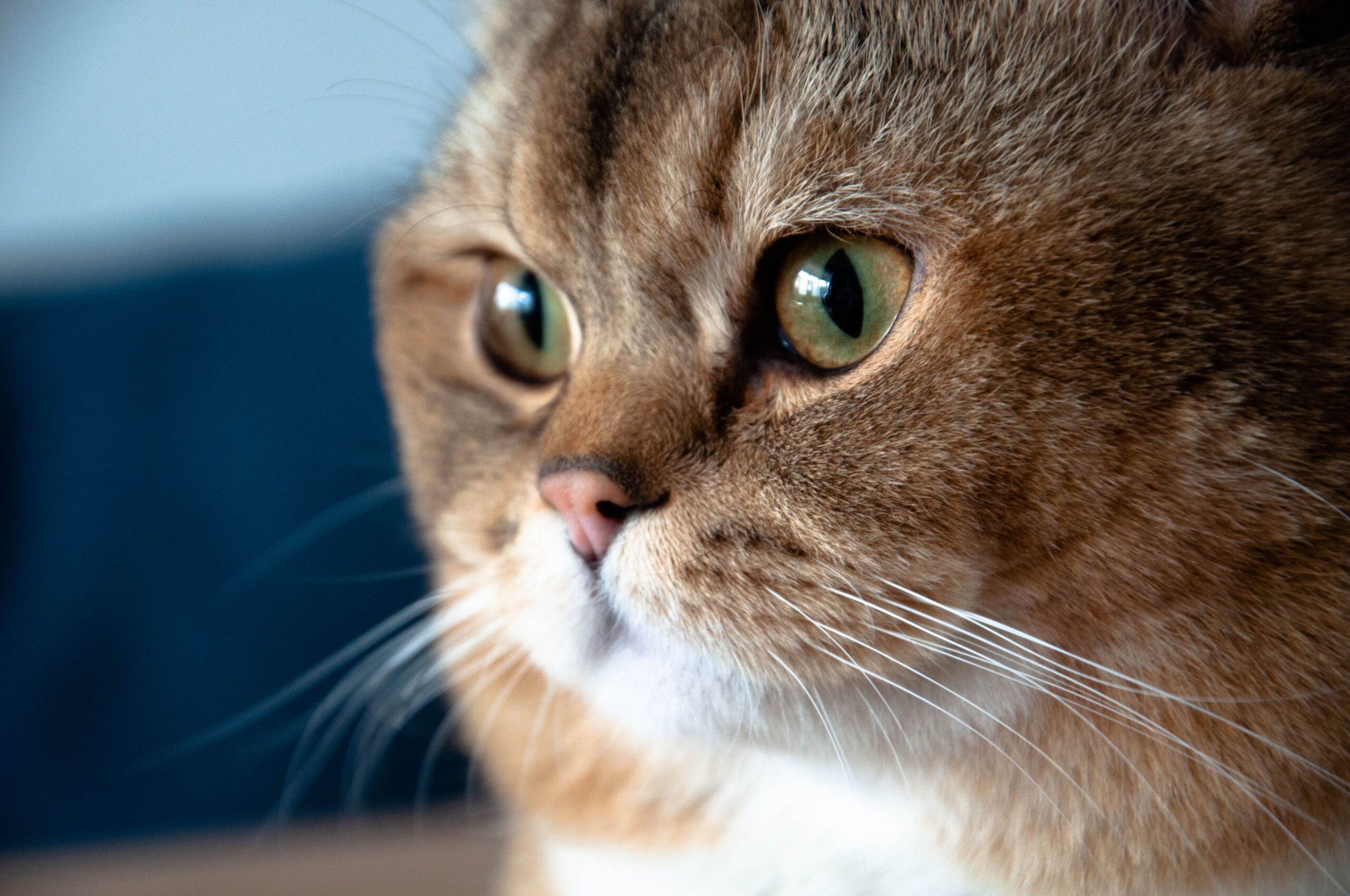
Flat-faced cats are charming and lovable. Going in prepared makes all the difference.
If you’ve ever been charmed by a cat with a flat, smooshed face, you’re already familiar with brachycephalic cats, even if you didn’t know the word for it. Breeds like Persians, Himalayans, and Exotic Shorthairs are beloved for their round heads and big eyes, but that distinctive look comes with a set of health needs worth understanding before you bring one home. This isn’t a reason to hesitate. It’s a reason to go in prepared.
 TL;DR
TL;DR
The word brachycephalic comes from the Greek for “short head,” but in practice it just means flat-faced. These cats have skulls that have been selectively bred over generations to be wider and flatter than a typical cat’s. That’s what gives them their distinctive round-faced look. The catch is that while the bones get compressed, the soft tissue inside, the nostrils, airway, and palate, doesn’t shrink to match. There’s simply more tissue than space, and that mismatch is what can lead to health challenges down the line.
You’ve probably already met at least one of these breeds without realizing they had a clinical name:
Brachycephalic airway syndrome, sometimes called BAS or BOAS, is the umbrella term vets use for the breathing-related challenges that flat-faced cats can develop. It’s not one single condition but a collection of anatomical quirks that come with the compressed skull structure, and they can show up together or on their own.
The three most common ones are worth knowing by name, because you’ll likely hear them at the vet:
At home, the signs to watch for are snoring even at rest, noisy or labored breathing, mouth breathing in a cat that isn’t hot or stressed, and a reluctance to play or exercise that seems out of character. Any of these on their own might be normal for the breed, but if your cat regularly breathes through their mouth or seems to struggle to catch their breath, that’s worth a vet conversation sooner rather than later.
Breathing isn’t the only thing to be aware of. The same compressed skull structure that affects the airway creates a few other health considerations worth knowing about.
The eye socket is shallower than in a typical cat, so the eyes sit further forward and are more exposed. That makes them more vulnerable to scratches, infections, and in more serious cases, partial slipping out of the socket. Daily gentle cleaning and staying alert to redness or discharge is just part of the routine.
Blocked or narrow tear ducts mean tears spill down the face instead of draining properly, leaving reddish-brown staining below the eyes. It’s mostly cosmetic, but regular cleaning prevents skin irritation underneath.
A shortened jaw means the teeth still have to fit somewhere, and they don’t always line up the way they should. Overcrowding and misalignment can make eating uncomfortable and accelerate dental disease.
The wrinkles around the nose and face trap moisture and debris. Without regular cleaning, that buildup leads to skin fold dermatitis, irritation and infection in the folds. A quick wipe a few times a week keeps it in check.
Brachycephalic cats can’t regulate their temperature as efficiently as other cats. In warm weather they can overheat faster than you’d expect, so keeping your home cool and avoiding direct sun or hot cars is genuinely important.
Flat-faced cats carry a higher risk during any procedure requiring sedation. Their narrowed airways make intubation more complicated and recovery requires careful monitoring. Finding a vet experienced with brachycephalic breeds isn’t just a nice-to-have. For dental work or surgery, it genuinely matters.
Not all flat-faced cats are equally affected, and a good breeder will be transparent about health. Here’s what to look for in person, what to ask, and how to set your cat up well once they’re home.
| What to observe in person | Questions to ask the breeder |
|---|---|
| Watch them breathe at rest. It should be quiet and easy, not audible from across the room. | Have the parents been screened for brachycephalic airway syndrome? |
| Look at the nostrils. There should be a visible opening, not nearly pinched shut. | Has either parent had brachycephalic surgery like nasal widening or soft palate correction? |
| Check whether they breathe through their nose or mouth when calm. | What’s the health history of previous litters from these parents? |
| Look at the eyes. Some prominence is normal, but they shouldn’t look like they’re about to pop out. | Has a vet examined this kitten, and can you see those records? |
| Check skin folds around the nose for any redness or irritation. | What’s your policy if the kitten develops a health issue shortly after adoption? |
| Watch them move and play. Do they tire quickly or make respiratory noise when active? |
A reputable breeder will welcome these questions. If they get defensive or vague, keep looking. Price isn’t a reliable indicator of health screening, a kitten can cost anywhere from $500 to over $3,000 depending on breed and breeder, so ask the questions regardless.
| What to do | Why it matters |
|---|---|
| Keep them at a healthy weight | Extra weight puts additional pressure on an already-compromised airway |
| Manage heat carefully | Brachycephalic cats overheat faster than other breeds. Keep your home cool and avoid hot cars or direct sun. |
| Clean skin folds a few times a week | Moisture and debris trapped in facial folds can quickly lead to infection |
| Clean around the eyes daily | Reduces tear staining and helps you catch any early signs of irritation or infection |
| Check airline policies before traveling | Many airlines restrict brachycephalic breeds in cargo holds due to respiratory risk |
| Find a vet experienced with the breed | Especially important for anesthesia, dental work, and any surgical procedures |
Brachycephalic surgery, eye care, and ongoing skin fold management can add up quickly. A Lemonade accident and illness policy can help cover eligible conditions that aren’t pre-existing, meaning your cat shouldn’t be showing signs or symptoms of a condition before your policy starts or during your waiting period. Dental work is a separate consideration: dental illnesses and cleanings aren’t covered under the base policy and require an optional dental add-on.
For brachycephalic breeds, enrolling early is especially important. Waiting until breathing problems appear or a BAS diagnosis is already on record means those conditions would likely be excluded from coverage. Getting coverage in place while your kitten is healthy is what keeps your options open.
Flat-faced cats are genuinely wonderful companions. They’re affectionate, gentle, and often hilariously low-drama in their personalities. But they do need owners who go in prepared. Understanding what brachycephalic means, knowing the signs of airway and related health issues, doing your homework before adoption, and building a care routine that accounts for their specific needs, that’s what sets a brachycephalic cat up for a good life.
And enrolling them in pet insurance while they’re still a healthy kitten? That’s just one of the smarter things you can do for both of you.
Yes, Persians are one of the most extreme brachycephalic cat breeds, with a very flat face and a high likelihood of airway, eye, and dental issues related to their skull shape.
Yes, British Shorthairs are brachycephalic, though typically to a milder degree than Persians or Exotic Shorthairs. They still warrant the same health monitoring for breathing and related issues.
Brachycephalic airway syndrome (BAS or BOAS) is a group of breathing-related anatomical problems common in flat-faced cats, including stenotic nares (narrowed nostrils) and an elongated soft palate. Signs include snoring, mouth breathing, and difficulty with exercise.
Yes, brachycephalic surgery, such as widening the nostrils or shortening an elongated soft palate, can significantly improve a cat’s quality of life. Your vet can assess whether your cat is a good candidate based on the severity of their symptoms.
A few quick words, because we <3 our lawyers: This post is general in nature, and any statement in it doesn’t alter the terms, conditions, exclusions, or limitations of the policies issued, which differ according to your state of residence. You’re encouraged to discuss your specific circumstances with your own professional advisors. The purpose of this post is merely to provide you with info and insights you can use to make such discussions more productive! Naturally, all comments by, or references to, third parties represent their own views, and Lemonade assumes no responsibility for them. Coverage may not be available in all states. Please note that statements about coverages, policy management, claims processes, Giveback, and customer support apply to policies underwritten by Lemonade Insurance Company or Metromile Insurance Company, a Lemonade company, sold by Lemonade Insurance Agency, LLC. The statements do not apply to policies underwritten by other carriers.
Please note: Lemonade articles and other editorial content are meant for educational purposes only, and should not be relied upon instead of professional legal, insurance or financial advice. The content of these educational articles does not alter the terms, conditions, exclusions, or limitations of policies issued by Lemonade, which differ according to your state of residence. While we regularly review previously published content to ensure it is accurate and up-to-date, there may be instances in which legal conditions or policy details have changed since publication. Any hypothetical examples used in Lemonade editorial content are purely expositional. Hypothetical examples do not alter or bind Lemonade to any application of your insurance policy to the particular facts and circumstances of any actual claim.