

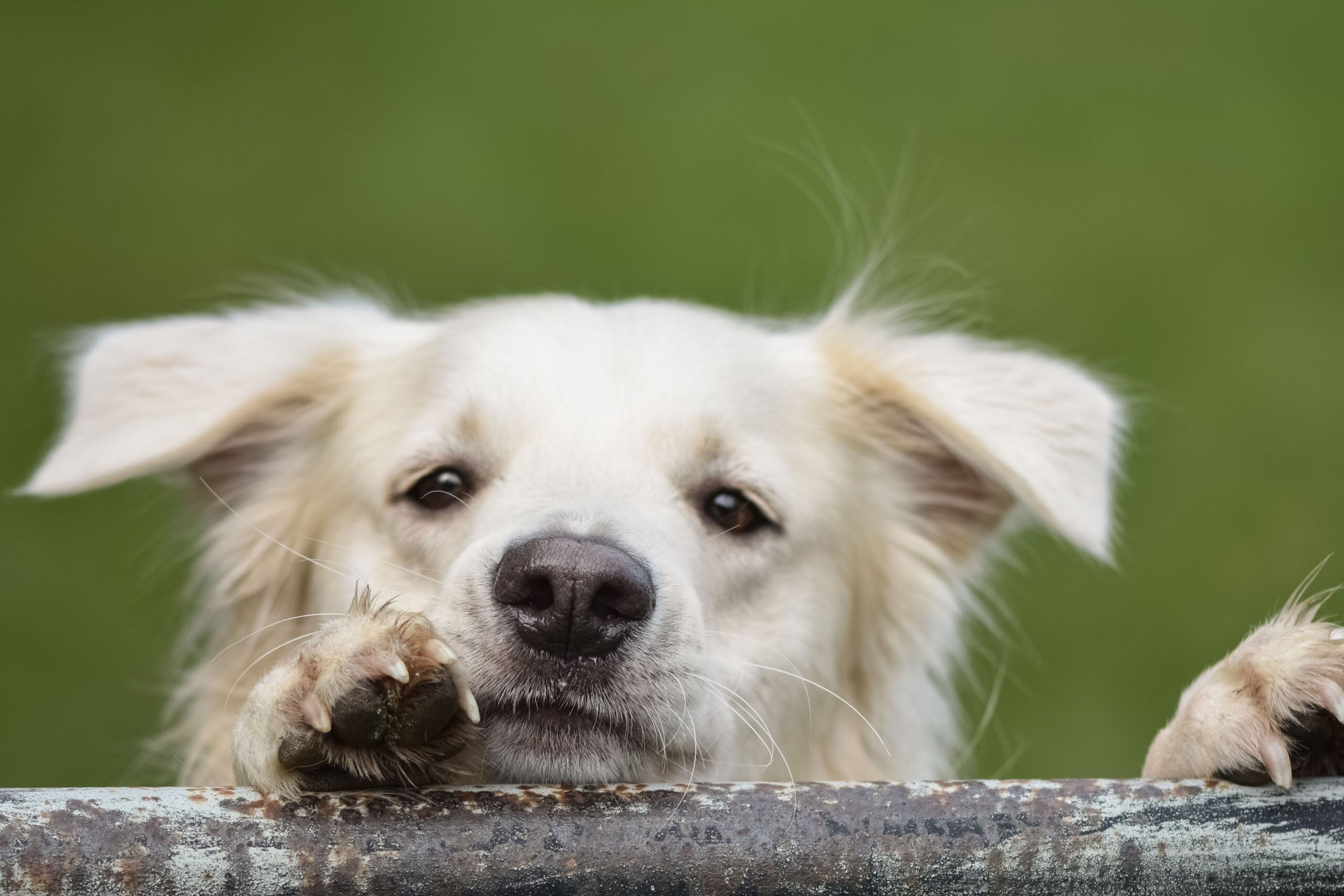
If your dog has sudden diarrhea, sometimes with blood, campylobacter might be why. It’s one of the most common bacterial causes of digestive illness in dogs, especially puppies, and most cases resolve within a week or two. But some need veterinary care, and one thing most articles skip: this infection can spread from your dog to you.
 TL;DR
TL;DR
- Campylobacter is a bacterial infection that causes diarrhea in dogs, especially puppies. Many cases are mild and clear up on their own in one to two weeks.
- Dogs pick it up from contaminated food or water, raw meat, infected animals, or stressful environments like shelters and pet stores.
- Diagnosis usually involves a fecal PCR test or culture. Treatment is mostly supportive care, with antibiotics like azithromycin reserved for severe cases.
- This infection is zoonotic, meaning it can spread from your dog to people in your household. Hygiene matters a lot here.
- Campylobacter is covered under a Lemonade Pet accident and illness policy, as long as it’s not pre-existing and develops after the 14-day illness waiting period has passed.
Symptoms of campylobacter in dogs
The signs of a campylobacter infection look a lot like other stomach bugs, which is part of why it needs a proper diagnosis to confirm. Symptoms typically show up 2 to 5 days after exposure.
- Watery or mucus-filled diarrhea, sometimes with blood: The most common sign. Any bloody diarrhea warrants a same-day vet call, not monitoring at home.
- Vomiting: Combined with diarrhea, this increases the risk of dehydration quickly, especially in puppies.
- Fever: Your dog may feel warm to the touch. A fever alongside GI symptoms is a prompt vet visit.
- Loss of appetite: A dog turning away from food alongside diarrhea warrants a call to your vet.
- Lethargy or low energy: Combined with any of the above, don’t wait.
- Abdominal cramping or signs of belly discomfort: Your dog may seem restless, hunch their back, or be uncomfortable when touched near the belly.
- Dehydration: The biggest concern with younger dogs. Signs include dry gums, sunken eyes, and skin that doesn’t spring back when gently pinched. Dehydration in a puppy is a same-day emergency.
Puppies, senior dogs, and dogs with compromised immune systems tend to have more severe symptoms. Young dogs can decline fast if diarrhea goes on for more than a day or two.
How dogs get campylobacter
Campylobacter spreads through the fecal-oral route: a dog comes into contact with contaminated feces or something contaminated by it, then ingests the bacteria. Common sources include:
- Raw or undercooked meat, particularly poultry
- Contaminated water sources (streams, puddles, standing water)
- Contact with infected dogs, cats, birds, or wildlife
- High-density environments like shelters, kennels, and pet stores
- Stress, which can allow bacteria already present in the gut to overgrow
Some dogs carry Campylobacter jejuni in their gut without ever showing symptoms. Stress or a concurrent infection can tip the balance, causing the bacteria to multiply and symptoms to appear. This is why newly adopted puppies or dogs who’ve recently been through a big change are especially vulnerable.
How long campylobacter lasts in dogs
In most otherwise healthy adult dogs, campylobacter infection clears up within 5 to 15 days with supportive care. Puppies and immunocompromised dogs may take longer, or may need more active treatment to recover fully.
Even after symptoms resolve, some dogs can continue to shed the bacteria in their stool for weeks. That’s worth keeping in mind if you have multiple pets or young children at home, since the risk of spread doesn’t stop the moment your dog starts feeling better.
Diagnosis and treatment
How vets diagnose campylobacter
Because diarrhea in dogs has many possible causes, your vet will want to confirm campylobacter specifically before treating for it. The most common approach is a fecal PCR test, which looks for the bacteria’s genetic material in your dog’s stool sample. It’s fast, accurate, and doesn’t require the bacteria to be grown in a lab. A fecal culture, where stool is tested in a lab to see what bacteria grow, is another option and can also show whether the strain is resistant to certain antibiotics.
How campylobacter is treated
For mild cases, treatment is mostly supportive: rest, hydration, and a bland diet to let the gut recover. Your vet may recommend:
- Fluid therapy (oral or intravenous, depending on severity) to address dehydration
- A temporary bland diet like plain boiled chicken and rice
- Probiotics to help restore healthy gut bacteria
- Antibiotics for severe or prolonged cases
When antibiotics are needed, your vet may prescribe azithromycin or erythromycin, both of which are effective against Campylobacter jejuni in many cases. Antibiotic resistance is a real concern here. Multidrug-resistant strains have been documented, so your vet will typically use culture sensitivity results to guide the choice.
There’s no home treatment proven to clear the infection. Keeping your dog hydrated and comfortable at home can support recovery in mild cases, but it’s not a substitute for a vet visit, especially if your dog is a puppy, is vomiting repeatedly, or has bloody diarrhea.
The puppy-to-people risk: why campylobacter is a household issue
Campylobacter is zoonotic, meaning it can spread from your dog to the people in your home. In fact, it’s one of the leading causes of bacterial diarrhea in humans in the United States.
If your dog has been diagnosed with campylobacter (or you suspect it):
- Wash your hands thoroughly with soap and water after handling your dog, cleaning up their stool, or touching their food or water bowls
- Keep children away from the dog’s waste, and supervise handwashing after they interact with the dog
- Wear gloves when cleaning up diarrhea, and dispose of waste promptly
- Disinfect any surfaces your dog has had contact with
- Avoid letting your dog lick your face or hands while they’re symptomatic
- If anyone in the household develops diarrhea, fever, or stomach cramps, let their doctor know about the dog’s diagnosis
Immunocompromised people, pregnant people, young children, and the elderly are at higher risk of serious illness. If any of those people live in your home, take the hygiene precautions especially seriously.
Is campylobacter in dogs covered by pet insurance?
Diagnosing and treating campylobacter can add up quickly, especially when you factor in a fecal PCR test, a vet exam, fluids, and possibly antibiotics.
Campylobacter is covered under a Lemonade Pet accident and illness policy, as long as it’s not pre-existing and develops after the 14-day illness waiting period has passed. If your dog is already showing symptoms when you enroll, this illness won’t be covered. Getting a quote and enrolling while your dog is healthy is the move that gives you the most coverage when you actually need it.
Before we go
Campylobacter in dogs is scary to see, but it’s treatable, and most dogs come through it just fine. The keys are catching it early, keeping your dog hydrated, getting the right diagnosis, and taking hygiene seriously so it doesn’t spread to the rest of your household. If your dog is a puppy or their symptoms are getting worse instead of better, don’t wait. Call your vet.
Frequently Asked Questions
Is campylobacter in dogs deadly?
It’s rarely fatal in otherwise healthy adult dogs, but it can be very serious in puppies, senior dogs, or dogs with weakened immune systems. Dehydration is the main danger, so get veterinary care quickly if your dog is a puppy or symptoms are severe.
How does a vet test for campylobacter in dogs?
The most common method is a fecal PCR test, which detects the bacteria’s genetic material in a stool sample. A fecal culture can also be used and helps identify whether the bacteria are resistant to certain antibiotics.
Can I catch campylobacter from my dog?
Yes. Campylobacter is zoonotic, meaning it can spread from dogs to people. Wash your hands thoroughly after handling your dog or cleaning up their waste, especially while they’re sick.
How long does campylobacter last in dogs?
Most cases resolve within 5 to 15 days with proper care. However, some dogs continue shedding the bacteria in their stool for weeks after symptoms clear up, so hygiene precautions should continue.
Will my dog need antibiotics for campylobacter?
Not always. Mild cases often resolve with supportive care like fluids and a bland diet. Your vet may prescribe antibiotics like azithromycin or erythromycin for more severe infections, guided by culture results to address any antibiotic resistance.
A few quick words, because we <3 our lawyers: This post is general in nature, and any statement in it doesn’t alter the terms, conditions, exclusions, or limitations of the policies issued, which differ according to your state of residence. You’re encouraged to discuss your specific circumstances with your own professional advisors. The purpose of this post is merely to provide you with info and insights you can use to make such discussions more productive! Naturally, all comments by, or references to, third parties represent their own views, and Lemonade assumes no responsibility for them. Coverage may not be available in all states. Please note that statements about coverages, policy management, claims processes, Giveback, and customer support apply to policies underwritten by Lemonade Insurance Company or Metromile Insurance Company, a Lemonade company, sold by Lemonade Insurance Agency, LLC. The statements do not apply to policies underwritten by other carriers.