
Understanding Cataracts in Dogs
What cloudy eyes could mean for your dog, and what you can do about it.

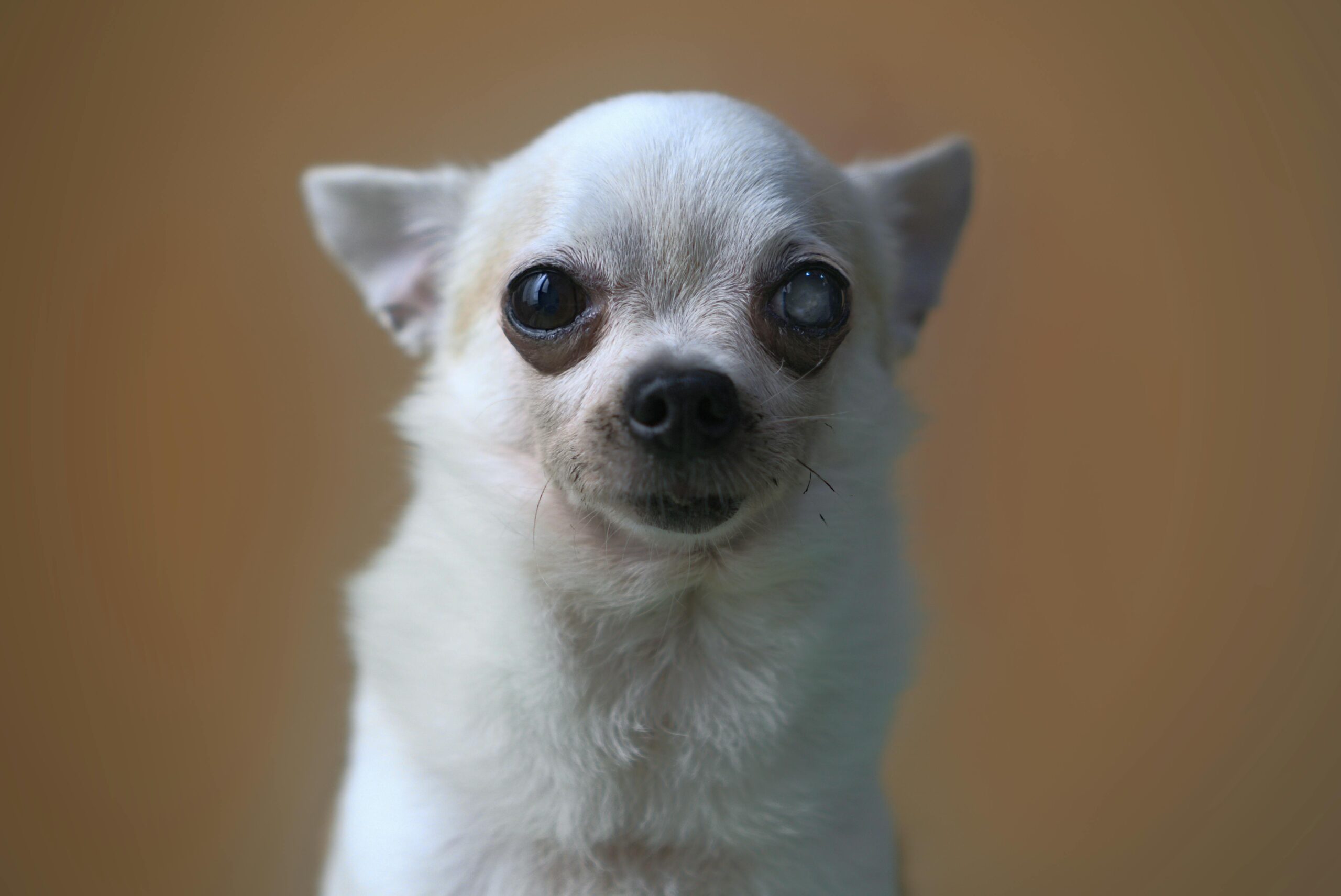
What cloudy eyes could mean for your dog, and what you can do about it.
Noticing your dog’s eyes turning cloudy can be unsettling, especially if they’re bumping into furniture or hesitating in dim light. Cataracts, a condition where the lens of the eye becomes cloudy, are one of the leading causes of vision loss in dogs. They’re not uncommon, but they can be mistaken for other eye changes, like the normal bluish haze that comes with age. This article covers what cataracts are, how to recognize them, what the stages mean, and what treatment looks like, so you know what you’re dealing with and what comes next.
 TL;DR
TL;DR
Cataracts occur when the lens inside your dog’s eye becomes cloudy, preventing light from reaching the retina. This results in blurry or impaired vision. Unlike the slight bluish haze caused by nuclear sclerosis (a normal aging change that doesn’t significantly affect sight), cataracts block vision and often require intervention.
Over time, untreated cataracts can lead to complications like glaucoma or retinal detachment, making it important to identify and address them early on.
Early signs of cataracts can be subtle, but here are a few things to watch for:
Some cataracts, especially in the early stages, might not cause noticeable symptoms. This is why regular checkups with your vet are so essential.
Several factors can lead to cataracts. In many cases, they’re linked to genetics. Some breeds-like Cocker Spaniels, Labrador Retrievers, Poodles, Siberian Huskies, and Golden Retrievers-are particularly prone to hereditary cataracts.
Cataracts aren’t all-or-nothing-they progress in stages, which can affect your dog’s symptoms and treatment options:
Your vet will perform a thorough eye exam to confirm cataracts and rule out lookalikes like nuclear sclerosis. This often includes:
Surgery is the only way to restore vision once cataracts have developed. The most common procedure is phacoemulsification, where ultrasound breaks up the cloudy lens, and it’s replaced with an artificial lens.
Here’s what you should know about the surgery:
In dogs not eligible for surgery due to complications like glaucoma or retinal damage, vets may prescribe anti-inflammatory eye drops to manage symptoms and prevent discomfort. While some products claim to dissolve cataracts, no drops have been proven effective for this purpose.
Cataract surgery isn’t cheap. It can range from $2,500 to $4,000 per eye, depending on your dog’s needs. Plus, follow-up visits and medications add to that total.
That’s where pet insurance comes in. At Lemonade, our pet insurance covers illnesses like cataracts (as long as they aren’t pre-existing). That includes diagnostics, surgery, and follow-up care. For breeds that are genetically predisposed, like Cocker Spaniels, Poodles, and Golden Retrievers, getting coverage in place before any symptoms appear is especially important. Once a condition is on your dog’s medical record, it’ll likely become pre-existing and can’t be covered going forward.
A cataract diagnosis can feel overwhelming, especially when surgery is on the table. But cataracts are one of the more treatable causes of vision loss in dogs, and most dogs do well with the right care. Start by booking an exam with your vet if you’ve noticed any changes in your dog’s eyes. The earlier it’s caught, the more options you have.
And if you’re thinking about pet insurance, getting coverage in place now, before any symptoms appear, means you’ll be ready for whatever comes next. Get a quote today.
No, cataracts don’t go away without treatment. They often worsen over time.
Most dogs recover within a few weeks but will need follow-ups and ongoing care.
Breeds like Cocker Spaniels, Labs, Poodles, and Huskies are more susceptible.
A few quick words, because we <3 our lawyers: This post is general in nature, and any statement in it doesn’t alter the terms, conditions, exclusions, or limitations of the policies issued, which differ according to your state of residence. You’re encouraged to discuss your specific circumstances with your own professional advisors. The purpose of this post is merely to provide you with info and insights you can use to make such discussions more productive! Naturally, all comments by, or references to, third parties represent their own views, and Lemonade assumes no responsibility for them. Coverage may not be available in all states. Please note that statements about coverages, policy management, claims processes, Giveback, and customer support apply to policies underwritten by Lemonade Insurance Company or Metromile Insurance Company, a Lemonade company, sold by Lemonade Insurance Agency, LLC. The statements do not apply to policies underwritten by other carriers.
Please note: Lemonade articles and other editorial content are meant for educational purposes only, and should not be relied upon instead of professional legal, insurance or financial advice. The content of these educational articles does not alter the terms, conditions, exclusions, or limitations of policies issued by Lemonade, which differ according to your state of residence. While we regularly review previously published content to ensure it is accurate and up-to-date, there may be instances in which legal conditions or policy details have changed since publication. Any hypothetical examples used in Lemonade editorial content are purely expositional. Hypothetical examples do not alter or bind Lemonade to any application of your insurance policy to the particular facts and circumstances of any actual claim.