
What Is a Chemodectoma in Dogs, and What Can I Do About It?
Heart base tumor: symptoms, treatment, and prognosis.

Heart base tumor: symptoms, treatment, and prognosis.
If your vet just mentioned a chemodectoma, here’s what you need to know. It’s a tumor that grows at the base of the heart, and while it’s usually slow-moving, the real danger is what it can trigger: fluid building up around the heart. That’s the part that can become a medical emergency fast.
 TL;DR
TL;DR
A chemodectoma is a tumor that grows from specialized cells near the base of the heart, right where the major blood vessels connect. These cells are part of the body’s chemical-sensing system, which is why the tumor is also called an aortic body tumor or heart base tumor. Medically, it’s classified as a paraganglioma, which just means a neuroendocrine tumor (a tumor that grows from nerve and hormone-producing tissue) located outside of the adrenal glands.
So is a chemodectoma a cancer? Technically, yes. But it behaves differently from most cancers. It grows slowly, and it only spreads to other parts of the body in a minority of cases. The bigger problem is location: sitting right against the heart and major vessels, even a slow-growing tumor can cause serious complications.
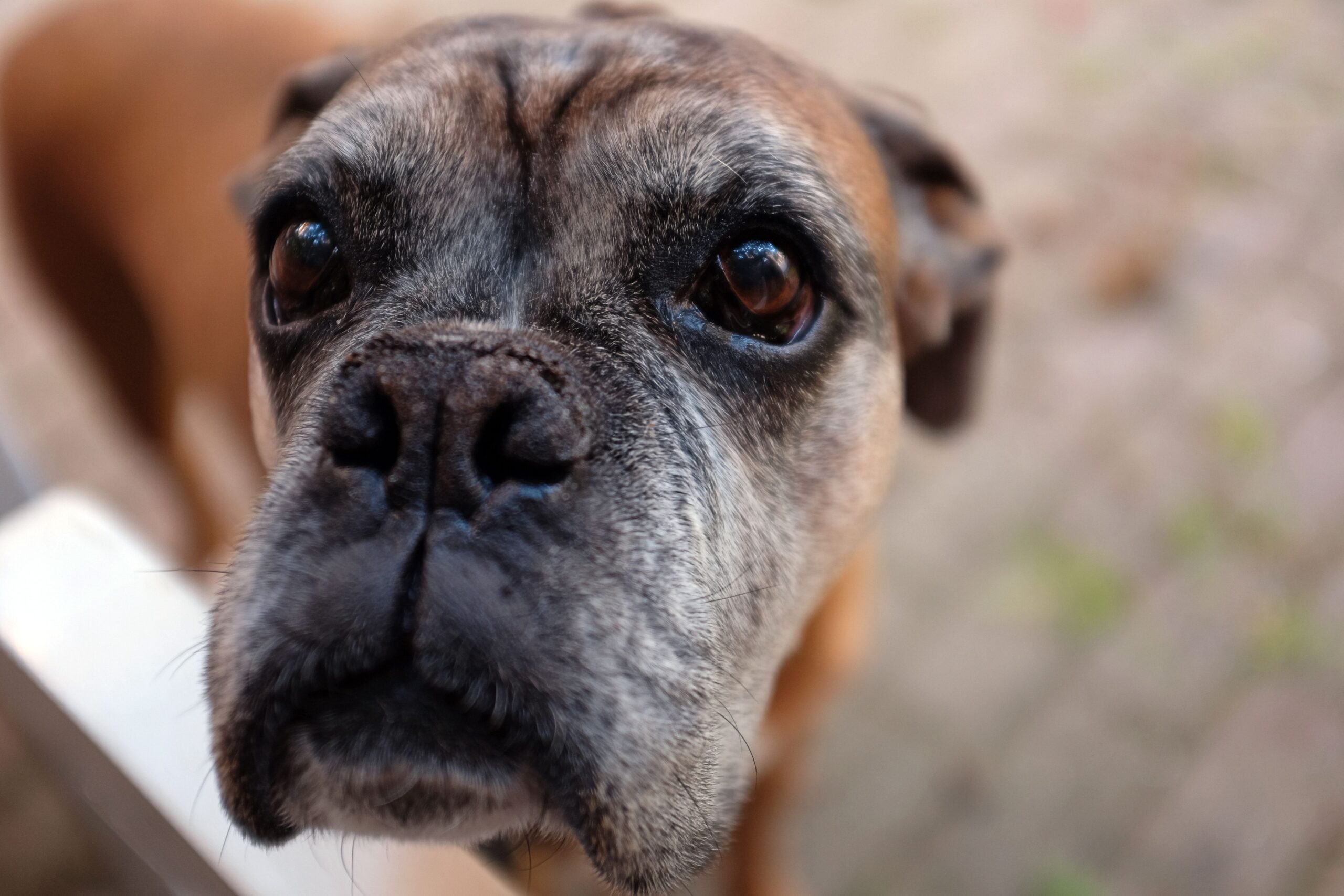
Chemodectomas show up most often in older dogs, typically those 8 years and up. Brachycephalic breeds (dogs with flat or shortened faces) have a significantly higher risk. Boxers and Bulldogs are at the top of that list, though Boston Terriers and other flat-faced breeds are also overrepresented. The leading theory is that brachycephalic dogs work harder to breathe, which chronically stresses those chemical-sensing cells near the heart over time.
That said, any dog can develop one. Large breeds and male dogs also appear slightly more prone, though chemodectomas aren’t exclusively a brachycephalic problem.
Chemodectoma symptoms in dogs are often subtle at first, which is part of what makes them tricky. Because the tumor grows slowly and sits near the heart, early signs can look like general aging or mild heart trouble. Common things owners notice include:
As pericardial effusion (fluid around the heart) develops, these signs can escalate. If you’re seeing any of the warning signs in the next section, don’t wait for a regular appointment.
This is the part that matters most in a crisis. Pericardial effusion means fluid is collecting inside the pericardium, the thin sac that surrounds the heart. As the fluid builds, it presses on the heart and prevents it from filling and pumping properly. This is called cardiac tamponade, and it can be fatal if not treated urgently.
The chemodectoma doesn’t have to be large or aggressive to trigger this. The tumor’s location near the heart is enough to cause irritation and fluid buildup, which is why dogs with seemingly mild symptoms can deteriorate quickly. This is the reason monitoring and early intervention matter so much with this particular tumor type.
Because the symptoms overlap with other heart conditions, vets usually start with an echocardiogram, an ultrasound of the heart, which can often reveal the tumor sitting at the heart base and show whether fluid has accumulated around it. Chest X-rays may also show an enlarged heart silhouette if fluid is present. Advanced imaging like a CT scan gives a clearer picture of the tumor’s size and exact position, which matters for treatment planning.
Treatment for chemodectomas in dogs depends on how far things have progressed and what your dog can tolerate. Your vet may recommend one or more of the following:
The prognosis for a chemodectoma in dogs is more optimistic than many people expect given the word “cancer.” Because this tumor grows slowly and rarely spreads aggressively, many dogs live well beyond the initial diagnosis with appropriate management. Dogs treated with surgery, radiation, or both have been reported to survive one to two years or longer after diagnosis. Dogs managed with repeated pericardiocentesis alone may have shorter windows but can still have good quality of life for months. Your vet will give you the most realistic picture based on your dog’s individual situation.
The costs here add up quickly. An echocardiogram, emergency pericardiocentesis, and radiation can run into the thousands, and that’s before any specialist referrals or follow-up imaging.
If your dog develops a chemodectoma after your Lemonade Pet accident and illness policy is active, it can help cover eligible costs including diagnostics, emergency procedures like pericardiocentesis, and radiation or surgery, as long as the condition isn’t pre-existing and develops after the 14-day illness waiting period has passed.
If your dog hasn’t shown any symptoms yet and you’re reading this because of their breed or age, getting a quote now is genuinely the move that protects you most. Once a condition is diagnosed, it won’t be eligible for coverage going forward.
A chemodectoma diagnosis is a lot to sit with. But these tumors are often more manageable than the word “cancer” implies, and many dogs with heart base tumors go on to have good quality of life with the right care. The most important thing you can do right now is work closely with your vet, know the emergency signs to act on fast, and make sure your dog has coverage in place before something unexpected happens.
Not necessarily. Chemodectomas are slow-growing and rarely spread aggressively. Many dogs live a year or more after diagnosis with treatment, and some live significantly longer. Prognosis depends on the size of the tumor, whether fluid has built up around the heart, and what treatment options your dog is a candidate for.
Brachycephalic breeds, meaning flat-faced dogs, are at the highest risk. Boxers and bulldogs top the list, followed by Boston Terriers and similar breeds. Older dogs and male dogs also appear more prone, though any dog can develop a chemodectoma.
Pericardiocentesis is a procedure where a vet uses a needle to drain fluid from the sac surrounding the heart. It’s typically done with sedation and ultrasound guidance, and it provides rapid relief from the pressure the fluid is causing. Most dogs tolerate it well and feel noticeably better very quickly after.
Yes. Chemodectomas respond reasonably well to radiation therapy, which can shrink the tumor and slow its progression. Radiation is usually performed at a veterinary specialty or university hospital and is often combined with other management strategies.
A few quick words, because we <3 our lawyers: This post is general in nature, and any statement in it doesn’t alter the terms, conditions, exclusions, or limitations of the policies issued, which differ according to your state of residence. You’re encouraged to discuss your specific circumstances with your own professional advisors. The purpose of this post is merely to provide you with info and insights you can use to make such discussions more productive! Naturally, all comments by, or references to, third parties represent their own views, and Lemonade assumes no responsibility for them. Coverage may not be available in all states. Please note that statements about coverages, policy management, claims processes, Giveback, and customer support apply to policies underwritten by Lemonade Insurance Company or Metromile Insurance Company, a Lemonade company, sold by Lemonade Insurance Agency, LLC. The statements do not apply to policies underwritten by other carriers.
Please note: Lemonade articles and other editorial content are meant for educational purposes only, and should not be relied upon instead of professional legal, insurance or financial advice. The content of these educational articles does not alter the terms, conditions, exclusions, or limitations of policies issued by Lemonade, which differ according to your state of residence. While we regularly review previously published content to ensure it is accurate and up-to-date, there may be instances in which legal conditions or policy details have changed since publication. Any hypothetical examples used in Lemonade editorial content are purely expositional. Hypothetical examples do not alter or bind Lemonade to any application of your insurance policy to the particular facts and circumstances of any actual claim.