
Does Your Dog Have COPD?
COPD in dogs can't be reversed but it can be controlled. Here's what to expect and what management looks like at home.

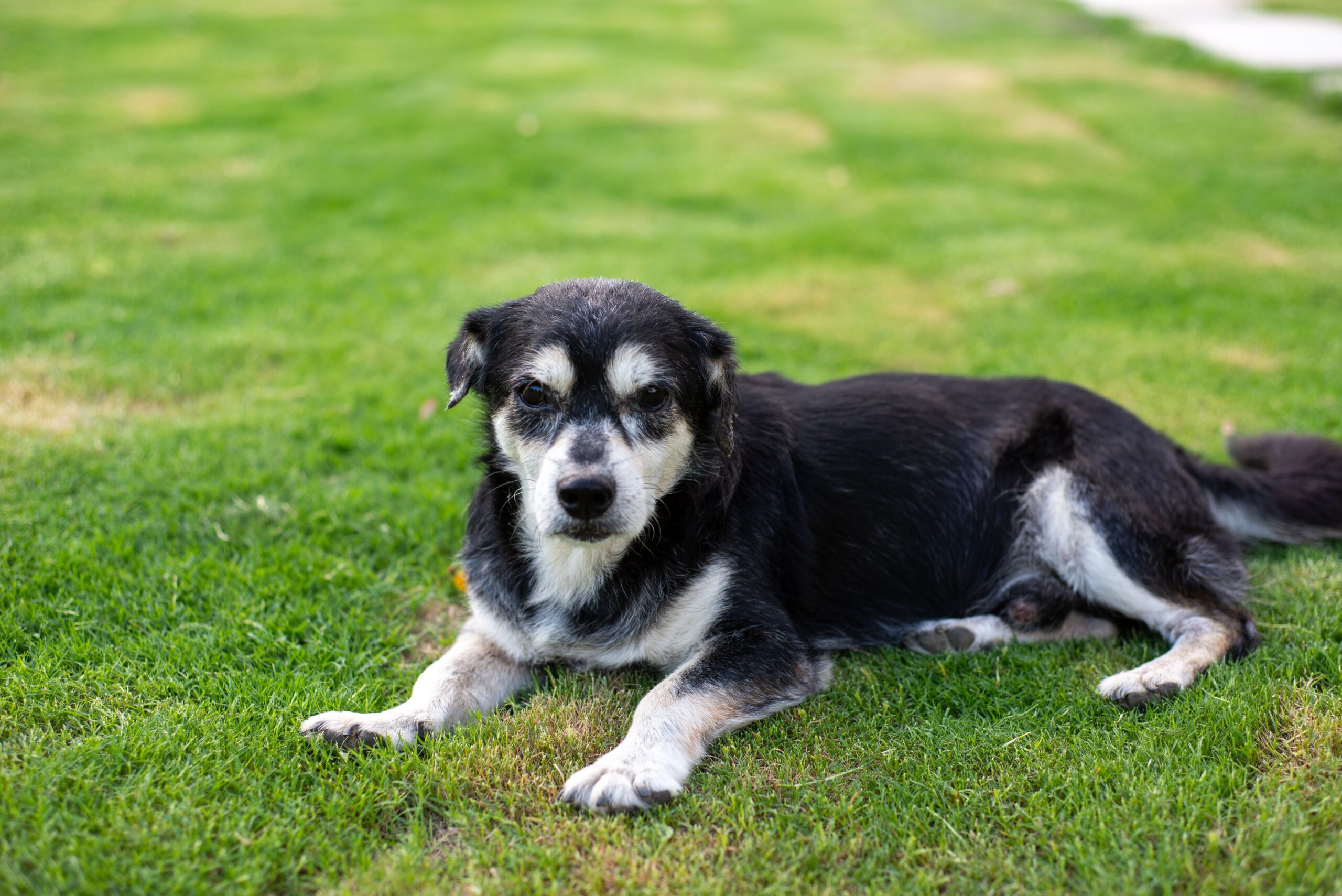
COPD in dogs can't be reversed but it can be controlled. Here's what to expect and what management looks like at home.
If your dog has been making a deep, honking cough for weeks and seems to run out of steam faster than they used to, you’ve probably heard the term COPD thrown around. It sounds alarming, and the honest answer is: it’s serious, but it’s manageable. Here’s what you actually need to know.
In dogs, COPD (chronic obstructive pulmonary disease) almost always refers to chronic bronchitis, which is long-term inflammation of the airways. Over time, that inflammation thickens and narrows the airway walls, making it harder for air to move in and out. The damage can’t be reversed, but with the right plan, most dogs live comfortably for years.
 TL;DR
TL;DR
The defining feature of canine chronic bronchitis is a cough that just won’t quit. Not the occasional hack after drinking water too fast, but a daily, recurring cough that’s been going on for at least two months. Owners often describe it as a honking or goose-like sound. Here’s what else to watch for:
These symptoms tend to creep up gradually, which is why many owners assume their dog is just getting older. If the cough has been going on for more than a few weeks, get it checked. Duration is the key signal here.
Canine chronic bronchitis develops when the airways are repeatedly irritated over a long period. That ongoing irritation triggers inflammation, which over time permanently changes the airway tissue. The exact cause isn’t always identifiable, but some factors significantly increase the risk:
There’s no single test that diagnoses canine chronic bronchitis. Your vet will use a combination of tools to confirm it and rule out other conditions with similar symptoms, particularly heart disease and respiratory infections.
| Test | What it’s looking for |
|---|---|
| Chest X-rays | Airway thickening, trapped air, or heart enlargement, which causes a very similar cough |
| Airway wash (BAL or tracheal wash) | Infection or abnormal cell types in the airways |
| Bronchoscopy | Direct visualization of the airway lining using a thin camera |
| Bloodwork and heartworm testing | Eliminates other causes of respiratory symptoms |
The goal of diagnosis isn’t just to confirm COPD. It’s to make sure nothing else is going on at the same time, since treatment for chronic bronchitis and treatment for heart disease or infection are very different.
There’s no cure for canine chronic bronchitis because the airway changes are permanent. But the inflammation driving the symptoms can be controlled. Your vet will likely recommend a combination of approaches:
Life expectancy with COPD in dogs varies widely. Dogs with mild to moderate disease that’s well-managed can live for years with a good quality of life. More advanced disease, especially combined with obesity or other health conditions, narrows those options. Your vet is the right person to give you a realistic picture for your specific dog.
Reducing airborne irritants won’t reverse the damage already done, but it can meaningfully slow progression and reduce how often your dog has flare-ups.
Collars put pressure on the throat and trachea, which can trigger coughing fits in dogs with sensitive airways. A well-fitted harness takes all that pressure off the neck entirely. Make the switch permanent, not just for walks.
Note the time, duration, and trigger for each coughing episode. Also track your dog’s resting breathing rate by watching chest rises for 30 seconds and doubling it. A normal resting rate for dogs is roughly 15 to 30 breaths per minute. If it climbs consistently above 30 at rest, call your vet. A diary gives your vet real data to work with rather than a general sense that things have gotten worse.
Yes, COPD and chronic bronchitis are eligible for coverage under a Lemonade Pet accident and illness policy, as long as the condition isn’t pre-existing. That means your dog shouldn’t be showing any signs or symptoms before your policy starts or during your waiting period.
Chest X-rays, an airway wash, possible bronchoscopy, and long-term medication add up quickly when managing a lifelong condition. Getting coverage in place while your dog is still healthy is what makes it actually useful when you need it.
COPD is a diagnosis that asks for consistency: consistent medication, consistent trigger management, and consistent monitoring. Dogs that do best are the ones whose owners stay closely involved between vet visits, notice changes early, and don’t skip the recheck appointments. Keep that cough diary, watch the resting respiratory rate, and don’t wait to call your vet if something seems off. With the right management, most dogs with COPD live comfortably for years.
It depends on the severity of the disease and how well it’s managed. Dogs with mild to moderate chronic bronchitis that’s properly treated can live for several comfortable years after diagnosis. Your vet can give you the most accurate picture based on your dog’s specific condition.
Not always. A honking cough can also be caused by collapsed trachea, kennel cough, or heart disease. The key distinguishing factor for chronic bronchitis is duration: a daily cough lasting two months or more. Your vet will need to run diagnostics to confirm the cause.
No. The airway changes caused by chronic bronchitis are permanent. But the inflammation and symptoms can be well-controlled with corticosteroids, bronchodilators, and lifestyle changes, allowing most dogs to maintain a good quality of life.
Small breed dogs are diagnosed most often, including Cocker Spaniels, Pomeranians, West Highland White Terriers, and similar breeds. Obesity also significantly increases risk, regardless of breed.
A few quick words, because we <3 our lawyers: This post is general in nature, and any statement in it doesn’t alter the terms, conditions, exclusions, or limitations of the policies issued, which differ according to your state of residence. You’re encouraged to discuss your specific circumstances with your own professional advisors. The purpose of this post is merely to provide you with info and insights you can use to make such discussions more productive! Naturally, all comments by, or references to, third parties represent their own views, and Lemonade assumes no responsibility for them. Coverage may not be available in all states. Please note that statements about coverages, policy management, claims processes, Giveback, and customer support apply to policies underwritten by Lemonade Insurance Company or Metromile Insurance Company, a Lemonade company, sold by Lemonade Insurance Agency, LLC. The statements do not apply to policies underwritten by other carriers.
Please note: Lemonade articles and other editorial content are meant for educational purposes only, and should not be relied upon instead of professional legal, insurance or financial advice. The content of these educational articles does not alter the terms, conditions, exclusions, or limitations of policies issued by Lemonade, which differ according to your state of residence. While we regularly review previously published content to ensure it is accurate and up-to-date, there may be instances in which legal conditions or policy details have changed since publication. Any hypothetical examples used in Lemonade editorial content are purely expositional. Hypothetical examples do not alter or bind Lemonade to any application of your insurance policy to the particular facts and circumstances of any actual claim.