

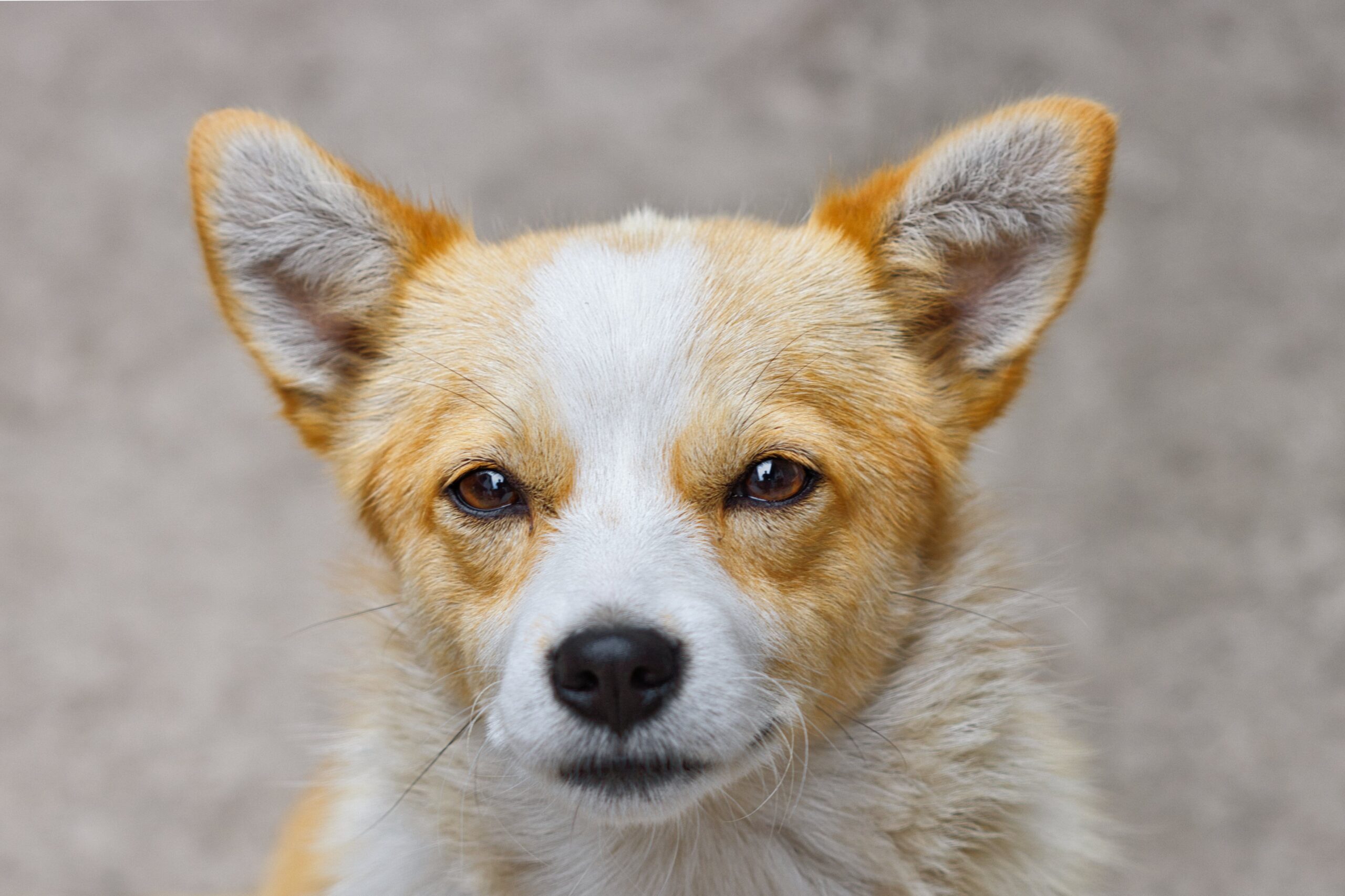
If your dog has a swollen face, persistent nasal discharge, or suddenly seems off-balance, cryptococcosis might not be your first thought. It’s not a common diagnosis, but it’s worth knowing about. When this fungal infection takes hold, it can become serious fast, especially if it reaches the brain.
The reassuring part: you can’t catch it from your dog, and with the right treatment, many dogs do well. The key is catching it early.
 TL;DR
TL;DR
- Cryptococcosis is a fungal infection dogs pick up by inhaling spores from the environment, most often from pigeon droppings, soil, or decaying wood.
- Symptoms include nasal discharge, facial swelling, skin lesions, eye involvement, and in serious cases, neurological signs like stumbling or seizures.
- It’s not contagious between dogs and people, but it can spread within your dog’s body if left untreated.
- Treatment involves long courses of antifungal medication like fluconazole or itraconazole, sometimes for months.
- Cryptococcosis is covered under a Lemonade Pet accident and illness policy, as long as it’s not pre-existing and develops after waiting period has passed.
What is cryptococcosis in dogs?
Cryptococcosis is a fungal infection caused by two closely related species: Cryptococcus neoformans and Cryptococcus gattii. It’s a systemic mycosis, meaning a fungal infection that can spread beyond a single spot and work its way through your dog’s body, affecting multiple organs or systems at once.
Dogs typically get it by inhaling fungal spores from the environment. Once inside the body, the fungus can settle in the nasal passages, skin, eyes, or nervous system. In more advanced cases, it can reach the brain, which is where things get most serious.
It’s more common in cats than dogs, but dogs aren’t immune. Certain breeds with longer noses may be more exposed simply because of how much air they filter through their snouts.
Symptoms of cryptococcus in dogs
What you notice will depend on where in the body the infection has taken root. The symptoms can look like a lot of different things, which is part of what makes this infection tricky to spot early.
Nasal and facial signs
- Thick nasal discharge, sometimes bloody
- Facial swelling, particularly around the bridge of the nose
- Sneezing that doesn’t let up
- A lump or mass visible near the nose or face
Skin signs
- Small raised bumps or nodules under the skin
- Sores that don’t heal
- Ulcers, especially on the face or neck
Eye involvement
- Redness or cloudiness in one or both eyes
- Dilated pupils or eyes that seem unfocused
- Sudden vision loss in severe cases
Neurological signs
When the infection reaches the brain or nervous system, the signs shift significantly. Neurological symptoms mean the fungus has spread deeper into the body, and this is when the situation becomes urgent.
- Stumbling or loss of coordination
- Head tilting to one side
- Seizures
- Behavioral changes, like sudden disorientation or aggression
- Weakness in the legs
If you’re seeing any neurological signs, don’t wait. Get to a vet the same day.
Where the fungus comes from, and how to reduce your dog’s exposure
This is the part most articles skip, and it’s genuinely useful to know. Cryptococcus neoformans and Cryptococcus gattii live in the environment, not inside other animals. Your dog picks up the infection by sniffing or inhaling spores from specific outdoor sources.
Where the spores tend to live
- Pigeon droppings and other bird droppings: C. neoformans thrives in aged bird droppings. City parks, rooftop ledges, and under bridges are common hotspots.
- Soil: Both species can persist in soil, especially in areas with a lot of bird activity or decaying organic matter.
- Decaying wood and tree hollows: C. gattii is particularly associated with certain tree species and rotting wood debris.
Practical steps to lower risk
- Keep your dog away from areas with heavy pigeon activity or visible droppings.
- Discourage sniffing around old tree stumps, rotting logs, or soil piles near construction sites.
- In regions where C. gattii is known to be present (parts of the Pacific Northwest and some Southern states), be more cautious in wooded or forested areas.
- Wash your hands after handling soil in those regions, for your own protection too.
You can’t fully eliminate environmental exposure, but you can be smart about where your dog puts their nose.
Diagnosis and treatment
How vets diagnose cryptococcosis
Your vet will likely run a combination of tests. These might include a blood or urine test that looks for a specific protein (called a cryptococcal antigen) the fungus releases into the body, as well as a sample from nasal discharge or a skin lesion. If neurological signs are present, imaging like an MRI and a cerebrospinal fluid test (where a small sample of the fluid surrounding the brain and spinal cord is analyzed) may be needed.
Treatment options
Treatment is a long game. Antifungal medications are the main approach, most commonly fluconazole or itraconazole, both of which work by disrupting how the fungal cells function. Your vet will choose based on where the infection is located and how severe it is. Treatment often runs for several months, sometimes longer, and requires regular follow-up testing to make sure it’s working.
Cases involving the brain are the most challenging to treat and typically require more intensive management. But even then, some dogs respond well with consistent care.
Is cryptococcus in dogs contagious?
Not between dogs and people, and not between dogs and other pets. The infection comes from the environment, not from contact with an infected animal. You don’t need to isolate your dog or worry about spreading it to other household pets through normal interaction.
That said, if you live with someone who is immunocompromised, it’s worth mentioning your dog’s diagnosis to their doctor as a general precaution. Healthy adults are not considered at meaningful risk from a dog with cryptococcosis.
Does pet insurance cover cryptococcosis?
Diagnosing and treating a cryptococcus infection can get expensive quickly. Diagnostic testing, specialist visits, imaging, and months of antifungal medication add up fast, and that’s before any follow-up labs to monitor progress.
Cryptococcosis is covered under a Lemonade Pet accident and illness policy, as long as it’s not pre-existing and develops after the 14-day illness waiting period has passed. If your dog hasn’t shown any signs yet, now is a good time to get a quote. Waiting until something’s wrong means the condition likely won’t be covered.
Before we go
Cryptococcosis isn’t the most common thing a dog will face, but it’s one where early action genuinely matters. If something seems off, especially a swollen nose, skin lumps that won’t heal, or any kind of neurological weirdness, get it checked. The sooner a diagnosis is made, the more options your vet has. And if your dog is healthy right now, that’s the best possible time to get pet insurance in place, so you’re not making coverage decisions in the middle of a health crisis.
Frequently Asked Questions
What is the difference between Cryptococcus neoformans and Cryptococcus gattii in dogs?
Both cause cryptococcosis, but they come from slightly different environments. C. neoformans is most associated with pigeon droppings and is found worldwide. C. gattii tends to live in certain tree species and soil, and is more geographically concentrated, including parts of the Pacific Northwest. Your vet’s approach to treatment is generally similar for both.
How long does treatment for cryptococcus in dogs take?
Treatment typically runs several months, and sometimes longer, depending on where the infection is located and how your dog responds. Cases involving the brain or nervous system tend to require more extended treatment and closer monitoring.
Can a dog fully recover from cryptococcosis?
Many dogs do recover, especially when the infection is caught before it spreads to the brain. Cases limited to the nasal passages or skin generally have better outcomes. Dogs with neurological involvement face a harder road, but some do respond well to sustained antifungal treatment.
What antifungal medications are used to treat cryptococcus in dogs?
Fluconazole and itraconazole are the most commonly used antifungal medications for this infection. Both work by targeting the fungal cell structure. Your vet will choose based on the severity of the infection, which organs are involved, and your dog’s overall health.
Is cryptococcus in dogs dangerous to humans?
Healthy adults are not considered at meaningful risk from a dog with cryptococcosis, since the infection comes from environmental spores, not from the animal. If someone in your household has a weakened immune system, it’s worth flagging the diagnosis to their doctor as a general precaution.
A few quick words, because we <3 our lawyers: This post is general in nature, and any statement in it doesn’t alter the terms, conditions, exclusions, or limitations of the policies issued, which differ according to your state of residence. You’re encouraged to discuss your specific circumstances with your own professional advisors. The purpose of this post is merely to provide you with info and insights you can use to make such discussions more productive! Naturally, all comments by, or references to, third parties represent their own views, and Lemonade assumes no responsibility for them. Coverage may not be available in all states. Please note that statements about coverages, policy management, claims processes, Giveback, and customer support apply to policies underwritten by Lemonade Insurance Company or Metromile Insurance Company, a Lemonade company, sold by Lemonade Insurance Agency, LLC. The statements do not apply to policies underwritten by other carriers.