
Understanding Dental Disease in Dogs
Everything you need to know about keeping your dog's teeth and gums healthy, and what to do if problems develop.

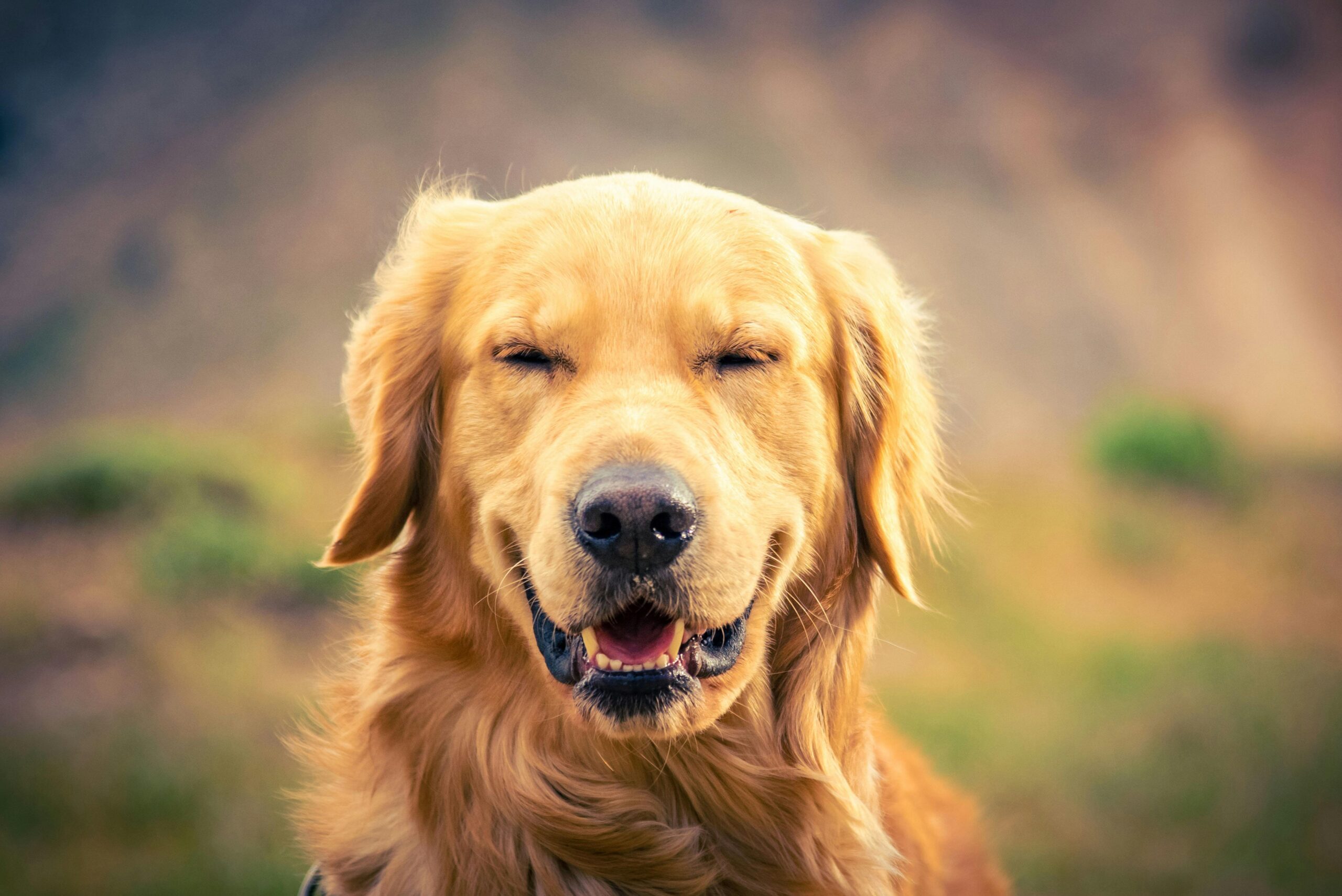
Everything you need to know about keeping your dog's teeth and gums healthy, and what to do if problems develop.
Dental disease in dogs is more common than most people realize. It starts silently, with a buildup of bacteria on the teeth that, if not addressed, can progress to painful gum infections, tooth loss, and even organ damage. Understanding what canine dental disease is, how to spot it, and how to prevent or treat it can make a real difference for your dog’s long-term health.
 TL;DR
TL;DR
Dental disease in dogs, also called periodontal disease, is a progressive condition affecting the teeth and gums. “Periodontal” simply refers to the structures surrounding and supporting the teeth. It starts with plaque, a soft film of bacteria that builds up on the teeth daily. If not brushed away, plaque hardens into tartar (also called calculus) within just a few days. Left untreated, this leads to gingivitis (inflammation of the gums), and eventually periodontitis, a more serious infection that destroys the bone and tissue holding the teeth in place, and can lead to tooth loss.
It doesn’t stop there, either. The bacteria from untreated gum disease can enter your dog’s bloodstream and cause damage to the heart, kidneys, and liver. Your dog’s dental health is genuinely connected to their overall health.
Dogs are good at hiding pain, often until a problem becomes severe. Staying observant can help you catch issues early. Signs to watch for include:
If you spot any of these signs, a visit to your vet is the best next step.
The main culprit? Bacteria. Plaque forms daily on your dog’s teeth and eventually hardens into tartar if it’s not brushed away. But some dogs are more prone than others:
Your vet will likely detect mild dental issues during a routine oral exam. However, to get a complete picture, dental X-rays (done under anesthesia) are essential. Why? Around 60% of the tooth structure lies below the gumline, so what’s visible on the surface might not tell the full story.
Under anesthesia, the vet can thoroughly clean your dog’s teeth and take X-rays that reveal problems like bone loss or hidden infections.
Treatment depends on how advanced the disease is. A professional dental cleaning under anesthesia, which includes scaling to remove plaque and tartar, polishing to smooth the tooth surface, and X-rays, is the standard approach. Severely damaged teeth may need to be extracted.
Anesthesia-free cleanings might sound appealing, but they only address surface tartar and can’t clean below the gumline, where the most serious damage occurs. They also don’t allow for X-rays or a thorough examination.
In cases of periodontitis, your vet may recommend additional procedures like deep cleaning below the gumline or root planing, which smooths the tooth root to help gum tissue reattach and prevent further bacterial buildup.
The good news? Dental disease is largely preventable with consistent at-home care and routine vet visits. Here’s how to stay ahead:
It’s worth the effort-not just for their smile but for their long-term health.
Dental procedures aren’t cheap, especially when anesthesia, X-rays, and extractions are involved. The good news is that Lemonade Pet can help with both dental illness and routine dental cleanings, though coverage options vary depending on your state.
For a full breakdown of what’s covered and how it works, check out our guide to Lemonade’s dental illness coverage.
Dental disease is one of the most common health conditions in dogs, but it’s also one of the most preventable. Brushing your dog’s teeth regularly, keeping up with annual dental cleanings, and knowing the signs of trouble are the three things that will make the biggest difference. If you’re not sure where to start, your vet can walk you through a home care routine at your next visit.
And if you don’t have pet insurance in place yet, it’s worth doing before dental disease has a chance to develop. Get a quote from Lemonade today.
Bad breath is often the earliest and most noticeable symptom.
Yes, small breeds like Chihuahuas are more vulnerable due to crowded teeth.
It depends on your insurer. Lemonade pet insurance provides coverage options for covering dental illness that vary by state.
A few quick words, because we <3 our lawyers: This post is general in nature, and any statement in it doesn’t alter the terms, conditions, exclusions, or limitations of the policies issued, which differ according to your state of residence. You’re encouraged to discuss your specific circumstances with your own professional advisors. The purpose of this post is merely to provide you with info and insights you can use to make such discussions more productive! Naturally, all comments by, or references to, third parties represent their own views, and Lemonade assumes no responsibility for them. Coverage may not be available in all states. Please note that statements about coverages, policy management, claims processes, Giveback, and customer support apply to policies underwritten by Lemonade Insurance Company or Metromile Insurance Company, a Lemonade company, sold by Lemonade Insurance Agency, LLC. The statements do not apply to policies underwritten by other carriers.
Please note: Lemonade articles and other editorial content are meant for educational purposes only, and should not be relied upon instead of professional legal, insurance or financial advice. The content of these educational articles does not alter the terms, conditions, exclusions, or limitations of policies issued by Lemonade, which differ according to your state of residence. While we regularly review previously published content to ensure it is accurate and up-to-date, there may be instances in which legal conditions or policy details have changed since publication. Any hypothetical examples used in Lemonade editorial content are purely expositional. Hypothetical examples do not alter or bind Lemonade to any application of your insurance policy to the particular facts and circumstances of any actual claim.