
My Dog Won't Stop Drinking Water, Could It Be Diabetes Insipidus?
Causes, symptoms, diagnosis, and treatment options.

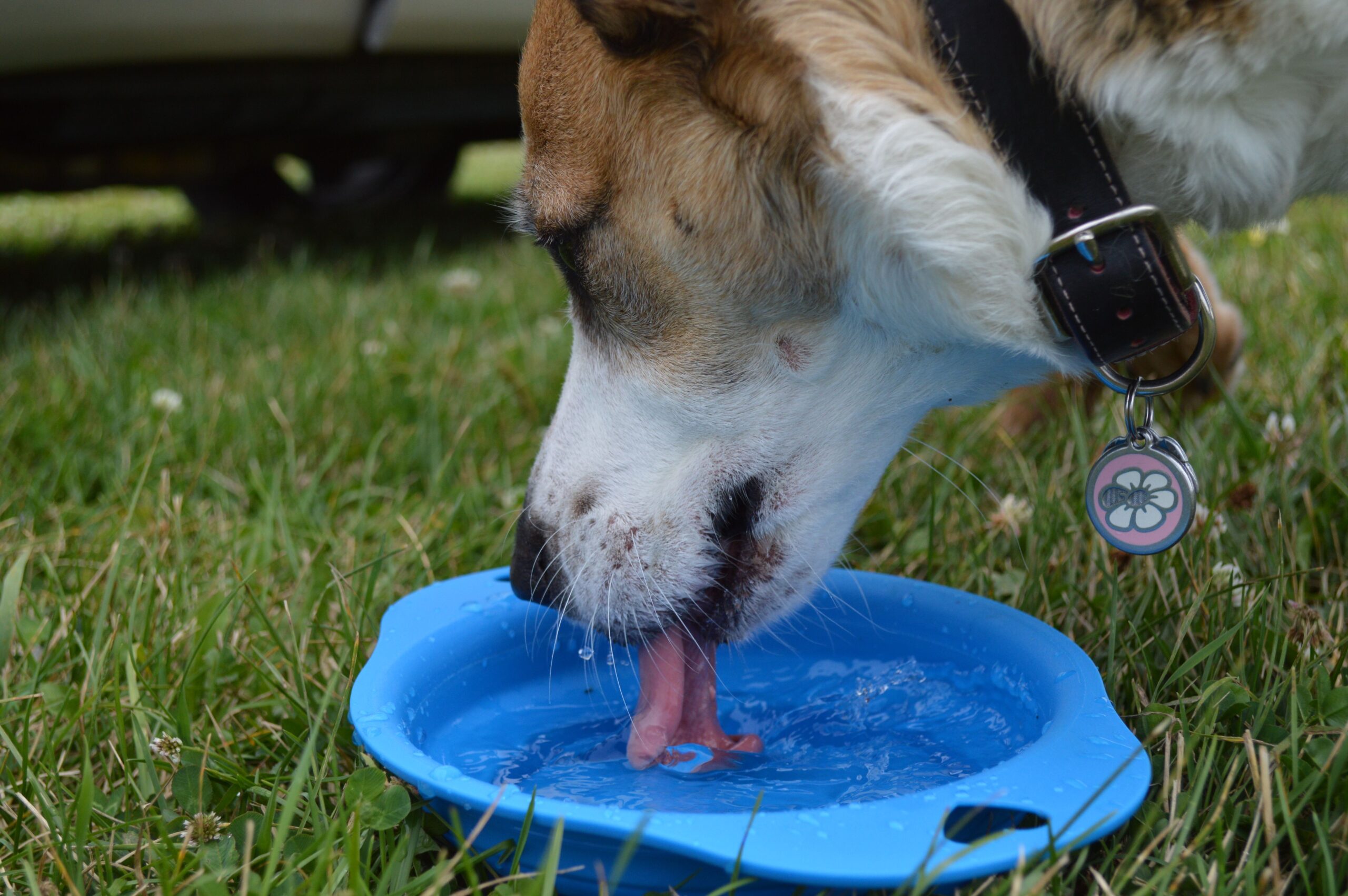
Causes, symptoms, diagnosis, and treatment options.
If your dog has been drinking water like it’s their full-time job and asking to go outside every hour, you’re probably worried. And if you’ve started Googling and landed on “diabetes insipidus,” you might be confused about how that’s different from the diabetes you’ve heard of before. The short answer: it’s a completely different condition. The longer answer is what this article is for.
 TL;DR
TL;DR
Diabetes insipidus (DI) in dogs is sometimes called “water diabetes” because it disrupts how the body manages water, not blood sugar. It’s less common than diabetes mellitus (the blood-sugar kind), but it’s real, it’s diagnosable, and with the right treatment, most dogs do well.
These two conditions share a name, but they’re not related. Diabetes mellitus, the more familiar type, is about insulin and blood sugar. Diabetes insipidus is about a hormone called antidiuretic hormone (ADH), also known as vasopressin. ADH tells the kidneys how much water to hold onto. When that signal is missing or ignored, the kidneys just flush water out, and your dog drinks constantly to compensate.
The giveaway symptoms look similar at first: a dog drinking too much water (called polydipsia) and urinating excessively (polyuria). But the underlying cause, the tests used to diagnose it, and the treatments are entirely different. Blood sugar isn’t the issue here at all.
Central DI means the brain isn’t producing or releasing enough ADH. ADH is produced by the hypothalamus and released from the posterior pituitary gland into the bloodstream. If either the hypothalamus or the pituitary is damaged by a tumor, a head injury, or inflammation, the body may stop producing or releasing ADH altogether. In some dogs, no clear cause is ever found. That’s called idiopathic diabetes insipidus, meaning it just happens without an obvious explanation.
Nephrogenic DI means the pituitary and hypothalamus are doing their job fine, but the kidneys aren’t responding to the ADH signal. The hormone is there; the kidneys just don’t listen to it. This type can be inherited (more common in some breeds) or triggered by an underlying condition like Cushing’s disease, certain medications, or chronic kidney disease.
The signs are hard to miss once they’re pronounced, though early on it’s easy to chalk them up to warm weather or a long walk. Here’s what to watch for:
If your dog is also losing weight, vomiting, or seems generally unwell, those symptoms point to other conditions that your vet will also want to rule out. DI itself tends to show up primarily as that relentless thirst and urination cycle.
Diagnosis usually starts with ruling out other causes of excessive thirst and urination. Cushing’s disease, kidney disease, diabetes mellitus, and a few other conditions can look similar on the surface. Your vet will likely run blood work and a urinalysis first. One key marker is urine specific gravity, a measure of how concentrated the urine is. Dogs with DI tend to produce very dilute urine, meaning the kidneys aren’t retaining water the way they should.
If other causes are ruled out, the vet may recommend a modified water deprivation test. This is a carefully supervised procedure where the dog’s water intake is restricted for a period of time while the vet monitors urine concentration and the dog’s response to ADH. It helps distinguish between central and nephrogenic DI, and it tells the vet how severe the condition is. This test is always done in a clinical setting because dehydration risks have to be managed closely.
Treatment depends on which type of DI your dog has.
For central DI: desmopressin (DDAVP) The most common treatment is desmopressin, a synthetic version of ADH that replaces what the brain isn’t producing. It’s typically administered as eye drops or nasal solution applied to the conjunctival sac (inside the eyelid), or by subcutaneous injection under the skin. Oral tablets exist but have poor bioavailability in dogs, as desmopressin is largely broken down in the gastrointestinal tract and requires significantly higher doses to achieve the same effect. Your vet will recommend the most appropriate route for your dog’s situation.
Most dogs respond well to desmopressin and see dramatic improvement in their symptoms within days. Desmopressin is a long-term medication, meaning your dog will likely need it ongoing, not just for a few weeks.
For nephrogenic DI: Treatment is trickier because the problem is the kidneys’ resistance to ADH, not a lack of it. Desmopressin doesn’t always help here. Instead, vets may recommend hydrochlorothiazide, a diuretic that, somewhat counterintuitively, can reduce urine output in dogs with NDI by around 30 to 50%. Treating any underlying cause, like Cushing’s disease, is also a priority. Dietary changes, including a low-sodium diet, may be recommended alongside medication.
Prognosis: DI itself, when managed properly, doesn’t have to shorten your dog’s life. Dogs with well-controlled central DI on desmopressin often live normal, healthy lives. The prognosis is more variable with nephrogenic DI, especially if there’s an underlying condition driving it.
This part doesn’t show up in most articles about DI, but it makes a real difference. When you go to the vet, you’re not just there to get a diagnosis, you’re there to give your vet the clearest possible picture of what’s been happening at home.
Walking in with this information saves time, helps your vet narrow things down faster, and makes it less likely that you’ll leave with a “let’s wait and see” when what you really need is answers.
The road to a DI diagnosis often involves multiple tests, specialist consultations, and ongoing medication costs that add up quickly. Desmopressin is not a one-time expense, it’s a lifelong prescription for most dogs with central DI.
Diabetes insipidus is eligible for coverage under a Lemonade Pet accident and illness policy, including diagnostics and long-term prescriptions like desmopressin and hydrochlorothiazide, as long as the condition isn’t pre-existing and develops after the 14-day illness waiting period has passed. That means your dog shouldn’t be showing any signs or symptoms of DI before your policy starts or during that waiting period.
Because DI is classified as an incurable condition, once it’s diagnosed it carries forward as pre-existing on any future policy. Getting covered while your dog is healthy is what makes pet insurance genuinely useful for conditions like this. If your dog is healthy right now, this is the right time to look into it.
Finding out your dog has diabetes insipidus can feel overwhelming at first, especially when the name sounds so serious. But this is a manageable condition. With the right diagnosis and treatment, most dogs with DI go on to live full, comfortable lives.
Talk to your vet, bring that morning urine sample, and don’t put off the appointment if your dog has been drinking and urinating excessively. The earlier this is caught and confirmed, the sooner your dog gets relief.
No. Diabetes mellitus (the common kind) is a blood sugar disorder. Diabetes insipidus is a water-regulation disorder caused by a problem with antidiuretic hormone (ADH). The two conditions are unrelated despite sharing part of the name.
It depends on the cause. If DI is triggered by a treatable underlying condition, resolving that condition may improve or resolve DI. Idiopathic central DI is typically managed long-term with desmopressin rather than cured. Many dogs do very well with ongoing treatment.
Dilute urine means the kidneys aren’t concentrating urine the way they should, so the urine is very pale and watery. In dogs with diabetes insipidus, this happens because ADH isn’t working correctly, leaving the kidneys unable to hold onto water. A vet measures this with a urine specific gravity test.
Yes. Cushing’s disease (overproduction of cortisol, a stress hormone) is one condition that can cause nephrogenic DI by interfering with how the kidneys respond to ADH. Treating the Cushing’s disease often helps improve the DI symptoms as well.
A few quick words, because we <3 our lawyers: This post is general in nature, and any statement in it doesn’t alter the terms, conditions, exclusions, or limitations of the policies issued, which differ according to your state of residence. You’re encouraged to discuss your specific circumstances with your own professional advisors. The purpose of this post is merely to provide you with info and insights you can use to make such discussions more productive! Naturally, all comments by, or references to, third parties represent their own views, and Lemonade assumes no responsibility for them. Coverage may not be available in all states. Please note that statements about coverages, policy management, claims processes, Giveback, and customer support apply to policies underwritten by Lemonade Insurance Company or Metromile Insurance Company, a Lemonade company, sold by Lemonade Insurance Agency, LLC. The statements do not apply to policies underwritten by other carriers.
Please note: Lemonade articles and other editorial content are meant for educational purposes only, and should not be relied upon instead of professional legal, insurance or financial advice. The content of these educational articles does not alter the terms, conditions, exclusions, or limitations of policies issued by Lemonade, which differ according to your state of residence. While we regularly review previously published content to ensure it is accurate and up-to-date, there may be instances in which legal conditions or policy details have changed since publication. Any hypothetical examples used in Lemonade editorial content are purely expositional. Hypothetical examples do not alter or bind Lemonade to any application of your insurance policy to the particular facts and circumstances of any actual claim.