
Hearing Loss in Dogs
Here's how to recognize it, what causes it, and how to help your dog adapt.

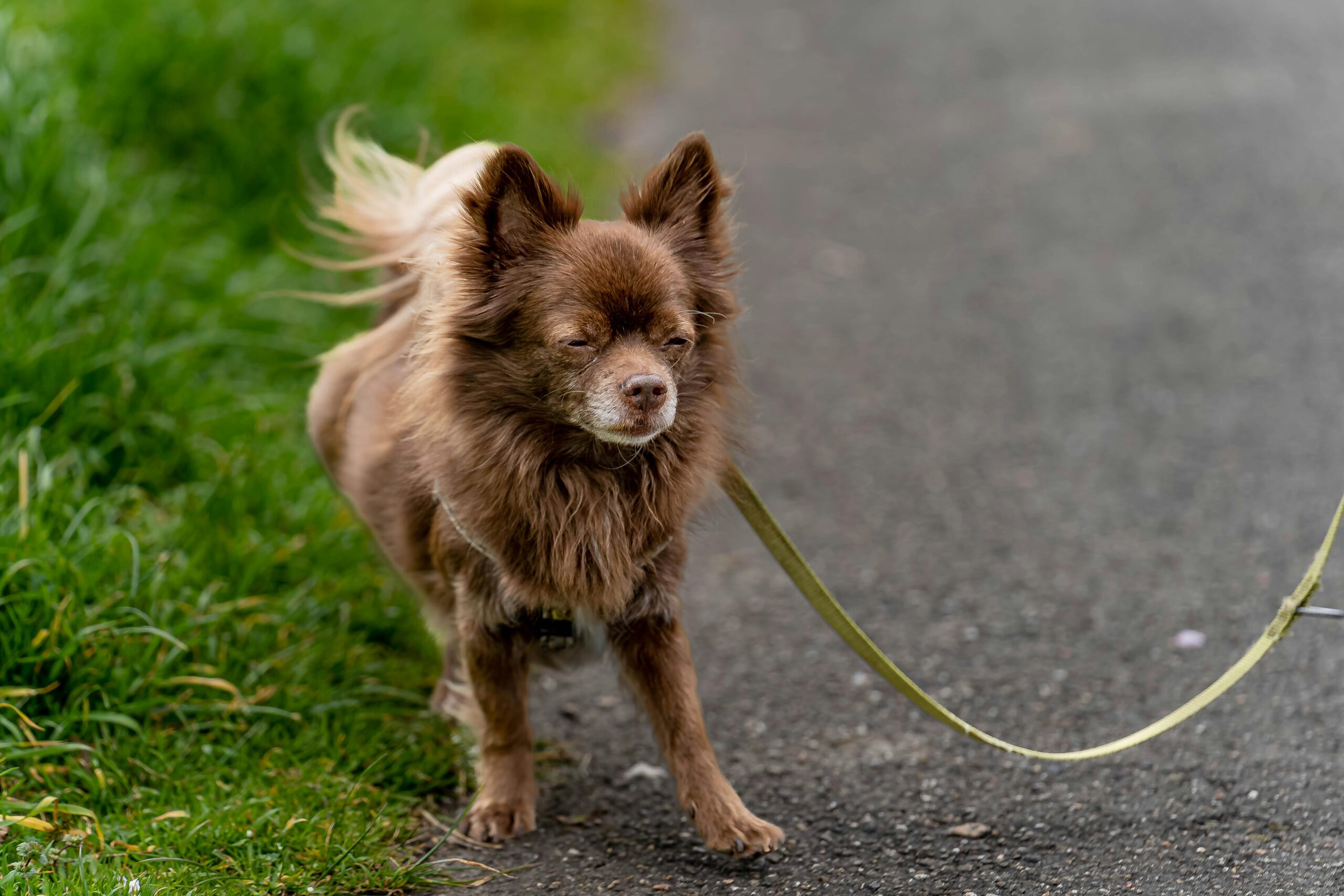
Here's how to recognize it, what causes it, and how to help your dog adapt.
Noticing your dog has trouble hearing can be concerning. Whether they’re ignoring their name, reacting inconsistently to commands, or sleeping through loud noises, these signs of hearing loss may leave you wondering how to help. Hearing loss in dogs ranges from partial to complete, and can affect one or both ears. The good news is that dogs with hearing loss can adapt and thrive with the right care and some adjustments to how you communicate with them.
 TL;DR
TL;DR
Dog hearing loss refers to partial or complete inability to hear sounds, and it can affect one or both ears. This can be congenital (present from birth) or acquired (developing over time). Some dogs may only lose hearing in one ear (unilateral), but bilateral hearing loss, affecting both ears, creates more noticeable challenges. While it may sound alarming, dogs with hearing loss are incredibly resilient and can adjust to life without sound remarkably well.
Hearing loss can sneak up, especially since dogs rely heavily on other senses like smell and sight. Key signs to look out for include:
There are two primary types of hearing loss: congenital and acquired. Here’s a breakdown of what might cause each:
This type is present at birth and typically linked to genetics. Breeds with white or merle coats and blue eyes, like Dalmatians, Australian Shepherds, and Bull Terriers, are at higher risk. It occurs when the cochlea (part of the inner ear) deteriorates shortly after birth.
Acquired hearing loss develops over time due to a range of factors:
If you’ve noticed symptoms of hearing loss in your dog, your vet will likely start by examining their ears for wax buildup, infections, or other visible issues.
For a definitive diagnosis, especially in cases of congenital or unexplained hearing loss, a BAER test (brainstem auditory evoked response test) may be recommended. It measures the brain’s electrical response to sound and can accurately identify deafness, including unilateral or bilateral cases. The test is non-invasive and doesn’t require sedation in most cases, making it the gold standard for confirming hearing loss in dogs.
Dogs with hearing loss can live perfectly happy lives! They often rely more on sight and touch, so you’ll need to adapt the way you communicate and interact.
Switch verbal commands to consistent hand signals, and use vibration cues, like stomping on the floor or a vibrating collar (not shock), to get their attention. Positive reinforcement is key.
Always keep your dog on a leash in unfenced areas, and let others know they can’t hear with a special tag or bandana. This reduces the risk of accidents and helps people interact with your dog appropriately.
Deaf dogs often form especially close bonds with their owners. Use consistent routines, lots of love, and patience to build that trust and communication over time.
Yes, hearing loss and its underlying causes are covered under Lemonade Pet’s base accident and illness policy, as long as the condition isn’t pre-existing. That includes eligible costs like diagnostic testing, such as a BAER test (a procedure that measures your dog’s brain response to sound to evaluate hearing function), as well as treatments for conditions like ear infections that may be contributing to the hearing loss.
It’s worth noting that coverage applies to the condition causing the hearing loss, not hearing loss as a standalone symptom. If your vet is working to identify and treat the underlying cause, that’s where the policy can help.
You’re not alone in figuring out how to help your dog through hearing loss. With care, patience, and the right resources, your dog can thrive and enjoy life to the fullest. If your dog’s hearing loss seems sudden or you’re unsure about what to do next, consult your vet. And don’t forget to consider pet insurance as a way to protect against the unexpected, because while we can’t prevent every issue, we can always be prepared.
Yes, dogs adapt incredibly well by relying on other senses like sight and smell.
Breeds with white or merle coats, like Dalmatians and Australian Shepherds, are at higher risk.
Not all senior dogs experience hearing loss, but it’s common as they age, particularly after eight years.
A few quick words, because we <3 our lawyers: This post is general in nature, and any statement in it doesn’t alter the terms, conditions, exclusions, or limitations of the policies issued, which differ according to your state of residence. You’re encouraged to discuss your specific circumstances with your own professional advisors. The purpose of this post is merely to provide you with info and insights you can use to make such discussions more productive! Naturally, all comments by, or references to, third parties represent their own views, and Lemonade assumes no responsibility for them. Coverage may not be available in all states. Please note that statements about coverages, policy management, claims processes, Giveback, and customer support apply to policies underwritten by Lemonade Insurance Company or Metromile Insurance Company, a Lemonade company, sold by Lemonade Insurance Agency, LLC. The statements do not apply to policies underwritten by other carriers.
Please note: Lemonade articles and other editorial content are meant for educational purposes only, and should not be relied upon instead of professional legal, insurance or financial advice. The content of these educational articles does not alter the terms, conditions, exclusions, or limitations of policies issued by Lemonade, which differ according to your state of residence. While we regularly review previously published content to ensure it is accurate and up-to-date, there may be instances in which legal conditions or policy details have changed since publication. Any hypothetical examples used in Lemonade editorial content are purely expositional. Hypothetical examples do not alter or bind Lemonade to any application of your insurance policy to the particular facts and circumstances of any actual claim.