
What Is That Lump in Your Dog's Mouth?
Oral tumors range from harmless to aggressive. Here's how to spot them early and what treatment looks like.

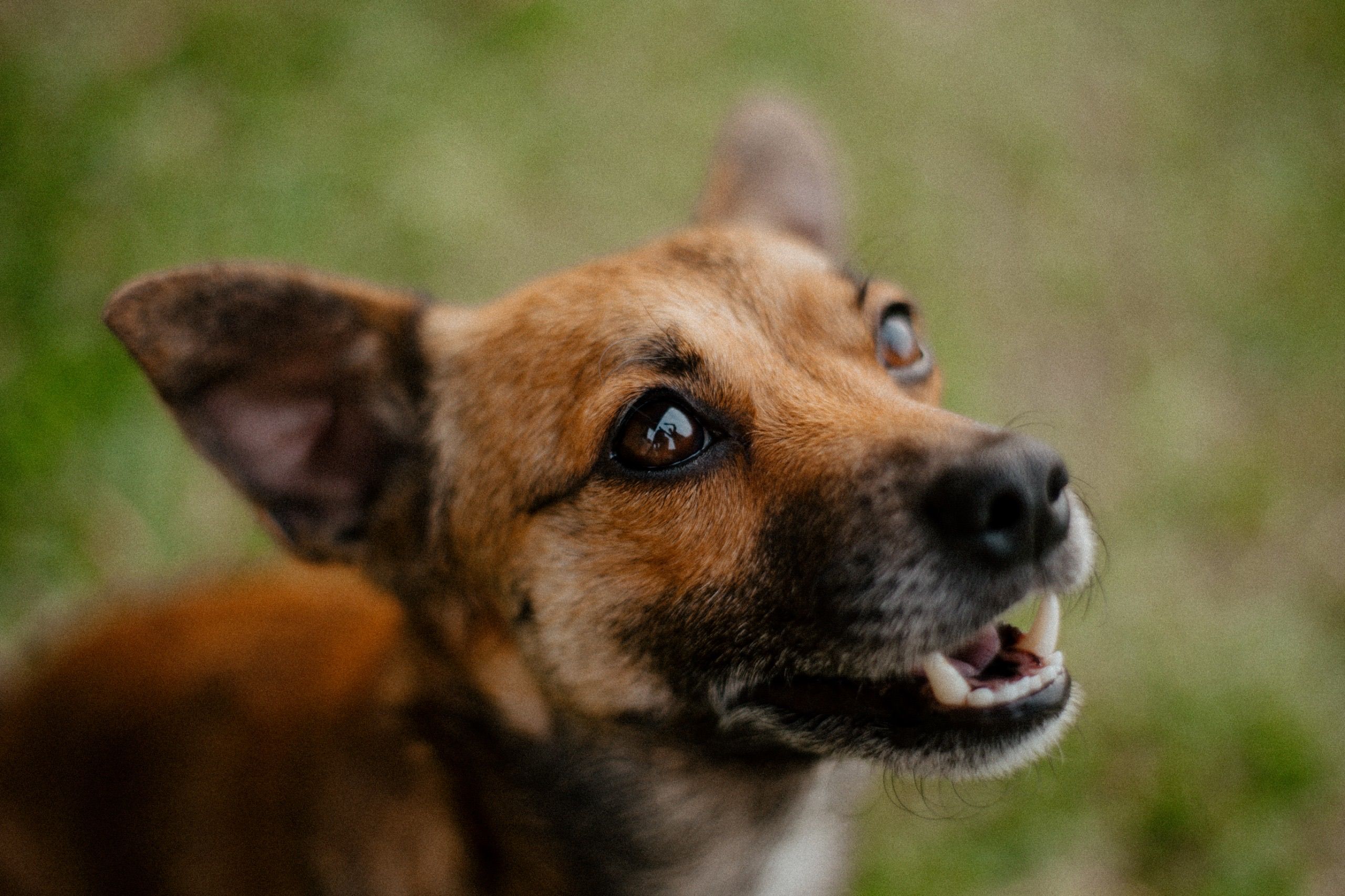
Oral tumors range from harmless to aggressive. Here's how to spot them early and what treatment looks like.
Finding a lump or sore in your dog’s mouth is unsettling, and it’s okay to feel worried. Oral tumors are one of the more common cancers in dogs, and they range from completely benign to fast-moving and aggressive. The most important thing you can do right now is not wait. Early detection changes outcomes significantly, and knowing what to look for gives you a real head start.
 TL;DR
TL;DR
Not every growth in your dog’s mouth is cancer. Some are benign, meaning they don’t spread or invade surrounding tissue. Others are malignant, meaning they can spread to lymph nodes, bone, and other organs. Here’s a plain-language breakdown of the main types.
Oral melanoma is the most common malignant oral tumor in dogs. It grows fast, spreads early, often to lymph nodes and lungs, and tends to appear as a dark or pigmented mass on the gums or lips. Smaller breeds and dark-pigmented dogs are more prone to it.
Squamous cell carcinoma (SCC) starts in the flat cells lining the mouth. It’s locally aggressive and tends to invade the bone beneath it, but spreads to distant sites less frequently than melanoma. It’s more common in cats, but dogs develop it too, especially on the gums and tongue.
Fibrosarcoma develops from the connective tissue in the mouth. It’s firm, grows into the bone, and has a high rate of coming back after surgery. Large-breed dogs are at higher risk.
An epulis (plural: epulides) is the most common benign oral tumor in dogs, growing from the tissue around the teeth. They’re often seen in flat-faced breeds like Boxers and Bulldogs. Most are slow-growing and don’t spread, though some types can become locally invasive and still need surgical removal.
One important note: you can’t tell by looking whether a growth is benign or malignant. Only a biopsy can confirm what you’re dealing with.
Dogs are stoic. They don’t always act like something hurts, which makes it easy to miss mouth cancer until it’s progressed. Here’s what to watch for:
Any one of these signs is a reason to call your vet this week. If your dog has a visible mass or is bleeding, call today.
A three-minute monthly check could catch something early enough to make a real difference. Here’s how to do it:
Pick a consistent time each month and pair it with something your dog enjoys so they associate it with good things. Get good light, a flashlight or phone torch works well. Start by lifting the lips and checking the outer gums on both sides, looking for lumps, color changes, sores, or anything asymmetric. Then open the mouth gently and look at the roof of the mouth, the tongue, and the back of the throat. Run a finger along the gumline to feel for bumps or any area your dog flinches away from. Don’t forget to lift and check the lips and lip folds, since that’s an area that’s easy to miss.
If you spot something unfamiliar, take a photo with a reference object for scale and note the date. Take the same photo again in two weeks. If it’s grown, darkened, or changed shape, that’s a same-week vet visit.
Call your vet immediately if you notice any of these:
Your vet will start with a physical oral exam. Depending on what they find, the next steps typically involve a combination of the following.
A biopsy is the only way to know for certain whether a tumor is benign or malignant and which type of cancer it is. A small tissue sample is sent to a lab for analysis. Some biopsies are done under sedation; others require general anesthesia.
Staging, which means figuring out how far the cancer has spread, usually involves X-rays or a CT scan. X-rays can show if bone is involved. A CT scan gives a more detailed picture of the tumor’s size, depth, and whether it’s reached the lymph nodes or lungs. Staging guides every treatment decision that follows.
A fine needle aspirate is a quicker, minimally invasive option where the vet uses a needle to collect cells from a suspicious lump or lymph node. It’s less definitive than a biopsy but can give useful early information while a full workup is being planned.
Treatment depends on the tumor type, location, and how early it’s caught. Your vet, and often a veterinary oncologist, will help you build a plan.
Surgery is the most common first-line treatment. The goal is to remove the tumor with clean margins, meaning a border of healthy tissue all the way around it. For tumors that have invaded bone, this may mean removing part of the jaw. It sounds intense, but dogs adapt remarkably well.
Radiation therapy is used when surgery can’t remove the entire tumor, or alongside surgery to reduce the risk of recurrence. It requires multiple sessions under general anesthesia at a specialist facility.
Chemotherapy is less commonly used for oral tumors in dogs than in humans, but it can be part of a plan for melanoma, particularly alongside the melanoma vaccine, a targeted immunotherapy that has shown meaningful results.
| Tumor type | General prognosis |
|---|---|
| Oral melanoma | Median survival with surgery alone is around 5 to 7 months. With the melanoma vaccine, some dogs reach 12 to 18 months or longer. Stage at diagnosis matters enormously. |
| Squamous cell carcinoma | Tumors at the front of the mouth tend to respond better to surgery, with median survival sometimes exceeding a year. Tumors near the back of the mouth or tongue carry a worse prognosis. |
| Fibrosarcoma | High recurrence rate. Median survival with surgery and radiation combined is roughly 12 to 18 months for localized tumors. |
| Benign epulides | Excellent prognosis with surgical removal. Recurrence is possible but manageable. |
These are median numbers, which means half of dogs do better. Early-stage tumors caught before spreading give your dog the best shot at a longer, more comfortable outcome.
Yes, oral cancer is eligible for coverage under a Lemonade Pet accident and illness policy, as long as the condition isn’t pre-existing. That means your dog shouldn’t be showing any signs or symptoms before your policy starts or during your waiting period.
Treating oral cancer is expensive. A biopsy alone can run several hundred dollars. Staging with a CT scan often costs $1,000 to $2,000. Surgery, radiation therapy, and oncology consultations can push the total significantly higher depending on the tumor type and treatment plan. Getting coverage in place before any symptoms appear is what makes it actually useful when you need it most.
A lump in your dog’s mouth doesn’t automatically mean the worst, but it does mean you should find out what it is. Most oral tumors in dogs are treatable, especially when caught before they’ve spread. Start your monthly mouth checks now, know the warning signs, and trust your instincts as a pet owner. If something looks or feels off, call your vet. That call is always worth making.
It depends entirely on the tumor type and stage. Benign tumors like epulides carry an excellent prognosis after removal. For malignant cancers, survival ranges from several months (aggressive melanoma caught late) to over a year or more (early-stage squamous cell carcinoma or fibrosarcoma treated with surgery and radiation combined). Early detection consistently improves outcomes.
Yes, it can be, especially when tumors invade bone or become ulcerated (open sores). Dogs often mask pain well, so subtle changes like reluctance to eat hard food, pawing at the mouth, or behavioral shifts may be the only signs. Pain management is a key part of treatment planning.
You can’t diagnose it at home, but you can spot the warning signs: bad breath, drooling, bleeding from the mouth, loose teeth, facial swelling, difficulty eating, or a visible lump on the gums or lips. If you notice any of these, contact your vet. A biopsy is the only way to confirm a diagnosis.
Oral tumors vary widely. Some look like raised, fleshy lumps on the gumline. Others appear as dark or pigmented patches (common with melanoma), firm swellings under the lip, or ulcerated sores that don’t heal. Any new or changing growth in your dog’s mouth deserves a vet evaluation.
Older dogs are generally at higher risk. Flat-faced breeds like Boxers and Bulldogs are prone to benign epulides. Darker-pigmented dogs and certain breeds, including Cocker Spaniels and German Shepherds, appear more susceptible to oral melanoma. Large-breed dogs have a higher risk of fibrosarcoma.
A few quick words, because we <3 our lawyers: This post is general in nature, and any statement in it doesn’t alter the terms, conditions, exclusions, or limitations of the policies issued, which differ according to your state of residence. You’re encouraged to discuss your specific circumstances with your own professional advisors. The purpose of this post is merely to provide you with info and insights you can use to make such discussions more productive! Naturally, all comments by, or references to, third parties represent their own views, and Lemonade assumes no responsibility for them. Coverage may not be available in all states. Please note that statements about coverages, policy management, claims processes, Giveback, and customer support apply to policies underwritten by Lemonade Insurance Company or Metromile Insurance Company, a Lemonade company, sold by Lemonade Insurance Agency, LLC. The statements do not apply to policies underwritten by other carriers.
Please note: Lemonade articles and other editorial content are meant for educational purposes only, and should not be relied upon instead of professional legal, insurance or financial advice. The content of these educational articles does not alter the terms, conditions, exclusions, or limitations of policies issued by Lemonade, which differ according to your state of residence. While we regularly review previously published content to ensure it is accurate and up-to-date, there may be instances in which legal conditions or policy details have changed since publication. Any hypothetical examples used in Lemonade editorial content are purely expositional. Hypothetical examples do not alter or bind Lemonade to any application of your insurance policy to the particular facts and circumstances of any actual claim.