
Understanding Dry Eye in Dogs (KCS)
What keratoconjunctivitis sicca is, why it happens, and what management actually looks like.

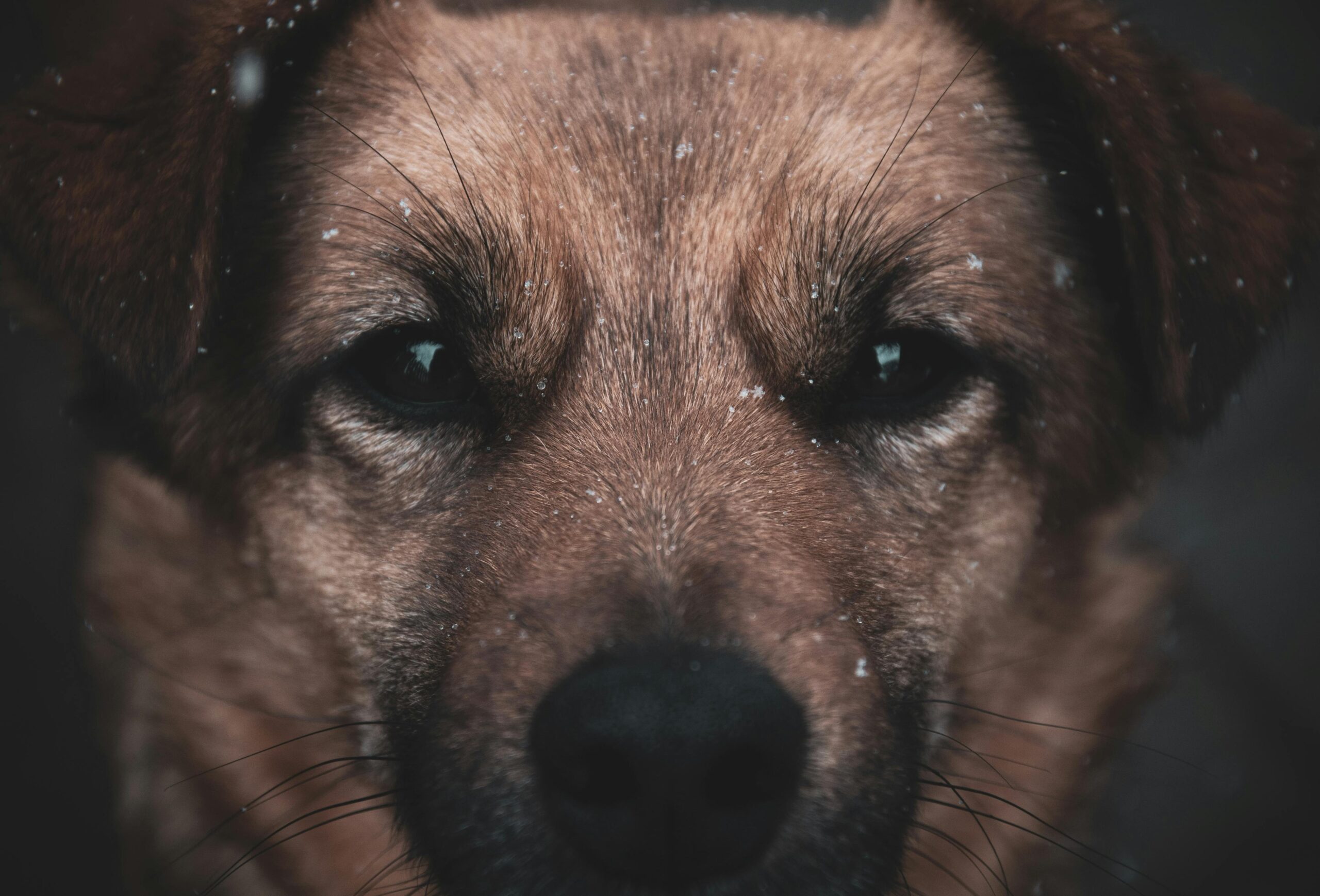
What keratoconjunctivitis sicca is, why it happens, and what management actually looks like.
If your dog’s eyes look goopy, red, or dull, it could be a sign of dry eye: formally called keratoconjunctivitis sicca, or KCS. It happens when a dog’s eyes don’t produce enough tears to stay lubricated and healthy. It’s one of the most common eye conditions in dogs, and while it’s manageable, it does require consistent, lifelong care. Left untreated, it can lead to serious complications, including vision loss.
 TL;DR
TL;DR
Dry eye, or keratoconjunctivitis sicca (KCS), is a condition where your dog’s eyes don’t produce enough tears. Tears do more than just keep the surface of the eye moist: they carry oxygen, nutrients, and enzymes that protect and nourish the cornea. Without enough tears the eye becomes dry, irritated, and inflamed, potentially leading to more serious issues if left untreated.
This is one of the most common eye conditions in dogs. It’s usually manageable, but it requires a long-term commitment to your dog’s care.
Here’s what to watch for:
Early treatment is important to prevent long-term complications like corneal ulcers or scarring. If you’re noticing any of these signs, a vet visit should be your next step.
The most common cause is immune-mediated, meaning your dog’s immune system mistakenly attacks the tear-producing glands. But other triggers include:
Breed plays a role too. Dogs like Cavalier King Charles Spaniels, Bulldogs, Shih Tzus, Pugs, Cocker Spaniels, West Highland White Terriers, Yorkshire Terriers, and Lhasa Apsos are more prone to developing dry eye due to genetic factors.
Your vet will likely start with a Schirmer tear test. a small strip of paper placed under your dog’s eyelid to measure how much moisture collects over 60 seconds. Normal tear production is above 15mm per minute. Anything under 10mm per minute is consistent with dry eye. Values between 10 and 15mm are considered borderline and worth monitoring.
Your vet may also use a fluorescein stain, a harmless dye applied to the eye surface, to check for corneal ulcers, which are particularly common in dogs with severe or untreated KCS.
Managing dry eye is about restoring moisture and reducing inflammation. Depending on your dog’s case, your vet may recommend:
Treatment is usually lifelong. Regular vet check-ins help ensure the approach is still working and adjusted if needed.
Without treatment, dry eye can cause permanent corneal scarring, pigmentation that clouds vision, ulcers, and in serious cases, vision loss. That’s why early diagnosis and consistent care aren’t optional, they’re what protect your dog’s sight and comfort over the long term.
Yes, Lemonade Pet covers eye conditions like dry eye as long as the condition isn’t pre-existing. That means signs and symptoms need to have appeared after your policy was active and your waiting periods had passed.
A base accident and illness policy can help cover the recurring costs that come with managing KCS long-term: things like diagnostic testing, prescription eye drops, and follow-up appointments.
If your dog is a breed that’s prone to this condition, it’s especially worth thinking about coverage sooner rather than later. Once symptoms appear, the condition is typically considered pre-existing and won’t be eligible for coverage. Getting a policy in place while your dog is healthy is the move that gives you the most options down the road.
Dry eye is a lifelong condition, but it’s also one of the more manageable ones, dogs on consistent treatment can stay comfortable and maintain good vision for years. If something about your dog’s eyes doesn’t look right, don’t wait to see if it clears up on its own. Early diagnosis gives you more options and better outcomes. Your vet is the right first call.
Breeds like Cavalier King Charles Spaniels, Bulldogs, Shih Tzus, Pugs, and Cocker Spaniels are genetically predisposed to dry eye.
Vets use a Schirmer tear test to measure tear production, often alongside tests for corneal ulcers.
There’s no cure, but consistent treatment with medication and/or surgery can manage the condition effectively.
Untreated dry eye can lead to corneal ulcers, scarring, pigmentation, and even vision loss.
Yes, pet insurance like Lemonade Pet covers many eye conditions, including dry eye, as long as it’s not pre-existing.
A few quick words, because we <3 our lawyers: This post is general in nature, and any statement in it doesn’t alter the terms, conditions, exclusions, or limitations of the policies issued, which differ according to your state of residence. You’re encouraged to discuss your specific circumstances with your own professional advisors. The purpose of this post is merely to provide you with info and insights you can use to make such discussions more productive! Naturally, all comments by, or references to, third parties represent their own views, and Lemonade assumes no responsibility for them. Coverage may not be available in all states. Please note that statements about coverages, policy management, claims processes, Giveback, and customer support apply to policies underwritten by Lemonade Insurance Company or Metromile Insurance Company, a Lemonade company, sold by Lemonade Insurance Agency, LLC. The statements do not apply to policies underwritten by other carriers.
Please note: Lemonade articles and other editorial content are meant for educational purposes only, and should not be relied upon instead of professional legal, insurance or financial advice. The content of these educational articles does not alter the terms, conditions, exclusions, or limitations of policies issued by Lemonade, which differ according to your state of residence. While we regularly review previously published content to ensure it is accurate and up-to-date, there may be instances in which legal conditions or policy details have changed since publication. Any hypothetical examples used in Lemonade editorial content are purely expositional. Hypothetical examples do not alter or bind Lemonade to any application of your insurance policy to the particular facts and circumstances of any actual claim.