
Does Your Dog Have Dwarfism?
Short legs aren't always a problem. Here's what dwarfism in dogs actually means and when to call the vet.

Short legs aren't always a problem. Here's what dwarfism in dogs actually means and when to call the vet.
Your dog is smaller than expected, their growth seems to have stalled, or they look a little different from their littermates. Dwarfism is the word that keeps coming up. Here’s the thing: dwarfism in dogs isn’t one condition. It covers everything from completely normal breed traits (Corgis and Dachshunds are supposed to look like that) to real medical disorders that need a vet’s attention. Knowing which one you’re dealing with changes everything about what to do next.
 TL;DR
TL;DR
Not all small or short-legged dogs have a medical condition. Here’s how the main types break down.
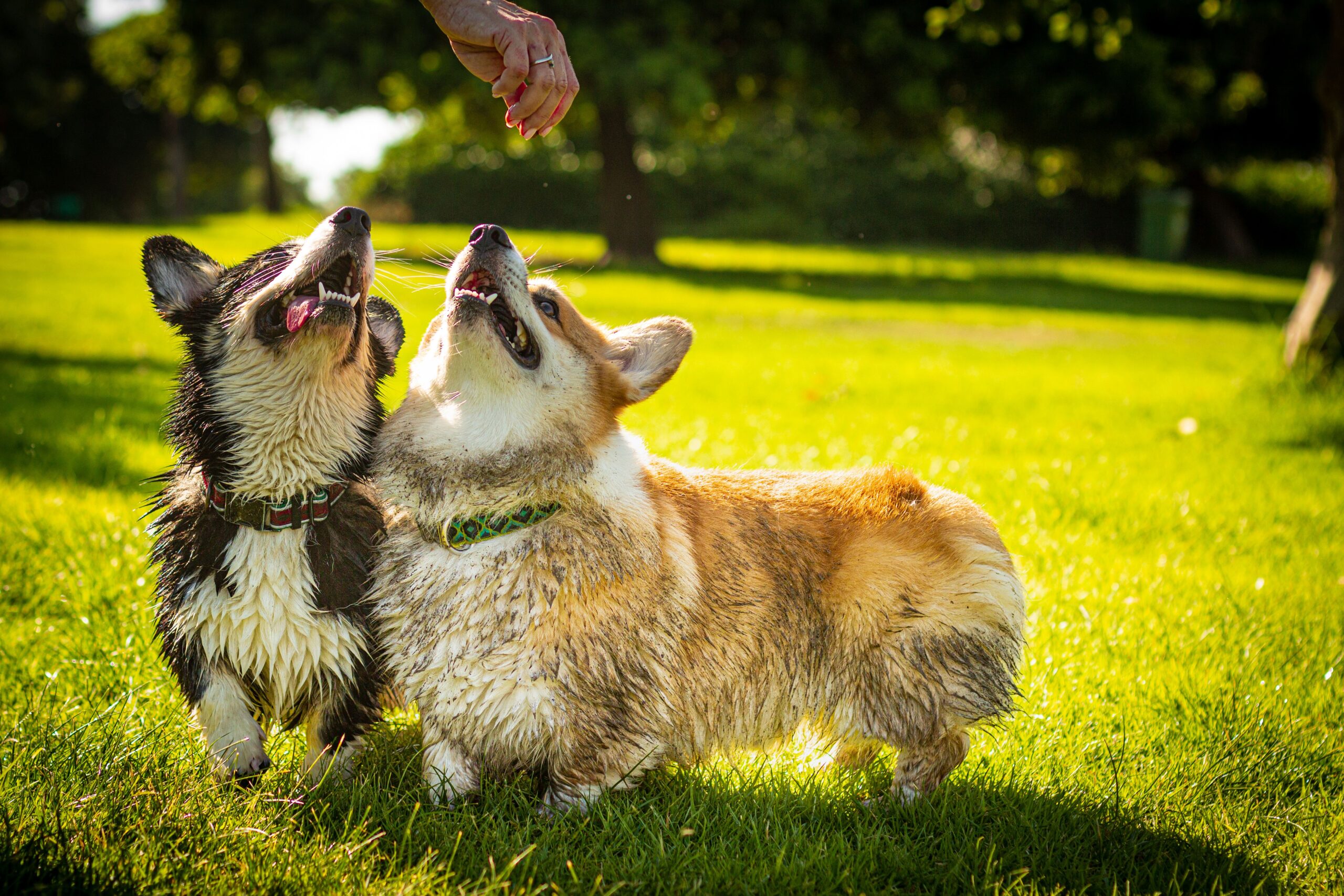
This is the most common type, and in many breeds, it’s completely intentional. Chondrodysplasia means the cartilage and bones develop differently, resulting in short limbs relative to the body. It’s what gives Dachshunds, Corgis, Basset Hounds, and French Bulldogs their distinctive look. In these breeds, it’s a normal genetic trait, not a disorder.
That said, the same genetic mutation can cause problems in breeds where it’s not expected, or lead to spinal and joint complications even in breeds where it’s standard.
This is a broader term for abnormal bone and cartilage development that can cause more severe skeletal changes than standard chondrodysplasia. It’s associated with significant joint problems and pain, and it does occur in dogs, though it’s less commonly discussed than the other forms.
This one is different from the others. Pituitary dwarfism happens when a dog’s pituitary gland, a small structure at the base of the brain that controls growth hormones, doesn’t function properly. The result is a dog that stays small all over, not just in the legs. Unlike chondrodysplasia, where the body is long and the legs are short, a dog with pituitary dwarfism looks like a miniature version of itself with all proportions roughly intact.
It’s most commonly seen in German Shepherds, and it’s often linked to panhypopituitarism, a condition where multiple pituitary hormones are deficient at once, not just growth hormone. This can lead to hypothyroidism, skin problems, and organ complications alongside the stunted growth.
What you’ll notice depends on the type. Here’s what each one actually looks like at home:
| Chondrodysplasia and osteochondrodysplasia | Pituitary dwarfism |
|---|---|
| Short, curved, or bowed limbs | Stunted growth: the puppy stops growing much earlier than expected |
| A long body relative to leg length | Retained puppy coat: the soft, fluffy puppy fur doesn’t shed and the adult coat never properly comes in |
| A waddling gait or difficulty moving smoothly | Patchy hair loss or thinning skin over time |
| Joint stiffness or swelling, especially as the dog ages | Lethargy and low energy |
| Spinal issues, including disc disease, which is more common in Dachshunds | Delayed or absent adult teeth |
| A soft, high-pitched bark that doesn’t deepen with age |
This is probably the question you came here with. Here’s a practical way to think it through.
The retained puppy coat combined with stunted growth is one of the clearest early signals of pituitary dwarfism. If you’re seeing both, don’t wait on that vet call.
There’s no single test that confirms dwarfism. Your vet will piece together a picture from several different angles.
Treatment depends heavily on the type and how severe the condition is.
For chondrodysplastic breeds, there’s often no treatment needed for the dwarfism itself. The focus shifts to managing associated problems: joint supplements, weight management to reduce pressure on the spine and joints, and monitoring for disc disease. Severe cases may need surgery.
For pituitary dwarfism, your vet may recommend growth hormone therapy or medications that can stimulate some growth hormone production, though these are complex treatments with their own risks and aren’t universally available. Managing hypothyroidism with thyroid hormone supplementation is often part of the picture too. Skin care and coat support become ongoing priorities.
It’s worth knowing that dogs with pituitary dwarfism often have a shorter life expectancy than healthy dogs of the same breed, frequently living into their mid-single-digit years. That’s hard to hear. Your vet can help you build a care plan focused on quality of life and comfort for the time you have together.
Yes, conditions associated with dwarfism, like joint disease, hypothyroidism, and skin disorders, can be eligible for coverage under a Lemonade Pet accident and illness policy, when they aren’t pre-existing.
For dogs in chondrodysplastic breeds, getting covered early before joint problems show up means those future vet bills have a safety net. For puppies that seem to be growing slower than expected, the same logic applies.
Short legs and a small frame don’t automatically mean something is wrong. But if your dog’s growth has stalled, their puppy coat is still hanging around at 4 to 6 months, or they just don’t seem like themselves, those are real signals worth following up on. A vet visit, some bloodwork, and maybe an X-ray can give you a clear answer and a clear path forward. Whatever you find out, you don’t have to navigate it alone.
It depends on the type. Dogs with chondrodysplasia (like Dachshunds and Corgis) can live full, normal lifespans with proper care. Dogs with pituitary dwarfism often have a shorter life expectancy, sometimes living only into their mid-single-digit years, due to associated hormonal and organ complications.
Chondrodysplastic breeds – including Dachshunds, Corgis, Basset Hounds, French Bulldogs, Shih Tzus, and Pekingese – naturally have short limbs. Pituitary dwarfism is most commonly seen in German Shepherds, though it can occur in other breeds too.
If your dog is a recognized short-legged breed and developing normally otherwise, short stature is likely just a breed trait. Red flags for a medical condition include stunted growth compared to littermates, a retained puppy coat past 4–6 months, lethargy, and patchy hair loss. Those signs warrant a vet visit.
Chondrodysplasia itself usually isn’t treated – the focus is on managing related joint and spinal issues. Pituitary dwarfism may be managed with hormone therapy or thyroid medication, depending on what hormones are deficient, though these treatments are complex and not always available everywhere.
Yes, for some breeds. Genetic tests can identify mutations associated with chondrodysplasia and are increasingly used by breeders and vets to understand a dog’s risk profile. Your vet can advise whether testing makes sense for your specific dog and situation.
A few quick words, because we <3 our lawyers: This post is general in nature, and any statement in it doesn’t alter the terms, conditions, exclusions, or limitations of the policies issued, which differ according to your state of residence. You’re encouraged to discuss your specific circumstances with your own professional advisors. The purpose of this post is merely to provide you with info and insights you can use to make such discussions more productive! Naturally, all comments by, or references to, third parties represent their own views, and Lemonade assumes no responsibility for them. Coverage may not be available in all states. Please note that statements about coverages, policy management, claims processes, Giveback, and customer support apply to policies underwritten by Lemonade Insurance Company or Metromile Insurance Company, a Lemonade company, sold by Lemonade Insurance Agency, LLC. The statements do not apply to policies underwritten by other carriers.
Please note: Lemonade articles and other editorial content are meant for educational purposes only, and should not be relied upon instead of professional legal, insurance or financial advice. The content of these educational articles does not alter the terms, conditions, exclusions, or limitations of policies issued by Lemonade, which differ according to your state of residence. While we regularly review previously published content to ensure it is accurate and up-to-date, there may be instances in which legal conditions or policy details have changed since publication. Any hypothetical examples used in Lemonade editorial content are purely expositional. Hypothetical examples do not alter or bind Lemonade to any application of your insurance policy to the particular facts and circumstances of any actual claim.