
What is Dysautonomia in Dogs?
A rare failure of the autonomic nervous system. Here's what dysautonomia means and what honest prognosis looks like.

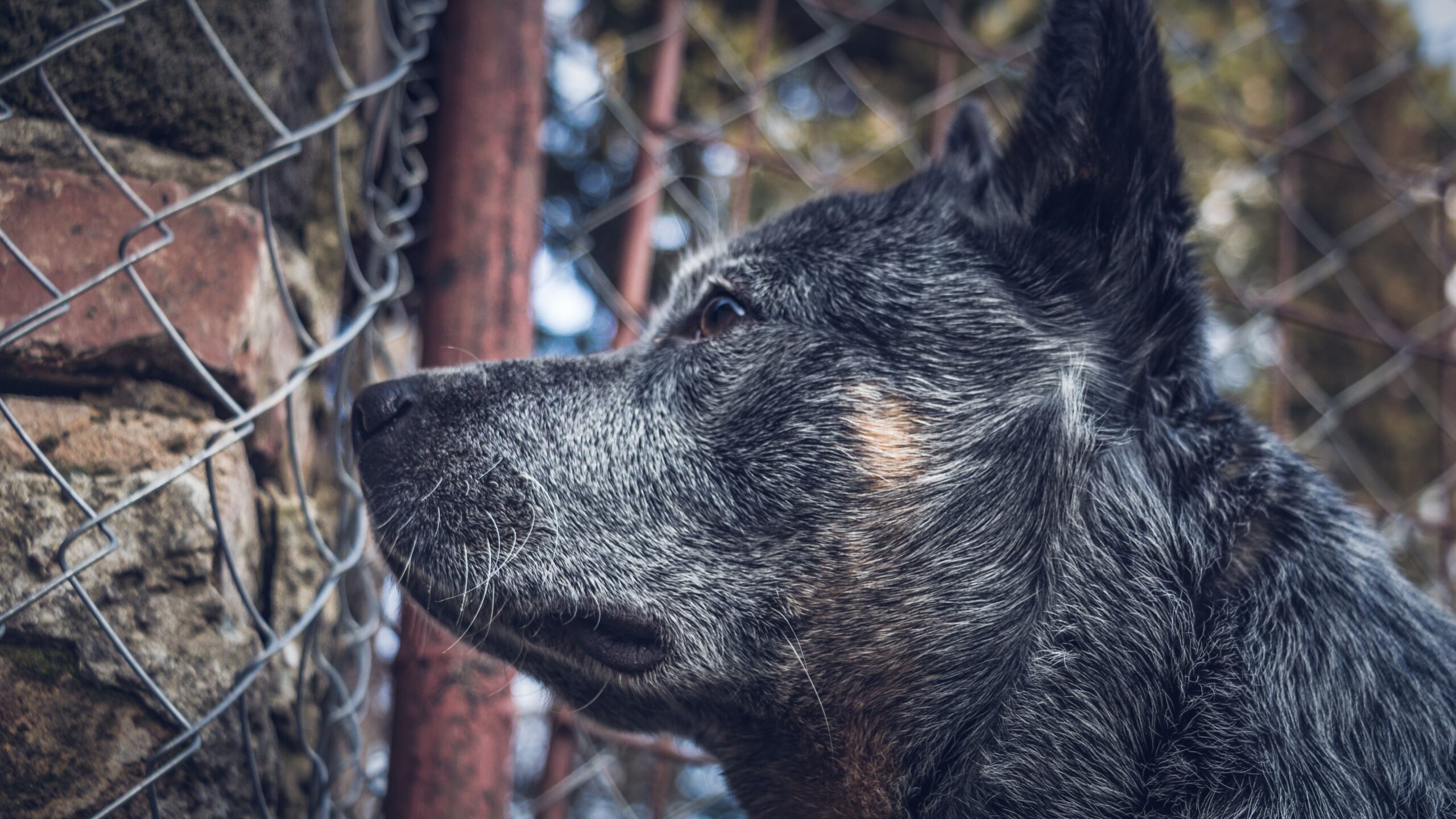
A rare failure of the autonomic nervous system. Here's what dysautonomia means and what honest prognosis looks like.
If your dog is regurgitating food, has pupils that won’t react to light, a dry nose and eyes, and seems to be straining to go to the bathroom, you’re probably scared and searching for answers. One term that might have come up is canine dysautonomia, also called Key-Gaskell syndrome. It’s a rare and serious condition, and it’s worth understanding clearly before your next vet conversation.
Canine dysautonomia is a failure of the autonomic nervous system, the part of the nervous system that runs all the automatic body functions your dog never has to think about: digestion, eye moisture, bladder control, heart rate, and more. When that system breaks down, many of those functions fail at the same time. It’s uncommon, and honestly, the prognosis is often poor. But understanding what you’re dealing with helps you make the best decisions for your dog.
 TL;DR
TL;DR
Rather than one or two issues, you’ll typically see a cluster of signs affecting multiple body systems at the same time. Here’s what to watch for:
Here’s the frustrating part: nobody knows exactly what causes canine dysautonomia. The autonomic nervous system degenerates, but researchers haven’t pinned down why. There’s a suspected environmental trigger, possibly a toxin or infectious agent, because cases cluster geographically. In the US, the condition shows up more often in dogs in parts of the Midwest, particularly in rural settings. Any breed or age can be affected, though many reported cases involve young to middle-aged dogs. There’s no clear genetic link identified so far.
There’s no single test that confirms canine dysautonomia. Your vet will work through a process of elimination to rule out other conditions with similar signs, like Addison’s disease, botulism, or a spinal cord problem. Expect a combination of:
| Test | What it’s looking for |
|---|---|
| Physical and neurological exam | Pupil response, muscle tone, and reflexes |
| Chest X-rays | Megaesophagus and signs of aspiration pneumonia |
| Schirmer tear test | Measures tear production, usually significantly reduced in dysautonomia |
| Pharmacological pupil testing | Specific eye drops cause an exaggerated response in dogs with nerve degeneration |
| Bloodwork and urinalysis | Rules out other systemic causes |
| Skin biopsy | A small skin sample can show nerve fiber loss under a microscope, supporting the diagnosis |
This diagnostic process takes time and money, which is worth knowing upfront.
There’s no cure for canine dysautonomia. Treatment is entirely supportive, focused on keeping your dog comfortable and managing each symptom individually:
Supportive care can improve comfort and, in mild cases, may allow some dogs to stabilize. But it cannot reverse the nerve damage.
If your dog has two or more of the following at the same time, don’t wait for a routine appointment:
Aspiration pneumonia is one of the most dangerous complications, and a blocked bladder is an emergency. Both need same-day care.
The dysautonomia dog prognosis is guarded to poor for most dogs. Life expectancy after diagnosis varies, but many dogs either don’t survive the acute phase or decline significantly within weeks to months. A smaller number of dogs, particularly those with milder signs, have survived longer with intensive supportive care. There’s no way to predict which group your dog will fall into.
That means the hardest conversations with your vet aren’t about treatment options. They’re about quality of life: Is your dog eating? Comfortable? Able to rest without distress? Supportive care requires significant owner commitment, including frequent feeding management, eye drops multiple times a day, and bladder care. It’s worth asking your vet honestly what improvement looks like in the first two to four weeks, and what the signs of decline are, so you’re not making decisions in the dark.
Yes, dysautonomia can be eligible for coverage under a Lemonade Pet accident and illness policy, when the condition isn’t pre-existing. That means your dog shouldn’t be showing any signs or symptoms before your policy starts or during your waiting period.
Diagnosing and managing canine dysautonomia isn’t cheap. Between specialist visits, imaging, pharmacological testing, ongoing medications, and potential hospitalization for complications like aspiration pneumonia, costs can climb quickly. Getting coverage in place while your dog is healthy is what makes it actually useful when you need it.
Canine dysautonomia is a genuinely difficult diagnosis, and it’s okay to feel the weight of that. The autonomic nervous system failure affects so many body functions at once, the cause is still unknown, and the prognosis is often poor even with the best supportive care. But understanding what you’re facing, knowing which symptoms need urgent attention, and having honest conversations with your vet about quality of life all make a real difference. Work closely with your veterinary team, ask hard questions, and take it one clear-eyed step at a time. You don’t have to figure this out alone.
Canine dysautonomia, also called Key-Gaskell syndrome, is a rare condition where the autonomic nervous system degenerates and fails. This disrupts many automatic body functions at once, including digestion, tear production, pupil response, bladder control, and heart rate regulation.
The most common signs include regurgitation due to megaesophagus, dilated pupils that don’t respond to light, dry eyes and dry nose, straining to urinate or defecate, a slow heart rate (bradycardia), and significant weight loss. Seeing several of these signs together is a key red flag.
The dysautonomia dog prognosis is generally poor. Many dogs do not survive the acute phase or decline significantly within weeks to months. A smaller number stabilize with intensive supportive care, but full recovery is uncommon. Your vet can help you assess your individual dog’s situation.
No. There is no cure for canine dysautonomia. All treatment is supportive, meaning it manages individual symptoms like dry eye, regurgitation, and bladder dysfunction rather than reversing the underlying nerve damage.
A few quick words, because we <3 our lawyers: This post is general in nature, and any statement in it doesn’t alter the terms, conditions, exclusions, or limitations of the policies issued, which differ according to your state of residence. You’re encouraged to discuss your specific circumstances with your own professional advisors. The purpose of this post is merely to provide you with info and insights you can use to make such discussions more productive! Naturally, all comments by, or references to, third parties represent their own views, and Lemonade assumes no responsibility for them. Coverage may not be available in all states. Please note that statements about coverages, policy management, claims processes, Giveback, and customer support apply to policies underwritten by Lemonade Insurance Company or Metromile Insurance Company, a Lemonade company, sold by Lemonade Insurance Agency, LLC. The statements do not apply to policies underwritten by other carriers.
Please note: Lemonade articles and other editorial content are meant for educational purposes only, and should not be relied upon instead of professional legal, insurance or financial advice. The content of these educational articles does not alter the terms, conditions, exclusions, or limitations of policies issued by Lemonade, which differ according to your state of residence. While we regularly review previously published content to ensure it is accurate and up-to-date, there may be instances in which legal conditions or policy details have changed since publication. Any hypothetical examples used in Lemonade editorial content are purely expositional. Hypothetical examples do not alter or bind Lemonade to any application of your insurance policy to the particular facts and circumstances of any actual claim.