

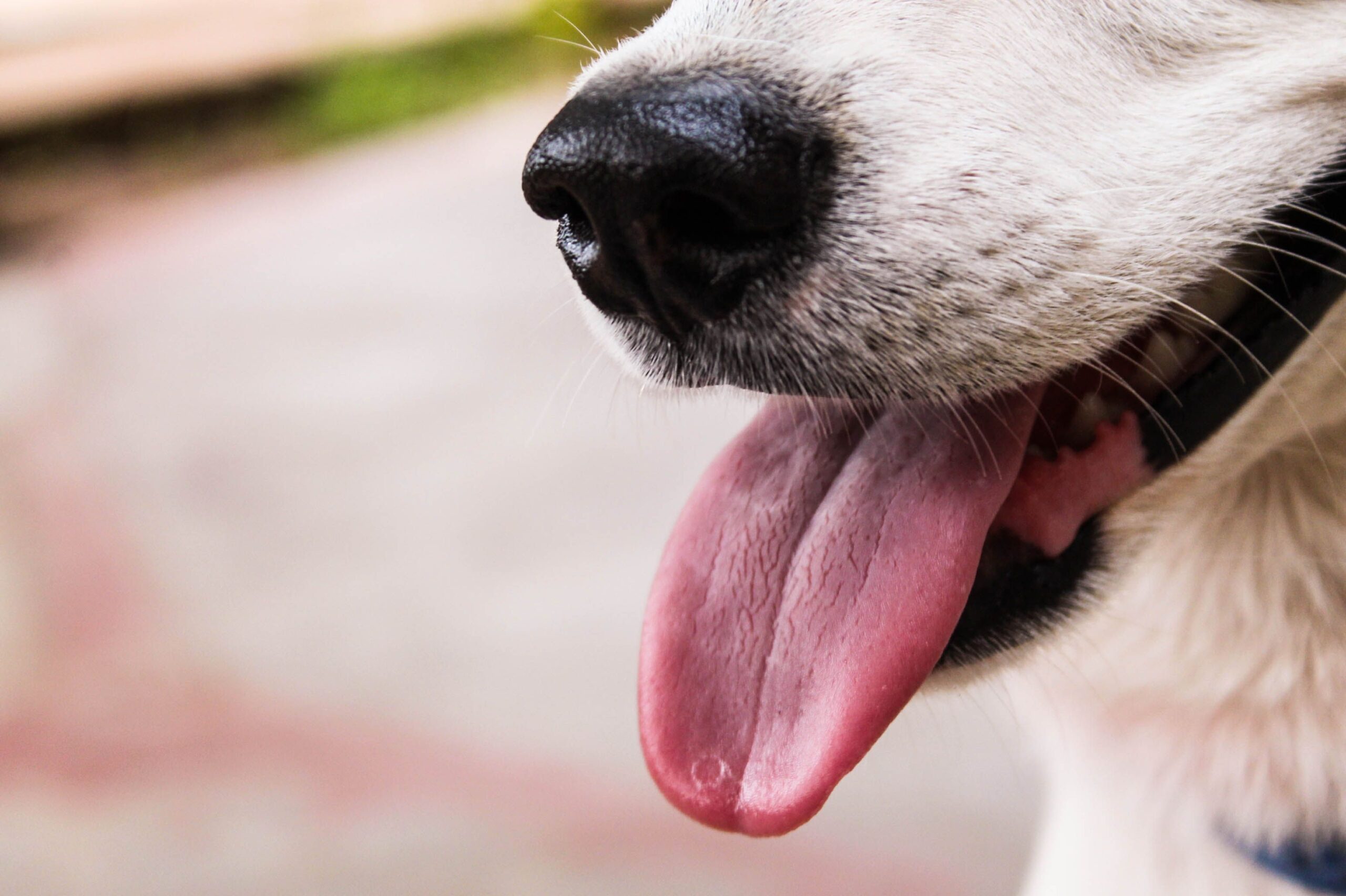
If your dog has been drooling more than usual, turning away from food, or bringing up undigested meals without any of the heaving you’d expect from vomiting, something may be going on in their esophagus, the tube that carries food from the mouth to the stomach. Esophagitis is an inflammation of that tube’s lining, and while it sounds alarming, it’s usually manageable once you figure out what’s causing it.
Here’s what to know, what to watch for, and what your vet can do about it.
 TL;DR
TL;DR
- Esophagitis is inflammation of the esophagus (the tube connecting the mouth to the stomach), most often caused by acid reflux, swallowed irritants, or anesthesia complications.
- The key symptom to spot: passive regurgitation (food sliding back up without heaving), not vomiting. That distinction tells you and your vet the problem may be in the esophagus, not the stomach.
- Common signs include drooling, licking lips, painful swallowing, and appetite loss. Left untreated, it can lead to serious complications like aspiration pneumonia.
- Treatment usually involves acid reducers, sucralfate (a medication that coats the esophagus), dietary changes, and elevated feeding. Most dogs recover well when the underlying cause is addressed.
- Esophagitis is covered under a Lemonade Pet accident and illness policy, as long as it’s not pre-existing and develops after your waiting periods end.
What causes esophagitis in dogs
The esophagus is lined with sensitive tissue that wasn’t built to handle stomach acid or harsh chemicals. When those things make contact with that lining repeatedly, inflammation sets in.
The most common causes include:
- Acid reflux: Stomach acid repeatedly washing back up into the esophagus, irritating the lining over time. The same mechanism as heartburn in people, and the most frequent culprit in dogs.
- General anesthesia: During surgery, the lower esophageal sphincter (the muscular valve that keeps stomach contents in the stomach) can relax, allowing acid to reflux while your dog is lying flat and unconscious. Post-anesthesia esophagitis is more common than many owners realize.
- Swallowed irritants: Caustic chemicals, certain medications (especially pills that get stuck in the esophagus), or foreign objects that scrape the lining on the way down.
- Chronic vomiting: Frequent vomiting from any cause exposes the esophagus to stomach acid repeatedly, wearing down the lining.
- Hiatal hernia: A condition where part of the stomach pushes through the diaphragm into the chest cavity, making acid reflux much more likely.
- Megaesophagus: An enlarged, weakened esophagus that doesn’t move food efficiently, leaving it pooled and creating ongoing irritation.
- Eosinophilic esophagitis: A less common, immune-driven condition where a type of white blood cell accumulates in the esophageal lining, causing chronic inflammation. This one often requires more investigation to diagnose.
Symptoms of esophagitis in dogs
What you’ll notice at home depends on how severe the inflammation is, but these are the most common signs:
- Regurgitation (bringing up food or liquid without warning or effort): The most telling sign. See the next section for why this distinction matters. Any passive regurgitation that happens more than once warrants a call to your vet.
- Drooling more than usual: Often one of the first things owners notice, especially after meals. On its own, could mean many things. Paired with regurgitation or appetite changes, worth investigating.
- Licking lips repeatedly, especially after eating: A sign of nausea or esophageal discomfort. Persistent lip-licking in a dog that was previously fine is worth mentioning to your vet.
- Reluctance to eat, or eating slowly and with visible discomfort: If swallowing seems painful, your dog may slow down or avoid food altogether. Any dog that’s stopped eating normally needs a vet visit soon.
- Painful swallowing: Your dog may stretch their neck out, gag, or make gulping motions after meals. This is a more specific signal pointing to the esophagus.
- Weight loss: If symptoms persist and food intake drops significantly. A sign things have been going on for a while.
- Coughing or breathing changes: If regurgitated material has been inhaled into the lungs (aspiration). This is a red flag and warrants an urgent vet call.
Severity matters here. Mild esophagitis might just look like a dog who’s been a little off their food. Severe esophagitis can cause significant pain and carries a real risk of complications if it’s not caught and treated.
Regurgitation vs. vomiting: the clue that points to the esophagus
This is the single most useful thing to know if you’re worried about your dog’s esophagus, and it’s the detail most owners miss.
| Vomiting | Regurgitation | |
|---|---|---|
| How it looks | Active: abdomen contracts, dog hunches over, visible effort | Passive: food or liquid flows back up with no warning and no heaving |
| What comes up | Partially digested material, may smell sour or contain bile | Undigested food or liquid, looks much like what went in |
| Where the problem is | Usually the stomach | Usually the esophagus |
| What to tell your vet | “My dog vomited” | “My dog regurgitated” |
Why does this distinction matter? Because regurgitation points to the esophagus, not the stomach. Telling your vet which one you observed sends the diagnostic investigation in the right direction from the start.
Next time it happens, watch closely: did your dog heave and strain, or did food just slide back out? That observation is genuinely useful clinical information.
How esophagitis in dogs is diagnose
Your vet will start with your dog’s history: what symptoms you’ve seen, how long they’ve been happening, and whether there’s been a recent surgery or exposure to anything unusual. From there, they may recommend:
- Endoscopy: A thin, flexible camera passed down the esophagus so the vet can see the lining directly. The most reliable way to confirm esophagitis and assess severity.
- X-rays or fluoroscopy: Imaging that can check for structural issues like a hiatal hernia or megaesophagus.
- Biopsy: If eosinophilic esophagitis is suspected, the vet may take a small tissue sample during endoscopy to examine under a microscope.
Treatment
Treatment depends on the cause, but the general approach involves protecting the esophagus while it heals and reducing whatever’s irritating it.
- Acid reducers (like proton pump inhibitors or H2 blockers): Reduce how much stomach acid is produced, giving the esophageal lining a break.
- Sucralfate: A medication that forms a protective coating over the irritated esophageal lining, a bit like a bandage from the inside. Often given as a liquid or slurry so it coats the esophagus on the way down.
- Dietary changes: Soft, low-fat, easily digestible food is gentler on an inflamed esophagus and less likely to trigger reflux.
- Elevated feeding: Raising your dog’s food bowl so they eat with their head up, using gravity to help food move toward the stomach and reducing the chance of it sliding back.
- Treating the underlying cause: If reflux, a hiatal hernia, or megaesophagus is driving the esophagitis, managing that condition is essential for long-term recovery.
Small, frequent meals and elevated feeding are genuinely supportive steps and vet-endorsed. But they work alongside medical treatment, not instead of it. If your dog is showing symptoms, get a vet involved before trying to manage it at home.
Is esophagitis in dogs curable?
In most cases, yes, especially when it’s caught early and the underlying cause is addressed. Dogs with acid reflux-related esophagitis often recover fully with medication and dietary changes. Chronic cases, or those tied to structural conditions like megaesophagus, may require ongoing management rather than a one-time fix.
The complication worth watching for is aspiration pneumonia: this happens when regurgitated material is inhaled into the lungs. Signs include coughing, labored breathing, or fever. If you notice any of these alongside regurgitation, contact your vet right away.
Does pet insurance cover esophagitis in dogs?
Diagnosing and treating esophagitis can add up: endoscopy, imaging, medications, and follow-up visits aren’t cheap.
Esophagitis is covered under a Lemonade Pet accident and illness policy, as long as it’s not pre-existing and develops after your waiting periods end. If your dog is already showing symptoms when you enroll, those symptoms and related conditions typically won’t be covered. The time to get coverage is before there’s a problem, not after your dog starts licking their lips and turning away from dinner.
Before we go
Esophagitis is one of those conditions that’s easy to overlook at first, and then harder to treat the longer it goes on. The good news is that most dogs respond well to treatment, especially when it starts early. If something feels off after your dog eats, trust that instinct, note what you’re seeing (vomiting or regurgitation?), and call your vet.
Frequently Asked Questions
Can esophagitis in dogs go away on its own?
Mild cases may improve with dietary changes, but most dogs need some form of treatment – acid reducers, sucralfate, or both – to fully heal. Without addressing the underlying cause, inflammation tends to persist or worsen.
How do I know if my dog is regurgitating or vomiting?
Vomiting involves visible abdominal heaving and effort. Regurgitation is passive – food or liquid comes back up without straining, often undigested. Regurgitation is a stronger signal that something is going on in the esophagus specifically.
Is esophagitis painful for dogs?
Yes, it can be. Inflamed esophageal tissue is sensitive, and dogs with moderate to severe esophagitis may show signs of discomfort when swallowing – stretching their neck, gulping repeatedly, or avoiding food altogether.
What's the connection between general anesthesia and esophagitis in dogs?
During anesthesia, the lower esophageal sphincter – the valve that keeps stomach acid in the stomach – can relax. Combined with a dog lying flat, this allows acid to reflux up into the esophagus and cause irritation. It’s one of the more common but underrecognized causes of esophagitis in dogs.
Can elevated feeding really help with esophagitis?
Yes. Raising the food bowl so your dog eats with their head up uses gravity to move food toward the stomach rather than letting it pool in the esophagus. It’s a simple, vet-recommended change that can meaningfully reduce regurgitation and support healing.
A few quick words, because we <3 our lawyers: This post is general in nature, and any statement in it doesn’t alter the terms, conditions, exclusions, or limitations of the policies issued, which differ according to your state of residence. You’re encouraged to discuss your specific circumstances with your own professional advisors. The purpose of this post is merely to provide you with info and insights you can use to make such discussions more productive! Naturally, all comments by, or references to, third parties represent their own views, and Lemonade assumes no responsibility for them. Coverage may not be available in all states. Please note that statements about coverages, policy management, claims processes, Giveback, and customer support apply to policies underwritten by Lemonade Insurance Company or Metromile Insurance Company, a Lemonade company, sold by Lemonade Insurance Agency, LLC. The statements do not apply to policies underwritten by other carriers.