

 Reviewed by Dr. Stephanie LiffLast Updated:
If your cat just got flagged for a heart murmur, or a vet mentioned HCM at a routine visit, it’s completely normal to feel like the floor dropped out. HCM, or hypertrophic cardiomyopathy, is the most common form of feline heart disease, affecting roughly 1 in 7 cats. That sounds alarming. But here’s what’s also true: many cats live for years after diagnosis, especially when it’s caught early and managed well.
 TL;DR
TL;DR
- HCM (hypertrophic cardiomyopathy) is the most common heart disease in cats. It causes the left ventricle wall to thicken, making it harder for the heart to pump blood effectively.
- Many cats with HCM have no symptoms for years. Early signs include faster breathing, lethargy, and reduced appetite. Sudden death is rare but possible in severe, undetected cases.
- An echocardiogram (a heart ultrasound) is the only way to definitively diagnose HCM. Bloodwork and an NT-proBNP test can help flag risk before symptoms appear.
- Treatment focuses on slowing progression and preventing complications like blood clots (thromboembolism) and congestive heart failure. Many cats respond well to medication.
- Lemonade Pet insurance covers HCM as an illness, as long as it’s not pre-existing. If your cat is a high-risk breed like a Maine Coon, Ragdoll, or Sphynx, enrolling before symptoms appear matters.
What is HCM in cats?
Hypertrophic cardiomyopathy (HCM) means the muscle wall of the heart’s left ventricle (the chamber that pumps oxygenated blood out to the body) becomes abnormally thick. A thicker wall sounds sturdier, but it actually does the opposite: it makes the chamber stiffer and smaller, so the heart can’t fill with blood properly between beats. Over time, that puts the whole circulatory system under strain.
HCM is the most frequently diagnosed cardiac condition in cats, and it doesn’t discriminate much by age or sex, though middle-aged to older cats and males are diagnosed more often. It can progress slowly over years, or it can escalate quickly, which is why monitoring matters even when your cat seems totally fine.
What causes HCM in cats?
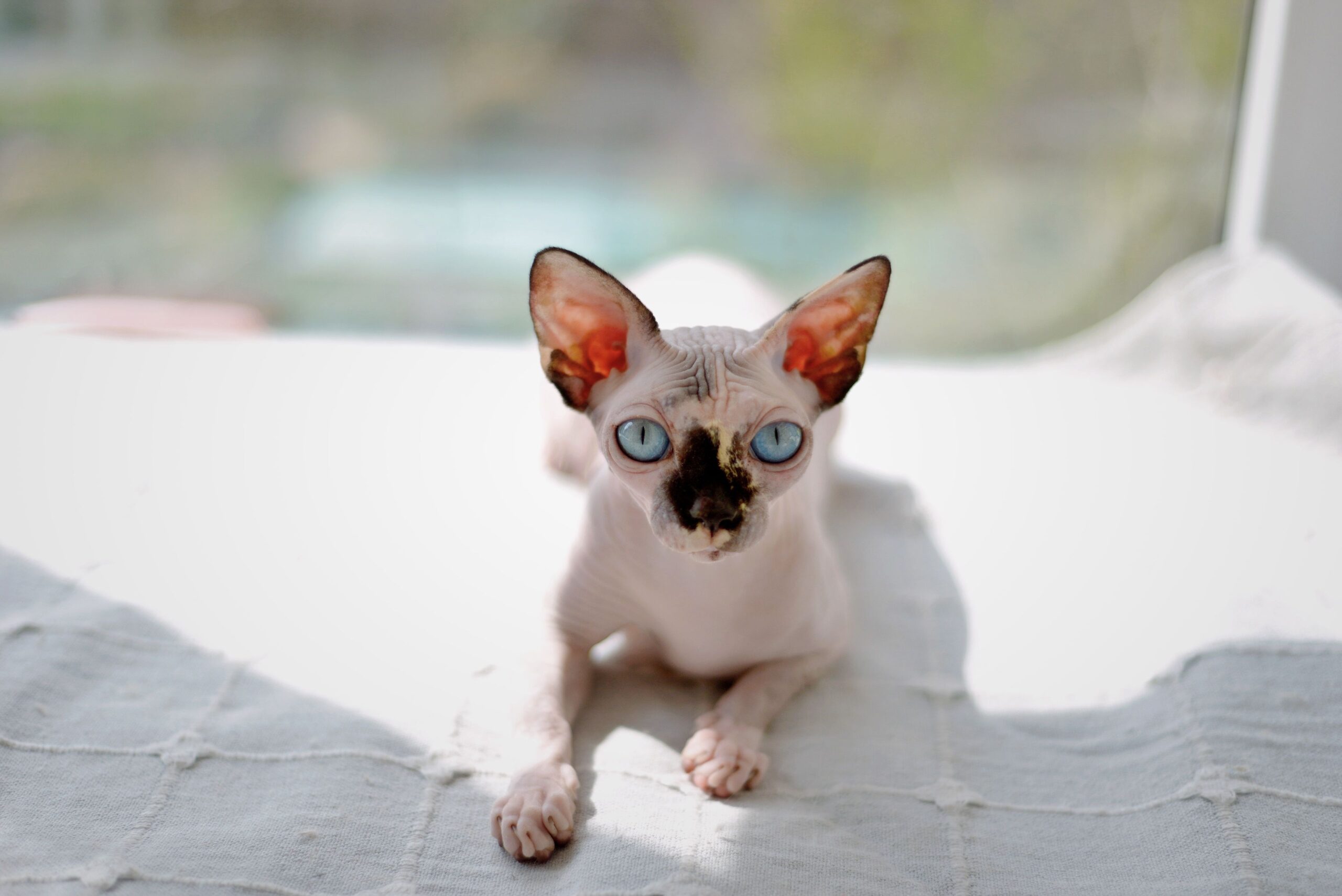
Most cases are genetic. In Maine Coon cats, a specific gene mutation called the A31P mutation (in a protein that helps heart muscle cells hold their shape) is strongly linked to HCM. Ragdolls carry a different version of the same gene variant. Sphynx cats also show elevated rates of HCM, though the exact genetic mechanisms are still being studied.
In mixed-breed cats, the cause is often unknown. Secondary HCM, where another condition drives the heart thickening, can be triggered by hyperthyroidism (an overactive thyroid) or high blood pressure (hypertension). That’s why your vet will rule those out before confirming a primary HCM diagnosis; treating the underlying condition can sometimes reverse or slow the heart changes.
Diet doesn’t cause HCM, but some research suggests taurine-deficient diets can contribute to a different type of heart disease (dilated cardiomyopathy). Most commercial cat foods are taurine-supplemented, so this is less of a concern for cats eating standard commercial diets, though it’s worth discussing with your vet if you feed a home-cooked or raw diet.
Symptoms of HCM in cats: what to watch for
The tricky part: many cats with HCM show no obvious signs, especially in early stages. The condition can be silently progressing for months or years before anything visible changes. That’s why a heart murmur caught at a routine checkup is worth taking seriously, even if your cat seems totally normal.
When symptoms do appear, they tend to look like this:
- Faster breathing at rest: A resting breathing rate above 30 breaths per minute is a key warning sign. This is something you can actually count at home while your cat is sleeping.
- Open-mouth breathing or labored breathing: This is an emergency. Get to a vet immediately.
- Lethargy:Sleeping more, less interested in play, generally less “there.”
- Reduced appetite: Skipping meals or eating less than usual.
- Sudden hind-leg weakness or paralysis: This can indicate a blood clot (thromboembolism, also called a saddle thrombus) blocking blood flow to the back legs. This is a medical emergency.
- Hiding or behavioral changes: Cats often withdraw when they’re not feeling well.
Early symptoms of HCM in cats are easy to miss precisely because cats are so good at masking discomfort. Regular vet visits, and knowing your cat’s baseline, are the best early detection tools you have.
Diagnosis and stages of HCM in cats
The gold standard for diagnosing HCM is an echocardiogram, which is basically an ultrasound of the heart. It lets a cardiologist measure the thickness of the heart muscle, check how well the heart is filling and pumping, and look for complications like atrial enlargement (when the upper chamber of the heart gets stretched from increased pressure) or fluid buildup. A heart murmur on a stethoscope is a reason to investigate, but it doesn’t confirm HCM on its own.
Your vet may also run an NT-proBNP test, a blood marker that rises when the heart is under stress. It’s not diagnostic by itself, but it’s a useful screening tool, especially for at-risk breeds before symptoms appear. Ruling out hyperthyroidism and hypertension via bloodwork and blood pressure measurement is also standard.
HCM is generally tracked in stages, from A (at-risk but no structural changes) through D (severe heart failure that’s difficult to manage). Most cats are diagnosed somewhere in the middle, with wall thickening present but not yet in crisis. The stage guides treatment decisions and monitoring frequency.
Treatment for HCM in cats
There’s no cure for HCM, but the right treatment plan can slow progression, reduce symptoms, and lower the risk of serious complications. Your vet or veterinary cardiologist will tailor the approach based on your cat’s stage and overall health.
Common treatment options include:
- Beta blockers (like atenolol): Slow the heart rate so the heart has more time to fill between beats.
- ACE inhibitors: Help reduce the workload on the heart by relaxing blood vessels.
- Diuretics (like furosemide): Prescribed when fluid builds up in or around the lungs (congestive heart failure). They help the body clear excess fluid.
- Clopidogrel: A blood thinner used to reduce the risk of blood clots (thromboembolism), which are one of the most serious complications of HCM.
Diet adjustments, like moderating sodium intake, may be recommended in later stages. Your vet will guide specifics based on your cat’s condition.
Your first 30 days after an HCM diagnosis: a week-by-week action plan
A diagnosis can feel paralyzing. Here’s how to move through the first month with purpose instead of panic.
Week 1: Get the right team in place
- Ask your vet for a referral to a board-certified veterinary cardiologist if one isn’t already involved. An echocardiogram read by a specialist gives you the clearest picture of severity and stage.
- Start any prescribed medications exactly as directed. If your cat is difficult to medicate, ask about flavored compounded versions or pill pockets, consistency matters more than perfection.
- Write down your questions as they come up. You’ll forget them by the time you’re in the exam room.
Week 2: Establish a home monitoring routine
- Learn to count your cat’s resting breathing rate. Count breaths for 30 seconds while your cat is sleeping (chest rising = one breath), then double it. Normal is under 30 breaths per minute. Many cardiologists recommend logging this daily.
- Note any changes in appetite, energy, or behavior in a simple notes app. Patterns matter more than single data points.
- Identify the nearest 24-hour emergency vet clinic and save the number in your phone now, not later.
Weeks 3–4: Know your red flags and prepare your follow-up
- Go to an emergency vet immediately if you see: open-mouth breathing, breathing rate above 40 at rest, sudden rear-leg weakness or coldness, or your cat is completely unwilling to move.
- Schedule your first follow-up echocardiogram. Timing depends on stage, but 3–6 months is typical for newly diagnosed cats.
- At your next appointment, ask: What stage is my cat in? What are the earliest signs that things are changing? When should I recheck the echo? What does a medication adjustment look like?
Does pet insurance cover HCM in cats?
Echocardiograms, cardiologist visits, and ongoing medications add up fast, and HCM is a condition that requires monitoring for life. That’s exactly where having coverage in place early makes a real difference.
A Lemonade accident and illness policy can help cover eligible costs related to HCM, including diagnostics, treatments, and medications, as long as the condition isn’t pre-existing. That means your cat shouldn’t be showing any signs or symptoms before your policy starts or during your waiting period.
If you have a Maine Coon, Ragdoll, or Sphynx, this is especially worth acting on early. These breeds carry a higher genetic risk, and enrolling before any diagnosis or symptoms appear is what makes coverage actually useful when you need it most.
Before we go
HCM is real and it deserves to be taken seriously, but it’s also one of the most manageable chronic conditions in cats when it’s caught and monitored properly. Many cats live comfortably for years after diagnosis with the right care team behind them. If your cat hasn’t been diagnosed but you want to make sure you’re prepared for whatever comes next, now is a good time to look into coverage. Get a quote with Lemonade in minutes.
Frequently Asked Questions
What is the life expectancy of a cat with HCM?
It varies significantly depending on the stage at diagnosis. Cats with mild HCM and no symptoms can live for years, sometimes a decade or more, with regular monitoring. Cats diagnosed in later stages, or those who develop congestive heart failure or thromboembolism, generally have a shorter prognosis. Your cardiologist is the best person to give you an honest picture based on your cat’s specific case.
Can a cat with HCM die suddenly?
Yes, though it’s more common in cats with severe, undetected HCM. Sudden cardiac events can occur, particularly in cats with significant atrial enlargement or those at high risk for blood clots. This is one reason routine screening is encouraged for at-risk breeds like Maine Coons and Sphynx cats, even before symptoms appear.
Is HCM more common in certain cat breeds?
Yes. Maine Coon cats carry a known genetic mutation (the A31P mutation) linked to HCM, as do Ragdolls. Sphynx and Bengal cats also show elevated rates of the condition. That said, HCM can develop in any cat, including mixed breeds.
What does an echocardiogram involve for a cat?
An echocardiogram is a painless heart ultrasound. The vet or cardiologist shaves a small patch of fur on your cat’s chest, applies gel, and uses a probe to get real-time images of the heart. Most cats tolerate it without sedation, though mildly anxious cats may need a light sedative. The whole process usually takes 20–40 minutes.
A few quick words, because we <3 our lawyers: This post is general in nature, and any statement in it doesn’t alter the terms, conditions, exclusions, or limitations of the policies issued, which differ according to your state of residence. You’re encouraged to discuss your specific circumstances with your own professional advisors. The purpose of this post is merely to provide you with info and insights you can use to make such discussions more productive! Naturally, all comments by, or references to, third parties represent their own views, and Lemonade assumes no responsibility for them. Coverage may not be available in all states. Please note that statements about coverages, policy management, claims processes, Giveback, and customer support apply to policies underwritten by Lemonade Insurance Company or Metromile Insurance Company, a Lemonade company, sold by Lemonade Insurance Agency, LLC. The statements do not apply to policies underwritten by other carriers.