
What is Hyperparathyroidism in Dogs?
Causes, symptoms, treatment, and what to watch for after surgery.

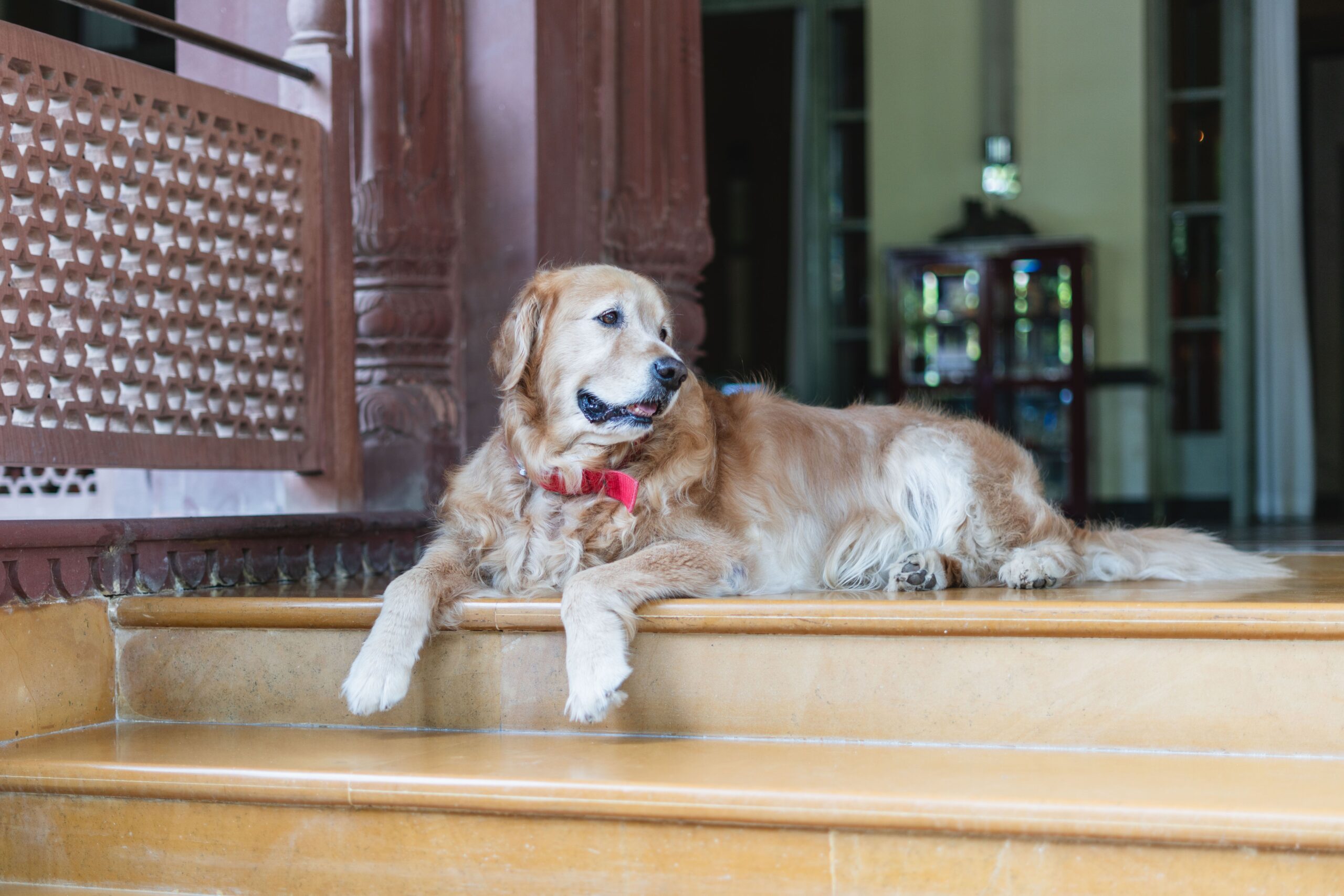
Causes, symptoms, treatment, and what to watch for after surgery.
Your vet ran routine bloodwork before a dental cleaning, and now they’re calling to talk about something called hyperparathyroidism. Your dog seemed totally fine this morning. So what exactly is going on?
Hyperparathyroidism in dogs is a condition where the parathyroid glands, small glands in your dog’s neck that regulate calcium, produce too much parathyroid hormone (PTH). That excess hormone pushes calcium levels in the blood too high, a state called hypercalcemia. It sounds technical, but the practical upshot is this: catching it early (often through that very routine bloodwork) puts you in a strong position.
 TL;DR
TL;DR
Your dog has four tiny parathyroid glands, each roughly a few millimeters in diameter, tucked near the thyroid in the neck. Their job is to act like a thermostat for calcium: when levels dip too low, they release parathyroid hormone (PTH) to bring them back up. When calcium is sufficient, they quiet down.
With hyperparathyroidism, that thermostat gets stuck in the “on” position. PTH keeps flowing, calcium keeps rising, and over time, high calcium levels (hypercalcemia) start causing real problems in the kidneys, urinary tract, and other organs.
The two types have different root causes, and the distinction matters for treatment.
Primary hyperparathyroidism This is when one of the parathyroid glands develops a growth, most often a parathyroid adenoma (a benign, non-cancerous tumor), that starts overproducing PTH on its own, independent of what calcium levels are actually doing. It’s the more common form in dogs and tends to affect middle-aged to older dogs. The Keeshond breed has a known genetic predisposition to primary hyperparathyroidism, though any dog can develop it.
Secondary hyperparathyroidism This form is a response to something else going wrong. The most common culprit is chronic kidney disease: when the kidneys stop working well, calcium and phosphorus levels get out of balance, and the parathyroid glands ramp up PTH production trying to correct it. This is called renal secondary hyperparathyroidism. It can also result from a diet that’s consistently too low in calcium or too high in phosphorus.
Here’s the tricky part: a lot of dogs with early hyperparathyroidism look completely normal. The elevated calcium on bloodwork is often the first clue. As levels rise higher or go untreated longer, you might start noticing:
If hyperparathyroidism in dogs is left untreated, persistently high calcium can damage the kidneys, lead to bladder or kidney stones, and in serious cases, cause heart rhythm problems. The earlier it’s caught, the better the outcome.
If your dog’s bloodwork shows elevated calcium, your vet’s next step is figuring out why. High calcium in dogs (hypercalcemia) has several possible causes, so the workup is methodical. For a broader look at what pet diagnostics typically involve, that’s worth reading before your appointment.
For primary hyperparathyroidism, treatment is aimed at removing or disabling the overactive gland. Your vet may refer you to a veterinary internal medicine specialist or surgeon.
Surgery to remove the abnormal parathyroid gland. It’s the most established treatment and has a high success rate when the tumor is identified and removed cleanly. Dog surgery costs vary depending on your location and the specialist involved, but parathyroidectomy typically runs into the thousands of dollars when you factor in pre-surgical imaging, the procedure itself, and post-operative monitoring.
A minimally invasive alternative where a small amount of alcohol is injected directly into the abnormal gland under ultrasound guidance, essentially destroying the overactive tissue without open surgery. It’s not available everywhere, but at centers that offer it, it can be a good option for dogs who aren’t ideal surgical candidates.
When kidney disease is driving the problem, treatment focuses on managing the underlying condition rather than the parathyroid glands directly. That typically means a prescription kidney diet, medications to control phosphorus levels, and close monitoring of kidney function and calcium.
This is something most articles skip over, but it’s one of the most important things to know as an owner in the days and weeks after treatment.
After successful removal or ablation of the overactive gland, calcium levels will drop, sometimes quite quickly. The remaining parathyroid glands, which have been “asleep” because calcium was already too high, need time to wake back up and start functioning normally again. During that window, your dog can experience hypocalcemia (low calcium) after surgery.
Signs of low calcium to watch for at home include:
If you notice any of these, contact your vet right away. Most dogs are sent home with calcium and vitamin D supplements (typically calcitriol) after surgery specifically to prevent this, and your vet will schedule rechecks to monitor calcium levels as they stabilize. The monitoring phase typically lasts a few weeks, and most dogs come through it without serious complications.
Between diagnostics, specialist referrals, and the surgery or ablation procedure itself, bills can add up fast.
Hyperparathyroidism is eligible for coverage under a Lemonade Pet accident and illness policy, including diagnostics, hospitalization, and surgery, as long as the condition isn’t pre-existing and develops after your policy is active and the 14-day illness waiting period has passed. That means your dog shouldn’t be showing any signs or symptoms before your policy starts or during that waiting period.
Since hyperparathyroidism is often discovered out of nowhere on routine bloodwork, having a policy in place before that call from your vet is exactly the kind of thing that makes a difference. If your dog is currently healthy, that’s the right time to look into coverage.
The prognosis for dogs with hyperparathyroidism is genuinely encouraging, especially when it’s caught early through routine bloodwork before symptoms escalate. Most dogs with primary hyperparathyroidism do very well after treatment and go on to live normal, healthy lives.
Stay on top of those annual wellness exams and routine bloodwork. For a lot of dogs, that’s the only reason this condition gets caught when it’s still easy to treat.
High calcium (hypercalcemia) in dogs has several causes, including primary hyperparathyroidism (usually from a benign parathyroid tumor), kidney disease, certain cancers, and vitamin D toxicity. Your vet will run additional tests to pinpoint the cause before recommending treatment.
Primary hyperparathyroidism is often curable with surgery or ethanol ablation to remove the abnormal gland. Secondary hyperparathyroidism caused by kidney disease is managed rather than cured, since the focus is on controlling the underlying condition.
The Keeshond has a well-documented genetic predisposition to primary hyperparathyroidism. That said, any older dog can develop the condition, regardless of breed.
Dog parathyroid surgery cost varies widely depending on your location, the specialist, and any pre-surgical imaging or post-operative care needed. It commonly ranges from $2,000 to $5,000 or more. Pet insurance with an active policy before diagnosis can help offset these expenses.
Without treatment, persistently high calcium levels can cause kidney damage, bladder or kidney stones, muscle weakness, and in severe cases, heart complications. Early detection and treatment significantly improve outcomes.
A few quick words, because we <3 our lawyers: This post is general in nature, and any statement in it doesn’t alter the terms, conditions, exclusions, or limitations of the policies issued, which differ according to your state of residence. You’re encouraged to discuss your specific circumstances with your own professional advisors. The purpose of this post is merely to provide you with info and insights you can use to make such discussions more productive! Naturally, all comments by, or references to, third parties represent their own views, and Lemonade assumes no responsibility for them. Coverage may not be available in all states. Please note that statements about coverages, policy management, claims processes, Giveback, and customer support apply to policies underwritten by Lemonade Insurance Company or Metromile Insurance Company, a Lemonade company, sold by Lemonade Insurance Agency, LLC. The statements do not apply to policies underwritten by other carriers.
Please note: Lemonade articles and other editorial content are meant for educational purposes only, and should not be relied upon instead of professional legal, insurance or financial advice. The content of these educational articles does not alter the terms, conditions, exclusions, or limitations of policies issued by Lemonade, which differ according to your state of residence. While we regularly review previously published content to ensure it is accurate and up-to-date, there may be instances in which legal conditions or policy details have changed since publication. Any hypothetical examples used in Lemonade editorial content are purely expositional. Hypothetical examples do not alter or bind Lemonade to any application of your insurance policy to the particular facts and circumstances of any actual claim.