

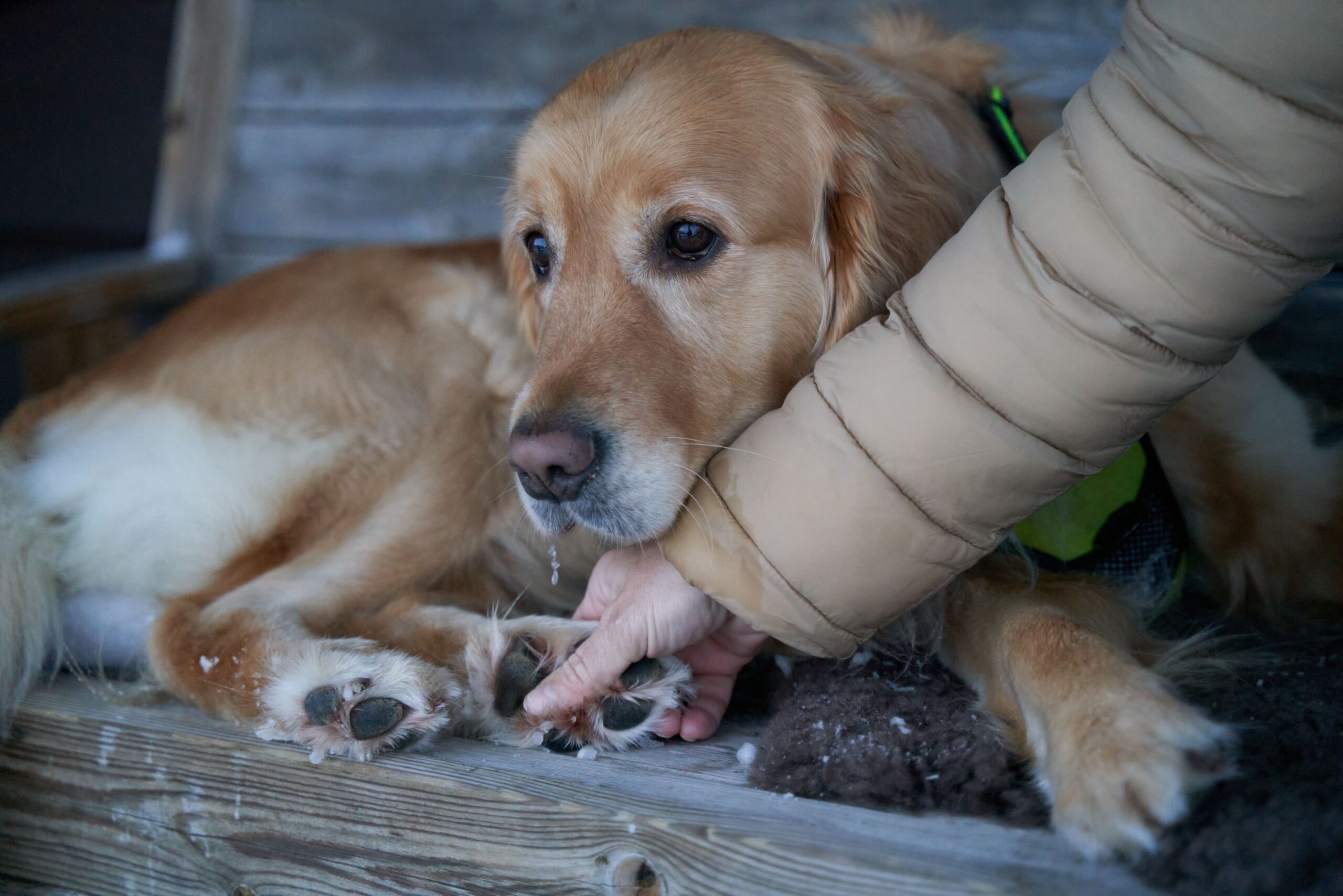
- What is hypothermia in dogs?
- Symptoms: what to look for, and how worried should you be?
- When shivering stops, it's not a good sign
- What causes hypothermia in dogs?
- Which dogs are most at risk?
- How to warm a hypothermic dog safely
- What the vet will do
- Hypothermia prevention: keeping your dog safe in the cold
- Does pet insurance cover hypothermia treatment?
- Before we go
- Frequently Asked Questions
If your dog has been outside in the cold and suddenly seems off, shivering hard, moving slowly, or just not acting like themselves,
take it seriously. Hypothermia happens when a dog’s body temperature drops low enough that they can’t generate enough heat on their own, and it can escalate faster than most people expect.
A healthy dog’s normal temperature is 101 to 102.5°F. Below 99°F is hypothermia. Below 82°F is a medical emergency.
 TL;DR
TL;DR
- A dog’s normal body temperature is 101–102.5°F. Below 99°F is hypothermia; below 95°F is a medical emergency.
- Hypothermia has three stages – mild, moderate, and severe – each with different symptoms and urgency levels.
- If your dog stops shivering but is still cold, that’s not a sign they’re warming up. It’s a warning sign that their body has stopped trying. Get to a vet immediately.
- Puppies, senior dogs, toy breeds, and short-haired dogs are at the highest risk of cold exposure and hypothermia.
- Lemonade pet insurance can help cover emergency vet visits and intensive care for hypothermia and related conditions.
What is hypothermia in dogs?
Hypothermia happens when a dog’s core body temperature falls below the range their body needs to function normally. It’s not just about feeling cold. It’s about the body losing heat faster than it can produce it, until vital systems start to slow down.
It can happen from obvious cold exposure, like being outside in freezing temperatures without shelter. But it can also happen in less obvious situations: a dog falling into cold water, a small dog getting too cold indoors after a bath, or even a dog under anesthesia whose body temperature isn’t being monitored closely enough. Any time the body can’t hold its core temperature, hypothermia is possible.
Symptoms: what to look for, and how worried should you be?
Hypothermia doesn’t hit all at once. It moves through stages, and the symptoms shift as body temperature keeps dropping.
Mild hypothermia (body temp: 90 to 99°F)
- Shivering and trembling
- Weakness or lethargy
- Tucked tail, hunched posture
- Cold ears, paws, or tail tip
- Reluctance to move
This is the stage to act. Get your dog indoors, start warming measures, and call your vet. Don’t wait for symptoms to worsen.
Moderate hypothermia (body temp: 82 to 90°F)
- Shivering may slow or stop (see the next section, this matters)
- Muscle stiffness
- Pale or bluish gums (a sign of poor circulation)
- Slow, shallow breathing
- Stumbling or difficulty walking
- Glassy, unfocused eyes
At this stage, see a vet today. Don’t attempt to manage this at home alone.
Severe hypothermia (body temp: below 82°F)
- No shivering at all
- Unconsciousness or unresponsiveness
- Extremely slow or irregular heartbeat
- Fixed, dilated pupils
- Breathing may stop
This is a life-threatening emergency. Call your emergency vet immediately and head there while you begin warming measures.
When shivering stops, it’s not a good sign
This is one of the most dangerous misunderstandings around hypothermia, and it’s worth spelling out clearly: if your dog was shivering and then suddenly stops, that is not a sign they’re getting warmer. It’s often the opposite.
Shivering is the body’s active effort to generate heat. When a dog stops shivering mid-hypothermia episode, it usually means their body temperature has dropped so low that the muscles can no longer keep up. The body has essentially given up on that heat-generation mechanism. Metabolism slows, the heart rate drops, and without intervention, things can deteriorate rapidly.
Many dog owners see the shivering stop and feel relieved. But that delay in seeking care can be the most dangerous mistake. If your dog was cold and shivering, and now they’ve gone quiet and still, treat it as an escalation and get to a vet immediately.
What causes hypothermia in dogs?
Cold weather exposure is the most common cause, but it’s not the only one. Hypothermia can develop from any situation that pulls heat away from the body faster than it can be replaced.
- Cold weather exposure: Extended time outdoors in freezing or near-freezing temperatures, especially without shelter or a dog sweater in winter conditions
- Immersion in cold water: Falling into a cold lake, river, or pool, which pulls heat away from the body much faster than air does
- Wet fur in cold air: A wet dog in wind loses heat rapidly, even if the temperature isn’t extreme
- Anesthesia: Dogs under general anesthesia can’t regulate their own body temperature, making anesthesia-related hypothermia a real risk during surgery
- Underlying illness: Conditions like hypothyroidism (an underactive thyroid) or severe infection can impair the body’s ability to regulate temperature
- Trauma or shock: Serious injury can disrupt normal temperature regulation
Which dogs are most at risk?
Any dog can develop hypothermia given the right conditions, but some are more vulnerable:
- Puppies: can’t regulate body temperature efficiently. Hypothermia can set in faster and with less cold exposure than in adult dogs.
- Senior dogs: often have slower metabolisms and may have underlying health conditions that make them less equipped to handle the cold.
- Toy breeds: small dogs with a high surface-area-to-body-mass ratio lose heat quickly, even indoors.
- Short-haired dogs: breeds like Greyhounds, Whippets, Boxers, and Chihuahuas have little natural insulation.
- Dogs that are wet or damp: wet fur loses its insulating properties almost entirely.
- Dogs with thyroid conditions or other metabolic disorders: these conditions can slow the body’s heat production.
How to warm a hypothermic dog safely
If you suspect your dog has hypothermia, the goal is to warm them gradually, not fast. Rapid rewarming can actually cause more harm. Here’s what to do while you contact your vet.
- Get them out of the cold: Move your dog indoors or somewhere sheltered right away.
- Remove wet clothing or gear: Wet fabric keeps pulling heat away from the body. Dry them off gently with a towel.
- Wrap them in warm blankets: Pre-warm blankets in a dryer if you can. Cover the whole body, including the head, but leave the face clear.
- Use indirect warmth: A warm water bottle wrapped in a towel and placed against the dog’s body works well. You can also try a heating pad set to the lowest setting, again always wrapped in a towel and never placed directly on skin or fur.
- Never use direct heat: Hair dryers, electric blankets at high settings, or placing a dog directly on a heating element can cause burns or drive surface warming while the core temperature stays dangerously low.
- Offer warm fluids if they’re conscious: A small amount of warm (not hot) water or low-sodium broth can help – but only if your dog is alert and can swallow safely. Never try to give fluids to an unconscious dog.
- Call the vet: Even if your dog seems to be improving, get a professional assessment. Hypothermia can cause secondary complications, including irregular heart rhythms (cardiac hypothermia), that aren’t visible from the outside.
What the vet will do
Once you arrive, the vet will take your dog’s core body temperature and assess the severity. For moderate to severe cases, treatment may include:
- Warmed intravenous (IV) fluids delivered directly into the bloodstream to raise core temperature from the inside
- Warm oxygen therapy to support breathing
- Cardiac monitoring to check for irregular heart rhythms
- Intensive care support in serious cases
Frostbite (damage to tissue in the ears, tail, or paws from freezing) may also be assessed and treated at this visit.
Your dog may be kept for observation even after their temperature normalizes, because some complications including kidney stress and heart irregularities can surface hours after rewarming.
Hypothermia prevention: keeping your dog safe in the cold
Winter dog safety doesn’t have to be complicated. A few consistent habits go a long way.
- Limit outdoor time in freezing weather: If it’s too cold for you to stand outside comfortably, it’s probably too cold for your dog, especially if they’re small or short-haired.
- Use a dog sweater or coat: A well-fitted dog sweater in winter weather can make a real difference for toy breeds and short-haired dogs. Look for one that covers the neck and belly.
- Dry your dog thoroughly after walks: Rain, snow, and slush soak through fur quickly. A good towel-down as soon as you’re inside helps.
- Never leave dogs in cold cars: Cold cars can drop to dangerous temperatures almost as fast as they heat up in summer.
- Watch near frozen water: Keep dogs on a leash near lakes, ponds, or rivers in winter to prevent accidental immersion in cold water.
- Know your dog’s limits: Puppies and senior dogs need shorter, more monitored outdoor sessions in cold weather.
Does pet insurance cover hypothermia treatment?
Emergency vet visits aren’t cheap, and a hypothermia case requiring IV fluids, cardiac monitoring, and an overnight stay can add up fast.
If your dog develops hypothermia, a Lemonade base accident and illness policy can help cover eligible costs including emergency vet visits, hospitalization, diagnostics like bloodwork and imaging, and treatments your vet recommends to get your dog stable. A sudden cold-exposure hypothermia may fall under the accident waiting period (2 days) rather than the illness waiting period (14 days), depending on the circumstances.
The key thing to know: coverage needs to be in place before an incident happens, and pre-existing conditions are excluded. If your dog is young, lives somewhere cold, or is one of the higher-risk breeds, it’s worth looking into sooner rather than later.
Before we go
Hypothermia in dogs is one of those things that can sneak up on you, especially if you don’t know what to look for. The shivering, the stillness, the cold paws – it can be easy to chalk up to just being chilly. But now you know the difference, and more importantly, you know what to do. Get your dog warm, get them to a vet, and don’t be fooled when the shivering stops. That’s not the all-clear. That’s the signal to move faster.
Frequently Asked Questions
What is a dangerously low body temperature for a dog?
A dog’s normal body temperature is between 101°F and 102.5°F. Below 99°F indicates mild hypothermia, and below 95°F is considered a medical emergency that requires immediate veterinary care.
Can a dog get hypothermia indoors?
Yes. Toy breeds and short-haired dogs can develop low body temperature indoors, especially when wet, in drafty spaces, or after bathing without adequate drying and warmth. Puppies and senior dogs are particularly vulnerable.
How do I warm up a hypothermic dog at home?
Move them indoors, dry them off, and wrap them in warm blankets. You can use a warm water bottle wrapped in a towel for extra heat. Avoid direct heat sources like hair dryers. Call your vet right away – at-home warming is first aid, not a replacement for professional care.
Why did my dog stop shivering but still seems cold?
Stopping shivering is not a sign of recovery. It often means the dog’s body temperature has dropped so low that the muscles can no longer generate heat. This is a danger sign – get to an emergency vet immediately.
Does Lemonade pet insurance cover hypothermia treatment?
Lemonade pet insurance can cover emergency vet visits and treatment for unexpected accidents and illnesses, which may include hypothermia care like IV fluids, hospitalization, and diagnostics. Coverage depends on your specific plan, so review your policy details or reach out to Lemonade directly.
A few quick words, because we <3 our lawyers: This post is general in nature, and any statement in it doesn’t alter the terms, conditions, exclusions, or limitations of the policies issued, which differ according to your state of residence. You’re encouraged to discuss your specific circumstances with your own professional advisors. The purpose of this post is merely to provide you with info and insights you can use to make such discussions more productive! Naturally, all comments by, or references to, third parties represent their own views, and Lemonade assumes no responsibility for them. Coverage may not be available in all states. Please note that statements about coverages, policy management, claims processes, Giveback, and customer support apply to policies underwritten by Lemonade Insurance Company or Metromile Insurance Company, a Lemonade company, sold by Lemonade Insurance Agency, LLC. The statements do not apply to policies underwritten by other carriers.