

- Ulcerative vs. non-ulcerative keratitis: the distinction that drives everything
- The main types of keratitis in dogs
- Signs of keratitis to watch for
- What causes keratitis in dogs
- How vets diagnose keratitis
- How keratitis is treated
- Breeds with higher keratitis risk
- Does pet insurance cover keratitis in dogs?
- Before we go
- Frequently Asked Questions
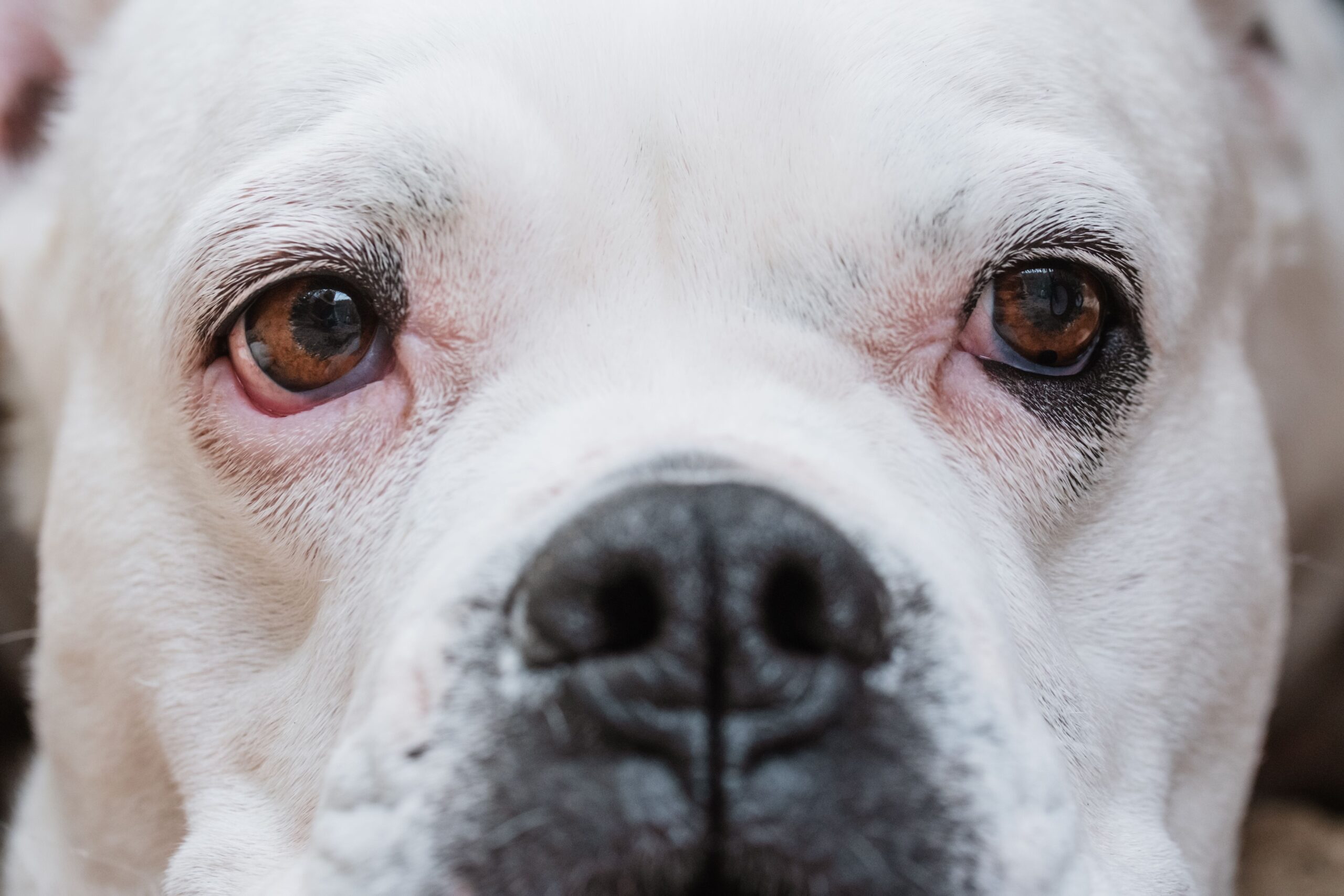
If your dog’s eye suddenly looks cloudy, red, or they’re squinting like the light hurts, it’s natural to feel a knot in your stomach. What you might be seeing is keratitis, which is inflammation of the cornea (the clear, dome-shaped surface at the very front of the eye). It sounds clinical, but here’s what matters: keratitis ranges from very manageable to genuinely urgent depending on the type, and knowing the difference can protect your dog’s vision.
 TL;DR
TL;DR
- Keratitis means the cornea (the clear front surface of your dog’s eye) is inflamed. It can be ulcerative (a physical erosion or wound on the cornea) or non-ulcerative (inflammation without an open wound), and each type is treated differently.
- Common signs include a cloudy or bluish eye, redness, discharge, squinting, and sensitivity to light. Some forms are chronic and breed-specific, especially in German Shepherds and flat-faced breeds like Bulldogs and Pugs.
- Superficial ulcers often heal within 5 to 7 days with antibiotic eye drops. Chronic forms like pannus and dry eye (keratoconjunctivitis sicca) require lifelong management with medications like cyclosporine.
- Deep or infected corneal ulcers are emergencies. They can progress to corneal perforation within 24 to 48 hours, and melting ulcers can perforate within 24 hours if untreated. If your dog’s eye looks worse overnight, don’t wait for a regular appointment.
Ulcerative vs. non-ulcerative keratitis: the distinction that drives everything
The most important split in keratitis isn’t about cause — it’s about whether there’s an actual wound on the cornea’s surface.
Ulcerative keratitis means the outer layer of the cornea (the epithelium, which is basically the skin of the eye) has eroded or broken open. Think of it like a scratch or abrasion on your eye. It’s painful, it’s vulnerable to infection, and it needs prompt treatment. A corneal ulcer can start shallow and superficial, or it can be deep from the start, burrowing toward the inner layers of the eye.
Non-ulcerative keratitis means the surface is intact, but the cornea is still inflamed. There’s no open wound, but the inflammation can still cause cloudiness, scarring, and vision problems over time if left unmanaged. Many chronic forms of keratitis fall into this category.
Why does this matter? Because the treatments are different, the urgency is different, and the risk to your dog’s vision is different. Vets use a simple, painless test called a fluorescein stain (a bright orange dye that shows up under a special light wherever the corneal surface is broken) to tell these two apart immediately.
The main types of keratitis in dogs
Chronic superficial keratitis (pannus)
Pannus is an immune-mediated condition where the immune system attacks the cornea. It’s most common in German Shepherds, and UV light and high altitude make it worse. You’ll see a pinkish-grey film or dark pigmentation creeping in from the outer edges of the eye, sometimes with visible blood vessels growing across the surface. It’s not painful like an ulcer, but it can slowly block vision. Most dogs respond well to treatment, though they’ll need medicated eye drops (corticosteroids and cyclosporine) for life.
Keratoconjunctivitis sicca (dry eye)
Dry eye happens when the eyes don’t produce enough tears to stay lubricated, leading to chronic inflammation. You’ll typically notice thick, mucousy discharge, redness, and a dull or hazy appearance. Vets confirm it with a Schirmer tear test (a small paper strip placed briefly inside the lower eyelid to measure tear production). Management involves cyclosporine or tacrolimus drops to stimulate tear production, often alongside artificial tear supplements.
Pigmentary keratitis
Most common in flat-faced breeds like Pugs, Bulldogs, and Shih Tzus, whose prominent eyes and incomplete eyelid closure leave the cornea chronically exposed. Over time, the body deposits brown or black pigment across the corneal surface, which can seriously impair vision if it reaches the center of the eye.
Infectious keratitis
Bacteria, fungi, or viruses can infect the cornea, usually when something else (an existing ulcer, dry eye, or an eyelid problem) has compromised the eye’s defenses. This type tends to progress quickly and cause deeper, more serious ulcers. Treatment depends on what’s causing the infection, identified through an ocular culture (a lab swab of the eye), and typically involves targeted antibiotic or antifungal drops.
Signs of keratitis to watch for
Most forms of keratitis share a core set of signs. Here’s what to watch for as a dog owner:
- Cloudy or bluish tint to the eye: the cornea normally looks perfectly clear. Cloudiness means something’s off.
- Eye redness: the whites of the eye or the tissue around the cornea look pink or red.
- Discharge: watery, yellow-green, or thick mucousy discharge depending on the type.
- Squinting or holding the eye shut: a sign of pain or discomfort, especially with ulcerative keratitis.
- Light sensitivity (photophobia): your dog avoids bright light, turns away, or keeps the affected eye closed in sunshine.
- Visible third eyelid: the pinkish membrane in the inner corner of the eye may be raised or more prominent than usual.
- Pawing at the eye: rubbing or pawing at the face can signal eye pain.
What causes keratitis in dogs
Keratitis rarely appears out of nowhere. Common triggers and underlying causes include:
- Trauma or corneal abrasion: a scratch from a cat, a branch, or even rough play can break the corneal surface and start an ulcer
- Dry eye (KCS): without enough tears, the cornea is vulnerable to damage and infection
- Trichiasis: eyelashes or facial hair growing in an abnormal direction and rubbing against the cornea, causing constant low-grade irritation. Common in breeds with heavy facial folds.
- Inability to fully close the eyelids (lagophthalmos): most common in brachycephalic breeds. The exposed cornea dries out and gets damaged.
- Immune-mediated disease: the immune system mistakenly targets the cornea, as in pannus
- Underlying infection: bacteria, fungi, or viruses can directly invade or complicate an existing corneal problem
- Breed predisposition: German Shepherds are prone to pannus; flat-faced breeds are prone to exposure-related and pigmentary keratitis
How vets diagnose keratitis
Diagnosing keratitis starts with a thorough eye exam. Your vet will likely use a few specific tools:
- Fluorescein stain test: A harmless orange dye is applied to the eye. Under a blue light, any areas where the corneal surface is broken will glow bright green. This is how vets confirm or rule out an ulcer.
- Schirmer tear test: A small paper strip placed inside the lower eyelid measures tear production in one minute. Low numbers point to dry eye as the cause or complication.
- Ocular culture and sensitivity: If an infection is suspected, the vet takes a gentle swab from the eye surface and sends it to a lab. This identifies the exact bacteria or fungus involved and which antibiotics or antifungals it responds to.
- Slit-lamp examination: A specialized light and magnification tool lets your vet see the layers of the cornea in detail and assess how deep any damage goes.
How keratitis is treated
Treatment depends entirely on the type and severity.
Superficial ulcers
A shallow corneal ulcer with no infection typically heals within 5 to 7 days with antibiotic eye drops or ointment to prevent secondary infection, and often an Elizabethan collar to stop your dog from rubbing the eye. Follow-up staining at the recheck appointment confirms the ulcer has actually closed.
Chronic and non-ulcerative keratitis (pannus, dry eye)
These require long-term management rather than a short course of treatment. Your vet may recommend topical corticosteroids (anti-inflammatory drops) to reduce immune activity and inflammation, cyclosporine or tacrolimus drops to suppress the immune response or stimulate tear production, and UV-protective eyewear for dogs with pannus who spend time outdoors. The goal isn’t a cure – it’s stable, controlled disease that protects vision.
Deep or infected ulcers
When an ulcer is deep or actively infected, treatment escalates. Options include a therapeutic contact lens (acting as a bandage over the ulcer while it heals), corneal debridement (where the vet gently removes loose or damaged tissue to encourage healthy regrowth), a conjunctival graft (using tissue from the white part of the eye to patch and support a deep ulcer), or in severe cases, corneal transplantation. These cases often warrant referral to a board-certified veterinary ophthalmologist.
Breeds with higher keratitis risk
Some dogs are more likely to deal with keratitis due to their anatomy or genetics:
- German Shepherds: strongly predisposed to pannus, especially at higher altitudes
- Pugs, Bulldogs, Shih Tzus, and other flat-faced breeds: eye prominence, shallow eye sockets, and skin folds create ongoing risk for exposure keratitis, pigmentary keratitis, and corneal abrasions
- Cocker Spaniels and West Highland White Terriers: higher rates of dry eye (KCS)
- Dogs with eyelid abnormalities: any breed with entropion (eyelids that roll inward) or trichiasis (abnormal hair growth rubbing the cornea) is at elevated risk
Does pet insurance cover keratitis in dogs?
Eye conditions can get expensive fast, especially with specialist referrals, long-term medications like cyclosporine, or surgery for a
deep ulcer.
If your dog develops keratitis after your Lemonade Pet policy is active, a base accident and illness policy can help cover vet exams, diagnostics, medications, and surgical procedures, as long as the condition isn’t pre-existing. Accident-related corneal injuries have a 2-day waiting period; illness-based conditions like pannus or dry eye have a 14-day waiting period.
A few things worth knowing: pannus and KCS are both chronic and incurable, so once diagnosed they’re covered going forward but can never be treated as “cured” under the policy. And because keratitis can affect both eyes, if one eye is considered pre-existing, coverage or both may be affected until the condition has been clear for at least 12 months. Your policy details are the best place to confirm what applies to your dog’s situation.
Before we go
A cloudy or red eye in your dog isn’t something to wait out. Keratitis covers a wide range of conditions, from chronic and manageable to fast-moving and sight-threatening, and the right response depends on knowing which one you’re dealing with. If your dog is squinting, pawing at their eye, or if things seem to be getting worse rather than better, call your vet today. Early diagnosis and consistent treatment are what keep keratitis from becoming a vision-loss story. And if your dog is a German Shepherd, a flat-faced breed, or has had eye issues before, it’s worth having a conversation with your vet about long-term monitoring and whether a Lemonade pet insurance policy makes sense before the next eye appointment turns into a specialist visit.
Frequently Asked Questions
Can keratitis in dogs cause permanent vision loss?
Yes, it can, particularly if a deep or infected corneal ulcer goes untreated and leads to corneal perforation, or if chronic conditions like pannus or pigmentary keratitis are left unmanaged and scar tissue covers the visual field. Caught and treated early, many dogs maintain good vision.
How do I know if my dog's cloudy eye is an emergency?
If your dog is squinting hard, pawing at the eye, the cloudiness appeared suddenly, or it’s visibly worsening within hours, treat it as urgent and seek same-day vet care. Deep or infected corneal ulcers can perforate within 24 to 72 hours.
Is keratitis in dogs contagious to other pets or people?
Most forms of keratitis are not contagious. Infectious keratitis caused by certain bacteria or viruses could theoretically spread to other animals in close contact, but this is uncommon. Your vet can advise based on the specific cause identified.
How long does it take for keratitis to heal in dogs?
A simple, superficial corneal ulcer typically heals in 5 to 7 days with proper treatment. Chronic conditions like pannus or dry eye don’t resolve, they require lifelong management. Deep or infected ulcers take longer and may need surgical intervention.
Can I use human eye drops on my dog for keratitis?
No. Human eye drops are not appropriate for dogs and can cause harm. Always use medications prescribed specifically for your dog by your vet, and never use leftover eye drops from a previous condition without checking with your vet first.
A few quick words, because we <3 our lawyers: This post is general in nature, and any statement in it doesn’t alter the terms, conditions, exclusions, or limitations of the policies issued, which differ according to your state of residence. You’re encouraged to discuss your specific circumstances with your own professional advisors. The purpose of this post is merely to provide you with info and insights you can use to make such discussions more productive! Naturally, all comments by, or references to, third parties represent their own views, and Lemonade assumes no responsibility for them. Coverage may not be available in all states. Please note that statements about coverages, policy management, claims processes, Giveback, and customer support apply to policies underwritten by Lemonade Insurance Company or Metromile Insurance Company, a Lemonade company, sold by Lemonade Insurance Agency, LLC. The statements do not apply to policies underwritten by other carriers.