

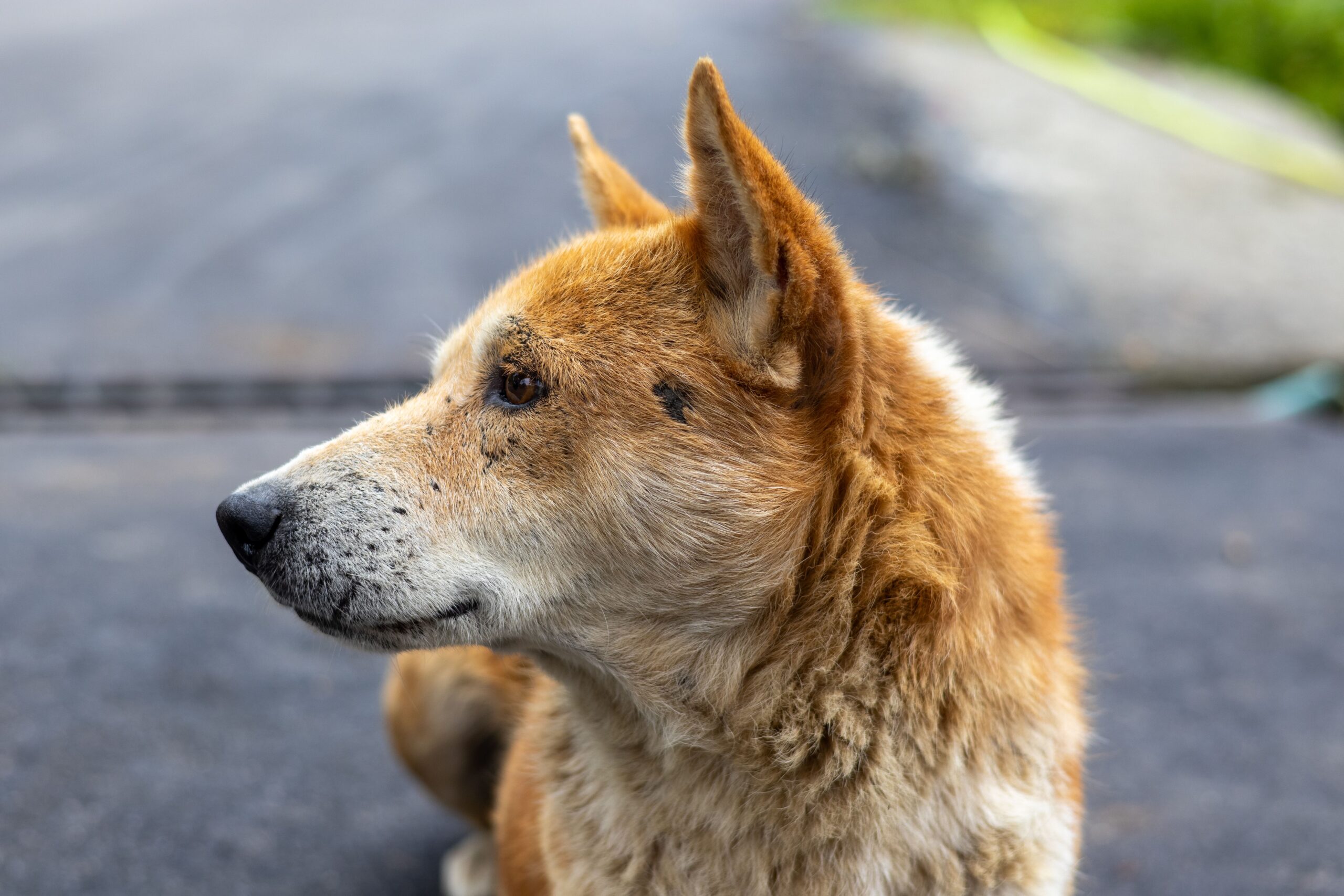
- What is mange in dogs?
- The three types of mange in dogs
- Symptoms: what to look for, and how worried should you be?
- Should I go to the emergency vet, or can this wait?
- What causes mange in dogs?
- How mange is diagnosed
- Treatment options
- Mange vs. scabies in dogs: is there a difference?
- Is mange contagious to other dogs or humans?
- What to expect with treatment
- How to reduce your dog's risk
- Does pet insurance cover mange treatment?
- Before we go
If your dog won’t stop scratching, is losing patches of fur, or keeps shaking their head, mange might be on your mind. It sounds alarming, but it’s treatable – and knowing what type you’re dealing with makes all the difference.
 TL;DR
TL;DR
- Mange comes in three types: sarcoptic (highly contagious, intensely itchy), demodectic (not contagious, caused by an immune imbalance), and otodectic (ear mites, contagious between pets)
- Sarcoptic mange is the urgent one – intense scratching, crusty skin, and hair loss that spreads fast. See a vet soon
- Demodectic mange in puppies often resolves on its own. In adult dogs, it can signal an underlying health condition worth investigating
- Ear mites are common and very treatable, but they can cause secondary infections if left alone
- Mange won’t respond to home remedies. Get a proper diagnosis before starting any treatment
What is mange in dogs?
Mange is a skin disease caused by microscopic mites that live on or under your dog’s skin. These mites trigger irritation, inflammation, and in some cases serious hair loss. The condition can range from a few itchy patches to a full-body skin infection, depending on the type of mite involved and how your dog’s immune system responds.
The word “mange” isn’t a single diagnosis. It’s a category. Three distinct mite species cause the three types of canine mange, and each one has different causes, different symptoms, and a different level of contagiousness. Understanding which type your dog has is the first step toward getting them better.
The three types of mange in dogs
Sarcoptic mange (caused by Sarcoptes scabiei mites)
Sarcoptic mange, sometimes called scabies, is caused by a mite called Sarcoptes scabiei. These mites burrow directly into the upper layers of your dog’s skin to lay their eggs, which triggers an intense immune reaction. The result is extreme itching, often so severe that dogs scratch themselves raw.
This is the contagious type. Sarcoptic mange spreads easily between dogs through direct contact or through shared bedding, grooming tools, and environments where an infected dog has been. It can also temporarily affect humans. If your dog has it and you develop a red, itchy rash, it’s worth mentioning to your doctor. Human skin isn’t a natural host for Sarcoptes scabiei, so the mites don’t survive long on people, but the irritation is real while it lasts.
Sarcoptic mange tends to show up first on areas with less fur, like the ear edges, elbows, belly, and chest. Left untreated, it can spread across the entire body.
Demodectic mange (caused by Demodex mites)
Here’s something that might surprise you: every dog has Demodex mites living in their hair follicles. They’re a completely normal part of a dog’s skin microbiome (the community of tiny organisms that live on the skin). In most dogs, the immune system keeps their numbers in check and nothing ever happens.
Demodectic mange occurs when the immune system can’t keep up. This can happen in puppies whose immune systems are still developing, in older dogs, or in dogs with underlying health conditions that suppress their immunity. When Demodex mite populations get out of control, they cause hair loss, skin irritation, and sometimes secondary bacterial infections.
Demodectic mange comes in two forms:
- Localized demodectic mange: A few small, patchy areas of hair loss, usually on the face or front legs. Common in puppies. Many cases resolve on their own as the puppy’s immune system matures.
- Generalized demodectic mange: Widespread hair loss and skin disease affecting large areas of the body. This form is more serious and harder to treat, especially in adult dogs. It may point to an underlying health issue worth investigating.
Demodectic mange is not contagious. You can’t catch it from your dog, and your dog can’t spread it to other dogs in the household.
Otodectic mange (ear mites)
Otodectic mange is caused by Otodectes cynotis, better known as ear mites. These mites live inside the ear canal and feed on the skin debris and oils there. They’re common in puppies and in dogs that spend time around other animals.
Ear mites are contagious between pets, though they’re less of a concern for humans. If you have multiple dogs or cats in the house and one has ear mites, it’s worth checking the others too.
The irritation ear mites cause can lead to secondary infections in the ear canal if left untreated, which is why early treatment matters even when symptoms seem mild.
Symptoms: what to look for, and how worried should you be?
What you’ll see depends on which type of mange your dog has.
- Intense, relentless scratching: If your dog is scratching constantly and can’t seem to get relief, sarcoptic mange is high on the list. This isn’t normal “I have an itch” scratching – it’s frantic, persistent, and often causes sores or scabs. One useful clue: try scratching the edge of your dog’s ear flap with your finger. If they automatically scratch with their back leg in response, sarcoptic mange is worth investigating. It’s not a diagnosis, but it’s a recognized signal vets look for.
- Hair loss in patches: Patchy fur loss without intense scratching is more typical of demodectic mange, especially in puppies. It often starts around the eyes, muzzle, or front legs. Easy to miss early on because the dog seems otherwise comfortable.
- Redness, crusty, or thickened skin: Common across all types, but especially pronounced in sarcoptic mange. The skin may look raw, irritated, or scabbed, particularly on the ear edges, elbows, chest, and belly.
- Head shaking or scratching at the ears: The hallmark sign of ear mites. Your dog may tilt or shake their head repeatedly, paw at one or both ears, or have a dark, crumbly discharge inside the ear canal that looks like coffee grounds. There may also be redness, odor, or irritated skin around the outer ear.
- Skin that looks infected: Mange, especially when it’s been going on a while, often leads to secondary bacterial or yeast infections. You might see oozing, crusting, a bad smell, or skin that looks significantly more inflamed in some areas than others. This isn’t a reason to delay, it’s a reason to move faster.
Should I go to the emergency vet, or can this wait?
Book a regular vet appointment soon if:
- Your dog has patchy hair loss without much scratching (possible localized demodicosis, especially in a puppy)
- You’re seeing mild ear discharge and head shaking but your dog seems otherwise comfortable
- Symptoms are mild and haven’t been going on long
A vet visit within 24 hours if:
- Scratching is intense and relentless, especially if sores or scabs are forming
- Hair loss is spreading or covering a large area
- You’ve noticed the coffee ground discharge and your dog seems uncomfortable
- Skin looks infected: oozing, significant crusting, or a bad smell
Go to emergency care if:
- Your dog has scratched through the skin and wounds are open or bleeding
- Signs of infection are severe: significant swelling, heat, pus, or your dog seems systemically unwell (lethargic, not eating, feverish)
- Symptoms are progressing very rapidly
What causes mange in dogs?
Each type of mange has a slightly different root cause, though mites are always the starting point.
Sarcoptic mange is almost always picked up through exposure to an infected animal. Dog parks, boarding facilities, grooming salons, and contact with stray dogs are common transmission routes. The mites can also survive briefly in the environment on bedding, furniture, and grooming tools.
Demodectic mange isn’t something your dog catches. The mites are already present. What changes is the immune system’s ability to keep them in check. Puppies, elderly dogs, dogs undergoing chemotherapy, or dogs with conditions like hypothyroidism (an underactive thyroid) or Cushing’s disease (a condition where the body overproduces cortisol, a stress hormone) are at higher risk. Certain breeds may also have a genetic predisposition to the generalized form.
Ear mites spread through direct contact with an infected animal. Especially common in multi-pet households, shelters, and puppies from environments with lots of animals.
Because demodectic mange affects the skin in ways that can look similar to other conditions, like seborrhea or sebaceous adenitis, getting a proper diagnosis matters before starting any treatment.
How mange is diagnosed
If you suspect your dog has mange, your vet is the right first call. Here’s what the diagnostic process typically looks like.
Skin scraping
The most common test. Your vet uses a small blade to gently scrape a tiny amount of skin from the affected area, then examines it under a microscope for mites or eggs. Quick and minimally uncomfortable.
For demodectic mange, skin scrapings are usually reliable. For sarcoptic mange, the mites burrow deep and can be hard to find even when the dog is clearly infected. That’s why sarcoptic mange is sometimes diagnosed based on symptoms and treatment response rather than a confirmed scraping result alone.
Otoscope exam and ear swab
For suspected ear mites, your vet will look inside the ear canal with an otoscope (a small lighted tool, similar to what your own doctor uses to check your ears) and may swab the discharge to confirm mites are present.
Additional testing for adult dogs with generalized demodicosis
In adult dogs with widespread demodectic mange, your vet may recommend blood work or other tests to check for underlying conditions that could be weakening the immune system. Treating the mange without addressing the root cause often leads to recurrence.
Treatment options
Treatment depends on the type of mange, how widespread it is, and your dog’s overall health.
Antiparasitic medications The backbone of mange treatment. A few commonly used options:
- Isoxazolines (brand names like Bravecto, Simparica, NexGard): oral or topical medications that have become a go-to for treating both sarcoptic and demodectic mange. They work by disrupting the mite’s nervous system. When prescribed to treat an active illness like mange, these medications fall under illness coverage rather than preventive care.
- Ivermectin: an older antiparasitic that can be effective, though it requires careful dosing and is not safe for all dogs. Certain herding breeds like Collies carry a genetic mutation that affects how their body processes this drug, making standard doses potentially toxic.
- Selamectin or moxidectin: topical spot-on treatments that address mites alongside other parasites.
For ear mites specifically, treatment is usually a topical medication applied directly into the ear canal, sometimes combined with a thorough ear cleaning.
Treating secondary infections
Mange, especially when it’s been going untreated, often leads to secondary bacterial or yeast skin infections. Your vet may prescribe antibiotics, antifungal medications, or medicated shampoos alongside the mite treatment.
Treating the environment and other pets
For sarcoptic mange and ear mites, treating only the affected dog isn’t enough. Mites can survive on bedding, furniture, and other animals in the house. Your vet will likely recommend treating all pets in the household and thoroughly washing bedding and soft surfaces.
A note on home remedies: Mange doesn’t respond to home remedies. Suggestions like apple cider vinegar, coconut oil, or hydrogen peroxide are not effective against mites and can irritate already damaged skin. The most useful thing you can do before a vet appointment is keep your dog comfortable, prevent them from scratching raw spots, wash their bedding, and keep them away from other animals if sarcoptic mange is suspected. Treatment needs to come from a vet.
Localized demodectic mange in puppies: sometimes, waiting is the plan
For puppies with a few small patches of localized demodicosis, vets sometimes recommend monitoring rather than immediate medication. As the puppy’s immune system matures, the mite population often self-corrects and the patches fill back in. Your vet will let you know if your dog’s case falls into this category.
What about home treatment for mange?
It’s understandable to want to help your dog right away, but mange in dogs isn’t something that responds well to home remedies. You’ll see suggestions online for things like apple cider vinegar, coconut oil, or hydrogen peroxide. None of these are effective against mites, and some can actually irritate already damaged skin further.
The most useful thing you can do at home before a vet appointment is keep your dog comfortable: prevent them from scratching raw spots, wash their bedding, and keep them away from other animals if you suspect sarcoptic mange. The actual treatment needs to come from a vet.
Localized demodectic mange: sometimes, waiting is the plan
For puppies with a few small patches of localized demodectic mange, vets sometimes recommend monitoring rather than immediate medication. As the puppy’s immune system matures, the mite population often self-corrects and the patches fill back in. Your vet will let you know if your dog’s case falls into this category or if treatment is needed.
Mange vs. scabies in dogs: is there a difference?
Sort of, but it depends on context. In dogs, “scabies” and “sarcoptic mange” refer to the same condition, caused by the same mite (Sarcoptes scabiei). The word “scabies” is used more commonly in human medicine, while “sarcoptic mange” is the standard veterinary term. If someone tells you their dog has scabies, they mean sarcoptic mange.
The broader term “mange” covers all three mite-related skin conditions in dogs, not just the sarcoptic kind. So while all scabies in dogs is mange, not all mange is scabies.
Is mange contagious to other dogs or humans?
It depends on the type.
- Sarcoptic mange: Yes, highly contagious between dogs. Also zoonotic, meaning it can temporarily affect humans. If you’ve been in close contact with a dog that has sarcoptic mange and you develop a rash or itching, let your doctor know. The mites don’t establish a long-term infection on human skin, but they can cause irritation for a few weeks.
- Demodectic mange: Not contagious. The mites are already present on virtually every dog. You cannot catch it from your dog, and your dog cannot spread it to other dogs.
- Otodectic (ear mite) mange: Contagious between pets, including dogs and cats. Not a significant concern for humans.
What to expect with treatment
For most dogs, mange is very manageable with the right treatment. Sarcoptic mange and ear mites typically respond well and relatively quickly to antiparasitic medications. Localized demodectic mange in puppies often resolves on its own.
Generalized demodectic mange is the most challenging form. It can take months of treatment to get under control, and in some adult dogs with underlying immune conditions, management is ongoing rather than curative. Even so, many dogs with generalized demodicosis go on to live comfortable lives with consistent veterinary care.
How to reduce your dog’s risk
- Avoid contact with dogs that are visibly scratching, have hair loss, or are known to have mange
- Keep your dog’s parasite prevention up to date (some flea and tick preventatives also protect against certain mites)
- Schedule regular vet checkups so any early skin changes are caught quickly
- If you adopt a dog from a shelter or rescue, have them checked by a vet promptly, as mange is more common in dogs with unknown histories
- For dogs prone to immune issues, work with your vet on a long-term monitoring plan
Does pet insurance cover mange treatment?
Mange treatment can range from straightforward and affordable to lengthy and expensive, especially for generalized demodectic cases requiring months of medication and follow-up visits.
Lemonade pet insurance can cover eligible vet expenses related to mange diagnosis and treatment – including office visits, skin scrapings, prescription medications, and treatment for secondary infections – subject to a 14-day illness waiting period. If signs or symptoms appear during that waiting period, the condition may be considered pre-existing and would not be covered.
If your dog is diagnosed with mange before you have a policy in place, that becomes a pre-existing condition and typically won’t be covered going forward. That said, some curable conditions may regain eligibility after a 12-month symptom-free period, your policy details are the best place to check on that. Getting covered while your dog is healthy keeps your options open.
Before we go
Mange sounds scary, but it’s one of those conditions where getting to the vet quickly makes a real difference. The sooner the type is identified, the faster your dog can start treatment, and the better they’ll feel. If your dog is scratching constantly, losing fur, or shaking their head more than usual, trust your instinct that something’s off and get them checked out.
And if you don’t have pet insurance yet, it’s worth looking into before your dog needs it. Lemonade Pet insurance is designed to help cover the unexpected, so you can focus on your dog’s recovery instead of the bill.
A few quick words, because we <3 our lawyers: This post is general in nature, and any statement in it doesn’t alter the terms, conditions, exclusions, or limitations of the policies issued, which differ according to your state of residence. You’re encouraged to discuss your specific circumstances with your own professional advisors. The purpose of this post is merely to provide you with info and insights you can use to make such discussions more productive! Naturally, all comments by, or references to, third parties represent their own views, and Lemonade assumes no responsibility for them. Coverage may not be available in all states. Please note that statements about coverages, policy management, claims processes, Giveback, and customer support apply to policies underwritten by Lemonade Insurance Company or Metromile Insurance Company, a Lemonade company, sold by Lemonade Insurance Agency, LLC. The statements do not apply to policies underwritten by other carriers.