
Does Your Dog Have Narcolepsy?
Sudden collapse mid-play, then back to normal in minutes. Here's what narcolepsy looks like in dogs and how to manage it.

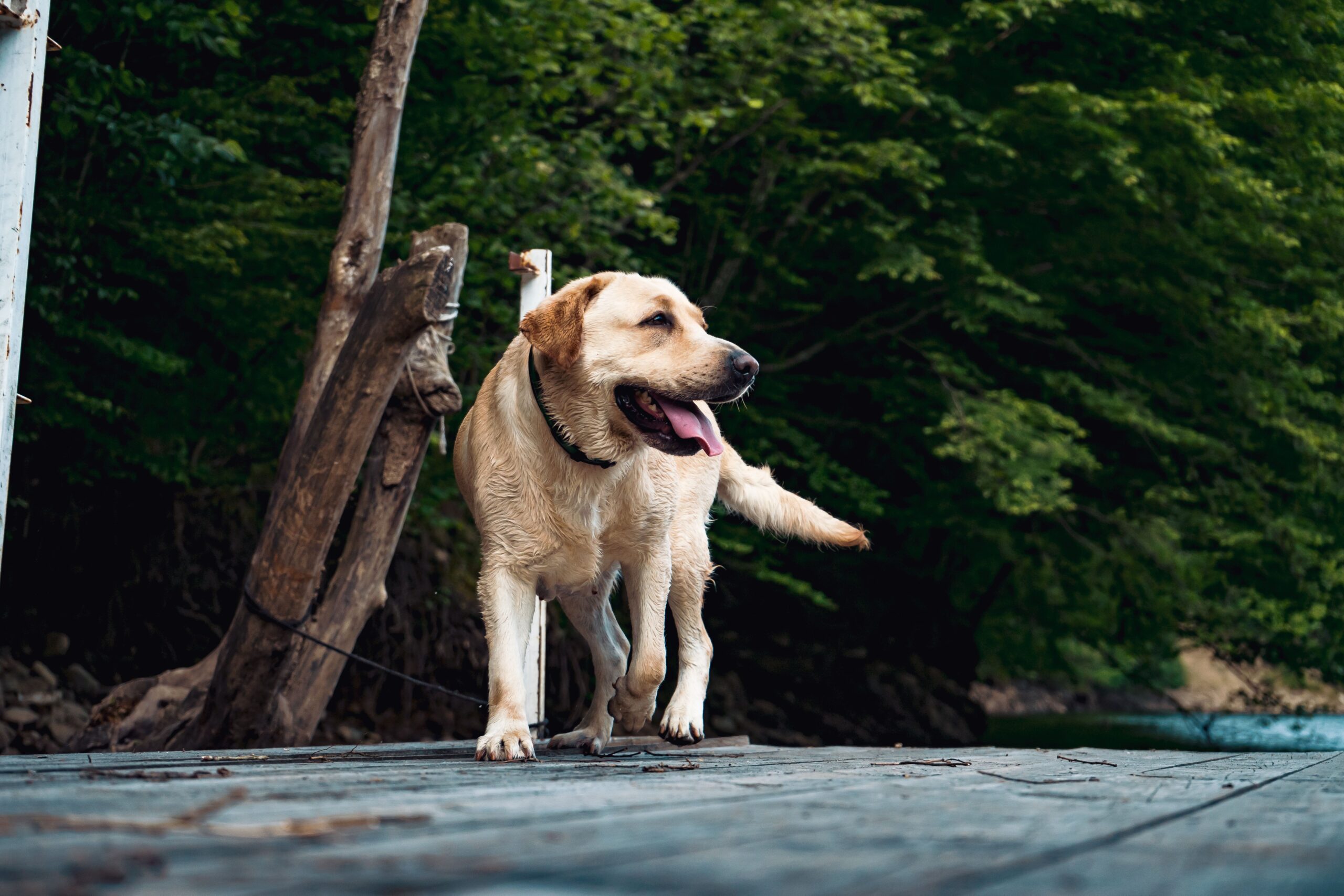
Sudden collapse mid-play, then back to normal in minutes. Here's what narcolepsy looks like in dogs and how to manage it.
Your dog is romping around the yard, tail going a mile a minute, and then – they just drop. Not a tumble, not a trip. They go limp and fall asleep, mid-excitement, like someone hit a switch. It’s alarming to witness. But if your dog collapses when excited and bounces back within a minute or two, completely fine, narcolepsy in dogs might be exactly what you’re looking at.
Narcolepsy is a neurological sleep disorder where the brain loses control of the boundary between being awake and being asleep. Dogs with narcolepsy can suddenly fall asleep or go completely limp (that’s called cataplexy) without any warning, usually triggered by excitement or eating. It looks scary. It isn’t painful. And with the right management, most dogs live full, happy lives.
 TL;DR
TL;DR
The hallmark of dog narcolepsy is sudden, unexpected sleep or muscle collapse, and the context usually tells the story. Episodes almost always happen when the dog is emotionally activated: during play, at feeding time, when greeting people, or during any moment of high excitement.
Here’s what you’ll typically see:
That quick, full recovery is one of the most telling details. After a narcolepsy episode, there’s no confusion, no lingering weakness, no disorientation. Your dog just gets up and carries on.
In most dogs, narcolepsy comes down to a shortage of a brain chemical called hypocretin, also known as orexin. Hypocretin is what keeps the brain’s sleep-wake switch stable. When levels are too low, that switch can flip unexpectedly, even mid-play.
Genetic narcolepsy is the most common form. Certain breeds have an inherited mutation that disrupts how the brain processes hypocretin, meaning they’re born with a built-in vulnerability. Breeds most commonly affected include Doberman Pinschers, Labrador Retrievers, and Dachshunds.
Narcolepsy can also develop later in life without a clear genetic cause, sometimes following illness, injury, or immune system changes. This acquired form is less common but does happen.
Narcolepsy, seizures, and syncope (fainting from a heart or blood pressure problem) can all look similar from across the room. They’re not the same, and telling your vet which one you witnessed changes everything about the diagnostic path.
| Narcolepsy/cataplexy | Seizure | Syncope | |
|---|---|---|---|
| Trigger | Excitement or eating | Often happens at rest or during sleep | Exercise or stress |
| What it looks like | Muscles go limp, dog falls asleep | Muscle stiffening or rhythmic jerking | Sudden collapse, may go pale around the gums |
| During the episode | No shaking or paddling | May lose bladder or bowel control | May involve coughing or labored breathing |
| Recovery | Fast and complete, no confusion | Slow recovery with disorientation that can last minutes to hours | Fast, but may involve lingering breathing changes |
If your dog has had one episode, there’s a good chance it will happen again. When it does, film it. Don’t try to stop the episode. Your dog isn’t in pain and intervention usually isn’t necessary. A video gives your vet information that no description alone can match: the trigger, the way the body collapses, whether there’s any muscle movement, and how fast recovery happens. This footage can be the difference between a confident diagnosis and weeks of additional testing.
A dog that can drop into sleep without warning needs a home set up with that in mind. Here’s what to address:
| Area | What to do |
|---|---|
| Stairs | Block access or use a harness with a handle so you can stabilize your dog |
| Pools and open water | Never leave a narcoleptic dog unsupervised near water. An episode in a pool is a drowning risk. |
| Car rides | Keep your dog secured in a crate or crash-tested harness |
| Hard floors and sharp corners | Add rugs and corner guards in spaces where your dog plays or eats |
| Feeding | Try smaller, calmer meals to reduce the excitement intensity that can trigger an episode |
There’s no single test that confirms narcolepsy. Your vet will work by ruling things out first, which is why that episode video is so valuable.
Expect your vet to recommend a full physical and neurological exam, bloodwork and urinalysis to check for underlying illness, an electrocardiogram to rule out a cardiac cause, and possibly a spinal fluid analysis or MRI if a structural brain problem needs to be excluded. A food-elicited cataplexy test, where a vet observes whether a highly desirable treat triggers an episode, may also be used.
There’s no cure for narcolepsy in dogs, but for most dogs it’s very manageable. Many dogs with mild narcolepsy do well with trigger avoidance alone: keeping excitement levels moderate, breaking up mealtimes, and adjusting their environment.
When episodes are frequent or disruptive, your vet may recommend medication to reduce their frequency. The goal isn’t to eliminate every episode. It’s to keep your dog safe, comfortable, and living a life that still includes joy. Most dogs with narcolepsy still get to play, still get excited, and still have a full life. You just learn to work with their nervous system instead of against it.
Yes, narcolepsy is eligible for coverage under a Lemonade Pet accident and illness policy, when the condition isn’t pre-existing. That means your dog shouldn’t be showing any signs or symptoms before your policy starts or during your waiting period.
Getting to a diagnosis isn’t cheap. Between ruling out seizures with neurology consults, cardiac workups to exclude syncope, and the diagnostic tests in between, costs add up fast, often before you even have an answer. For Doberman Pinschers, Labrador Retrievers, and Dachshunds, the genetic predisposition makes enrolling early especially worth thinking about. Getting coverage in place before symptoms are documented is what keeps your options open.
Watching your dog collapse is one of those moments that sticks with you. But if what you’re seeing is narcolepsy, the news is better than it looks in those first terrifying seconds. Your dog isn’t in pain, they’re not deteriorating in the moment, and with some adjustments at home, they can still live a really good life. Start by filming the next episode, talking to your vet about ruling out seizures and heart causes, and safety-proofing your space while you wait for answers.
And if your dog isn’t already covered, now is a good time to look into it.
Yes, dogs can have narcolepsy. It’s a neurological sleep disorder where the brain loses control of the sleep-wake boundary, causing dogs to suddenly fall asleep or go limp (cataplexy), usually triggered by excitement or eating. It’s most commonly seen in Doberman Pinschers, Labrador Retrievers, and Dachshunds due to a genetic link.
The key difference is what happens before, during, and after. Narcolepsy episodes are usually triggered by excitement or food, involve muscle limpness (not stiffening or jerking), and the dog recovers quickly with no confusion. Seizures often happen at rest, involve rhythmic muscle movements, and are followed by a period of disorientation. Filming the episode and showing the footage to your vet is the most useful step you can take.
No. Narcolepsy episodes are not painful for dogs. During an episode, the dog is not distressed, they’re essentially asleep. They recover fully and quickly, often resuming normal activity within seconds to a few minutes of the episode ending.
The most common triggers are excitement and eating. That includes play, greetings, feeding time, or any high-energy moment. Managing these excitement triggers is one of the primary ways to reduce episode frequency in dogs with narcolepsy.
There’s no cure, but narcolepsy in dogs is very manageable. Many dogs do well with trigger avoidance and home safety-proofing alone. When episodes are more frequent, vets may recommend medication to help reduce their occurrence. Most dogs with narcolepsy live full, comfortable lives.
A few quick words, because we <3 our lawyers: This post is general in nature, and any statement in it doesn’t alter the terms, conditions, exclusions, or limitations of the policies issued, which differ according to your state of residence. You’re encouraged to discuss your specific circumstances with your own professional advisors. The purpose of this post is merely to provide you with info and insights you can use to make such discussions more productive! Naturally, all comments by, or references to, third parties represent their own views, and Lemonade assumes no responsibility for them. Coverage may not be available in all states. Please note that statements about coverages, policy management, claims processes, Giveback, and customer support apply to policies underwritten by Lemonade Insurance Company or Metromile Insurance Company, a Lemonade company, sold by Lemonade Insurance Agency, LLC. The statements do not apply to policies underwritten by other carriers.
Please note: Lemonade articles and other editorial content are meant for educational purposes only, and should not be relied upon instead of professional legal, insurance or financial advice. The content of these educational articles does not alter the terms, conditions, exclusions, or limitations of policies issued by Lemonade, which differ according to your state of residence. While we regularly review previously published content to ensure it is accurate and up-to-date, there may be instances in which legal conditions or policy details have changed since publication. Any hypothetical examples used in Lemonade editorial content are purely expositional. Hypothetical examples do not alter or bind Lemonade to any application of your insurance policy to the particular facts and circumstances of any actual claim.