
Osteochondritis Dissecans (OCD) in Dogs
A common joint condition in large-breed puppies, and what to do about it.

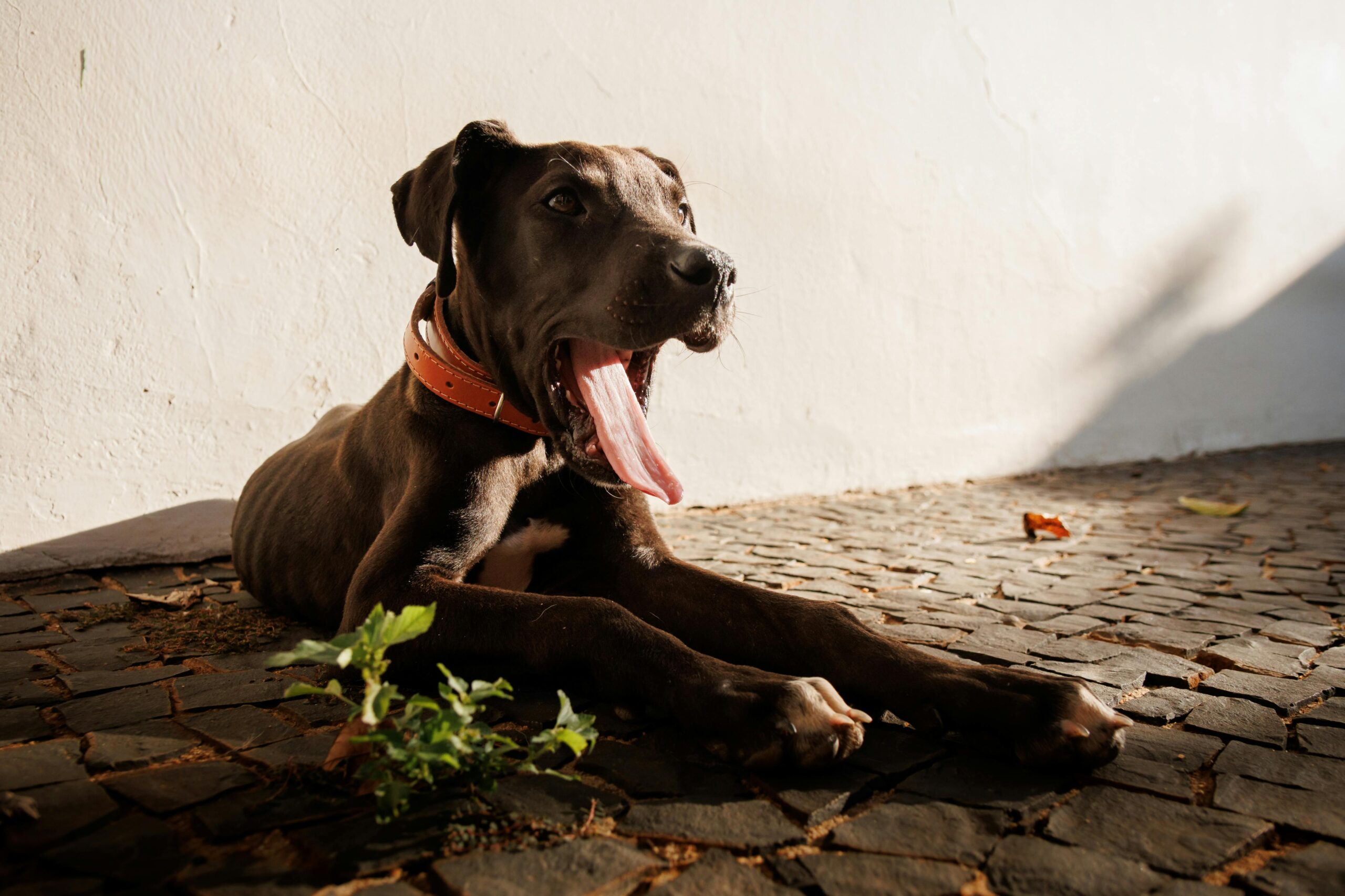
A common joint condition in large-breed puppies, and what to do about it.
Osteochondritis dissecans (OCD) is a developmental joint condition where cartilage doesn’t convert to bone properly during a puppy’s growth phase: causing it to thicken, crack, and sometimes break away from the joint surface. If you’ve noticed your dog limping or struggling to move comfortably, it’s worth knowing about. Left untreated, OCD can lead to lasting joint damage, but caught early, most dogs do very well.
 TL;DR
TL;DR
Osteochondritis dissecans (OCD) is a condition where the normal process of cartilage converting to bone, the way healthy joints develop during growth, gets disrupted. Instead of converting properly, the cartilage thickens, and over time it can crack and partially or fully detach from the joint surface, forming a flap or loose fragment inside the joint. This causes pain, inflammation, and reduced movement.
The condition mainly affects large and giant breed dogs, typically appearing between 4 and 12 months of age, while bones are still growing rapidly. OCD can occur in several joints, with the shoulder being the most commonly affected. Other joints include the elbow, hock (the ankle), and stifle (the knee). In shoulder OCD, both shoulders are affected in up to half of all cases, so if one shoulder is diagnosed, your vet will likely check the other side too.
Recognizing OCD early is critical for your dog’s comfort and recovery. Here’s what to watch for:
Symptoms can come and go, but don’t ignore them. Left untreated, OCD can lead to lasting arthritis and chronic pain.
The exact cause of OCD isn’t fully understood, but certain factors are known to contribute. These include:
Diagnosing OCD usually starts with your vet performing a physical exam and reviewing your dog’s history. To confirm the condition, your vet may recommend:
Early diagnosis is key to preventing long-term joint damage and ensuring the best outcome for your dog.
The right treatment depends on the severity of the condition. Here’s what your vet might suggest:
After surgery, most dogs require restricted activity for several weeks, followed by a structured physical rehabilitation program to rebuild strength and restore full movement. Recovery timelines vary by joint, shoulder OCD typically resolves within 6–8 weeks of surgery, while OCD affecting the hock or stifle may take longer.
With early diagnosis and proper treatment, the prognosis for OCD is usually very good. Dogs treated with surgery often return to an active, pain-free life. That said, delayed treatment can increase the risk of chronic arthritis and long-term joint issues. Shoulder OCD has the best outcomes, while OCD in the hock or stifle may take longer to recover and require extra care.
Yes, OCD is covered under Lemonade Pet’s base accident and illness policy, as long as it isn’t pre-existing. That includes eligible costs like diagnostic imaging, surgery, and follow-up care that’s typically part of treatment.
Recovery from OCD often involves physical therapy, structured exercises and rehabilitation that help your dog regain strength and mobility after surgery. Lemonade’s Physical Therapy add-on can help cover the cost of those sessions, making it easier to follow through on the full course of recovery your dog needs.
Getting a policy in place while your dog is symptom-free is the smartest move. Once signs appear, the condition is typically considered pre-existing and won’t be eligible for coverage.
Watching your dog struggle with OCD can be tough, but taking quick action makes all the difference. If you suspect your puppy might have this condition, schedule a vet visit right away. With proper care, most dogs go on to live full and happy lives.
And if the financial side of treatment has you worried, consider pet insurance to help cover the costs. A little planning today can make everything smoother down the road.
Most cases are seen in puppies between 4–8 months old as their bodies grow rapidly.
Mild cases in young dogs can sometimes improve with rest and diet adjustments, but severe cases usually need surgery.
Yes, large breeds like Labradors, Golden Retrievers, Rottweilers, and German Shepherds are at higher risk.
A few quick words, because we <3 our lawyers: This post is general in nature, and any statement in it doesn’t alter the terms, conditions, exclusions, or limitations of the policies issued, which differ according to your state of residence. You’re encouraged to discuss your specific circumstances with your own professional advisors. The purpose of this post is merely to provide you with info and insights you can use to make such discussions more productive! Naturally, all comments by, or references to, third parties represent their own views, and Lemonade assumes no responsibility for them. Coverage may not be available in all states. Please note that statements about coverages, policy management, claims processes, Giveback, and customer support apply to policies underwritten by Lemonade Insurance Company or Metromile Insurance Company, a Lemonade company, sold by Lemonade Insurance Agency, LLC. The statements do not apply to policies underwritten by other carriers.
Please note: Lemonade articles and other editorial content are meant for educational purposes only, and should not be relied upon instead of professional legal, insurance or financial advice. The content of these educational articles does not alter the terms, conditions, exclusions, or limitations of policies issued by Lemonade, which differ according to your state of residence. While we regularly review previously published content to ensure it is accurate and up-to-date, there may be instances in which legal conditions or policy details have changed since publication. Any hypothetical examples used in Lemonade editorial content are purely expositional. Hypothetical examples do not alter or bind Lemonade to any application of your insurance policy to the particular facts and circumstances of any actual claim.