
Why Does Your Puppy Keep Limping on Different Legs?
Shifting limps, bone pain, and no injury in sight. Here's what panosteitis looks like in large breed puppies.

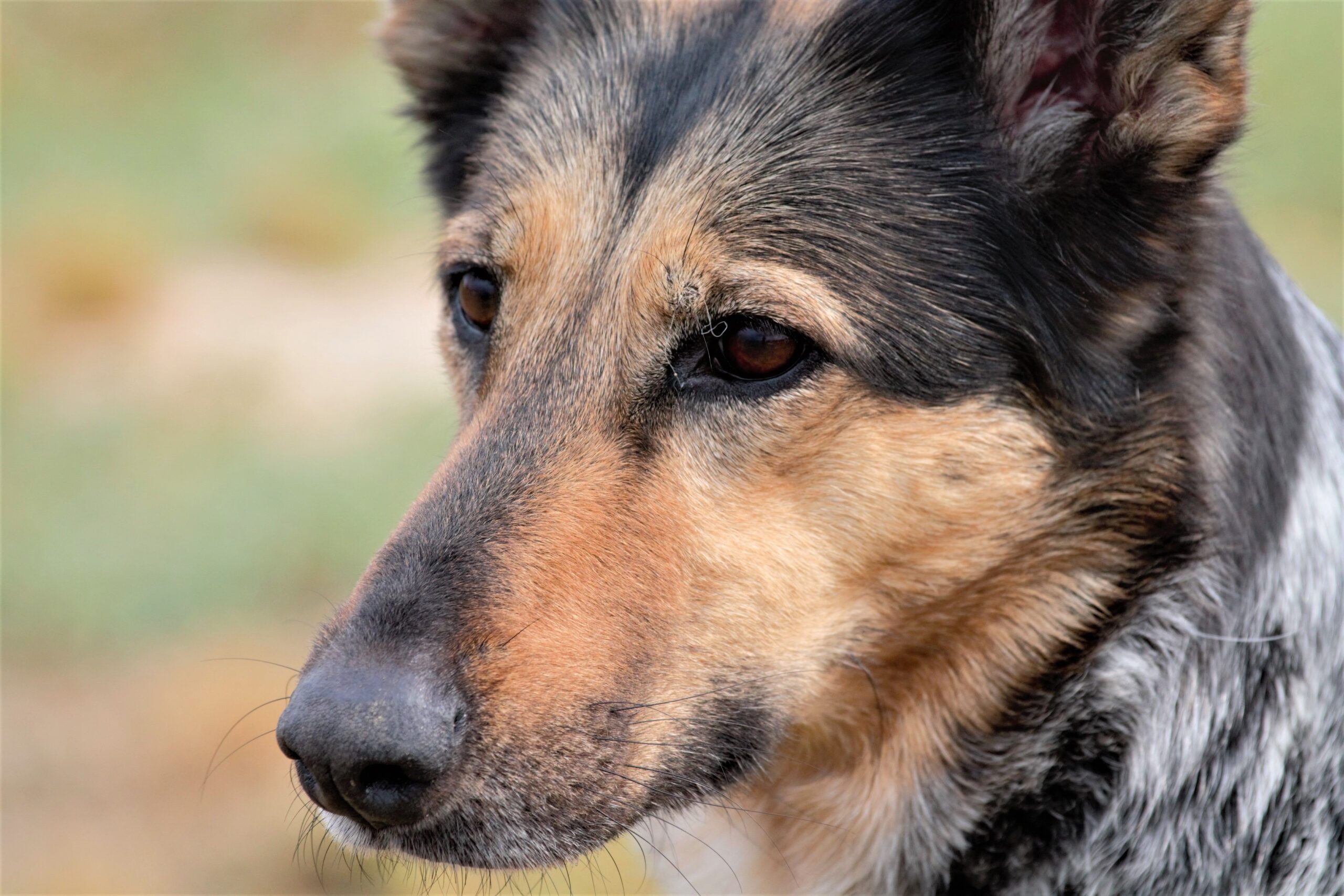
Shifting limps, bone pain, and no injury in sight. Here's what panosteitis looks like in large breed puppies.
Your large-breed puppy was fine yesterday. Today they’re limping on one leg, and by tomorrow it’s a different leg. It’s scary, and it feels like something must be seriously wrong. But if your vet mentions panosteitis, take a breath. This condition, sometimes called “pano” or growing pains in dogs, is one of the more common reasons young, large-breed dogs limp, and it almost always resolves on its own.
 TL;DR
TL;DR
Panosteitis is an inflammation that develops inside the long bones of a dog’s legs, the bones in the upper and lower limbs, during a period of rapid growth. Think of it like a deep, bone-level ache that comes and goes. It’s not a joint problem, and it’s not caused by an injury. The inflammation just shows up, causes real pain, and then fades, sometimes in one leg, sometimes cycling through several legs over weeks or months.
The condition is most common in large and giant breeds between 5 and 18 months of age. German Shepherds are affected more than any other breed, but Rottweilers, Golden Retrievers, Great Danes, and Labrador Retrievers are also frequently diagnosed. Male dogs tend to get it more often than females, though females aren’t immune.
One week your puppy is limping on a front leg, the next week it’s a back leg, and there’s no injury to explain either one. That shifting pattern is often the first thing that tips a vet off before any tests are even run.
Other signs to watch for:
Episodes can last anywhere from a few days to a few weeks, then clear up on their own before starting again in a different leg. If you’re seeing this kind of on-and-off, moving limping in a young large-breed dog, it’s worth getting a vet visit on the books sooner rather than later.
The honest answer is that the exact cause isn’t fully understood. But several factors are strongly associated with it.
Your vet will start by pressing gently along the bones in your puppy’s legs, not the joints, but the bone itself. If your puppy flinches or pulls away at a specific spot on the bone, that’s a strong sign of pano. Your vet will also ask questions about the limping pattern: which leg went first, how long it lasted, and whether it’s moved around.
X-rays are usually the next step to confirm what’s going on. In dogs with panosteitis, the inside of the affected bones often looks hazy or uneven on X-rays, which tells the vet that something abnormal is happening in the bone tissue. X-rays also help rule out other explanations for the pain, like a fracture, a bone infection, or, in rare cases, a tumor.
The good news is that panosteitis resolves on its own. Treatment is really just about keeping your puppy comfortable while the flare passes. Your vet will likely recommend:
There’s no surgery involved, no long-term medication to manage, and no lasting damage to worry about in typical cases. The goal is simply to get through each flare as comfortably as possible.
Managing your puppy’s activity and diet during the panosteitis phase makes a real difference, both for comfort during flares and for healthier bone development overall.
The goal is controlled rest, not zero movement. Short, calm leash walks for bathroom breaks are fine. Keep sessions to 5 to 10 minutes, let your puppy set the pace, and watch for signs they’re hurting more. Skip running, jumping, rough play, and off-leash time entirely. If your puppy doesn’t want to walk, respect that. Use ramps instead of stairs where you can.
Between flares, gradually reintroduce normal activity, but hold off on high-impact exercise like long runs or agility until your vet gives the all-clear.
Large-breed puppies need food specifically formulated for large breeds, not general puppy formulas or adult food. Large-breed puppy formulas have controlled calcium and phosphorus levels that support steadier bone development. High-calorie diets designed for smaller breeds can push large puppies to grow faster than their bones can handle, which may make pano worse. Even overfeeding a breed-appropriate food can have the same effect, so follow the bag guidelines and check with your vet about portion sizes as your puppy grows.
Most dogs outgrow panosteitis completely by 18 to 24 months. There’s no lasting joint damage and no chronic pain condition on the other side. Flares can recur during the growth period, but each one is managed the same way: rest, pain relief if needed, and a vet check-in if things seem worse than usual or don’t improve within a few days.
If the limping isn’t improving with rest, your puppy seems to be in significant pain, or the pattern doesn’t quite fit, go back to your vet. A few conditions can look like pano early on but need different treatment, and it’s always worth ruling those out.
Yes, panosteitis is eligible for coverage under a Lemonade Pet accident and illness policy, as long as the condition isn’t pre-existing. That means your puppy shouldn’t be showing any signs or symptoms before your policy starts or during your 14-day illness waiting period.
X-rays and prescription NSAIDs across multiple flares can add up faster than you’d expect. Diagnostic imaging and medications are covered under the base accident and illness policy. If you want exam and office visit fees covered too, adding the Visit Fee add-on takes care of that. For a condition like panosteitis that can recur over several months, having both in place makes a real difference. Getting coverage in place before your puppy shows any signs is what keeps those recurring flares eligible. For large-breed puppies especially, enrolling early is worth thinking about before problems show up, not after.
Watching your puppy limp is stressful, especially when the limping keeps moving around. But panosteitis, as painful as it is for your dog in the moment, is one of the more manageable things a growing large-breed puppy can go through. With the right rest, appropriate pain relief from your vet, a growth-appropriate diet, and some patience, most dogs come out the other side just fine.
Keep your vet in the loop during each flare, manage activity carefully, and if you haven’t yet enrolled in pet insurance for your puppy, now is a good time to look into it.
Yes, during active flares you should reduce your dog’s activity to short, calm leash walks and avoid running, jumping, and rough play. Between flares, when your dog is comfortable, you can gradually return to normal exercise with your vet’s guidance.
Individual flares typically last a few days to a few weeks. The condition itself can recur throughout the growth period but most dogs outgrow panosteitis entirely by 18 to 24 months of age.
Yes, panosteitis causes real bone pain. Dogs with an active flare will often limp, flinch when the affected leg is pressed, and may show lethargy or reduced appetite. Pain relief prescribed by your vet makes a meaningful difference during episodes.
Possibly. High-protein or high-calorie diets can accelerate growth in large-breed puppies, which may worsen or trigger pano episodes. Feeding a large-breed puppy formula with controlled calcium and phosphorus levels supports more even bone development.
German Shepherds are the most commonly affected breed, but Rottweilers, Golden Retrievers, Great Danes, and Labrador Retrievers are also frequently diagnosed. The condition is most common in large and giant breeds between 5 and 18 months of age.
A few quick words, because we <3 our lawyers: This post is general in nature, and any statement in it doesn’t alter the terms, conditions, exclusions, or limitations of the policies issued, which differ according to your state of residence. You’re encouraged to discuss your specific circumstances with your own professional advisors. The purpose of this post is merely to provide you with info and insights you can use to make such discussions more productive! Naturally, all comments by, or references to, third parties represent their own views, and Lemonade assumes no responsibility for them. Coverage may not be available in all states. Please note that statements about coverages, policy management, claims processes, Giveback, and customer support apply to policies underwritten by Lemonade Insurance Company or Metromile Insurance Company, a Lemonade company, sold by Lemonade Insurance Agency, LLC. The statements do not apply to policies underwritten by other carriers.
Please note: Lemonade articles and other editorial content are meant for educational purposes only, and should not be relied upon instead of professional legal, insurance or financial advice. The content of these educational articles does not alter the terms, conditions, exclusions, or limitations of policies issued by Lemonade, which differ according to your state of residence. While we regularly review previously published content to ensure it is accurate and up-to-date, there may be instances in which legal conditions or policy details have changed since publication. Any hypothetical examples used in Lemonade editorial content are purely expositional. Hypothetical examples do not alter or bind Lemonade to any application of your insurance policy to the particular facts and circumstances of any actual claim.