
Does Your Dog Have Perianal Fistula?
Chronic, painful, and immune-mediated. Here's what perianal fistula means and what long-term management looks like.

Chronic, painful, and immune-mediated. Here's what perianal fistula means and what long-term management looks like.
If you’ve noticed raw, oozing sores around your dog’s rear end, or you’ve caught them scooting, licking, or straining to go to the bathroom, it’s understandable to feel alarmed. What you might be looking at is perianal fistula in dogs, also called anal furunculosis, a painful chronic condition where tunneling ulcers form in the skin surrounding the anus. It’s not just a skin issue; it goes deeper, literally and figuratively, and it needs real medical attention.
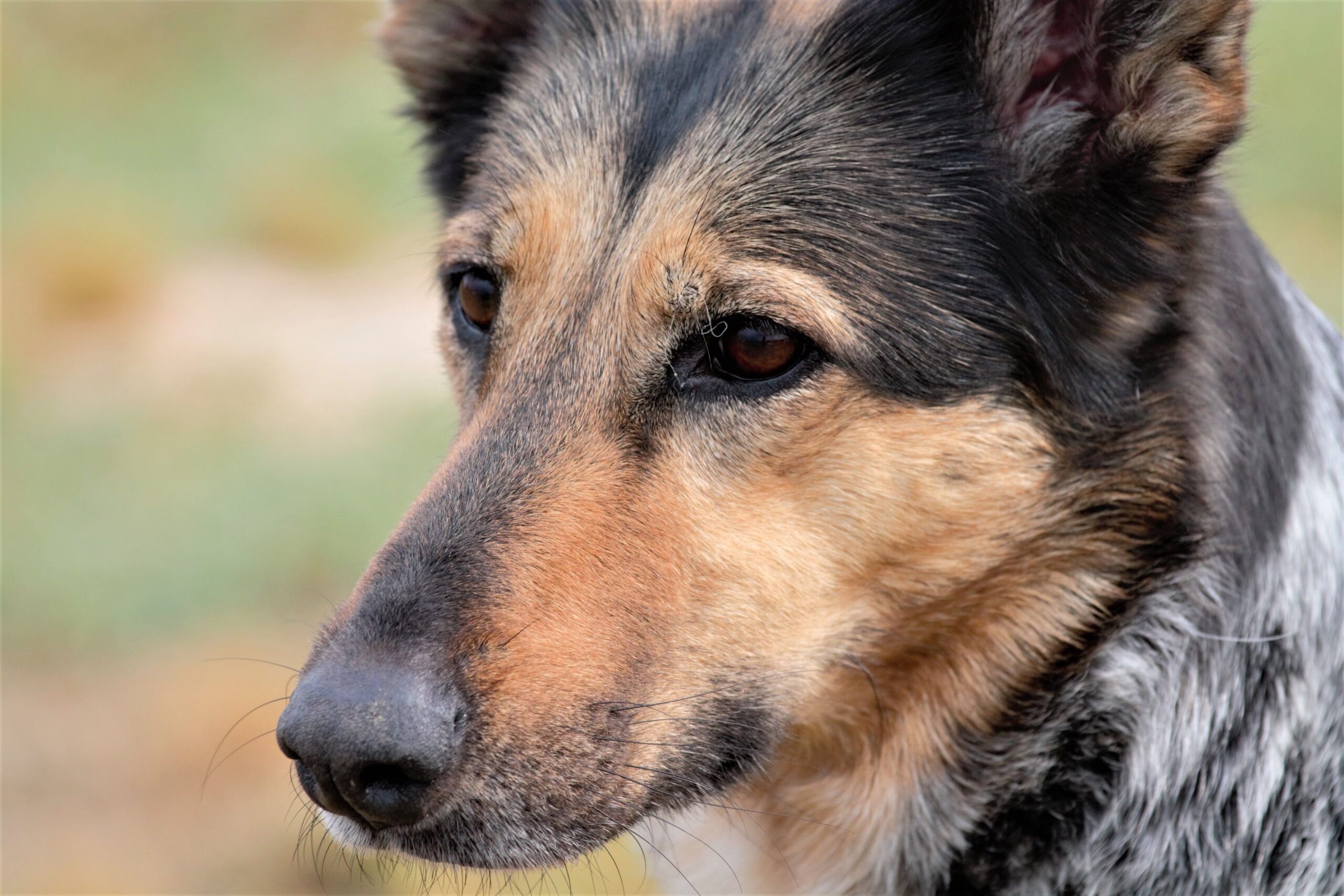
German Shepherds are by far the most commonly affected breed, though other dogs can develop it too. The good news: with the right treatment plan, most dogs can get meaningful relief.
 TL;DR
TL;DR
A perianal fistula is a tunnel-like sore, or a cluster of them, that forms in the skin and tissue surrounding a dog’s anus. Think of it like a network of infected channels burrowing under the skin. These aren’t just surface wounds. They can go deep, connect to each other, and cause significant pain every time your dog tries to defecate.
The medical name, anal furunculosis, gives you a clue: “furuncle” means a deep skin infection. But what makes this condition particularly stubborn is that it’s immune-mediated, meaning the dog’s own immune system is attacking the tissue around the anus. It’s not caused by a simple infection you can clear up with antibiotics. It behaves more like an autoimmune disease, which is why it tends to stick around and why suppressing the immune response is the cornerstone of treatment.
German Shepherds are heavily overrepresented in diagnoses. Their broad-based tail, low tail carriage, and the way the skin folds around the hindquarters may create a warm, moist environment that contributes to flare-ups, though the immune dysfunction is the root cause.
Pet owners often notice behavioral changes before they see the sores themselves. Your dog might seem reluctant to sit, resist being groomed near the tail, or act out of character around bathroom time. Here’s what to look for:
Don’t wait if you’re seeing any combination of these. The longer perianal fistulas go untreated, the deeper and more extensive they become. What starts as a small draining tract can spread significantly over weeks.
A vet can usually identify perianal fistulas on visual examination, but they’ll want to assess how severe and extensive the disease is. That typically means a closer look under sedation or anesthesia, since the area is too painful for most dogs to tolerate a thorough exam while awake.
Your vet may also recommend a biopsy to rule out other conditions like anal sac cancer or other skin diseases that can look similar. Bloodwork may be done to check your dog’s overall health before starting immunosuppressant therapy.
The standard of care has shifted significantly over the past two decades. Surgery used to be the go-to, but it carried a high risk of complications and the disease often returned anyway. Today, most vets start with medical management.
Cyclosporine is the most commonly used drug. It works by dialing down the immune response attacking the perianal tissue. Most dogs see meaningful improvement within 8 to 16 weeks. Tacrolimus, an ointment applied directly to the affected area, is often used alongside oral cyclosporine for a more targeted local effect. These medications aren’t cheap, and many dogs need them long term to prevent relapse.
A hypoallergenic diet, typically a novel or hydrolyzed protein food your dog hasn’t eaten before, is often recommended alongside medication. There’s a suspected link between food sensitivities and immune flare-ups, and some dogs respond better to treatment when diet is addressed at the same time. Your vet can guide you toward the right option.
Surgery isn’t off the table; it’s just no longer the first step. It may be recommended for dogs who don’t respond to medication, or to remove deep, non-healing tracts after medical therapy has reduced the overall disease burden. Surgery is most effective when used selectively, not as the primary treatment.
Perianal fistula is a condition you manage, not cure. Here’s how to do it well between vet visits.
Gently cleaning around the anus with a warm, damp cloth can help prevent secondary infections in the draining tracts. Your vet may recommend a specific antiseptic rinse. Avoid anything harsh or heavily scented. The goal is to keep the area clean without further irritating already sensitive tissue.
Relapses are common, especially if medication is reduced or stopped. The early warning signs look just like the initial symptoms: renewed scooting, licking, straining to defecate, or any new discharge. Catching a flare early means less tissue damage and a faster path back to remission. Keep up with scheduled vet check-ins even when your dog looks fine, because some progression can be subtle.
Sticking with the hypoallergenic diet consistently, not just during active flares, can also reduce the frequency of relapses in dogs with a food sensitivity component.
If perianal fistulas go untreated, they spread. The draining tracts multiply and deepen, ulcers become more severe, and your dog’s quality of life deteriorates significantly. In advanced cases, the tissue damage can affect bowel function. There’s no version of this condition that gets better on its own.
Yes, perianal fistula is eligible for coverage under a Lemonade Pet accident and illness policy, when the condition isn’t pre-existing. That means your dog shouldn’t be showing any signs or symptoms before your policy starts or during your waiting period.
Cyclosporine can run hundreds of dollars a month for a large breed. Add diagnostic workups and potential surgery, and costs can reach into the thousands. Because this disease tends to develop in middle-aged German Shepherds, getting a policy in place before any signs appear is what makes coverage possible. Getting a quote while your dog is healthy isn’t about expecting the worst. It’s just smart planning for a breed with known health vulnerabilities.
Perianal fistula is a hard diagnosis, mostly because it asks a lot of you over the long term: consistent medication routines, diet discipline, regular vet visits, and vigilance for relapses. But dogs treated with modern immunosuppressant protocols often achieve real remission and a good quality of life. Your vet, ideally a veterinary dermatologist for complex cases, is your best partner here. And if your German Shepherd is still healthy, now is exactly the right time to look into pet insurance before this condition has a chance to become a pre-existing one.
There’s no permanent cure, but many dogs achieve long-term remission with the right treatment. Most require ongoing management with medications like cyclosporine (ciclosporin) or tacrolimus to prevent relapses.
German Shepherds appear to have a genetic predisposition to the immune dysfunction that drives anal furunculosis. Their tail carriage and skin conformation around the hindquarters may also contribute to flare-ups.
Costs vary widely. Monthly cyclosporine for a large dog can cost several hundred dollars, diagnostics add more, and surgery, if needed, can run into the thousands. Pet insurance enrolled before symptoms appear can help offset these expenses.
It can, especially in dogs where food sensitivities are contributing to immune flare-ups. Vets often recommend a novel or hydrolyzed protein diet alongside medication, and some dogs see better, longer-lasting results when diet is addressed consistently.
Watch for returning scooting, licking at the rear, straining to defecate (tenesmus), discharge, or odor around the anus. Catching a flare early leads to faster recovery and less tissue damage.
A few quick words, because we <3 our lawyers: This post is general in nature, and any statement in it doesn’t alter the terms, conditions, exclusions, or limitations of the policies issued, which differ according to your state of residence. You’re encouraged to discuss your specific circumstances with your own professional advisors. The purpose of this post is merely to provide you with info and insights you can use to make such discussions more productive! Naturally, all comments by, or references to, third parties represent their own views, and Lemonade assumes no responsibility for them. Coverage may not be available in all states. Please note that statements about coverages, policy management, claims processes, Giveback, and customer support apply to policies underwritten by Lemonade Insurance Company or Metromile Insurance Company, a Lemonade company, sold by Lemonade Insurance Agency, LLC. The statements do not apply to policies underwritten by other carriers.
Please note: Lemonade articles and other editorial content are meant for educational purposes only, and should not be relied upon instead of professional legal, insurance or financial advice. The content of these educational articles does not alter the terms, conditions, exclusions, or limitations of policies issued by Lemonade, which differ according to your state of residence. While we regularly review previously published content to ensure it is accurate and up-to-date, there may be instances in which legal conditions or policy details have changed since publication. Any hypothetical examples used in Lemonade editorial content are purely expositional. Hypothetical examples do not alter or bind Lemonade to any application of your insurance policy to the particular facts and circumstances of any actual claim.