
Does Your Cat Carry the PKDef Gene?
PKDef affects certain breeds more than others. Here's what to know before symptoms appear.

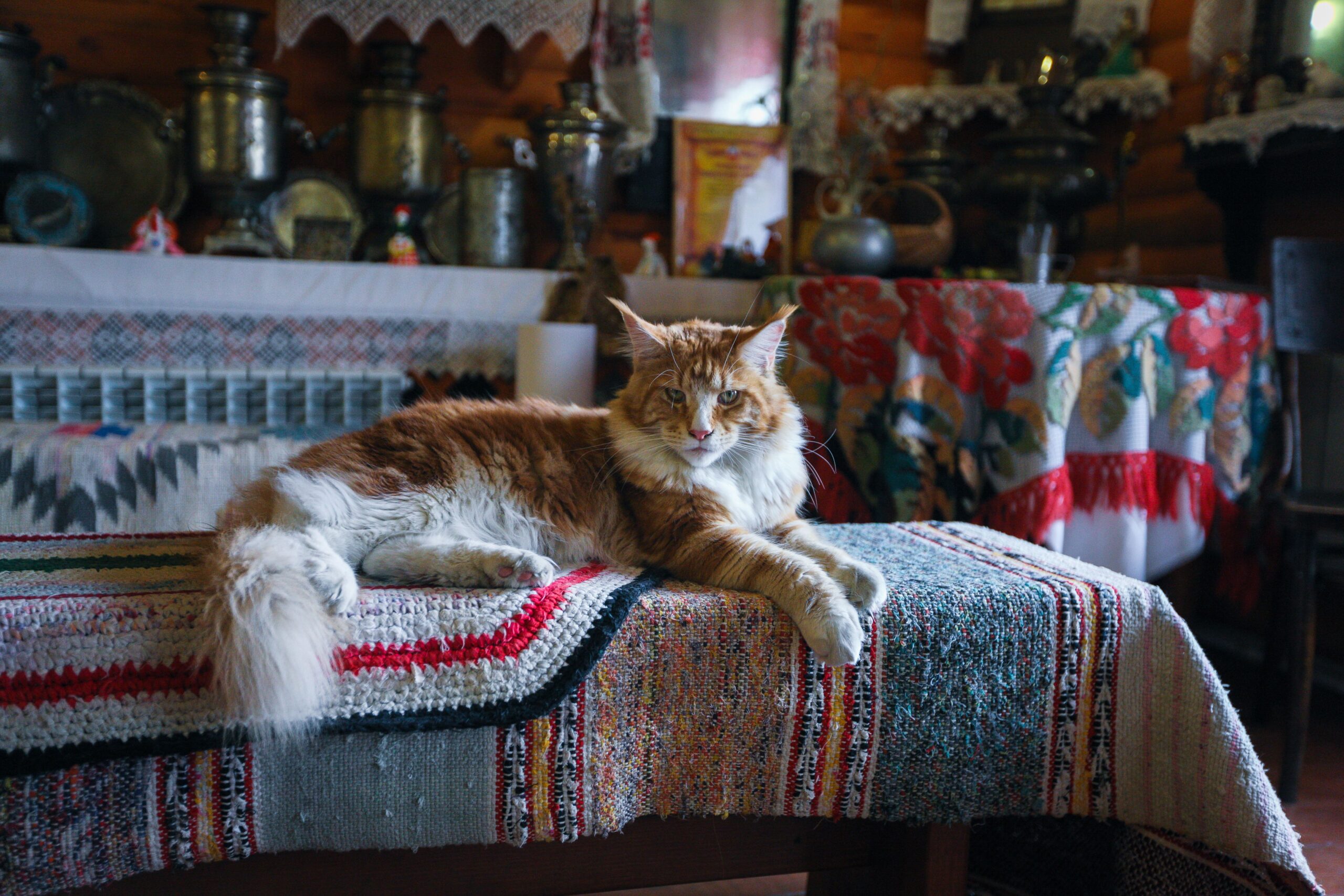
PKDef affects certain breeds more than others. Here's what to know before symptoms appear.
 Reviewed by Dr. Stephanie LiffLast Updated:
Maybe you’ve just found out your breed is at risk, or a vet mentioned PKDef during a routine visit. Either way, it’s a fair question to be asking. PKDef, or pyruvate kinase deficiency, is an inherited condition caused by a faulty gene that makes red blood cells break down faster than the body can replace them. Some cats carry the gene without ever showing symptoms. Others develop a type of anemia called hemolytic anemia that ranges from mild to serious. A simple DNA test can tell you exactly where your cat stands, and knowing early makes a real difference.
 TL;DR
TL;DR
PKDef (pyruvate kinase deficiency) is a genetic condition that affects your cat’s red blood cells. Here’s the short version: a faulty gene means their red blood cells break down too fast, and the body can’t keep up. That imbalance leads to anemia, specifically a type called hemolytic anemia, where red blood cells are being destroyed faster than they’re replaced.
The gene involved is called PKLR. In a healthy cat, it produces an enzyme that helps red blood cells survive their normal lifespan. When that gene has a mutation, the enzyme doesn’t work the way it should, and red blood cells start dying off much earlier than they’re supposed to.
PKDef is inherited, and it works a bit like a coin flip. Your cat needs to inherit two copies of the faulty gene (one from each parent) to actually be affected. Here’s what the three possible outcomes look like:
PKDef shows up across quite a few breeds. Abyssinian and Somali cats have the highest documented rates, but the PKLR mutation has also been found in Bengals, Egyptian Maus, Maine Coons, Norwegian Forest cats, La Perms, Savannahs, Siberians, Singapuras, and even Domestic Shorthair and Longhair cats.
If your cat is on that list, this is worth knowing about, even if they seem perfectly healthy right now.
One of the trickier things about PKDef is how unpredictable it can be. Some affected cats (K/K) develop obvious symptoms as early as 6 months old. Others won’t show signs until they’re 4 or 5 years old. And a small number of K/K cats appear to compensate well enough that clinical signs stay mild or go unnoticed for years.
That said, here’s what to look for from the owner’s perspective:
Diagnosis usually happens in one of two ways: a vet investigates unexplained anemia and PKDef comes up as a likely cause, or a proactive owner tests an at-risk breed before symptoms appear.
Your vet will likely start with a complete blood count (CBC), a standard blood panel that measures red blood cell levels and identifies anemia. They’ll also look at the reticulocyte count, which measures immature red blood cells. A high reticulocyte count tells the vet the bone marrow is working hard to compensate, which is consistent with hemolytic anemia. A chemistry panel and bilirubin levels help confirm that the anemia is caused by red blood cell destruction, not another issue.
To confirm PKDef specifically, the definitive test is a PKLR DNA test, often done via a simple cheek swab or blood sample sent to a veterinary genetics lab. This tells you exactly which genetic result your cat carries: N/N, N/K, or K/K. It can be done at any age, even in kittens.
There’s no cure for PKDef. But that doesn’t mean there’s nothing you can do. Treatment is focused on managing symptoms, supporting your cat’s quality of life, and stepping in during more serious episodes.
If your cat has been confirmed as affected (K/K), day-to-day life doesn’t have to look dramatically different, but it does call for some intentional habits. Here’s what a practical home routine looks like:
And then there are the signs that mean stop what you’re doing and go to an emergency vet now:
These are signs of a hemolytic crisis, a rapid drop in red blood cells that needs immediate veterinary attention.
Yes, PKDef is eligible for coverage under a Lemonade accident and illness policy, as long as the condition isn’t pre-existing. That means your cat shouldn’t be showing any signs or symptoms of PKDef before your policy starts or during your 14-day illness waiting period.
Managing PKDef isn’t cheap. Blood work, transfusions, specialist visits, and potentially splenectomy surgery can add up fast. Getting coverage in place before any symptoms appear is what makes it actually useful when you need it. If you have a kitten from an at-risk breed, enrolling early is one of the most practical things you can do.
A PKDef diagnosis, or even a positive genetic test result, can feel alarming. But plenty of cats with this condition live full, comfortable lives with the right care and monitoring in place. Know your cat’s genetic status, build a routine around keeping stress low and catching changes early, and make sure your vet is your partner in this.
And if your cat is young and the diagnosis hasn’t happened yet, don’t wait on coverage. The best time to enroll is before you ever need to use it.
A carrier cat (N/K) has one copy of the PKLR mutation and won’t develop PKDef symptoms, but can pass the gene to offspring. An affected cat (K/K) has two copies and will experience hemolytic anemia to some degree during their lifetime.
Yes, many veterinary genetics labs offer a DNA cheek swab test you can do at home and mail in. Your vet can also order the PKLR genetic test during a regular visit. Results will tell you if your cat is N/N (clear), N/K (carrier), or K/K (affected).
The highest prevalence has been documented in Abyssinian and Somali cats, but the PKLR mutation has also been found in Bengal, Egyptian Mau, Maine Coon, Norwegian Forest cat, Singapura, Siberian, Savannah, La Perm, and Domestic Shorthair and Longhair cats.
No, there’s currently no cure. Treatment focuses on supportive care: reducing stress, monitoring blood counts, blood transfusions during crises, and splenectomy (spleen removal) in severe cases. Many affected cats can live well with proper management.
A few quick words, because we <3 our lawyers: This post is general in nature, and any statement in it doesn’t alter the terms, conditions, exclusions, or limitations of the policies issued, which differ according to your state of residence. You’re encouraged to discuss your specific circumstances with your own professional advisors. The purpose of this post is merely to provide you with info and insights you can use to make such discussions more productive! Naturally, all comments by, or references to, third parties represent their own views, and Lemonade assumes no responsibility for them. Coverage may not be available in all states. Please note that statements about coverages, policy management, claims processes, Giveback, and customer support apply to policies underwritten by Lemonade Insurance Company or Metromile Insurance Company, a Lemonade company, sold by Lemonade Insurance Agency, LLC. The statements do not apply to policies underwritten by other carriers.
Please note: Lemonade articles and other editorial content are meant for educational purposes only, and should not be relied upon instead of professional legal, insurance or financial advice. The content of these educational articles does not alter the terms, conditions, exclusions, or limitations of policies issued by Lemonade, which differ according to your state of residence. While we regularly review previously published content to ensure it is accurate and up-to-date, there may be instances in which legal conditions or policy details have changed since publication. Any hypothetical examples used in Lemonade editorial content are purely expositional. Hypothetical examples do not alter or bind Lemonade to any application of your insurance policy to the particular facts and circumstances of any actual claim.