
Understanding Polyneuropathy in Dogs
A nerve condition with many causes, and why catching it early matters.

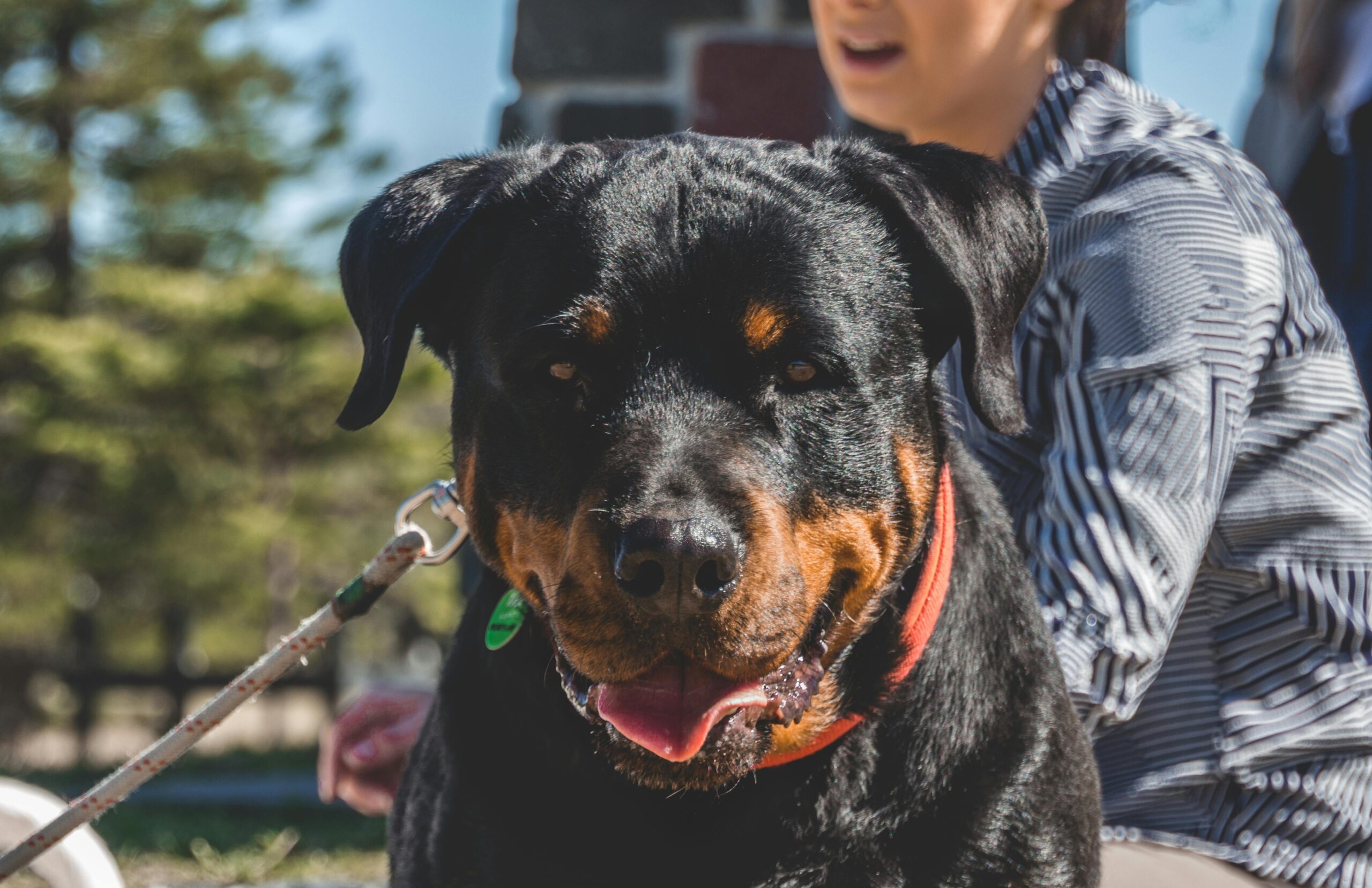
A nerve condition with many causes, and why catching it early matters.
Polyneuropathy is an umbrella term for conditions that affect multiple peripheral nerves at once: the nerves that carry signals between your dog’s brain, spinal cord, and muscles. If you’ve noticed your dog wobbling, losing muscle mass, or struggling with basic movement, it’s worth understanding what might be going on. Some forms are treatable; others require long-term management. Either way, early action makes a real difference.
 TL;DR
TL;DR
Polyneuropathy refers to problems affecting multiple peripheral nerves: the network that acts as a communication highway between your dog’s brain, spinal cord, and the rest of the body. When these nerves are damaged or stop functioning properly, the signals that control muscle movement, reflexes, and sensation can’t get through. The result is weakness, instability, and in some cases, loss of function in specific parts of the body.
Polyneuropathy isn’t one specific disease. It’s a category that includes a range of conditions, some inherited and some acquired over a dog’s lifetime.
Symptoms of canine polyneuropathy can vary widely but often begin with weakness in the hind limbs that worsens over time. Here’s what to look out for:
If your dog is showing any of these signs, contact your vet sooner rather than later. Some forms of polyneuropathy progress quickly, while others remain stable for a period of time.
Understanding the reason behind polyneuropathy is key to addressing it effectively. Here are some of the most common causes:
| Cause | What’s happening | Details |
|---|---|---|
| Metabolic or endocrine conditions | Underlying disorders like hypothyroidism or diabetes interfere with how nerves function | Hypothyroidism (an underactive thyroid) and diabetes are among the most common metabolic triggers of nerve dysfunction in dogs |
| Immune-mediated responses | The immune system mistakenly attacks the peripheral nerves | One example is acute polyradiculoneuritis (APN), sometimes called “coonhound paralysis.” Raccoon saliva can trigger it, but most cases occur without any known cause and can affect any breed |
| Paraneoplastic neuropathy | Nerve damage caused by the body’s immune response to cancer elsewhere in the body | The tumor itself doesn’t damage the nerves directly, it’s the immune response it triggers that inadvertently attacks nerve tissue |
| Toxins | Certain substances damage peripheral nerves over time | Known triggers include some medications and heavy metals |
| Inherited polyneuropathy | Breed-specific genetic mutations that cause progressive nerve degeneration | Identified in Leonbergers (Leonberger polyneuropathy), Greyhounds, and Alaskan Malamutes, among others |
Your vet will start with a thorough neurological exam, assessing reflexes, gait, and muscle tone. To pinpoint the cause, one or more of the following may be recommended:
Diagnosis can be a layered process. Depending on your dog’s symptoms and history, your vet may recommend one or several of these tests.
Treatment varies considerably depending on the underlying cause. Here’s a general breakdown:
For inherited forms, there’s no known cure, but a mix of physiotherapy and supportive care can make a meaningful difference in quality of life.
The long-term outlook depends largely on the cause. Forms with treatable underlying conditions, like hypothyroid polyneuropathy, can see significant improvement. Acute polyradiculoneuritis (coonhound paralysis) carries a good prognosis with attentive supportive care. Most dogs recover fully, though severely affected dogs may take several months. Inherited conditions like Leonberger polyneuropathy have a more guarded prognosis due to their progressive nature.
In all cases, early diagnosis and intervention give your dog the best chance at maintaining quality of life.
Yes, polyneuropathy is covered under Lemonade Pet’s base accident and illness policy, as long as it isn’t pre-existing. That includes eligible costs like diagnostic testing, medications, and ongoing care that’s typically part of managing the condition.
Because polyneuropathy affects how nerves communicate with muscles, physical therapy is often a key part of helping your dog maintain mobility and strength over time. Lemonade’s Physical Therapy add-on can help cover the cost of those sessions, making it easier to stay consistent with the rehabilitation your dog needs.
Getting a policy in place while your dog is symptom-free is the smartest move. Once signs appear, the condition is typically considered pre-existing and won’t be eligible for coverage.
Polyneuropathy in dogs might sound overwhelming, but knowing what to watch for and acting quickly can make all the difference. Whether it’s a manageable condition or something you’ll navigate over the long haul, you’ve got tools and support to help your pup live their best possible life, and we’re here to help guide you.
Leonbergers, Alaskan Malamutes, Greyhounds, and Miniature Schnauzers are some of the breeds prone to inherited forms of polyneuropathy.
Supportive care, physiotherapy, and time are key. Many cases recover fully over weeks to months.
It depends. Treatable causes like hypothyroidism can resolve, while inherited forms cannot be cured but can be managed.
A few quick words, because we <3 our lawyers: This post is general in nature, and any statement in it doesn’t alter the terms, conditions, exclusions, or limitations of the policies issued, which differ according to your state of residence. You’re encouraged to discuss your specific circumstances with your own professional advisors. The purpose of this post is merely to provide you with info and insights you can use to make such discussions more productive! Naturally, all comments by, or references to, third parties represent their own views, and Lemonade assumes no responsibility for them. Coverage may not be available in all states. Please note that statements about coverages, policy management, claims processes, Giveback, and customer support apply to policies underwritten by Lemonade Insurance Company or Metromile Insurance Company, a Lemonade company, sold by Lemonade Insurance Agency, LLC. The statements do not apply to policies underwritten by other carriers.
Please note: Lemonade articles and other editorial content are meant for educational purposes only, and should not be relied upon instead of professional legal, insurance or financial advice. The content of these educational articles does not alter the terms, conditions, exclusions, or limitations of policies issued by Lemonade, which differ according to your state of residence. While we regularly review previously published content to ensure it is accurate and up-to-date, there may be instances in which legal conditions or policy details have changed since publication. Any hypothetical examples used in Lemonade editorial content are purely expositional. Hypothetical examples do not alter or bind Lemonade to any application of your insurance policy to the particular facts and circumstances of any actual claim.