

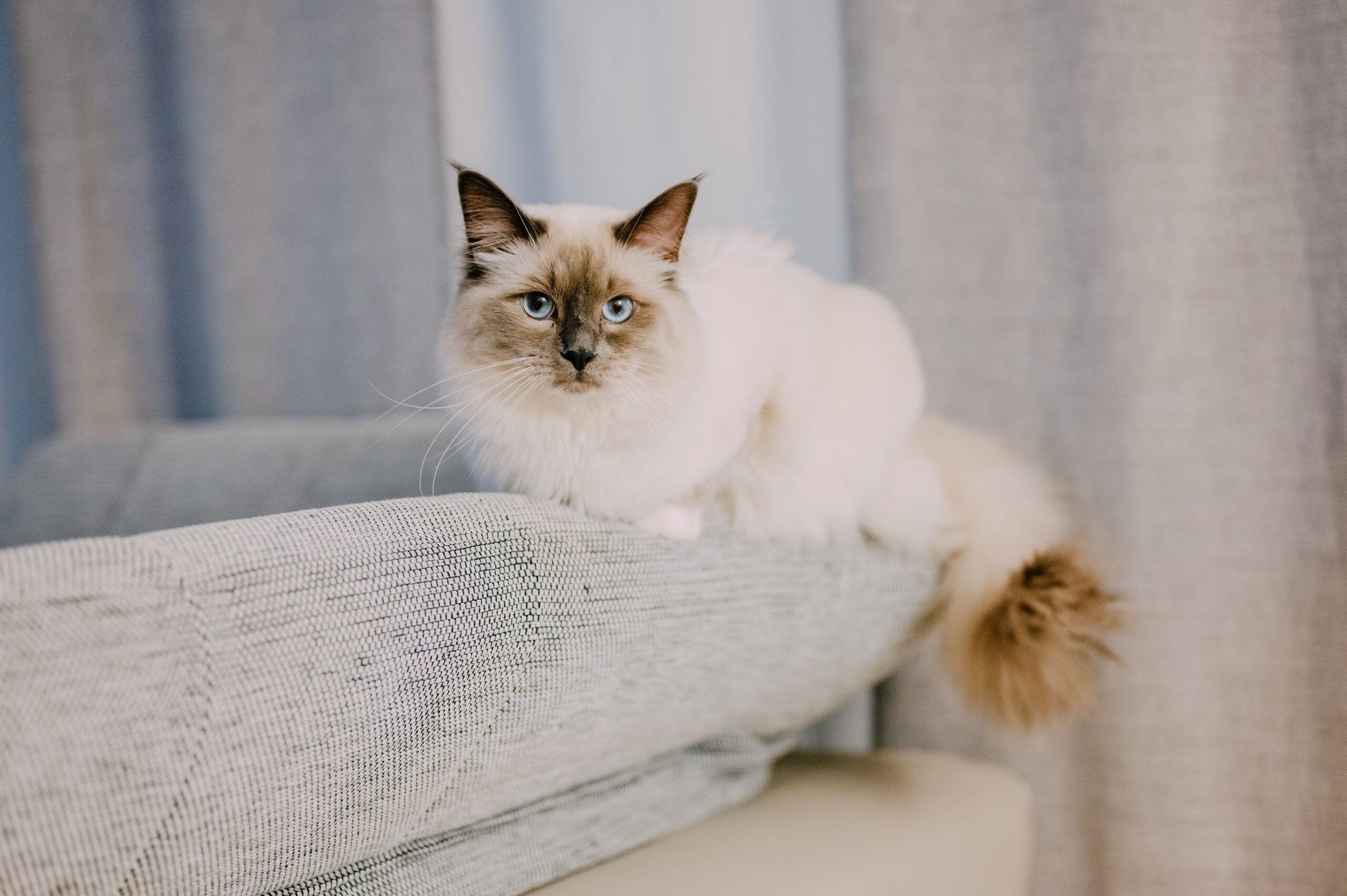



Ragdolls are one of the most people-oriented cats you’ll ever meet. Not the type to watch you from across the room. They follow you from room to room, wait by the door when you’re out, and relocate to wherever you land the moment you sit down. If you’re looking for a calm, loving companion that’s genuinely happy just being near you, keep reading.
 TL;DR
TL;DR
- Big, gentle cats that are deeply attached to their people. Expect a shadow, not a roommate.
- Their semi-longhaired coat needs brushing 2–3x a week, and occasional professional grooming every 6–8 weeks.
- Watch for HCM and urinary conditions. Both are manageable with regular vet visits and cardiac screening.
- Low drama, moderate energy. They need regular play and don’t love being left alone for long stretches.
- Lemonade paid out $1.5M in Ragdoll claims last year. A good insurance plan matters for this breed.
What are the characteristics of a Ragdoll?
Gentle and people-oriented are the two words you’ll hear most about Ragdolls. Here’s how that actually breaks down across the traits that matter most for daily life.
What it’s actually like to live with a Ragdoll
Ragdolls are famously docile, and that’s real. But what surprises most first-time owners is just how social they are. This isn’t a cat that tolerates you. It’s a cat that genuinely wants to be around you. They’ll follow you from room to room, pick a spot nearby whenever you settle, and greet you at the door with the energy of a dog who missed you. If you work from home, expect a coworker. A quiet one, but a present one.
The flip side of that attachment is that they don’t love being left alone. They won’t tear up your furniture, but a Ragdoll without enough company can become withdrawn and low-energy in ways that are easy to miss. If your schedule keeps you out of the house for long stretches most days, it’s worth considering a second cat to keep them company.
What health issues are common in Ragdoll cats?
Like most purebreds, Ragdolls carry some genetic predispositions. None of them are a guarantee, but all of them are worth staying ahead of.
Hypertrophic cardiomyopathy (HCM)
HCM causes the walls of the heart to thicken, making it harder to pump blood efficiently. It's the most common hereditary heart condition in cats, and Ragdolls carry a known genetic mutation that puts them at higher risk.
Read more about HCMFeline lower urinary tract disease (FLUTD)
An umbrella term for conditions affecting the bladder and urethra. Signs include straining, bloody urine, or frequent litter box visits. Male cats face a higher risk of blockages.
Read more about FLUTDCalcium oxalate urolithiasis
Ragdolls are prone to calcium oxalate stones in the urinary tract. They cause discomfort and can't be dissolved with diet alone, often requiring surgical removal.
Read more about Calcium oxalate urolithiasisChronic kidney disease (CKD)
The kidneys gradually lose their ability to filter waste from the blood. It's common in older cats, and Ragdolls can be predisposed. Routine bloodwork helps catch it early.
Read more about CKDFeline idiopathic cystitis (FIC)
Bladder inflammation often triggered by stress or diet. Symptoms mirror a UTI including straining and bloody urine, even without infection. A stable routine helps reduce flare-ups.
Read more about FICWhat are the recommended health tests for Ragdoll cats?
Your Ragdoll can’t tell you when something’s off. That’s what annual health tests are for. Most vets will recommend a complete blood count, biochemistry profile, urinalysis, and FIV/FeLV screening at your cat’s yearly check-up. For Ragdolls specifically, it’s also worth asking about an annual echocardiogram. HCM is a condition this breed carries a higher genetic risk for, and it can develop silently for years. Catching it early makes a real difference.
Do Ragdoll cats need pet insurance?
We’ll let the numbers do the talking. But spoiler: a lot of Ragdoll owners are really glad they had coverage.
Those numbers aren’t hypotheticals. Behind each one is a Ragdoll owner who filed an accident or illness claim in the last year. Here’s what that can look like in practice.
The Friday night cardiology surprise
Milo, a 5-year-old Ragdoll, had been a little quieter than usual. His owner almost wrote it off. Then one morning he noticed Milo breathing harder than normal, just sitting on the couch. One vet visit and a cardiology referral later: a confirmed HCM diagnosis, a daily cardiac medication prescription, and a $950 bill on the kitchen counter.
Assuming the full $950 is eligible, here’s what the payout looks like with a $250 deductible, 80% co-insurance, and a $20,000 annual limit:
- Apply co-insurance to the eligible amount: $950 x 80% = $760
- Subtract the deductible: $760 – $250 = $510 reimbursed
- Milo’s owner’s out-of-pocket: $440
And because the deductible is now met for the year, every eligible claim that follows gets the full 80%.
The sneezing that wouldn’t stop
A few weeks later, Milo starts sneezing constantly and develops a runny nose and watery eyes. His owner takes him in and the vet confirms an upper respiratory infection, common in cats and very treatable. A exam, diagnosis, and a short course of antibiotics later, the bill comes to $180.
With the deductible already met from the HCM claim earlier in the year, only the co-insurance applies. $180 x 80% = $144 reimbursed. Milo’s owner pays $36 out of pocket.
Two claims. One cat. One year. Without coverage, that’s $1,130 paid entirely out of pocket. With Lemonade, it’s $476. Milo is doing great, by the way. Though he has strong opinions about his cardiac medication hidden in his food.
Coverage that’s built for your cat
With Lemonade, you can build a plan around your Ragdoll specifically. Start with accident and illness coverage as your base, then add on what makes sense for your cat, things like dental illness, behavioral treatment, or a preventive care package, and skip what doesn’t. Coverage applies to conditions that aren’t pre-existing, meaning a condition that occurs after your policy is active and your waiting periods have passed.
And when you do need to file? You can do it in the app in minutes. No paperwork, no hold music, no waiting around.
Ragdolls are worth protecting. Here’s how to do it right.
How much does pet insurance cost?
The cost of your premium is personal. It depends on your Ragdolls age, your location, and what add-ons you select. That said, here’s a realistic look at what other Ragdoll owners pay with Lemonade:
| Age | Average monthly premium |
|---|---|
| 1 year old | $20-$25 |
| 2 years old | $20-$25 |
| 3 years old | $20-$25 |
| 4 years old | $25-$30 |
| 5 years old | $30-$35 |
| 6 years old | $35-$40 |
| 7 years old | $40-$45 |
Not sure if Lemonade is the right fit for your Ragdoll?
See how we stack up. Compare pet insurance options side by side and find the coverage that fits your Ragdoll and your budget.
History of the Ragdoll
The Ragdoll is one of the newer cat breeds, and its origins are as eccentric as they are fascinating. In the early 1960s, a breeder named Ann Baker in Riverside, California became captivated by a white longhaired cat named Josephine, owned by a neighbor, whose kittens were unusually calm and docile. Baker acquired some of Josephine’s offspring and selectively bred them to develop a consistently gentle, large-bodied cat with striking blue eyes and a soft, semi-longhaired coat.
Among the foundation cats were Daddy Warbucks, a son of Josephine, and Buckwheat, Josephine’s daughter, whose pairing produced Fugianna. The first kittens were officially named Ragdolls in 1965, a nod to their tendency to go limp and relaxed when picked up. Baker registered the breed with the National Cat Fanciers Association in 1966. Today, the Ragdoll consistently ranks as one of the most popular cat breeds in the United States, beloved for the same qualities Baker set out to breed for more than six decades ago.
Caring for a Ragdoll
Grooming
Ragdolls look high-maintenance, but they’re not quite as demanding as that coat suggests. You’ll want to brush them two to three times a week. Focus on the chest, belly, and behind the ears, where tangles like to hide. A stainless steel comb or slicker brush does the job well. Baths are rarely necessary, but an occasional one during heavy shedding season doesn’t hurt. It’s not a huge time commitment, but it is a consistent one.
Play and Enrichment
Ragdolls are not couch ornaments, but they’re not high-octane athletes either. They have a moderate energy level and a natural instinct to hunt and explore… just at their own unhurried pace. Wand toys, feather teasers, and the occasional gentle fetch session are all fair game. A solid cat tree goes a long way too. They’re smart enough to get bored without enough stimulation, but the fix is pretty simple.
A couple of focused play sessions a day, some puzzle feeders, and a good window perch cover most of the bases. The goal is a cat that’s pleasantly tired by the end of the day, not one that’s been staring at the wall waiting for something to happen.
Nutrition
Ragdolls are big cats, and their diet needs to reflect that. They need real animal protein at the center of every meal. It’s not optional. Most adults do well on around 180 to 400 calories a day, split across two meals, and expect to spend around $40 to $70 a month on food depending on what you’re feeding them.
Wet, dry, raw, or a mix all work. Your vet can help you figure out what’s right for your cat’s age and weight. Whatever you land on, watch your portions and keep fresh water available at all times. Ragdolls are already prone to urinary issues, and cats are notoriously bad drinkers. Don’t give that a chance to catch up with them.
Ragdoll costs and adoption
What does it cost to bring home a Ragdoll?
Before your Ragdoll even sets a paw in your home, there are some one-time costs worth planning for. Ragdolls are one of the pricier breeds to buy from a reputable breeder, so it’s worth knowing what you’re getting into before you fall in love with a kitten photo online.
| Category | Cost range | Details |
|---|---|---|
| Adoption (Reputable breeder) | $1,000 to $2,500 | Health testing, vaccinations, early socialization, pedigree |
| Adoption (Rescue/shelter) | $75 to $150 | Basic veterinary care, spay/neuter, temperament evaluation |
| Initial veterinary care | $200 to $400 | Exam, vaccinations, spay/neuter if needed, microchip |
| Essential supplies | $150 to $300 | Litter box, litter, scratching post, bed, food bowls, toys |
What does it cost to own a Ragdoll each year?
Once you’re past year one, costs settle into a more predictable rhythm. The wildcard is health. Ragdolls are generally hardy cats, but their predisposition to HCM and urinary conditions means an unexpected vet bill is always a possibility, so budget accordingly.
| Category | Annual Cost | Details |
|---|---|---|
| Food and treats | $500 to $850 | Based on recommended portions for a Ragdoll |
| Routine veterinary care | $300 to $600 | Wellness exams, vaccinations, dental care |
| Professional grooming | $200 to $400 | Every 6 to 8 weeks for coat maintenance |
| Litter | $200 to $400 | Based on average litter usage for a Ragdoll |
| Toys and enrichment | $75 to $150 | Replacement toys, puzzle feeders, scratching posts |
What are popular Ragdoll names?
We looked at every Ragdoll insured with Lemonade and found that Luna and Mochi are leading the pack, though Leo, Milo, and Bella aren’t far behind.
Ragdoll Kittens
Ragdoll kittens are born white and develop their color and pattern over the first few weeks of life. They’re also one of the slowest maturing breeds around, taking up to four years to reach their full size and coat. What you bring home as a kitten is just the beginning.
Kitten veterinary needs
The first year matters a lot for a Ragdoll kitten. Most kittens begin vaccines around 6 to 8 weeks old, with boosters given every few weeks until about 16 weeks of age. The FVRCP vaccine is a core vaccine, covering feline rhinotracheitis, calicivirus, and panleukopenia, three highly contagious and potentially life-threatening illnesses. Rabies is the other core kitten vaccination, and is required by law in most states regardless of whether your cat lives indoors or out. The feline leukemia virus vaccine is also considered core for all kittens younger than one year of age.
After the first year, it’s annual boosters and routine screening as they grow into adults, including cardiac screening, which is worth starting early given the Ragdoll’s known predisposition to HCM. It’s a lot to keep track of. That’s why we made it easy.
Kitten socialization
Ragdoll kittens are famously easy to handle, and that’s not an accident. Their calm, trusting nature is partly genetic, but it’s also the product of early socialization done right. The two work together, and you need both.
The primary socialization window for kittens occurs from 2 to 7 weeks of age, with a secondary window from 9 weeks to 14 to 16 weeks. For Ragdolls, this is especially important. A well-socialized Ragdoll kitten becomes the cat that greets strangers at the door, tolerates being held by kids, and adapts to new environments without falling apart. A poorly socialized one becomes anxious and withdrawn, which runs completely counter to everything this breed is supposed to be. Choose your breeder carefully, and ask specifically what socialization experiences they provide in those early weeks.
Once they’re home, keep building on it. Ragdolls are trusting by nature, which makes them receptive to new experiences, but that trust is also easy to break. Go slowly, follow your kitten’s lead, and keep every new experience positive. Different people, sounds, surfaces, and handling all help build a confident cat. And if your kitten seems scared, back off. A single bad experience can leave a mark that takes months to undo.
Where are Ragdoll cats most popular?
We looked at our own policyholder data to find out where Ragdoll owners are clustered. Spoiler: they’re everywhere, but the five states with the most Ragdoll policyholders are California, New York, Washington, Texas, and New Jersey.
Breed comparison
If you’re researching Ragdolls, chances are a few other breeds have crossed your mind. Here’s a quick side-by-side to help you sort it out.
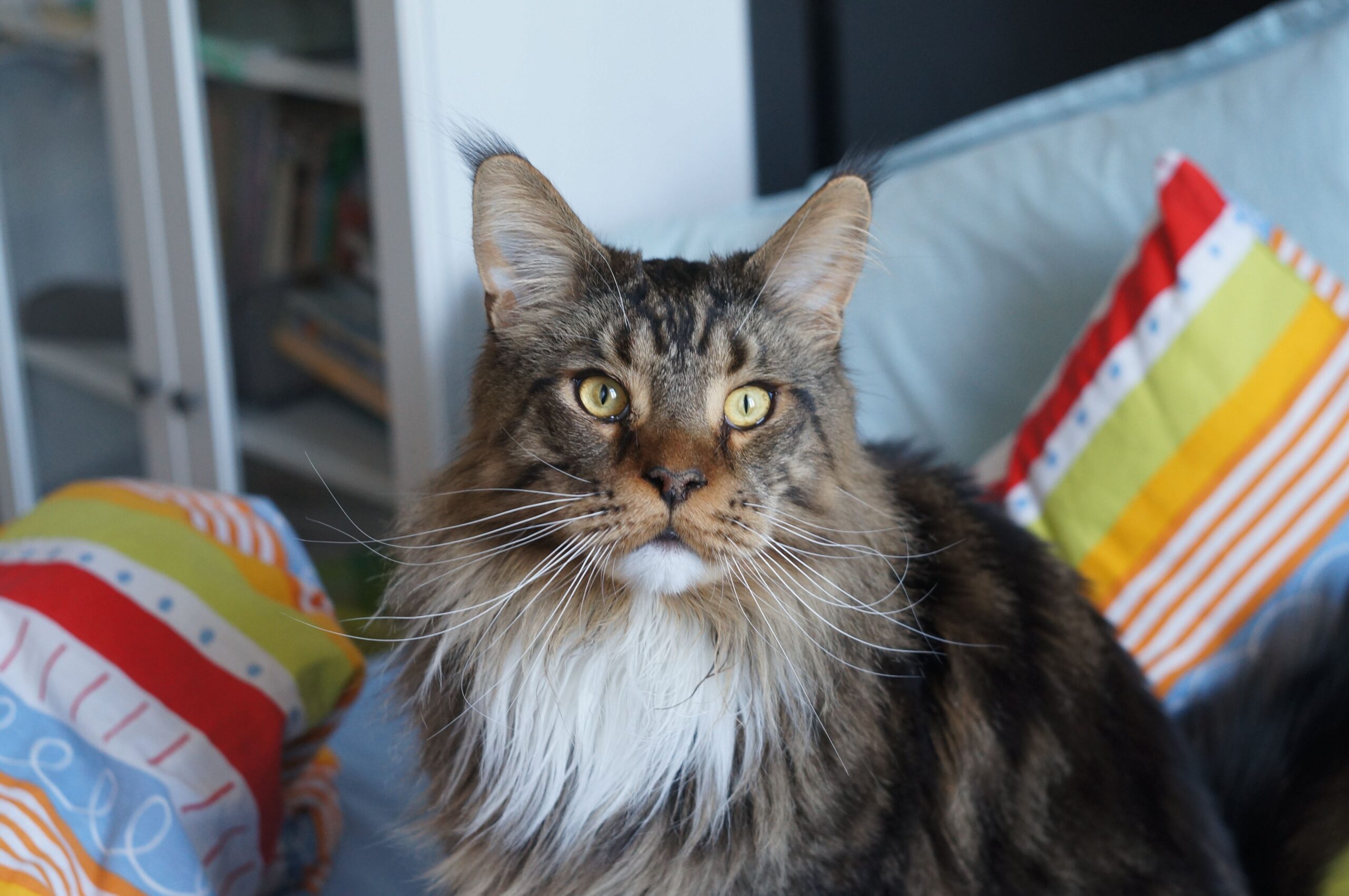
Maine Coon
Both are large and family-friendly. Maine Coons are more active and vocal, while Ragdolls are calmer and more laid-back, happiest following you around.
Read more about Maine Coons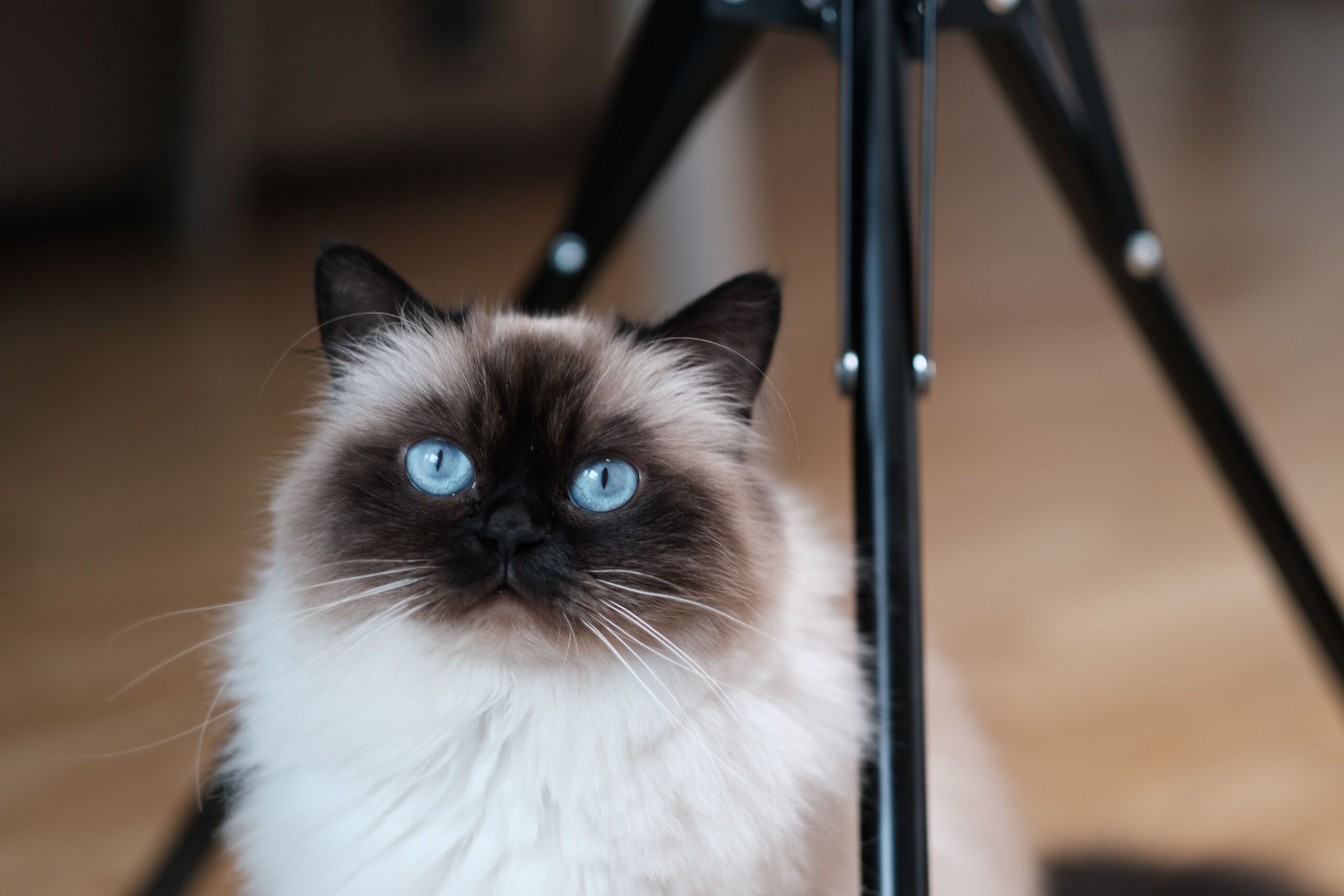
Himalayan
Both are calm, blue-eyed, and built for cuddles. Himalayans are slightly more independent and need significantly more grooming. Ragdolls are more social and easier to maintain.
Read more Himalayans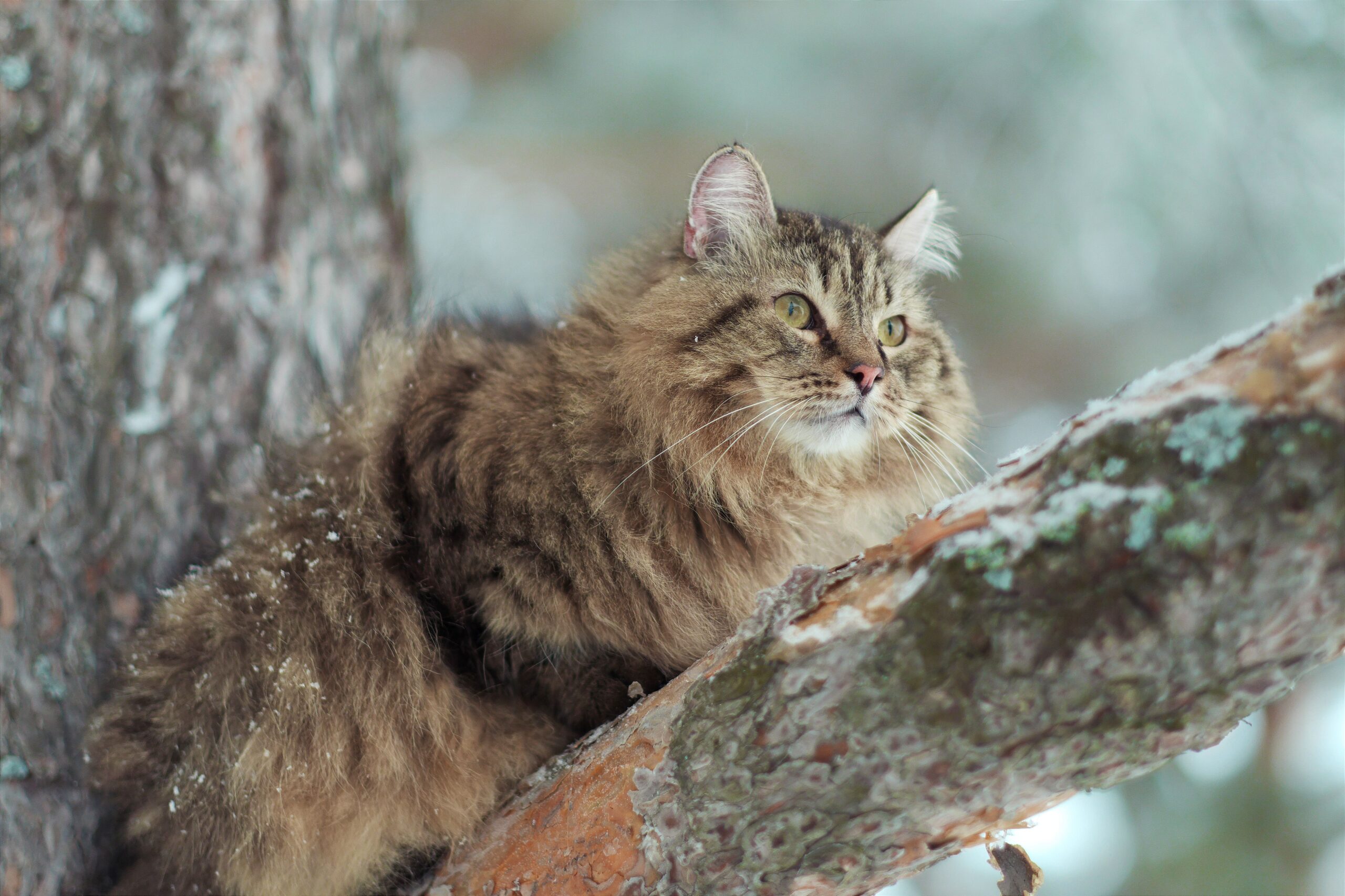
Siberian
Both are large, longhaired, and affectionate. Siberians are more energetic and independent. Ragdolls are gentler and more people-dependent, rarely happy to be left alone for long.
Read more about SiberiansIs a Ragdoll right for you?
If you’ve made it this far, you already know a Ragdoll isn’t just a cat. It’s a companion that follows you around, greets you at the door, and takes up permanent residence on your lap. That kind of bond is worth protecting. Whether you’re picking your kitten up next week or just starting to think about it, pet insurance is the one thing worth sorting out early. Get a quote today, and focus on the bond, not the bills.
Ragdoll FAQs
Are Ragdolls good indoor cats?
Yes, and they’re really not built for anything else. Ragdolls are trusting to a fault, which makes them vulnerable outdoors. They don’t have the street smarts to navigate traffic, other animals, or strangers the way a more independent breed might. Keep them inside, give them a window perch and something to climb, and they’ll never miss it.
Do Ragdolls get along with kids and other pets?
Generally, yes. Ragdolls are one of the most tolerant cat breeds around. They’re patient with kids, adaptable around other cats, and often surprisingly comfortable with calm dogs. The key word is calm. They’re not a great match for chaotic, high-energy households.
How long do Ragdolls live?
Most Ragdolls live between 12 and 17 years. Getting to the higher end of that range comes down to regular vet visits, cardiac screening, a good diet, and keeping them indoors. HCM is the condition most likely to affect lifespan in this breed, which is why annual echocardiograms are worth building into your routine early.
Do Ragdolls shed a lot?
More than you’d expect for a cat that looks this fluffy, but less than a truly heavy shedder. Brushing two to three times a week keeps it manageable. Expect more shedding during seasonal transitions, and keep a lint roller handy. It’s just part of the deal.
Are Ragdolls high maintenance?
Not really. They need regular brushing, consistent company, and routine vet care, but they’re not a demanding breed by any stretch. The one thing they do need is your presence. If you’re home often and can give them regular attention, a Ragdoll is one of the easiest cats you can own.
Insurance claim data figures reflect approved accident and illness claims filed by Lemonade Pet policyholders over the trailing 12 months as of June 2026. They are averages across Lemonade’s insured population for this breed, not predictions of future claims or reimbursement for any individual pet. Actual payouts depend on your policy’s limit, deductible, co-insurance, waiting periods, and exclusions, and may not reflect the broader breed population or other insurers’ experience. Coverage is not available in every state. Please let me know what you think, thank you! A few quick words, because we <3 our lawyers: This post is general in nature, and any statement in it doesn’t alter the terms, conditions, exclusions, or limitations of the policies issued, which differ according to your state of residence. You’re encouraged to discuss your specific circumstances with your own professional advisors. The purpose of this post is merely to provide you with info and insights you can use to make such discussions more productive! Naturally, all comments by, or references to, third parties represent their own views, and Lemonade assumes no responsibility for them. Coverage may not be available in all states. Please note that statements about coverages, policy management, claims processes, Giveback, and customer support apply to policies underwritten by Lemonade Insurance Company or Metromile Insurance Company, a Lemonade company, sold by Lemonade Insurance Agency, LLC. The statements do not apply to policies underwritten by other carriers. Insurance claim data figures reflect approved accident and illness claims filed by Lemonade Pet policyholders over the trailing 12 months as of June 2026. They are averages across Lemonade’s insured population for this breed, not predictions of future claims or reimbursement for any individual pet. Actual payouts depend on your policy’s limit, deductible, co-insurance, waiting periods, and exclusions, and may not reflect the broader breed population or other insurers’ experience. Average insurance premium data is based on Lemonade’s internal data and reflects the average premium over the last 12 complete months, accurate as of June 2026. Top pet names are sourced from Lemonade’s database of pet names associated with submitted quotes and purchased policies. Top states for each breed are based on the number of active Lemonade pet insurance policies for that breed in each state as of June 2026.