
The Vet's Guide to Reducing Financial Stress in the Exam Room
A practical guide for veterinarians on when and how to naturally discuss pet insurance with clients.

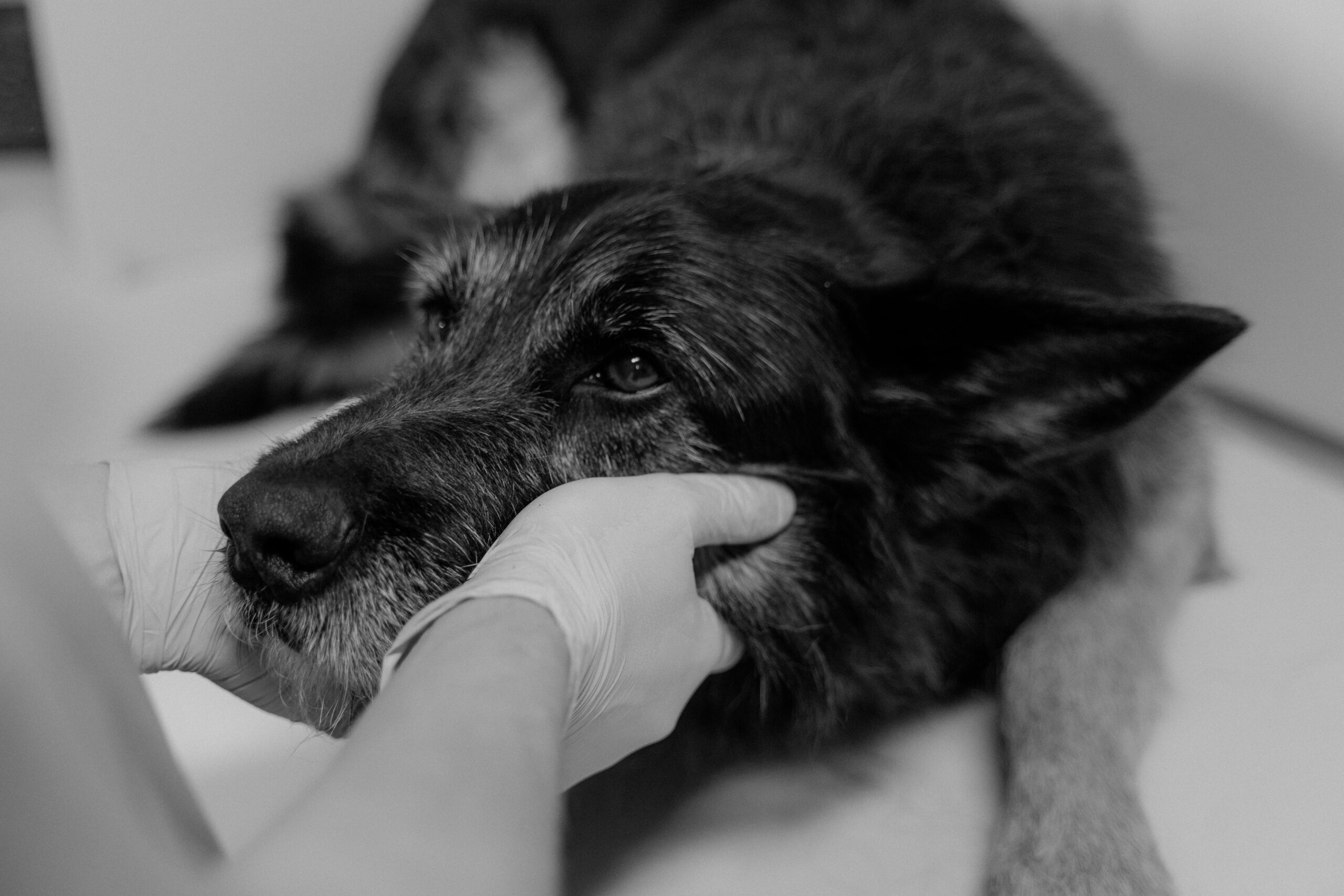
A practical guide for veterinarians on when and how to naturally discuss pet insurance with clients.
You’re examining Rocco, a bouncy 8-week-old Golden Retriever puppy, for his first wellness visit. His new family is asking all the right questions about nutrition, training, and future healthcare. This is the perfect moment for a conversation that could transform how they approach Rocco’s healthcare for the next 12-15 years.
The key to successful pet insurance conversations isn’t memorizing scripts, it’s understanding why certain moments create natural opportunities and having the confidence to explain insurance benefits as part of your medical care.
Puppies and kittens are great candidates for insurance because they have clean medical records with no pre-existing conditions. An 8-week-old puppy qualifies for coverage that includes hip dysplasia, heart conditions, cancer, and behavioral issues: coverage that becomes impossible once any symptoms appear.
Your conversation opener: “Luna’s looking perfect—completely healthy. This is actually the ideal time to discuss insurance because she qualifies for comprehensive coverage. Once pets develop any health issues, those become pre-existing conditions that won’t be covered by future policies.”
Certain breeds have predictable health challenges that make early insurance conversations essential medical advice.
Large breed dogs like German Shepherds and Golden Retrievers face hip dysplasia risks that typically emerge between 6 months and 3 years. Your approach: “German Shepherds can develop hip and joint problems as they mature. Getting insurance now, while Kaiser’s joints are perfect, means those breed-related issues would be fully covered if they ever develop.”
Pets who’ve recovered completely from isolated incidents present excellent insurance discussion opportunities. A puppy who jumped off the couch and broke his leg, then healed completely, can still get full coverage for future orthopedic issues because the accident is resolved and unrelated to other potential conditions.
The teaching moment after a puppy recovers from a broken leg: “I’m so glad Max healed perfectly from that fracture. This experience probably showed you how quickly vet costs can add up. Since he’s completely recovered, he still qualifies for full insurance coverage, and now you understand why being prepared makes sense.”
Think of pet insurance like car insurance. You hope you never need it, but when accidents happen, you’re grateful it’s there. Here’s what you need to understand to explain it clearly.
Pet insurance is much simpler than human health insurance. The process is straightforward:
| Typically covered | Usually not covered |
|---|---|
| Accidents & illnesses | Routine wellness (with the exception of a preventative care package) |
| Diagnostics | Pre-existing conditions |
| Procedures | Elective procedures |
| Prescription medications | Cosmetic procedures |
| Emergency care | Conditions related to breeding |
| Hereditary conditions like hip dysplasia | Grooming |
| Specialist care and referrals |
Most clients think insurance math is complicated, but it’s actually pretty straightforward. Here’s an example of how it works at Lemonade, using ACL surgery costing $4,500, with an insurance policy that has 80% coverage and a $250 deductible:
Common coverage options range from 70-90% reimbursement with deductibles from $100-1,000. Most clients choose 80% coverage with a $250-500 deductible for the best balance of coverage and affordability.
This is the most important concept to understand: Any health problem that shows signs before insurance starts won’t be covered. However, there’s an important distinction between different types of pre-existing conditions.
Curable vs. incurable pre-existing conditions:
Here’s why timing matters:
The “bilateral condition” impact: If a dog gets insurance and has pre-existing hip dysplasia in one hip, the other hip would also be excluded from coverage since insurance companies typically consider bilateral conditions (affecting both sides of the body) as related. That’s why getting coverage before any symptoms appear is crucial for comprehensive protection.
Curable condition example: A dog treated for an ear infection before getting insurance might have ear infections covered again after 12 months of being symptom-free, but chronic ear problems or underlying allergies causing repeated infections would remain excluded.
All pet insurance has waiting periods before coverage starts. Here’s how it works at Lemonade:
If a puppy shows limping during the waiting period, any related orthopedic problems become pre-existing even though the policy was purchased before symptoms appeared.

While insurance is valuable for many pets, it’s not always the best financial solution. Understanding these situations helps you provide balanced advice.
A 10-year-old dog with arthritis, heart disease, and chronic skin allergies will face significant exclusions and high premiums. Most conditions become pre-existing, limiting coverage value.
Your approach: “Given Buddy’s age and existing conditions, insurance may not provide the coverage value you’re looking for. Let’s focus on other ways to manage his ongoing care costs, like prescription discount programs and wellness plans.”
When pets need treatment right away, insurance won’t help due to waiting periods. Whether it’s a senior cat needing dental surgery next month or an emergency foreign body ingestion, insurance requires advance planning to be effective.
Be honest: “Insurance typically isn’t helpful for immediate needs due to waiting periods. Let’s talk about payment plans and other options to make this care manageable right now.”
If monthly premiums strain a client’s budget, insurance adds stress rather than relief. A family struggling to afford monthly premiums may be better served by payment plans or modified treatment approaches.
Your guidance: “If monthly insurance payments would be challenging, let’s explore other options. We have payment plans and can discuss phased treatment approaches that work better with your current situation.”
Even when you explain insurance benefits clearly, clients often have predictable objections. Here’s how to address the most common ones:
“Insurance is too expensive”: “Most comprehensive policies cost $30-60 monthly—about what many spend on premium dog food. Unlike food, insurance can save thousands on a single incident, turning unpredictable large expenses into predictable monthly payments.”
“My pet is healthy”: “That’s exactly why insurance makes sense now. Healthy pets get the best coverage because nothing’s pre-existing. Insurance gives you freedom to say yes to whatever care might be needed without financial stress.”
“I’ll just save money”: “Saving is great for routine care, but ACL surgery costs $4,500, cancer treatment averages $8,000-12,000. Insurance pools that risk, so instead of potentially facing these expenses alone, you have predictable monthly costs.”
Clients with insurance approve recommended treatments more often. They pursue diagnostics, follow through with specialist referrals, and complete prescribed treatments because cost isn’t the primary barrier.
Emergency situations become less stressful when families have insurance, you can focus on medical care instead of payment discussions. Insurance creates a partnership approach to healthcare where clients work with you to provide optimal care rather than feeling defensive about costs.
You’re not selling insurance, you’re providing medical advice about healthcare preparation. When positioned correctly, insurance discussions feel like natural extensions of comprehensive healthcare planning.
Every insurance conversation during a wellness visit potentially prevents a difficult financial discussion during an emergency. That’s preventive medicine for your clients’ financial health and your patients’ future care quality.
A few quick words, because we <3 our lawyers: This post is general in nature, and any statement in it doesn’t alter the terms, conditions, exclusions, or limitations of policies issued by Lemonade, which differ according to your state of residence. You’re encouraged to discuss your specific circumstances with your own professional advisors. The purpose of this post is merely to provide you with info and insights you can use to make such discussions more productive! Naturally, all comments by, or references to, third parties represent their own views, and Lemonade assumes no responsibility for them. Coverage and discounts may not be available in all states.
Share


Please note: Lemonade articles and other editorial content are meant for educational purposes only, and should not be relied upon instead of professional legal, insurance or financial advice. The content of these educational articles does not alter the terms, conditions, exclusions, or limitations of policies issued by Lemonade, which differ according to your state of residence. While we regularly review previously published content to ensure it is accurate and up-to-date, there may be instances in which legal conditions or policy details have changed since publication. Any hypothetical examples used in Lemonade editorial content are purely expositional. Hypothetical examples do not alter or bind Lemonade to any application of your insurance policy to the particular facts and circumstances of any actual claim.