
Does Your Cat Have Feline Stomatitis?
Pawing at the mouth, drooling, refusing to eat. Here's what feline stomatitis looks like and what helps.

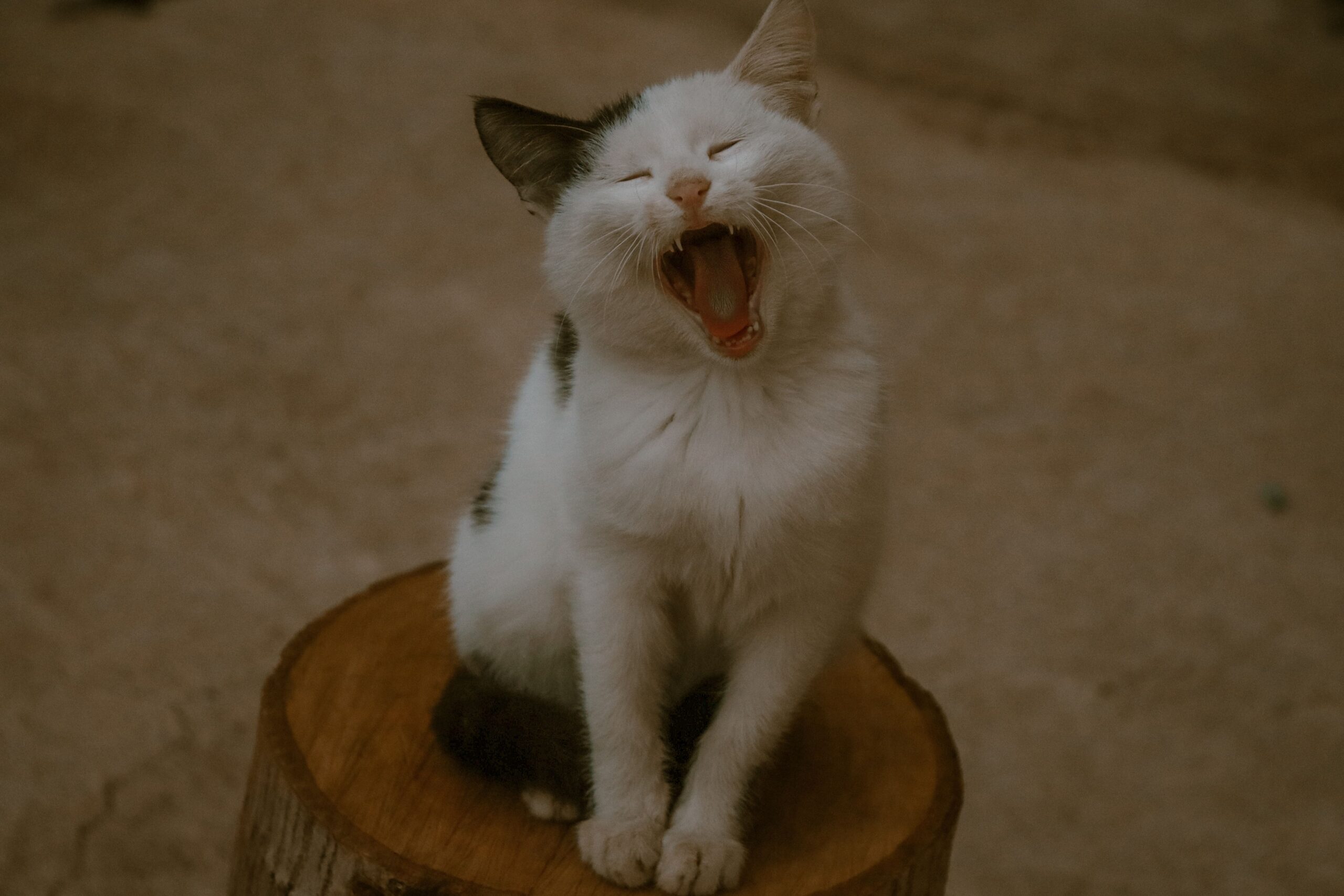
Pawing at the mouth, drooling, refusing to eat. Here's what feline stomatitis looks like and what helps.
If your cat has been pawing at their mouth, drooling more than usual, or refusing to eat, you’re probably worried. Those signs can point to a lot of things, but one of the more serious possibilities is feline stomatitis, also called feline chronic gingivostomatitis (FCGS). It’s one of the most painful mouth conditions a cat can develop, and it deserves a straight answer about what it is, what to expect, and what you can actually do about it.
The good news: there are real treatment options, and most cats do significantly better after the right care. Here’s everything you need to know.
 TL;DR
TL;DR
Gingivitis is inflammation of the gums (the gingiva) only. It’s common, it’s reversible with good dental care, and most cats with gingivitis respond well to a professional dental cleaning and regular plaque management at home.
Stomatitis is a different animal entirely. The word literally means inflammation of the mouth, and in cats with FCGS, that inflammation spreads far beyond the gum line. It affects the tissue along the back of the throat, the roof of the mouth, the tongue, and the insides of the cheeks. The immune system essentially turns on the mouth itself, often triggered by a reaction to plaque on the teeth. The result is raw, ulcerated tissue (mouth ulcers) that makes eating, grooming, and even closing the mouth genuinely painful.
Think of gingivitis as a bad sunburn on your gums. Stomatitis is more like that sunburn spreading to cover your entire mouth and throat, and not healing on its own.
Because the pain is so intense, cats with stomatitis tend to show it in their behavior before you can see anything in their mouth. Watch for:
If your cat is showing several of these at once, don’t wait on a vet appointment. This level of oral inflammation causes real, constant pain.
The exact cause isn’t fully understood, but researchers believe FCGS develops when a cat’s immune system overreacts to plaque on the teeth. Instead of fighting the bacteria in the plaque normally, the immune system launches an attack that ends up damaging the mouth’s own tissue.
Certain viral infections are also strongly associated with stomatitis, including:
That said, plenty of cats with stomatitis test negative for all three. Age, genetics, and overall immune health all seem to play a role too. Stomatitis is not contagious from cat to cat on its own, though the viral infections associated with it (like calicivirus and FIV) can be transmitted between cats.
Your vet will start with a thorough oral exam to look at the extent of the inflammation and rule out other causes like tooth resorption (where a tooth essentially dissolves from the inside out) or oral tumors. From there, expect:
The diagnosis process usually requires your cat to be under anesthesia, so it often happens at the same appointment as treatment.
There’s no single medication that cures stomatitis, and this is where it gets hard: the most effective treatment is tooth extraction.
Removing all or most of the teeth eliminates the plaque that’s triggering the immune response. Studies show that full-mouth extraction resolves or significantly improves symptoms in roughly two-thirds to three-quarters of cats. Partial extraction (removing just the back teeth, which tend to accumulate more plaque) works for many cats and may be tried first depending on how severe the inflammation is.
Before or after surgery, your vet may use medications to manage pain and reduce inflammation. Common options include corticosteroids (anti-inflammatory steroids) and cyclosporine, an immune-suppressing drug that dials down the overactive immune response. These can bring temporary relief, but they rarely resolve stomatitis on their own and aren’t a long-term substitute for extraction in most cats.
Regular professional dental cleanings can help slow progression in mild cases, but once FCGS is established, cleaning alone isn’t usually enough.
A lot of owners are nervous about this part. Here’s what actually happens, in plain terms.
The first two weeks
Your cat comes home with pain medication and possibly antibiotics. Their mouth will be tender, so you’ll feed them soft or wet food for a while. Some cats feel better within a few days. Others need the full two weeks. Just follow your vet’s instructions, keep the food soft, and don’t skip the follow-up appointment.
Weeks two through six
This is usually when owners start to see a real difference. The inflammation calms down, appetite comes back, and many cats start acting like themselves again, sometimes more playful and affectionate than they’ve been in months. That’s what happens when constant pain finally goes away.
Life without teeth
This surprises a lot of people: cats do just fine without teeth. They don’t chew the way we do. They mostly use their teeth to grip and tear, and once those are gone, most cats figure out how to eat kibble by gumming it. Wet food is always an easy go-to if needed, but most cats don’t need a special diet long-term. Ask your vet what works best for your cat.
For cats who respond to the surgery, which is most of them, the outlook is really good. A pain-free life, normal appetite, normal energy. Stomatitis doesn’t shorten a cat’s life when it’s properly treated.
There’s no guaranteed way to prevent FCGS, especially since the immune component isn’t fully understood. But you can lower the risk by keeping plaque levels in check:
Yes, but coverage depends on what’s causing the stomatitis and which add-ons you have. Here’s how it works in plain terms.
If the stomatitis is immune-mediated (meaning the immune system is driving it), it may be covered under Lemonade Pet’s base accident and illness policy, as long as it isn’t pre-existing and develops after your 14-day illness waiting period. No dental add-on needed for this type.
If the stomatitis is caused by periodontal disease, you’ll need one of Lemonade Pet’s dental add-ons. Which one is available to you depends on your state, but here’s how they compare:
Dental Care add-on: The most comprehensive option. Covers dental illness treatment and routine cleanings, with no deductible. Uniquely, it also covers pre-existing dental conditions, and coverage for dental conditions starts the day after your policy is purchased with no waiting period. Only available to add while your cat is between 0 and 3 years old.
Dental Illness add-on: Covers treatments and diagnostics related to dental illness, including extractions and dental cleanings. Pre-existing dental conditions are not covered, and a deductible applies.
Feline stomatitis is a hard diagnosis to hear, especially because your cat can’t tell you how much pain they’re in. But the fact that you’re here, looking into it, means you’re already doing the right thing. The treatment path is clear, the success rate is high, and most cats come out the other side feeling genuinely better than they have in years. If your cat is showing symptoms, get them to a vet who can take a proper look. The sooner stomatitis is diagnosed, the more options you have.
And if you don’t have pet insurance yet, it’s a good time to look into what Lemonade covers.
Stomatitis itself isn’t contagious, but some of the viruses associated with it, like feline calicivirus and FIV, can spread between cats. If your cat has been diagnosed, let your vet know if you have other cats at home.
For most cats, full-mouth or partial-mouth tooth extraction resolves or significantly improves symptoms, with roughly a 90% success rate. A small percentage of cats need ongoing medication, but the condition is very manageable for the majority.
Stomatitis doesn’t shorten a cat’s life expectancy when it’s properly treated. Cats who have full-mouth extractions typically go on to live normal, healthy lives with a good quality of life.
Most cats need soft food and pain medication for the first two weeks post-surgery. By weeks two to six, many owners notice significant improvement in energy, appetite, and behavior. Most cats adapt well to eating without teeth and can often return to dry kibble over time.
Not always. Bad breath can be caused by simple plaque buildup, gingivitis, kidney disease, or other conditions. But if bad breath comes with drooling, weight loss, or reluctance to eat, it’s worth getting a vet’s opinion quickly.
A few quick words, because we <3 our lawyers: This post is general in nature, and any statement in it doesn’t alter the terms, conditions, exclusions, or limitations of the policies issued, which differ according to your state of residence. You’re encouraged to discuss your specific circumstances with your own professional advisors. The purpose of this post is merely to provide you with info and insights you can use to make such discussions more productive! Naturally, all comments by, or references to, third parties represent their own views, and Lemonade assumes no responsibility for them. Coverage may not be available in all states. Please note that statements about coverages, policy management, claims processes, Giveback, and customer support apply to policies underwritten by Lemonade Insurance Company or Metromile Insurance Company, a Lemonade company, sold by Lemonade Insurance Agency, LLC. The statements do not apply to policies underwritten by other carriers.
Please note: Lemonade articles and other editorial content are meant for educational purposes only, and should not be relied upon instead of professional legal, insurance or financial advice. The content of these educational articles does not alter the terms, conditions, exclusions, or limitations of policies issued by Lemonade, which differ according to your state of residence. While we regularly review previously published content to ensure it is accurate and up-to-date, there may be instances in which legal conditions or policy details have changed since publication. Any hypothetical examples used in Lemonade editorial content are purely expositional. Hypothetical examples do not alter or bind Lemonade to any application of your insurance policy to the particular facts and circumstances of any actual claim.