
What is Vacuolar Hepatopathy in Dogs?
High ALP, increased thirst, and a pot-bellied look. Here's what vacuolar hepatopathy means and what causes it.

High ALP, increased thirst, and a pot-bellied look. Here's what vacuolar hepatopathy means and what causes it.
If your vet mentioned vacuolar hepatopathy after bloodwork or a biopsy, here’s what that actually means: it’s a change in your dog’s liver cells, where they fill up with stored sugar or fluid and start to function less efficiently. It’s not really a disease on its own. It’s a reaction, which means the most important question isn’t just whether your dog has it, but what’s causing it. That’s what this guide will help you figure out, and how to prepare for the conversations ahead with your vet.
 TL;DR
TL;DR
Vacuolar hepatopathy is what happens when liver cells accumulate too much glycogen or fluid inside them, causing them to swell and work less efficiently. Under a microscope, the cells look bloated and pale, full of tiny bubbles of stored material.
There are two main versions: glycogen hepatopathy, where cells are packed with excess glycogen, and steroid hepatopathy, where it’s driven by high levels of corticosteroids. Both fall under the vacuolar hepatopathy umbrella, and both point back to the same question: why is the liver reacting this way?
VH is almost always caused by something else going on in the body. The most common triggers include:
This is where VH gets tricky: many dogs show no obvious symptoms at all. The condition is often caught incidentally on routine bloodwork. When signs do appear, they tend to be vague:
If your dog has been drinking more water than usual, panting without obvious reason, or just seems off, and their bloodwork shows high ALP, that combination is worth investigating.
Diagnosing VH is a process, not a single test. Your vet will likely work through several steps:
| Test | What it’s looking for |
|---|---|
| Bloodwork | A full chemistry panel checking liver enzymes, particularly ALP, along with cortisol-related markers and blood glucose |
| Urinalysis | Rules out other causes of increased thirst and urination, and checks kidney function |
| Abdominal ultrasound | Lets the vet look at the liver’s size and texture without surgery. An enlarged or unusually bright liver often points toward VH, and the imaging can also check the adrenal glands for signs of Cushing’s disease |
| Hormone testing | If Cushing’s is suspected, your vet may run a low-dose dexamethasone suppression test or an ACTH stimulation test, both of which measure how the body regulates cortisol |
| Liver biopsy | The only way to definitively confirm VH and distinguish between types. A small tissue sample is examined under a microscope to get the clearest picture of what’s happening at the cellular level |
Before your appointment, go through this checklist. The more context you can bring, the faster the investigation moves.
Write down every medication your dog is currently on or has taken in the past year, including ear drops, eye drops, skin creams, and joint supplements. Note the dose, frequency, and how long the medication was used. Ask your vet whether tapering or stopping it could reduce the liver changes.
Track symptoms before your visit: how often is your dog drinking and urinating, is the panting happening at rest or just after exercise, and is the belly visibly rounder? Note any skin or coat changes like hair thinning or slow wound healing. Ask your vet whether hormone testing should happen before a biopsy.
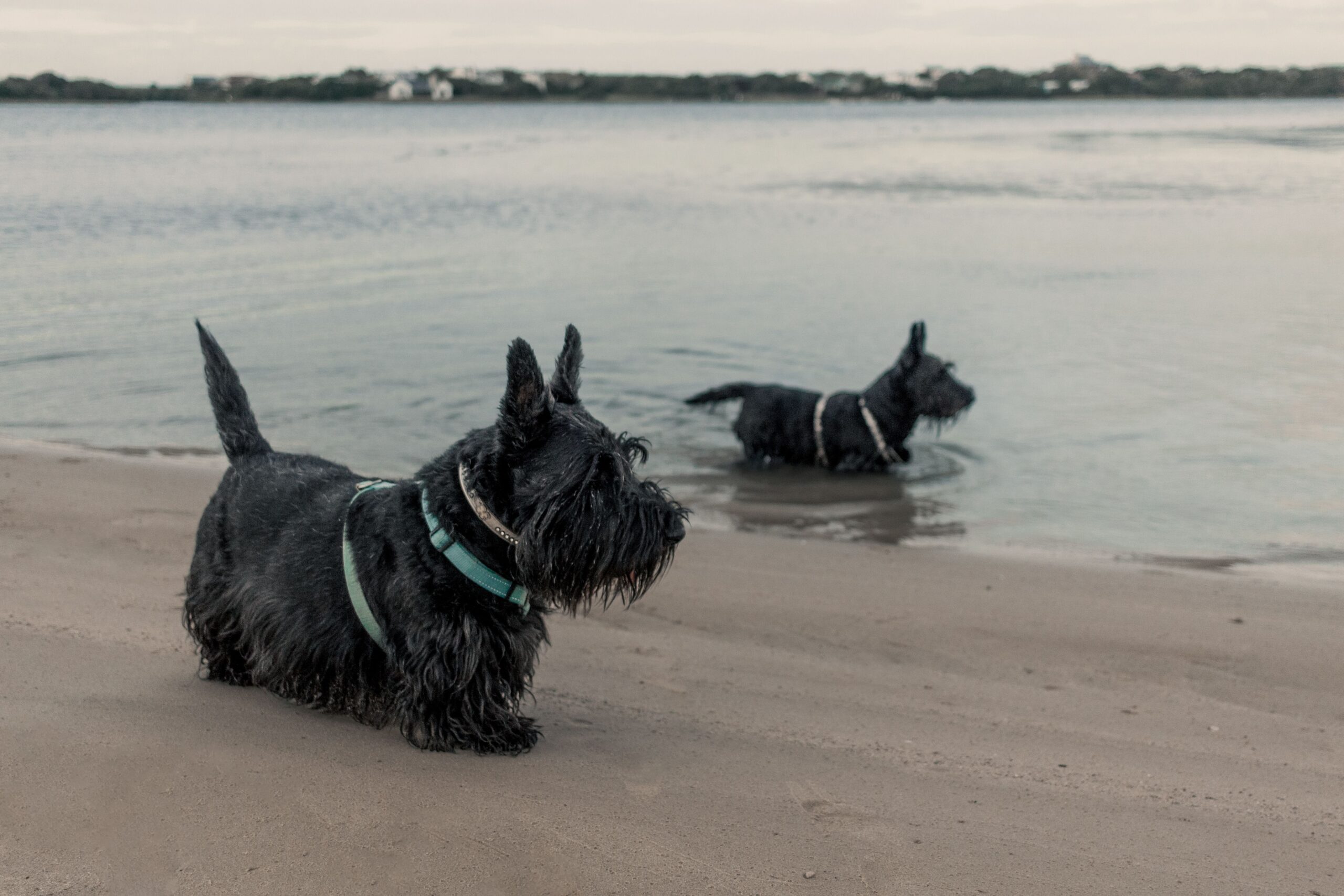
Mention the breed specifically when discussing VH. Idiopathic vacuolar hepatopathy in Scottish Terriers is a recognized pattern, and your vet may want to monitor differently, including screening for bladder cancer given the known association.
There’s no single treatment for VH itself. The goal is to treat the underlying cause, and the liver often improves significantly once the trigger is addressed.
Yes, vacuolar hepatopathy is eligible for coverage under a Lemonade Pet accident and illness policy, as long as the condition isn’t pre-existing. That means your dog shouldn’t be showing any signs or symptoms before your policy starts or during your waiting period.
Getting to a diagnosis takes work and money. Between bloodwork, an ultrasound, testing, and possibly a liver biopsy, the workup alone can run into the hundreds or thousands of dollars before treatment even begins. Getting coverage in place while your dog is healthy is what makes it actually useful when you need it.
A vacuolar hepatopathy diagnosis can feel alarming, especially when the cause isn’t immediately clear. But for most dogs, VH is manageable and often reversible once the underlying trigger is identified and addressed. The liver is remarkably resilient. Come to your vet appointment prepared with the details that matter, medications, symptoms, and timeline, and don’t hesitate to ask for the full picture. You’re your dog’s best advocate in that exam room.
It depends on the cause. VH itself is a liver cell change, not a primary disease, and many dogs do well once the underlying trigger is treated. However, if it’s caused by Cushing’s disease or another significant condition, getting that diagnosed and managed promptly does matter.
If the underlying cause is removed, like stopping a corticosteroid medication, the liver often improves significantly over weeks to months. Without addressing the root cause, the changes tend to persist.
Elevated ALP (alkaline phosphatase) is one of the most common signs of vacuolar hepatopathy, and it’s also a hallmark of Cushing’s disease. High ALP alone doesn’t give the full picture, your vet will use it alongside other tests to figure out what’s driving it.
Yes, Scottish Terriers are known to develop an idiopathic form of VH, meaning it appears without an obvious cause. This breed-specific pattern is worth discussing with your vet, as it may require a slightly different monitoring approach.
Dietary changes aren’t always necessary, but your vet may recommend a liver-supportive diet in some cases. Always check before changing your dog’s food or adding supplements, what helps in one situation may not be appropriate in another.
A few quick words, because we <3 our lawyers: This post is general in nature, and any statement in it doesn’t alter the terms, conditions, exclusions, or limitations of the policies issued, which differ according to your state of residence. You’re encouraged to discuss your specific circumstances with your own professional advisors. The purpose of this post is merely to provide you with info and insights you can use to make such discussions more productive! Naturally, all comments by, or references to, third parties represent their own views, and Lemonade assumes no responsibility for them. Coverage may not be available in all states. Please note that statements about coverages, policy management, claims processes, Giveback, and customer support apply to policies underwritten by Lemonade Insurance Company or Metromile Insurance Company, a Lemonade company, sold by Lemonade Insurance Agency, LLC. The statements do not apply to policies underwritten by other carriers.
Please note: Lemonade articles and other editorial content are meant for educational purposes only, and should not be relied upon instead of professional legal, insurance or financial advice. The content of these educational articles does not alter the terms, conditions, exclusions, or limitations of policies issued by Lemonade, which differ according to your state of residence. While we regularly review previously published content to ensure it is accurate and up-to-date, there may be instances in which legal conditions or policy details have changed since publication. Any hypothetical examples used in Lemonade editorial content are purely expositional. Hypothetical examples do not alter or bind Lemonade to any application of your insurance policy to the particular facts and circumstances of any actual claim.