
Whipworms in Dogs: Symptoms, Treatment & Reinfection
Signs, diagnosis, and treatment options.

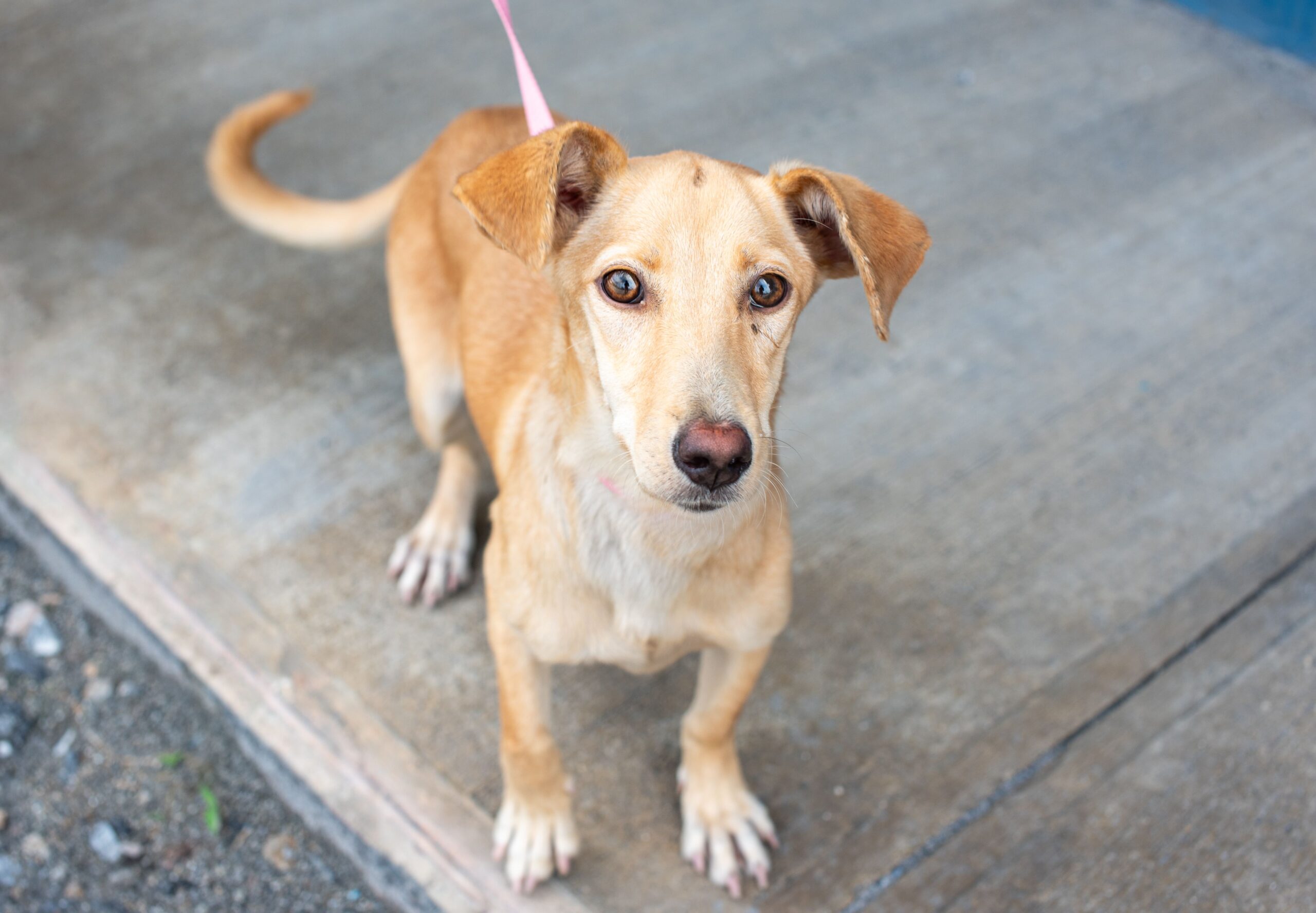
Signs, diagnosis, and treatment options.
If your dog has been dealing with bloody diarrhea, straining to go, or dropping weight without an obvious reason, whipworms might be the culprit. These intestinal parasites are easy to miss, tricky to diagnose, and stubborn enough to come back even after treatment.
 TL;DR
TL;DR
Whipworms get their name from their shape: a thick rear end tapering into a thin, whip-like front. They’re one of the most common intestinal parasites in dogs in the U.S., but they often fly under the radar because infections can look a lot like other digestive problems.
Once your dog swallows whipworm eggs from contaminated soil, grass, or water, those eggs travel to the large intestine and cecum, where they hatch and mature. Adult worms embed themselves into the intestinal wall, causing ongoing irritation, inflammation, and bleeding. That process, from egg to egg-laying adult, takes about 74 to 90 days, which is a long time before any diagnostic test can even confirm an infection.
Dogs pick up whipworm infections by ingesting microscopic eggs in the environment. This happens more easily than you’d think: sniffing contaminated soil, licking paws after a walk, drinking from a shared water bowl, or eating grass in an infected yard.
What makes the whipworm lifecycle especially challenging is how long those eggs can survive outside a host. Whipworm eggs are incredibly hardy, persisting in soil for up to 5 years under the right conditions. That means a yard where an infected dog played years ago can still be a source of reinfection today. Warm, moist environments speed up egg development; dry conditions slow it down significantly, though they don’t always eliminate the threat entirely.
Symptoms range from mild to severe depending on how many worms are present. A light infection might cause nothing obvious at first. A heavy one can seriously impact your dog’s quality of life.
Your dog can have whipworms and still test negative. That’s not a lab error. It’s the whipworm incubation period at work.
The standard test is called fecal flotation, sometimes with centrifugation, where a spin process helps separate eggs from stool. The vet takes a small stool sample, processes it, and looks for whipworm eggs under a microscope. The problem is that adult worms don’t start releasing eggs until 74 to 90 days after infection. If your dog swallowed eggs six weeks ago, there are no eggs in the stool yet, and the test comes back negative, even though the worms are already living in the large intestine. Whipworm eggs are also dense and shed intermittently in low numbers, which makes them particularly easy to miss.
In some cases, your vet may also recommend a fecal antigen test (a different kind of lab test that looks for proteins from the parasite rather than eggs), which can help identify infections that fecal flotation misses.
This is why vets sometimes treat for whipworms based on symptoms alone, even with a negative fecal test. If your dog has classic signs and no other explanation, a negative result doesn’t rule whipworms out.
Your vet will likely run a fecal flotation test and may also do bloodwork to check for anemia or electrolyte imbalances. In more serious cases, they might recommend imaging or additional testing. If whipworms are suspected based on clinical signs, treatment may begin before a confirmed positive test comes back.
Your vet will likely run a fecal flotation test, and may also do bloodwork to check for anemia or electrolyte imbalances. In more serious cases, they might recommend imaging or additional testing. If whipworms are suspected based on clinical signs, treatment may begin before a confirmed positive test comes back.
Treatment for whipworms typically involves a deworming medication. The most commonly used options are fenbendazole (a broad-spectrum dewormer often sold under the brand name Panacur) and febantel-based combination products. Milbemycin and moxidectin are also FDA-approved options your vet may consider. Your vet will recommend the right one based on your dog’s size, health, and the severity of the infection.
The typical protocol:
It’s important to understand that deworming doesn’t protect against reinfection. Once treatment ends, your dog is just as susceptible as before if they’re going back to the same environment.
This is the part most articles gloss over, and the part that frustrates dog owners the most. You do everything right, complete the full 3-month protocol, get a negative fecal test, and then a few months later your dog is sick again.
Whipworm reinfection is extremely common, and it comes down to two things: the environment and the lifecycle.
Because of this, many vets recommend quarterly (every 3 months) preventive deworming for 1 to 2 years after a whipworm diagnosis, especially if the dog lives in or frequently visits a known contaminated environment. This ongoing protocol keeps adult worm populations from building up enough to cause symptoms, even if reinfection from the soil happens repeatedly.
Completely decontaminating an outdoor area is nearly impossible for most owners. Replacing soil or using a concrete surface in a high-traffic dog area can reduce (but not eliminate) environmental persistence of whipworm eggs. Promptly picking up stool is also important, since it reduces the number of new eggs deposited in the environment.
Most whipworm infections are manageable when caught and treated. Leaving them untreated, or not fully completing the treatment protocol, can lead to more serious problems.
Anemia: Chronic blood loss from the intestinal lining can lead to anemia, where the body doesn’t have enough healthy red blood cells to function properly. Signs include pale gums, weakness, and rapid breathing.
Electrolyte imbalances: Severe, ongoing diarrhea from heavy whipworm infections can disrupt sodium and potassium levels in a way that mimics Addison’s disease, affecting heart and muscle function if left untreated.
Intussusception: In serious cases, severe intestinal inflammation can cause a portion of the intestine to fold in on itself. This is a surgical emergency and, while rare, it’s associated with heavy parasite loads and persistent bowel inflammation.
Malnutrition and weight loss: A heavily infected intestine struggles to absorb nutrients properly, leading to ongoing weight loss even with normal eating.
You can’t fully guarantee your dog will never pick up whipworms, especially if they spend time outdoors in shared spaces. But you can lower the risk significantly:
Treating whipworms isn’t always a quick, one-time expense. Between repeated fecal flotation tests, monthly deworming medication across a 3-month protocol, follow-up vet visits, and the potential for ongoing preventive treatment, costs can add up in a way most owners don’t expect going in.
If your dog develops a whipworm infection after your Lemonade Pet policy is active, a base accident and illness policy can help cover eligible costs for the active infection, including diagnostic fecal testing, deworming prescribed as treatment, vet visits, and complications like anemia. This coverage applies as long as the condition isn’t pre-existing and develops after the 14-day illness waiting period has passed.
One important distinction: the quarterly preventive deworming your vet may recommend for 1 to 2 years after the infection is cleared is considered routine wellness care and isn’t covered under the base policy. That falls under a Preventative Care add-on, which is worth looking into if ongoing parasite prevention is part of your dog’s plan.
The key is having coverage in place before something comes up. Once a condition is diagnosed or shows symptoms, it may be considered pre-existing and excluded from coverage going forward. If your dog is currently healthy, that’s the right time to look into a policy.
Whipworms are one of those conditions where the more you understand about them, the less frustrated you’ll feel when your vet recommends yet another round of deworming. The infection isn’t a sign of failure on your part, and the long treatment timeline isn’t overly cautious – it’s genuinely what this parasite requires. Work closely with your vet, stick to the full protocol, and ask specifically about a preventive schedule if your dog has already had whipworms once. And if the cost of repeated testing and treatment is a concern, it’s worth looking at what a Lemonade Pet Insurance policy can do to help shoulder that.
Probably not. Whipworms are very small (about a quarter of an inch) and don’t always pass into the stool visibly. Diagnosis requires a fecal flotation test under a microscope, not a visual inspection.
Because of the 74 to 90 day whipworm incubation period, eggs don’t appear in the stool until adult worms are fully mature. A dog can be infected for weeks or months before a fecal test turns positive, so vets sometimes treat based on symptoms even with a negative result.
Fenbendazole is generally considered safe and well-tolerated in dogs when used at the correct dose. It’s a widely used deworming medication, but always follow your vet’s dosing instructions rather than using an over-the-counter version without guidance.
Most dogs start feeling better within a few weeks of beginning treatment, but the full 3-month deworming protocol is necessary to clear the infection. Recovery also depends on whether complications like anemia are present.
Dog whipworms (Trichuris vulpis) are not considered a significant zoonotic risk, meaning they very rarely infect humans. Human whipworm infections are caused by a different species. That said, basic hygiene like handwashing after handling stool is always a good idea.
A few quick words, because we <3 our lawyers: This post is general in nature, and any statement in it doesn’t alter the terms, conditions, exclusions, or limitations of the policies issued, which differ according to your state of residence. You’re encouraged to discuss your specific circumstances with your own professional advisors. The purpose of this post is merely to provide you with info and insights you can use to make such discussions more productive! Naturally, all comments by, or references to, third parties represent their own views, and Lemonade assumes no responsibility for them. Coverage may not be available in all states. Please note that statements about coverages, policy management, claims processes, Giveback, and customer support apply to policies underwritten by Lemonade Insurance Company or Metromile Insurance Company, a Lemonade company, sold by Lemonade Insurance Agency, LLC. The statements do not apply to policies underwritten by other carriers.
Please note: Lemonade articles and other editorial content are meant for educational purposes only, and should not be relied upon instead of professional legal, insurance or financial advice. The content of these educational articles does not alter the terms, conditions, exclusions, or limitations of policies issued by Lemonade, which differ according to your state of residence. While we regularly review previously published content to ensure it is accurate and up-to-date, there may be instances in which legal conditions or policy details have changed since publication. Any hypothetical examples used in Lemonade editorial content are purely expositional. Hypothetical examples do not alter or bind Lemonade to any application of your insurance policy to the particular facts and circumstances of any actual claim.