Moving to Alaska: What Renters Need to Know
What a renter actually needs to know before crossing the Alaska state line.

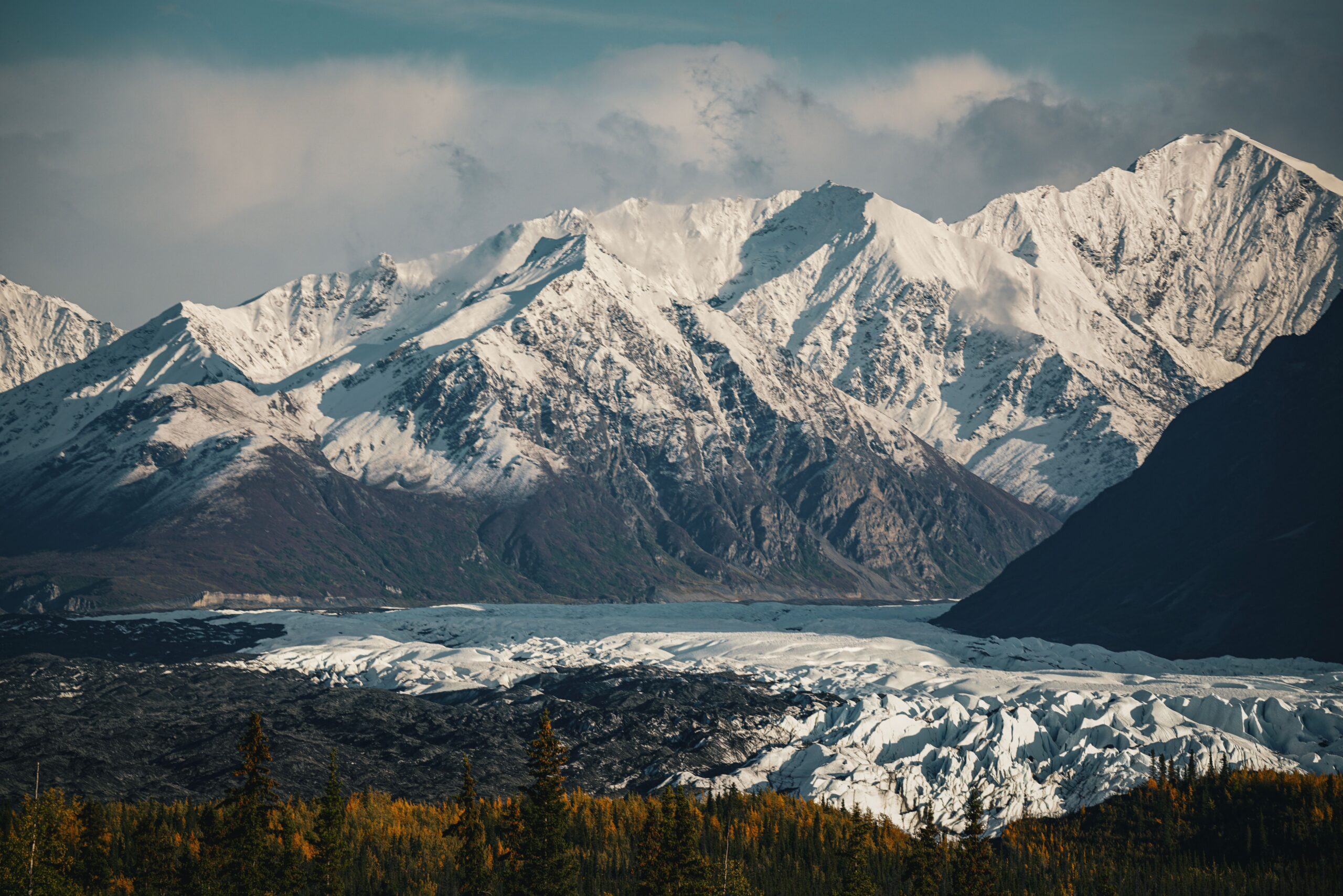
What a renter actually needs to know before crossing the Alaska state line.
Alaska has no state income tax, a deposit cap that works in your favor on most units, and rent that can be cheaper than you’d expect. It also has heating bills, earthquakes, a 10-day car registration deadline, and cities you can’t reach by road from the rest of the continent.
Here’s everything worth knowing before you get started.
 TL;DR
The average rent across Alaska is about $1,336 per month. Monthly rent is only part of the picture. Here’s what hits your bank account before you get the keys:
One more line item worth planning for: renters insurance.
As of 2026, Lemonade renters insurance in Alaska averages around $15–20/month, less than a streaming subscription – for coverage that actually matters.
Alaska’s Uniform Residential Landlord and Tenant Act (AS 34.03) gives renters a deposit cap, a firm entry-notice rule, a repair process, and protection against retaliation. It does not include rent control. Here’s what matters most.
Landlords can’t collect more than two months’ rent in deposits and prepaid rent combined (unless the unit rents for more than $2,000/month). A landlord who holds a deposit must return it, or send a written itemized statement of deductions, within 14 days if you gave proper notice before moving out. If you didn’t give proper notice, the deadline is 30 days. Alaska doesn’t require landlords to pay interest on deposits.
Alaska requires 24 hours’ notice before a landlord enters your unit for non-emergency reasons (AS 34.03.140). Landlords can enter without notice in an emergency, with a court order, or if the unit appears abandoned.
Landlords must keep the unit fit to live in and make repairs within 10 days of written notice (AS 34.03.160). If they don’t, you can give written notice that your lease will end at least 20 days later. If they fix the problem before that date, the lease continues.
For essential services (running water, hot water, heat, sanitary facilities), AS 34.03.180 lets you arrange the service yourself and deduct the cost from rent after proper written notice. In an Alaska January, a broken furnace is an emergency. Put it in writing right away. A text or email with a timestamp works. A verbal complaint doesn’t.
Alaska has no statewide rent control and no local rent control ordinances. For month-to-month tenancies, landlords must give 30 days’ written notice of a rent increase. Read your lease for increase and renewal terms before you sign.
A landlord can’t raise your rent, cut services, or start eviction because you reported a code violation or asked for repairs.
Alaska doesn’t require landlords to photograph the unit at move-in. That puts the documentation burden on you. Film a full, timestamped walkthrough on move-in day and email it to your landlord right away. Your 14-day deposit return window depends on what you can prove.
These are two separate processes with two very different deadlines. Mixing them up is the most common mistake new Alaska residents make.
New residents have 90 days to get an Alaska driver’s license. Vehicle registration is much faster: you must apply within 10 days of entering the state or taking a job here. You may drive a vehicle registered in another state for up to 60 days, but that allowance doesn’t extend the 10-day registration deadline for residents. Active-duty military with a home-of-record registration don’t need Alaska registration.
Alaska doesn’t require smog checks. You’ll need proof of Alaska auto insurance to register, so set that up first.
| Task | Deadline after moving | Where to do it |
|---|---|---|
| Vehicle Registration | 10 days | Alaska DMV |
| Driver’s License | 90 days (30 days for CDL holders) | Alaska DMV |
| Auto Insurance Setup | Before registration (required) | Your insurer |
| Voter Registration | 30 days before any election | voteralaska.gov |
Alaska also pays residents an annual Permanent Fund Dividend, but you generally need to have lived here for a full calendar year before you qualify. Don’t budget for it in your first year.
Alaska is huge, and life here changes a lot from one region to the next. Weather, terrain, and distance all shape what renting costs you, and some of those costs are easy to miss. Here’s what to expect where you’re headed.
| Region / Season | What to expect | What to do |
|---|---|---|
| Anchorage / Southcentral (year-round) | Earthquakes, long dark winters, occasional wildfire smoke | Standard renters insurance doesn’t cover earthquakes. Ask about add-on coverage. |
| Fairbanks / Interior (winter) | -20°F to -40°F, ice fog (frozen droplets in the air), wood smoke | Heating is your biggest cost trap. Ask for last winter’s bills and the heating type. |
| Juneau / Southeast (fall and winter) | Heavy rain, landslides, and flooding, including from glacial lakes in some areas | Check flood risk. Standard renters insurance doesn’t cover it. |
| Interior and Southcentral (summer) | Wildfire season, smoke | Confirm your policy covers smoke and fire damage. |
| Statewide (winter) | Frozen pipes, power outages, about 5 to 6 hours of daylight in December | Find the water shutoff, and keep the heat on if you travel. |
| Rural / bush (year-round) | Limited roads, high prices | Budget for shipping on nearly everything. |
Anchorage is Alaska’s biggest landing spot, but Fairbanks, Juneau, and the Mat-Su Valley each fit a different kind of move. Here’s what each one feels like, and who it suits best.
Alaska's largest city and biggest job hub, with healthcare, the military, and transportation leading the way. You'll almost certainly need a car, and icy roads and long winter nights catch newcomers off guard.
Best for: People who want the widest range of jobs, services, and housing options.
The biggest city in Alaska's Interior, with the university, nearby bases, and healthcare driving jobs. Winters are long and seriously cold, so heating costs matter, and so does a car that starts at minus 30.
Best for: People who want a quiet college town and don't mind extreme cold.
Alaska's capital, where government and tourism drive jobs. No roads connect Juneau to the rest of the state, so you'll come and go by plane or ferry. Housing can be tight, and rain surprises newcomers.
Best for: People who want a close community and don't mind a plane or ferry.
A growing area north of Anchorage with more space and lower housing costs, if you don't mind a commute. Winter driving on the Glenn and Parks Highways is the biggest adjustment for newcomers.
Best for: People who want lower housing costs and can handle a daily commute.
Moving your car to Alaska takes some planning, but it’s very doable. Here’s what to know about the drive, the barge, and winter conditions.
| Metro | Transit name | Reality check |
|---|---|---|
| Anchorage | People Mover (bus) | Covers main corridors on 15 routes. Most routes run until about 9 or 10 p.m. on weekdays, with shorter Saturday and Sunday hours. The airport is served by Route 40. |
| Fairbanks | MACS Transit (bus) | Eight fixed routes, but driver shortages have cut midday and Saturday service, so most residents drive. |
| Juneau | Capital Transit (bus) | Eight routes. Some run only at peak hours because of driver shortages, so most residents still drive. |
| Statewide | Alaska Railroad | The Denali Star runs daily from mid-May to mid-September between Anchorage and Fairbanks. Winter service is limited to weekend Aurora trains. It’s scenic, not a commuter option. |
You can drive the Alaska Highway through Canada or ship your car by barge from the Pacific Northwest. If you drive, bring a valid passport or passport card to enter Canada and re-enter the U.S. (Alaska Bar Association). Book early, since summer is peak season.
Your electric provider depends on your address (for example, Chugach Electric in much of Anchorage, Golden Valley Electric in Fairbanks, Alaska Electric Light & Power in Juneau). Heating fuel varies: natural gas in parts of Anchorage, heating oil or wood in many other places. Ask your landlord which utilities you pay and request last winter’s average bills. Heat can be a significant monthly cost in the coldest months.
Internet options vary a lot by location. Check availability at your specific address before you sign.
Get USPS mail forwarding set up before you move, then work through the rest: employer, bank, IRS, subscriptions. Alaska has no state income tax return, but your previous state may want a partial-year return. If you already have a renters insurance policy, here’s how to change your address on renters insurance when you cross a state line.
Moving to Alaska from another state means canceling your old renters insurance policy and starting a new Alaska one, not just updating your address. Time the new policy to start the same day the old one ends so you don’t have even a single night without coverage.
Moves to Alaska usually mean shipping by barge, driving the Alaska Highway, or flying with a limited baggage allowance. Summer is peak season, so book early. Before moving day, it’s worth running through a moving checklist, understanding what moving insurance actually covers, and, if you’ve never done a long-distance move before, how to pack like a pro will save you a headache or two.
Alaska rewards preparation, especially around winter, heating costs, and distance.
As of 2026, About 23% of Lemonade renters insurance claims are water damage-related (Based on Lemonade internal national claims data, 2026)
As of 2026, About 28% of Lemonade renters insurance claims are theft-related (Based on Lemonade internal national claims data, 2026)
Alaska has a new set of rules to learn fast: a two-month deposit cap, a 14-day return window, a 10-day vehicle registration deadline, heating costs that drive your real budget, and earthquake risk that standard renters insurance won’t cover. None of it is unmanageable. It just requires knowing what you’re walking into. Get your renters insurance active, read your lease carefully (especially the heating, utilities, and notice clauses), and document your move-in condition on day one. You’ll be ahead of most people who make this move.
Ready to get covered before the moving truck pulls up? Lemonade renters insurance takes as little as 90 seconds to get started.
Most people do. Outside downtown Anchorage, public transit is limited, and many communities are far apart. Juneau, Sitka, and other southeast towns aren’t connected to the state road system at all, so you can’t drive there from the rest of Alaska. In those towns, many residents rely on walking, biking, or ferries and planes.
No. Alaska is one of the few states without a personal income tax. Some cities and boroughs levy local sales or property taxes, though, so check costs for the specific area you’re moving to.
You have 90 days after establishing residency to transfer your out-of-state license at a Division of Motor Vehicles office in person. Commercial drivers have 30 days.
Alaska doesn’t require it by law, but many landlords do. Earthquakes are a real risk in Alaska, and standard renters policies typically exclude earthquake damage, so ask about earthquake coverage separately if you want it.
Plan for about $4,000 or more at signing on an average-priced rental. That covers first month’s rent (about $1,336 statewide), a security deposit of up to two months’ rent (about $2,672), and application fees of $30 to $60 each. Add moving costs, and if you’re bringing a car or buying winter gear, budget for those too. Costs vary by area, so check current listings for your destination.
A few quick words, because we <3 our lawyers: This post is general in nature, and any statement in it doesn’t alter the terms, conditions, exclusions, or limitations of the policies issued, which differ according to your state of residence. You’re encouraged to discuss your specific circumstances with your own professional advisors. The purpose of this post is merely to provide you with info and insights you can use to make such discussions more productive! Naturally, all comments by, or references to, third parties represent their own views, and Lemonade assumes no responsibility for them. Coverage may not be available in all states. Please note that statements about coverages, policy management, claims processes, Giveback, and customer support apply to policies underwritten by Lemonade Insurance Company or Metromile Insurance Company, a Lemonade company, sold by Lemonade Insurance Agency, LLC. The statements do not apply to policies underwritten by other carriers.
Please note: Lemonade articles and other editorial content are meant for educational purposes only, and should not be relied upon instead of professional legal, insurance or financial advice. The content of these educational articles does not alter the terms, conditions, exclusions, or limitations of policies issued by Lemonade, which differ according to your state of residence. While we regularly review previously published content to ensure it is accurate and up-to-date, there may be instances in which legal conditions or policy details have changed since publication. Any hypothetical examples used in Lemonade editorial content are purely expositional. Hypothetical examples do not alter or bind Lemonade to any application of your insurance policy to the particular facts and circumstances of any actual claim.