
Why Does My Car Battery Keep Dying?
Causes of battery drain, from parasitic draw to a bad alternator, and how to fix it fast.

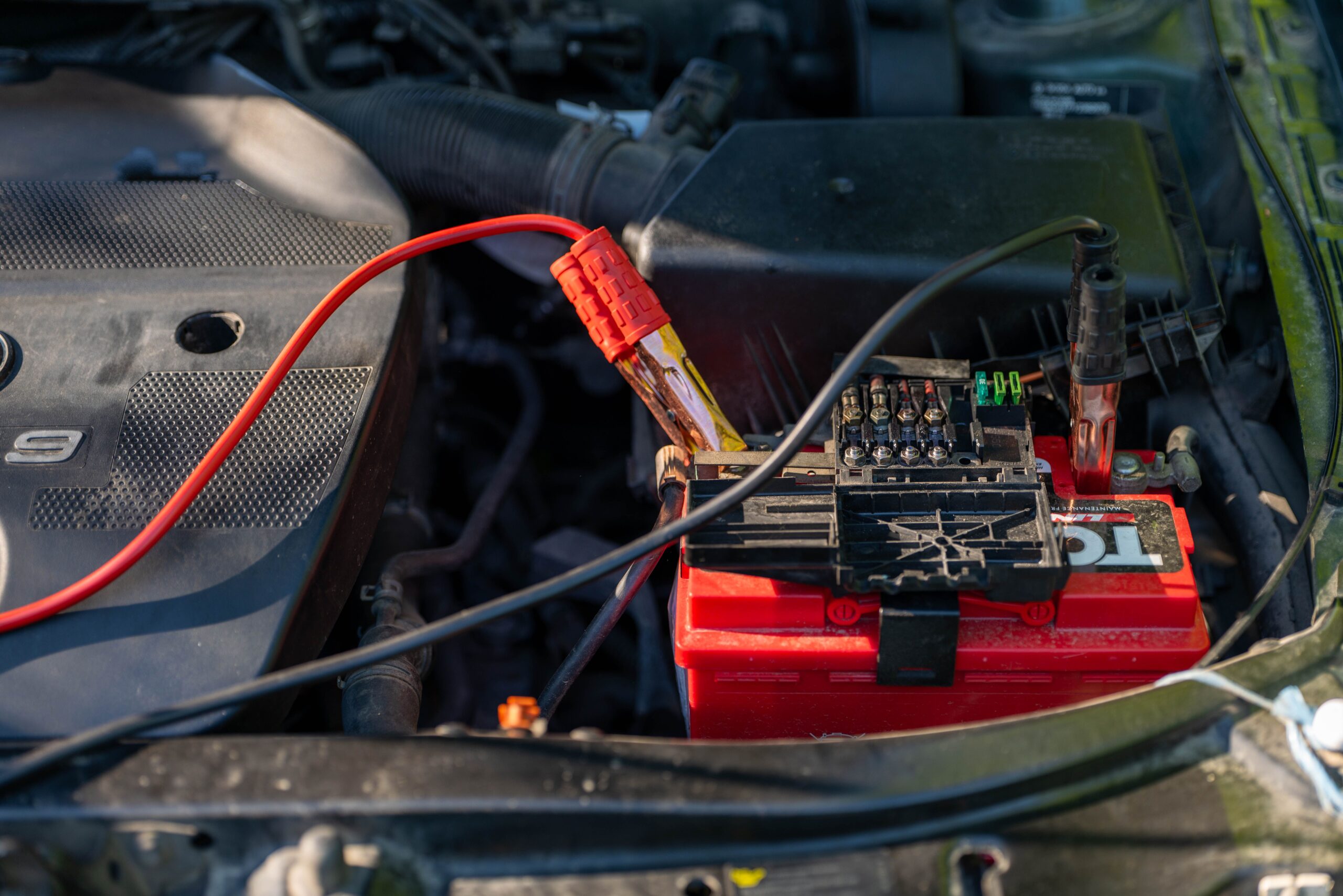
Causes of battery drain, from parasitic draw to a bad alternator, and how to fix it fast.
You go to start your car and nothing. Again. Whether it’s the third time this month or you just replaced the battery and it’s already dead, a car battery that keeps dying is one of those problems that gets old fast. The good news: there’s almost always a clear reason. You just need to know where to look.
 TL;DR
TL;DR
Most cases come down to one of a handful of culprits:
When your car is off, it should draw almost no power. A small amount, called a parasitic draw – is normal. Your clock, alarm system, and a few modules stay active. But anything over about 50 milliamps is too much and will drain the battery overnight.
Common overnight battery drains:
A mechanic can test for parasitic drain with an ammeter. It’s a simple test that usually takes less than an hour to identify the source.
Here’s a scenario that trips people up: you replace your battery, and it dies again within a few days. The battery isn’t the problem – the alternator is.
The alternator is what keeps your battery charged while the engine is running. If it’s failing, the battery is basically on its own every time you drive. It’ll run down, and no amount of new batteries will fix that.
Signs of a failing alternator:
Most car parts stores will test your alternator for free. It’s worth doing before you pay for a battery replacement.
Cold weather is genuinely hard on batteries. At 32°F, a battery loses about 20% of its capacity. At 0°F, that number can hit 50%. At the same time, cold engines require more power to start. It’s a double hit.
If your battery is already aging – 4 or 5 years old, winter might be what finally does it in.
What helps:
If your commute is mostly short hops under 20 minutes, your alternator may not have enough time to fully recharge the battery after each start. Over time, the battery slowly loses charge until one day it just won’t start.
A car that sits unused for weeks will self-discharge too. Most batteries will be significantly drained after 4 to 6 weeks without being driven or charged.
The fix for both: occasional longer drives, or a battery maintainer that keeps the battery topped off without overcharging.
That white or bluish-green crusty buildup on your battery terminals is more than cosmetic. It creates resistance in the connection between the battery and your car’s electrical system, which means the battery doesn’t charge as efficiently and can’t deliver power as reliably.
You can clean terminals yourself with a wire brush and a baking soda-and-water mix. Disconnect the negative cable first, clean both terminals, rinse, dry, and reconnect. It’s a 10-minute job that can make a real difference.
Sometimes the battery gives you warning signs before it completely dies. Worth knowing what to watch for:
A basic multimeter (under $20 at any hardware store) is all you need.
| Voltage | What it means |
|---|---|
| 12.6V or higher | Fully charged, battery is healthy |
| 12.4V | About 75% charged, acceptable |
| 12.2V | 50% charged, needs attention |
| 12.0V or below | Low charge or bad battery – test further or replace |
For a deeper load test, most car parts stores (AutoZone, O’Reilly, Advance Auto) will do it for free. This tests how the battery performs under actual starting conditions, not just resting voltage.
A dead battery is one of those moments where having the right coverage makes all the difference. If you’re stranded in a parking lot or on the side of the road, roadside assistance gets you back on your way without an unexpected bill.
Lemonade car insurance includes roadside assistance, which covers jump starts, towing, and other emergency services when you need them most. It’s one of those add-ons that costs very little but feels like a lifeline when your battery picks the worst possible moment to give out.
If you’re not sure whether your current policy includes roadside assistance, it’s worth checking – and if it doesn’t, it’s worth adding.
A dead battery is annoying, but it’s one of the easier car problems to solve once you know what’s causing it. Work through the checklist, test the battery, check the alternator, and look for anything drawing power overnight. In most cases, you’ll find the answer without spending much.
And if you do get stranded, Lemonade car insurance includes roadside assistance, so you’re not stuck on the side of the road waiting and wondering.
The most likely cause is parasitic drain – something drawing power from the battery while the car is off. Check for interior lights that stay on, accessories left plugged in, or a stuck relay. A mechanic can run a parasitic draw test to pinpoint the source.
A new battery that keeps dying almost always points to a failing alternator that isn’t recharging it while you drive. It could also be a parasitic drain pulling power overnight. Get the alternator tested before replacing the battery again.
Common culprits include interior or trunk lights left on, phone chargers or dash cams left plugged in, aftermarket accessories wired incorrectly, stuck relays, or a module that never fully powers down.
Fix the underlying cause first – test for parasitic drain, check the alternator, clean corroded terminals, and make sure nothing is left on or plugged in. For cars that sit unused, a battery maintainer keeps the charge topped off without overcharging.
Most car batteries last 3–5 years under normal conditions. Cold climates, frequent short trips, and parasitic drain can shorten that lifespan. If yours is over four years old and giving you trouble, it’s probably time to replace it.
A few quick words, because we <3 our lawyers: This post is general in nature, and any statement in it doesn’t alter the terms, conditions, exclusions, or limitations of the policies issued, which differ according to your state of residence. You’re encouraged to discuss your specific circumstances with your own professional advisors. The purpose of this post is merely to provide you with info and insights you can use to make such discussions more productive! Naturally, all comments by, or references to, third parties represent their own views, and Lemonade assumes no responsibility for them. Coverage may not be available in all states. Please note that statements about coverages, policy management, claims processes, Giveback, and customer support apply to policies underwritten by Lemonade Insurance Company or Metromile Insurance Company, a Lemonade company, sold by Lemonade Insurance Agency, LLC. The statements do not apply to policies underwritten by other carriers.
Please note: Lemonade articles and other editorial content are meant for educational purposes only, and should not be relied upon instead of professional legal, insurance or financial advice. The content of these educational articles does not alter the terms, conditions, exclusions, or limitations of policies issued by Lemonade, which differ according to your state of residence. While we regularly review previously published content to ensure it is accurate and up-to-date, there may be instances in which legal conditions or policy details have changed since publication. Any hypothetical examples used in Lemonade editorial content are purely expositional. Hypothetical examples do not alter or bind Lemonade to any application of your insurance policy to the particular facts and circumstances of any actual claim.